
- 0
- 2,532 words
Food is more than something we eat to satisfy hunger. It is also a way to explore different cultures, discover traditional cooking methods, and experience flavors that bring people together. One traditional African dish that has attracted attention from food lovers around the world is fufu. Whether someone is discovering African cuisine for the first time or already enjoys its rich flavors, searching for fufu near me can be an exciting way to find a delicious and memorable meal.
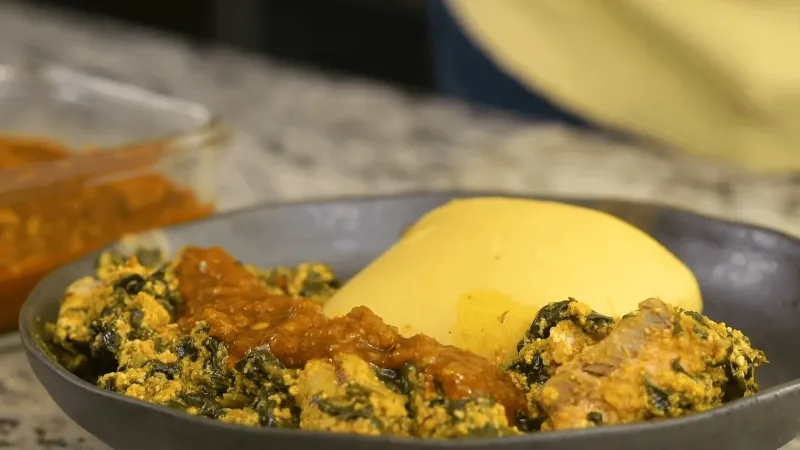
Fufu is a popular staple food in several African countries. It is known for its soft, smooth, dough-like texture and its ability to complement flavorful soups and stews. Although its ingredients and preparation methods vary between regions, fufu remains an important part of many African food traditions.
Today, African restaurants, international food markets, and specialty food businesses make it easier for people to experience this traditional dish. Understanding what fufu is, how it tastes, and where to find it can help anyone make a better dining choice.
What Is Fufu?
fufu near me is a traditional African food commonly prepared from starchy ingredients such as cassava, yam, plantains, or a combination of these foods. The ingredients are cooked and pounded or processed until they form a smooth, stretchy, and dough-like consistency.
It is especially popular in West and Central Africa, where it is served alongside different soups and stews. Countries such as Ghana, Nigeria, Cameroon, and Ivory Coast have their own versions of fufu, each with distinctive ingredients and preparation techniques.
Unlike many everyday foods, fufu is not usually eaten with a fork or spoon. People traditionally use their fingers to take a small portion, shape it, and dip it into soup. This eating method is an important part of the cultural experience.
The flavor of fufu is generally mild, making it an excellent companion for richly seasoned dishes. Its texture and neutral taste allow spicy, savory, and aromatic soups to become the main attraction.
Why Are People Searching for Fufu Near Me?
The growing popularity of international cuisine has encouraged people to explore traditional dishes from different parts of the world. Fufu is one of the foods attracting attention because it offers a different dining experience from familiar rice, bread, and pasta dishes.
There are several reasons why people search for fufu restaurants nearby.
Authentic African flavors: Many people want to experience traditional African cooking without preparing complicated recipes at home.
Convenience: Finding a nearby restaurant makes it easier to enjoy freshly prepared fufu without purchasing ingredients or spending hours cooking.
Cultural exploration: Food provides an opportunity to understand different traditions and discover how communities prepare and enjoy their meals.
Comfort food: For people who grew up eating fufu, finding a restaurant that serves it can bring back familiar memories and comforting flavors.
New food experiences: People who enjoy trying international dishes may find fufu an interesting addition to their dining choices.
Whether someone wants a traditional dinner, a satisfying lunch, or a new culinary experience, local African restaurants can provide an excellent starting point.
Where Can You Find Fufu Near Me?
Finding a restaurant that serves authentic fufu depends on your location. African restaurants are usually the best places to begin your search. Some Caribbean and international restaurants may also feature similar traditional dishes.
Here are several places worth exploring.
1. African Restaurants
African restaurants are generally the most reliable places to look for fufu. Many specialize in dishes from Ghana, Nigeria, Cameroon, and other African countries.
Their menus may include different fufu varieties alongside traditional soups such as egusi, groundnut soup, okra soup, and light soup.
Some restaurants prepare fufu fresh throughout the day, while others use prepared or packaged ingredients. Asking about preparation methods can help you understand what to expect.
2. Nigerian Restaurants
Nigerian restaurants are particularly popular destinations for people interested in trying fufu.
Depending on the restaurant, customers may find cassava-based fufu, pounded yam, and other traditional swallow foods. These dishes are often paired with richly flavored soups containing vegetables, meat, fish, and spices.
Nigerian cuisine offers plenty of options for people who enjoy bold seasoning and hearty meals.
3. Ghanaian Restaurants
Ghanaian restaurants are another excellent option. Fufu is an important part of Ghanaian food culture and is commonly served with soups such as groundnut soup and light soup.
Ghanaian fufu is traditionally prepared by pounding boiled cassava and plantain or other suitable ingredients together until smooth.
The result is a soft and satisfying dish that pairs beautifully with flavorful soups.
4. African Grocery Stores
If there are no restaurants nearby, African grocery stores may offer another solution.
Some stores sell packaged fufu flour, instant cassava fufu, plantain flour, and other ingredients used to prepare the dish at home.
These products can make homemade fufu more convenient, especially for people who want to experiment with African cooking.
5. Online Food Delivery Platforms
Food delivery applications can also help locate restaurants serving fufu.
Depending on the city and available services, searching for African cuisine or specific dishes may reveal restaurants that do not appear in ordinary dining searches.
However, availability can vary significantly by location, so checking the menu before placing an order is important.
Popular Types of Fufu You Should Know
One interesting thing about fufu is that it does not have just one preparation method. Different communities use different ingredients and techniques.
Understanding the main varieties can help you choose a dish that matches your preferences.
Cassava Fufu
Cassava fufu is one of the best-known varieties. It is prepared using fermented or unfermented cassava, depending on the regional tradition and recipe.
It usually has a smooth, stretchy texture and a mild flavor. Its neutral taste makes it suitable for a wide range of African soups.
People who enjoy soft and slightly elastic foods often appreciate this variety.
Plantain Fufu
Plantain fufu is prepared using green plantains. Some recipes combine plantains with cassava to achieve a particular texture.
It may have a slightly different taste from traditional cassava fufu and can offer a subtle plantain flavor.
This variety is worth trying for people who want to explore different versions of the dish.
Pounded Yam
Although pounded yam is technically different from cassava-based fufu, it is commonly included in the broader category of African swallow foods.
Boiled yam is traditionally pounded until it becomes smooth, stretchy, and elastic.
It is frequently served with egusi, vegetable soup, and other Nigerian dishes.
Cocoyam Fufu
Cocoyam fufu is another traditional variety made from cocoyam. Its preparation and consistency can differ depending on the region.
It is often enjoyed with hearty African soups and offers another opportunity to explore the diversity of traditional swallow foods.
Best Soups to Eat With Fufu
Fufu is delicious on its own, but its real appeal comes from the soups served alongside it. African soups often combine vegetables, spices, proteins, and carefully prepared ingredients.
Here are some popular combinations to consider when visiting an African restaurant.
Egusi Soup
Egusi soup is one of the most recognizable Nigerian dishes. It is made primarily from ground melon seeds and often contains leafy vegetables, meat, fish, and seasonings.
Its thick consistency makes it an excellent match for fufu.
The rich flavor and satisfying texture create a meal that many African food enthusiasts enjoy.
Groundnut Soup
Groundnut soup is popular in several West African countries. It is prepared using ground peanuts, spices, and other ingredients.
Depending on the recipe, it may contain chicken, beef, fish, or other proteins.
Its creamy consistency and slightly nutty taste work particularly well with cassava or plantain fufu.
Okra Soup
Okra soup is known for its distinctive thick and slightly slippery texture.
It commonly includes vegetables, seafood, meat, and spices. Different countries and households have their own versions.
When served with fufu, the soup creates a combination of contrasting textures that many people find enjoyable.
Light Soup
Ghanaian light soup is a flavorful tomato-based soup that may contain chicken, fish, beef, or goat meat.
Despite its name, it can have a rich and spicy taste.
Its thinner consistency provides a different experience from thicker soups such as egusi and groundnut soup.
What Does Fufu Taste Like?
People trying fufu for the first time often wonder what it tastes like.
The answer depends on the ingredients used. Generally, fufu has a mild, slightly starchy flavor. Cassava versions may taste relatively neutral, while plantain varieties can have a more noticeable plantain flavor.
Texture is one of its most distinctive features. Properly prepared fufu is soft, smooth, and slightly stretchy.
Because the taste is not particularly strong, fufu absorbs and complements the flavors of accompanying soups.
For first-time visitors, ordering fufu with egusi soup or groundnut soup can be an excellent introduction to African cuisine.
It is also helpful to ask restaurant staff for recommendations because they can explain which soup pairs best with each type of fufu.
How to Choose the Best Fufu Restaurant
Finding a restaurant that serves fufu is only the first step. Choosing a place that offers a satisfying dining experience is equally important.
Consider the following factors before making your decision.
Check Customer Reviews
Online reviews can provide useful information about food quality, service, cleanliness, and portion sizes.
Look for comments from customers who specifically mention fufu rather than relying only on general restaurant ratings.
Repeated positive feedback about freshness and traditional preparation can help you identify promising restaurants.
Explore the Menu
A good restaurant menu should clearly explain the available fufu varieties and accompanying soups.
Check whether the restaurant offers cassava fufu, plantain fufu, pounded yam, or other swallow options.
Having several choices can make the experience more enjoyable.
Consider Food Freshness
Freshly prepared fufu generally has a pleasant texture and consistency.
If possible, choose restaurants known for preparing traditional dishes regularly.
You can also ask staff whether the fufu is made fresh or prepared in advance.
Compare Prices
Restaurant prices can vary depending on the location, ingredients, portion sizes, and type of soup.
Compare menus before ordering, especially if you are trying African food for the first time.
Remember that a meal containing meat, fish, or seafood may cost more than a simpler vegetarian option.
Look for Authentic Preparation
Authenticity can mean different things depending on regional traditions.
Some restaurants specialize in Ghanaian recipes, while others focus on Nigerian or Cameroonian cuisine.
Choosing a restaurant that clearly identifies its culinary tradition can help you find the flavors you want.
How to Eat Fufu Properly
Eating fufu can be a new experience for someone unfamiliar with African dining traditions.
In many communities, fufu is traditionally eaten with the right hand. However, individual customs and personal preferences may differ.
A common approach involves taking a small piece of fufu, gently shaping it, and making a small indentation.
The piece is then used to scoop up soup and its accompanying ingredients.
Unlike bread or rice, fufu is generally swallowed in small portions without extensive chewing, following traditional eating practices.
First-time diners should not worry about getting everything perfect. Restaurant staff are often happy to explain the traditional method.
It is also perfectly acceptable to ask for a spoon or fork if that makes the experience more comfortable.
Can You Make Fufu at Home?
Yes. Although traditional preparation can require time and physical effort, modern ingredients have made homemade fufu much easier.
Many grocery stores sell instant fufu flour made from cassava, plantain, or other starchy ingredients.
A typical preparation method involves mixing the flour with water and cooking it over heat while stirring continuously.
As the mixture thickens, it gradually develops the smooth and elastic consistency associated with fufu.
The exact water-to-flour ratio and cooking time depend on the product, so following the package instructions is important.
People who prefer traditional preparation can also make fufu using fresh cassava, plantains, or other suitable ingredients.
Making fufu at home provides an opportunity to experiment with different recipes and enjoy African food without visiting a restaurant.
Is Fufu a Healthy Food?
Fufu can be part of a balanced diet, although its nutritional value depends on the ingredients, serving size, and accompanying soup.
Cassava and other common fufu ingredients are primarily sources of carbohydrates. These carbohydrates provide energy for everyday activities.
However, fufu generally contains less protein and fiber than a meal that includes substantial vegetables, legumes, or protein-rich ingredients.
That is why the accompanying soup matters.
A meal combining a moderate serving of fufu with vegetables, beans, fish, or lean meat can provide a wider range of nutrients.
People managing particular dietary needs should consider the ingredients and portion sizes carefully.
It is also important to remember that properly processing and cooking cassava is essential because raw cassava naturally contains compounds that can release cyanide.
Commercially prepared fufu and properly processed cassava products are designed to be prepared safely according to their instructions.
Fufu as a Cultural Experience
Fufu represents much more than a traditional African staple. It reflects generations of food knowledge, family traditions, and community relationships.
In many African households, preparing fufu has historically involved shared effort. Family members may participate in peeling, boiling, pounding, and preparing the accompanying soup.
Meals are also important social occasions. Families and friends gather around shared dishes, exchange stories, and enjoy food together.
Although modern preparation methods have made fufu more convenient, its cultural importance remains strong.
African restaurants around the world help introduce these traditions to new audiences. They provide opportunities for people from different backgrounds to experience traditional meals and learn about their cultural significance.
For people who grew up eating fufu, restaurants can also provide a familiar taste of home.
Tips for First-Time Fufu Lovers
If you have never tried fufu, a few simple suggestions can make your first experience more enjoyable.
- Start with a popular soup: Egusi soup and groundnut soup are excellent options for exploring traditional African flavors.
- Ask about the ingredients: Different restaurants use different combinations of cassava, plantain, and other ingredients.
- Choose a manageable portion: Fufu can be filling, so consider starting with a smaller serving.
- Explore regional specialties: Try Ghanaian, Nigerian, or Cameroonian versions to understand the differences.
- Ask for recommendations: Restaurant staff can help you select a suitable combination.
- Enjoy the experience: Focus on the flavors and textures rather than worrying about traditional eating techniques.
These suggestions can help turn a simple restaurant visit into an enjoyable culinary adventure.
Final Thoughts
Searching for fufu near me is an excellent starting point for discovering one of Africa’s most beloved traditional foods. With its smooth texture, mild flavor, and ability to complement richly seasoned soups, fufu offers a unique dining experience for both newcomers and longtime fans.
African restaurants are generally the best places to explore different varieties, including cassava fufu, plantain fufu, and regional swallow dishes. Popular soups such as egusi, groundnut, okra, and light soup provide delicious combinations worth experiencing.
Even if you cannot find a restaurant nearby, African grocery stores and packaged fufu products can make preparing the dish at home more convenient.
Ultimately, fufu is about more than satisfying hunger. It connects people with African culinary traditions, introduces new flavors, and creates opportunities to appreciate different food cultures.
Whether you are searching for your first taste or hoping to enjoy a familiar favorite, exploring fufu can be a rewarding experience.
Author

blowouttaper.co.uk@gmail.com
Related Posts

Fallston AC Repair: Practical Diagnostics, Humidity Challenges, and Repair-or-Replace Choices
- 0
- 1,221 word
When a cooling system falters on a hot day, the problem feels urgent. Yet a calm, step-by-step approach saves time and prevents...
Read out all
Household Water Pressure Problems: How to Diagnose PRV and Expansion Tank Issues at Home
- 0
- 978 words
Surging showers one minute and a trickle the next can make a normal day feel complicated. Most whole‑home pressure issues trace back...
Read out all
Household Water Pressure: Diagnose Risk and Prevent Damage Before Leaks Start
- 0
- 1,026 word
Water pressure that looks fine at the faucet can still be hard on your plumbing. Excess pressure and sudden stops in flow...
Read out all
Heating System Installation in Sedalia: How Climate, Ducts, and Fuel Choices Shape Comfort
- 0
- 1,144 word
Installing a new heating system is more than picking a furnace out of a catalog. In Sedalia, winter lows, humid shoulder seasons,...
Read out all
Room-by-Room Prep That Makes Professional House Cleaning More Effective
- 0
- 1,274 word
Professional cleaners can work faster and reach more detail when a home is prepared for the tasks ahead. The goal is not...
Read out all
Minimizing Downtime in Commercial Moves: A Practical Playbook for Operations Managers
- 0
- 1,386 word
Every hour your team spends off the clock during an office, clinic, or retail relocation is an hour of lost service. Commercial...
Read out all