
- 0
- 1,026 word
Water pressure that looks fine at the faucet can still be hard on your plumbing. Excess pressure and sudden stops in flow create stress that shortens the life of supply lines, faucet cartridges, toilet fill valves, and even the water heater’s temperature and pressure relief valve. The result is not just a loud bang or a misty spray at an aerator. It can be a burst washing machine hose, a dripping T&P discharge pipe, or a pinhole leak behind drywall. This article offers a simple framework to spot pressure-related problems, measure them correctly, and choose solutions such as pressure-reducing valves, expansion tanks, and water hammer arrestors before small symptoms turn into repairs.
- Spotting pressure trouble before it becomes a leak
Common tells include banging pipes when a washing machine or dishwasher shuts off, a fine mist around a faucet aerator, toilets that briefly hiss after refilling, and a water heater relief valve that occasionally drips. Each points to the same physics: high static pressure and quick-closing valves create pressure spikes. Over time, those spikes fatigue braided supply lines, loosen compression fittings at angle stops, and wear out faucet and shower cartridges. If these symptoms show up in an otherwise newer system, a pressure issue is often the cause, not just old parts. For background on a plumbing company’s role in residential systems, see more about Champion Plumbing for general background.
- How to measure static, dynamic, and expansion pressure
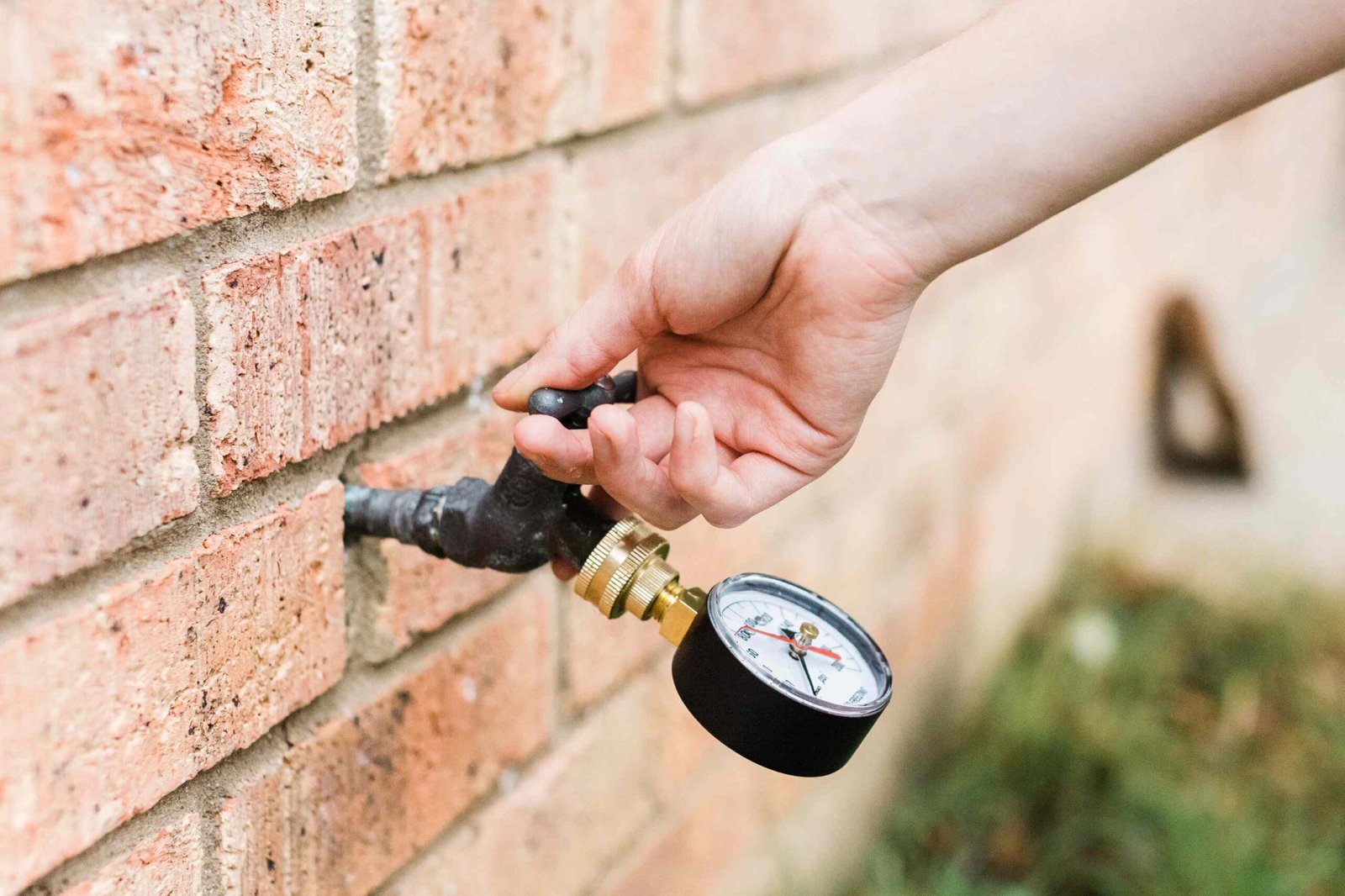
A $15 hose bib gauge can tell you far more than a loud bang can. First, measure static pressure by threading the gauge onto an exterior spigot or laundry faucet and checking the reading with all water off. Many homes operate comfortably around 50 to 60 psi. If you see readings near or above 80 psi, fixtures and valves are under extra stress, and many codes flag that as too high. Next, measure dynamic pressure by opening a shower and a sink while watching the gauge. A big drop can point to restrictions in a pressure-reducing valve or undersized piping rather than a municipal pressure problem.
Check thermal expansion next. With the gauge still attached, run hot water to fire the water heater, close all taps, and watch the gauge for 10 to 20 minutes. If pressure steadily climbs while the heater runs, your system is likely “closed” by a check valve or backflow device and needs an expansion tank that is correctly sized and precharged. Without that cushion, heated water has nowhere to expand and pushes on gaskets, supply lines, and the T&P valve, which may start to drip.
- Control strategies that actually work
Start at the main. A pressure-reducing valve installed after the meter keeps the whole house in check. It should be sized for expected flow and set with a gauge rather than guessed by feel. A PRV set too low can starve showers during peak use, so there is a trade-off between protection and performance. Many homeowners land around 55 to 65 psi for a balance of fixture life and good flow. If a PRV is older, its diaphragm can stiffen, causing pressure creep even if the adjustment screw has not moved. Replacement, not adjustment, solves that.
Pair the PRV with a thermal expansion tank on the cold line to the water heater. The tank must be matched to water heater capacity and precharged to the home’s regulated pressure using a tire gauge and a small air pump. Undersize it and pressure will still spike after heating cycles; oversize it, and you spend more than needed for the same result. Add water hammer arrestors at quick-closing valves like the washing machine, dishwasher, and refrigerator ice maker. Arrestors are directional, so install them upright where possible and as close to the valve as practical to absorb shock before it travels through risers.
- Protect the weak links first
Not every component tolerates pressure equally. Replace rubber washing machine hoses with braided stainless lines and check their gaskets. Rubber lines fail from pressure and heat; braided lines tolerate higher stress but still require periodic replacement. Inspect toilet and faucet supply lines at the angle stops for bulges or weeping around compression nuts. If a faucet or shower alternates between hot and cold water, the cartridge may be worn from constant pressure and shock cycles. At the water heater, make sure the T&P valve discharges to a safe drain and is never capped. If it weeps after you add a PRV, the missing piece is usually a properly charged expansion tank.
Secure piping to reduce movement. Loose copper can slap studs when flow stops, and unsupported PEX can snap back and rub against framing. Add pipe straps, sleeves, or nail plates where pipes pass through wood. Small details matter: do not wrap thread seal tape on compression threads, do not install arrestors on the wrong side of a shutoff, and do not forget to recheck expansion tank pressure annually while the system is at zero water pressure.
When a professional assessment is worth it
A thorough checkup goes beyond a single gauge reading. A plumber can create a pressure profile across a weekday and a weekend, compare readings taken before and after the PRV with a setup using two gauges, and confirm if an irrigation backflow device or a new water meter check valve has made the home a closed system. They may test the PRV for creep, size and precharge an expansion tank, add arrestors where quick-closing valves live, and secure noisy risers. If high pressure has already caused leaks, they will also inspect shutoff valves, supply lines, and faucet cartridges that may have been weakened.
Two practical examples highlight the value of a systematic approach. Example one: a laundry room thud and a slow drip at the washer hose stop after installing a PRV and arrestors at the washer box. Example two: a water heater T&P valve that drips each evening is cured by adding and properly precharging an expansion tank. In both cases, swapping parts alone would have masked symptoms rather than solved the pressure problem behind them. Address the cause, a nd the fixtures last longer, the noises stop, and surprise leaks are less likely.
Author

linguaezone.com@gmail.com
Related Posts
Fallston AC Repair: Practical Diagnostics, Humidity Challenges, and Repair-or-Replace Choices
- 0
- 1,221 word
When a cooling system falters on a hot day, the problem feels urgent. Yet a calm, step-by-step approach saves time and prevents...
Read out all
Household Water Pressure Problems: How to Diagnose PRV and Expansion Tank Issues at Home
- 0
- 978 words
Surging showers one minute and a trickle the next can make a normal day feel complicated. Most whole‑home pressure issues trace back...
Read out all
Heating System Installation in Sedalia: How Climate, Ducts, and Fuel Choices Shape Comfort
- 0
- 1,144 word
Installing a new heating system is more than picking a furnace out of a catalog. In Sedalia, winter lows, humid shoulder seasons,...
Read out all
Room-by-Room Prep That Makes Professional House Cleaning More Effective
- 0
- 1,274 word
Professional cleaners can work faster and reach more detail when a home is prepared for the tasks ahead. The goal is not...
Read out all
Minimizing Downtime in Commercial Moves: A Practical Playbook for Operations Managers
- 0
- 1,386 word
Every hour your team spends off the clock during an office, clinic, or retail relocation is an hour of lost service. Commercial...
Read out all
Stop the Water, Then Stop the Movement: A Step by Step Framework for Crawlspace Foundation Repairs
- 0
- 1,089 word
Foundation problems rarely start with concrete. They usually start with water. In crawlspace homes, chronic moisture changes soil strength, swells or dries...
Read out all