
- 0
- 1,221 word
When a cooling system falters on a hot day, the problem feels urgent. Yet a calm, step-by-step approach saves time and prevents damage. In a town like Fallston, where muggy stretches can push air conditioners hard, a quick self-check can separate simple resets from issues that call for a technician. This article outlines safe diagnostics you can perform, the tests pros use to pinpoint faults, local conditions that commonly cause breakdowns, and a straightforward framework for deciding whether to repair or replace aging equipment. You will also find practical aftercare to keep airflow strong, drains clear, and humidity in check for the rest of the season.
- When Your AC Stops Cooling: Quick, Safe Checks
Confirm the thermostat is set to Cool and the setpoint is below the room temperature, then verify the furnace or air handler’s switch is on, and the breaker has not tripped. Replace a clogged air filter, which raises static pressure and can ice the evaporator coil. Look outside to see if the condenser fan is spinning; if it is not, do not keep forcing the system to run. If these basics do not restore cooling, it is reasonable to compare local options such as heating and cooling services in Fallston by Mercury Home Services, then schedule a diagnostic visit before a minor issue becomes a major repair.
Two common scenarios illustrate how a small fault can stop cooling. First, a blocked condensate drain can lift a float switch and shut the system down to prevent water damage. You might hear the indoor blower stop even though the thermostat is calling. Second, an iced indoor coil from restricted airflow may thaw into a mess. If supply air feels weak and the refrigerant lines are frosty, turn the system off and let the ice melt before further evaluation. Running a frozen system risks liquid refrigerant returning to the compressor, which can cause permanent damage.
- What Technicians Test During an AC Repair Visit
Good diagnostics begin with airflow. A technician will check filter condition, blower speed settings, duct static pressure, and temperature split across the evaporator coil. If return restrictions or closed supply registers choke airflow, the coil runs too cold and frost forms. The tech may also inspect the thermal expansion valve (TXV) for proper operation, since a stuck TXV can starve the coil and mimic a low-charge condition.
Electrical and refrigeration checks follow. Expect tests of the condenser fan motor and compressor amperage, the contactor and capacitor, low-voltage control signals, and safety devices like the condensate float switch. On the refrigerant side, pros measure superheat and subcooling to assess charge and metering. Low refrigerant typically lowers suction pressure and can cause icing, while overcharging can raise head pressure and trip thermal protection. The key is measuring, not guessing; adding refrigerant without a leak check or pressure-temperature verification can mask a problem and shorten compressor life.
- Humidity, Drainage, and Other Fallston-Specific Trouble Spots
Muggy weather brings extra moisture removal, so drainage components work hard. Algae grows readily in warm condensate pans and traps, clogging the line and triggering the float switch. A poorly designed drain without a proper trap or vent can let air blow through instead of draining water, leading to intermittent leaks. In attics or closets without floor drains, a failed condensate pump can halt cooling the moment the reservoir fills.
Outdoor units face their own local challenges. Pollen, cottonwood, and grass clippings can mat the condenser coil, reducing heat rejection and extending run times. Landscaping that crowds the condenser starves it of airflow, and mulch piled against the cabinet invites corrosion. Summer thunderstorms can cause brief outages and surges that stress control boards and contactors. If the outdoor fan does not restart after a storm or hums without spinning, a failed capacitor or damaged contactor may be to blame.
- Repair or Replace? A Clear Decision Framework
Start with three questions: Is the fault isolated and inexpensive, like a capacitor or a drain cleaning? Is the compressor and coil set free of leaks and operating near manufacturer targets? And is the system using a current refrigerant and matched components? If you can answer yes, a repair is often the sensible path. For example, replacing a worn contactor and cleaning a matted condenser coil can restore normal head pressure and performance at modest cost.
Weigh trade-offs when issues stack up. A coil leak that returns after topping off charge, a compressor pulling high amperage, or mismatched indoor-outdoor components point toward replacement. Newer systems designed under SEER2 test procedures typically run more efficiently. The trade-off is upfront cost versus lower energy use and a fresh warranty. One caution: avoid partial swaps that leave a new outdoor unit paired to a much older evaporator coil. Mismatches can produce incorrect refrigerant metering and undermine both reliability and efficiency.
Preventing the Next Breakdown: Airflow, Filtration, and Settings
Airflow is the foundation. Keep at least 2 feet of clearance around the condenser and rinse the coil gently with a garden hose from the inside out to avoid bending fins. Inside, replace pleated filters regularly. A high-MERV filter captures fine particles, but picking one that is too restrictive for your duct system can spike static pressure. A practical approach is a well-fitted MERV 8 to 11 filter changed on schedule, combined with duct sealing and return upgrades if pressure is still high.
Moisture control matters, too. Flush the condensate line with a cup of distilled vinegar at the start of the season and ensure the trap is present and oriented correctly. Check that the secondary drain pan and safety float switch work, especially for attic air handlers. Use Auto, not On, for the indoor fan during humid spells so moisture can drain off the coil between cycles. Smart thermostat setbacks of just a few degrees help efficiency without forcing long recovery runs that can re-wet the coil.
Two examples show how maintenance choices affect performance. In one split-level home, swapping to an extremely dense filter caused the blower to howl, the coil to ice, and the upstairs to heat up. Returning to a moderate-MERV filter and opening closed returns fixed both noise and comfort. In another case, a condenser tucked behind shrubs kept tripping on high pressure on the first hot afternoons. Trimming foliage and straightening crushed fins brought head pressures back into a safe range.
Finally, protect the electrical side of the system. After severe weather or electrical work, inspect the outdoor disconnect for heat discoloration, and consider a surge protector rated for HVAC equipment to shield control boards. If any refrigerant-circuit part is opened during service, expect the technician to pull a deep vacuum verified with a micron gauge. Skipping this step leaves moisture and non-condensables in the system, which form acids and raise operating pressures over time.
A dependable air conditioner is the outcome of sound diagnostics, decisions grounded in measurements, and small habits that support airflow and drainage. In Fallston’s humid summers, the relationship between filter resistance, coil temperature, and condensate flow determines whether the system quietly maintains setpoint or struggles with frost and shutdowns. Start with safe checks, call a pro when symptoms point to electrical or refrigerant causes, and apply the repair-or-replace framework to avoid sunk costs in failing components. With basic upkeep and attention to humidity control, most systems can run steadily through the season with fewer surprises.
Author

linguaezone.com@gmail.com
Related Posts
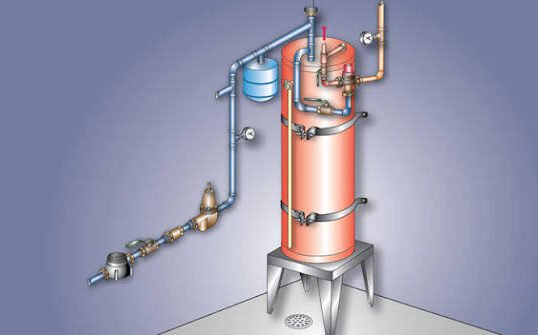
Household Water Pressure Problems: How to Diagnose PRV and Expansion Tank Issues at Home
- 0
- 978 words
Surging showers one minute and a trickle the next can make a normal day feel complicated. Most whole‑home pressure issues trace back...
Read out all
Household Water Pressure: Diagnose Risk and Prevent Damage Before Leaks Start
- 0
- 1,026 word
Water pressure that looks fine at the faucet can still be hard on your plumbing. Excess pressure and sudden stops in flow...
Read out all
Heating System Installation in Sedalia: How Climate, Ducts, and Fuel Choices Shape Comfort
- 0
- 1,144 word
Installing a new heating system is more than picking a furnace out of a catalog. In Sedalia, winter lows, humid shoulder seasons,...
Read out all
Room-by-Room Prep That Makes Professional House Cleaning More Effective
- 0
- 1,274 word
Professional cleaners can work faster and reach more detail when a home is prepared for the tasks ahead. The goal is not...
Read out all
Minimizing Downtime in Commercial Moves: A Practical Playbook for Operations Managers
- 0
- 1,386 word
Every hour your team spends off the clock during an office, clinic, or retail relocation is an hour of lost service. Commercial...
Read out all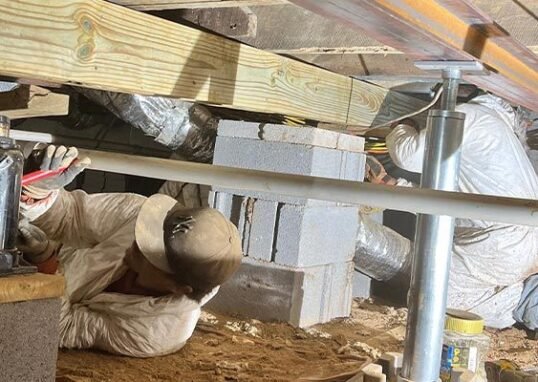
Stop the Water, Then Stop the Movement: A Step by Step Framework for Crawlspace Foundation Repairs
- 0
- 1,089 word
Foundation problems rarely start with concrete. They usually start with water. In crawlspace homes, chronic moisture changes soil strength, swells or dries...
Read out all