
- 0
- 978 words
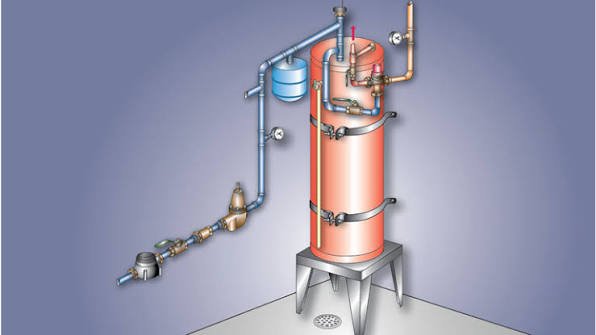
Surging showers one minute and a trickle the next can make a normal day feel complicated. Most whole‑home pressure issues trace back to a small group of parts near your water entry: the pressure‑reducing valve (PRV), the main shutoff valve, and, on many closed systems, a thermal expansion tank and backflow preventer. Understanding how these pieces work together lets you separate true pressure problems from fixture clogs and decide what you can safely check before calling in a pro.
- Static vs. dynamic pressure and where PRVs live
Two measurements tell different stories. Static pressure is what you see when every faucet is off. It reflects the setting of your PRV and street supply. Dynamic pressure is what remains when water flows. A healthy system shows a modest drop under flow; a dramatic drop hints at restriction, undersized piping, or a failing PRV that cannot hold a steady setpoint. Many building codes limit indoor pressure to about 80 psi, so a PRV sits after the meter to tame higher street pressure.
You will typically find the PRV where the water line enters the home, near the main shutoff, sometimes in a crawlspace or meter box. If you are in the area and want a quick sanity check before making adjustments, the Summerville Office page provides a local point of contact. Knowing whether your home has a closed system also matters. If there is a check valve or a meter with an internal backflow preventer, heating water can spike pressure unless a thermal expansion tank absorbs it.
- Clues that point to a failing PRV or a different culprit
Certain symptoms point squarely at the PRV. Toilets that fill unusually fast, faucets that mist or “sputter,” or supply hoses that thump can all reflect excessive pressure from a stuck PRV. Pressure that swings from strong to weak during the same shower suggests an internal PRV diaphragm that no longer regulates smoothly. If the temperature and pressure (T&P) relief valve on your water heater drips only after hot water use, the expansion tank may be waterlogged or missing rather than the PRV being off target.
Other times, the PRV is blamed when the real problem is local to a fixture. A kitchen faucet that is weak while the tub blasts is usually suffering from a clogged aerator or a cartridge full of sediment. Likewise, a washing machine error code for “low fill” during other household use can be a dynamic supply limitation in branch piping, not necessarily a PRV misadjustment. Distinguishing PRV trouble from point‑of‑use restrictions saves time and avoids turning the PRV screw in the wrong direction.
- Measuring safely with an inexpensive gauge
A 10–20 hose‑bib pressure gauge can show you more than guesswork ever will. Screw it onto an outdoor spigot or the water heater’s drain valve. Record the static reading with all fixtures off, then open a high‑flow fixture like a tub to see the dynamic reading. A stable system keeps both numbers consistent from morning to evening; a reading that creeps upward on its own over time indicates thermal expansion that an expansion tank should absorb.
Two practical checks can narrow the fault. First, repeat the test at different hose bibs. If one side of the house drops more than the other, branch restrictions may be involved. Second, lightly tap the expansion tank. It should sound hollow on the air‑side half and dull on the water‑side. If it feels heavy and dull throughout, the internal bladder may have failed. Checking or changing the tank’s air charge requires isolating and relieving water pressure; if you are not fully comfortable shutting down the heater and system, stop here and consult a licensed plumber.
- Adjust, replace, or add an expansion tank?
If static pressure is high and the PRV is accessible, a small clockwise or counterclockwise turn on the PRV’s adjustment screw changes the setpoint. Always adjust while watching the gauge and make only small changes, then run a tub and recheck. Spinning the screw without a gauge is a common mistake that can stress supply lines, PEX fittings, and faucet cartridges. If the screw is frozen, the body is corroded, or the pressure drifts back after a day, replacement is usually the lasting fix.
On closed systems, a working expansion tank is not optional. Without it, pressure spikes during every reheat cycle and the water heater’s T&P valve may drip to protect the tank. After replacing a failed tank, recheck static pressure and verify that the PRV holds steady under flow. There is a trade‑off to consider: raising pressure can improve shower feel and help some appliances, like certain tankless water heaters, meet their minimum flow triggers, but higher pressure accelerates wear on supply hoses and amplifies water hammer. Aim for balance rather than the highest number the gauge can show.
After the fix: protecting fixtures and preventing a repeat
Once pressure is set and the expansion tank is doing its job, flush aerators and showerheads to clear any loosened sediment, and clean faucet cartridges if flow remains uneven. Note your final static and dynamic readings on a piece of tape near the main shutoff and check them a couple of times a year, especially after utility work or a major cold snap. If pressure rises on its own or the T&P valve weeps again, revisit the expansion tank and PRV rather than replacing fixtures piecemeal. Two real‑world patterns to watch: a dishwasher that works fine at night but faults during a morning shower often points to dynamic pressure limits in branch piping, while a water heater that drips only after laundry loads usually signals a failing or undersized expansion tank, not a bad heater. Steady numbers on a gauge will confirm you solved the right problem and help protect everything downstream of the meter.
Author

linguaezone.com@gmail.com
Related Posts
Fallston AC Repair: Practical Diagnostics, Humidity Challenges, and Repair-or-Replace Choices
- 0
- 1,221 word
When a cooling system falters on a hot day, the problem feels urgent. Yet a calm, step-by-step approach saves time and prevents...
Read out all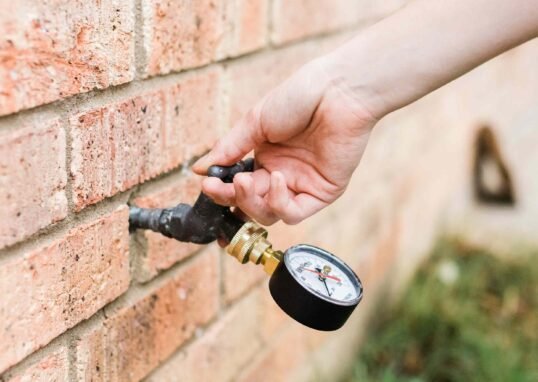
Household Water Pressure: Diagnose Risk and Prevent Damage Before Leaks Start
- 0
- 1,026 word
Water pressure that looks fine at the faucet can still be hard on your plumbing. Excess pressure and sudden stops in flow...
Read out all
Heating System Installation in Sedalia: How Climate, Ducts, and Fuel Choices Shape Comfort
- 0
- 1,144 word
Installing a new heating system is more than picking a furnace out of a catalog. In Sedalia, winter lows, humid shoulder seasons,...
Read out all
Room-by-Room Prep That Makes Professional House Cleaning More Effective
- 0
- 1,274 word
Professional cleaners can work faster and reach more detail when a home is prepared for the tasks ahead. The goal is not...
Read out all
Minimizing Downtime in Commercial Moves: A Practical Playbook for Operations Managers
- 0
- 1,386 word
Every hour your team spends off the clock during an office, clinic, or retail relocation is an hour of lost service. Commercial...
Read out all
Stop the Water, Then Stop the Movement: A Step by Step Framework for Crawlspace Foundation Repairs
- 0
- 1,089 word
Foundation problems rarely start with concrete. They usually start with water. In crawlspace homes, chronic moisture changes soil strength, swells or dries...
Read out all