
- 0
- 786 words
Creating video content does not always require a camera, expensive equipment, or advanced editing knowledge. With the development of artificial intelligence, a simple image can now become the foundation of an engaging video. Image-to-video tools use AI to add movement and animation to static visuals, giving creators a faster way to develop new content.
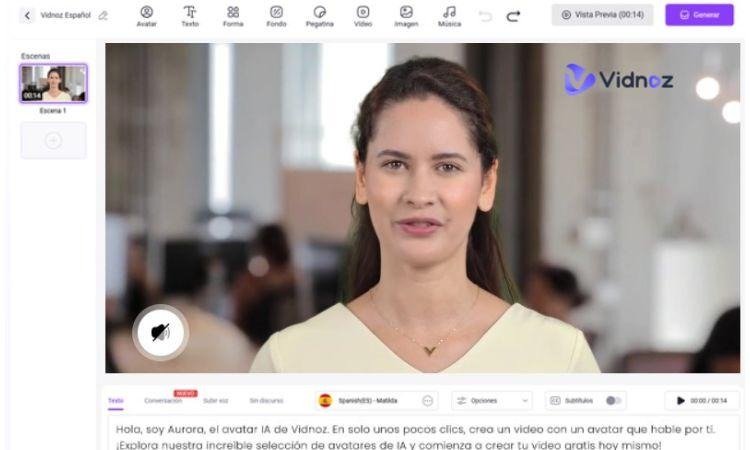
Vidnoz offers an image-to-video solution that can help users explore this technology with their existing images. From social media content to promotional materials, the tool can be useful in situations where a static image needs a more dynamic presentation.
Why Turn Images Into Videos?
Images are easy to create and share, but video can provide additional opportunities for storytelling. A moving visual can attract attention and make content feel more interactive. This is particularly relevant for social media, where short videos are commonly used to communicate ideas quickly.
Many people already have useful images stored on their devices. These could include product photographs, personal pictures, digital artwork, illustrations, or marketing graphics. Instead of creating completely new footage, users can repurpose these visuals by converting them into videos.
AI makes this process more convenient by handling much of the movement generation automatically.
How Vidnoz Can Help
Vidnoz is designed to simplify AI-assisted content creation. Its image-to-video feature allows users to start with a static image and generate a video based on it.
The basic workflow does not require users to manually animate individual elements. After selecting an appropriate image, users can upload it to the platform and allow the AI to process the visual. The generated result can then be reviewed for use in a particular project.
The quality of an AI-generated video can vary depending on the source image and the visual elements within it. For this reason, choosing a clear and well-composed image is an important part of the process.
A Convenient Tool for Creators
Content creators often need to produce fresh material regularly. Creating every piece of video content from scratch can consume a significant amount of time. Image-to-video technology provides another option by allowing existing visual assets to be reused.
For instance, a creator with a collection of illustrations could transform selected images into short animated clips. A photographer could experiment with adding motion to photographs, while a designer could use existing graphics to develop promotional videos.
Users looking for a free image to video AI generator can explore this type of workflow as a way to create video content from images without starting with traditional footage.
Useful for Marketing
Businesses can also benefit from turning static marketing materials into videos. Product images are often used on websites and online stores, but they can also serve as the starting point for short promotional content.
For example, an online retailer could experiment with converting product photographs into videos for social media. A service-based business might use branded graphics to create simple promotional visuals.
This approach can help businesses make better use of content they already have. Rather than producing a completely new visual asset for every campaign, existing images can be adapted into different formats.
Easy to Experiment With
One of the interesting aspects of AI video creation is the ability to experiment quickly. Users can try different images and compare the resulting videos to determine which visuals work best.
This can be valuable for creators who are still developing their content style. Instead of committing significant time to one idea, they can test several concepts and refine their approach based on the results.
Experimentation is also useful for businesses working on social media campaigns. Different product images, designs, and promotional concepts can be tested to find suitable formats for specific audiences.
No Complex Editing Workflow
Professional video editing software provides extensive control, but it can also have a steep learning curve. Users may need to understand timelines, keyframes, transitions, effects, and other editing features.
AI-powered image-to-video tools approach the process differently. They automate part of the animation work, making the technology more approachable for people who are unfamiliar with professional editing.
This does not mean every generated video will be perfect without adjustments. Users should still review the result and make sure it fits their intended purpose. However, reducing the manual work can make the overall creative process more convenient.
Final Thoughts
AI is changing the way digital content can be created and repurposed. Turning a static image into a video provides creators and businesses with another way to present existing visual assets.
Vidnoz gives users an opportunity to explore AI-powered image-to-video creation without relying entirely on traditional video production methods. Whether the goal is social media content, marketing material, creative experimentation, or simply trying something new, an image can provide a useful starting point for creating a video.
Author

wildriseauthor@gmail.com
Related Posts

TechNewsOutlets.com USA: A Complete Guide to Technology News and Digital Media
- 0
- 1,754 word
Introduction to TechNewsOutlets.com USA Technology has become an essential part of everyday life. From smartphones and laptops to artificial intelligence, cybersecurity, and...
Read out all
Building a Smarter and More Secure Home With Connected Technology
- 0
- 2,282 words
Protecting a home today involves much more than relying on traditional locks and basic alarms. Modern connected technology gives homeowners more ways...
Read out all
Kling 3.0 Turbo: Text to Video at 11 Cents a Request
- 0
- 1,064 word
On OrcaRouter we host the Kling 3.0 Turbo model — the accelerated tier of Kling’s video line, shipped on June 17, 2026,...
Read out all
GrammarVista.com USA: A Practical Guide to Better English Writing
- 0
- 1,595 word
Clear communication has become more important than ever. Whether someone is writing a school assignment, preparing a professional email, publishing an article,...
Read out all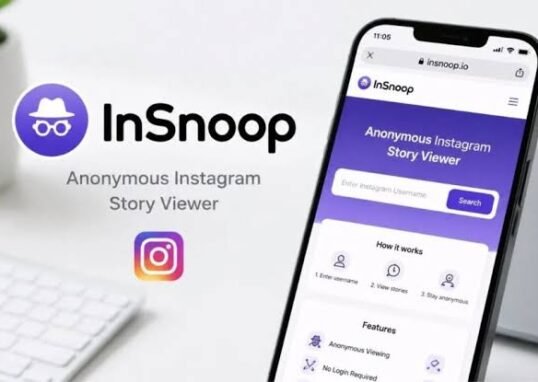
Insnoop: A Practical Guide to Understanding the Term and Its Online Context
- 0
- 1,713 word
The internet is full of unusual names, unfamiliar platforms, and terms that appear suddenly in search results. Insnoop is one of those...
Read out all
iTop VPN: A Practical Guide to Using a VPN Free Service
- 0
- 1,044 word
Internet use has become part of everyday life, whether people are browsing websites, watching videos, using public Wi-Fi, or accessing online services....
Read out all