
- 0
- 2,321 words
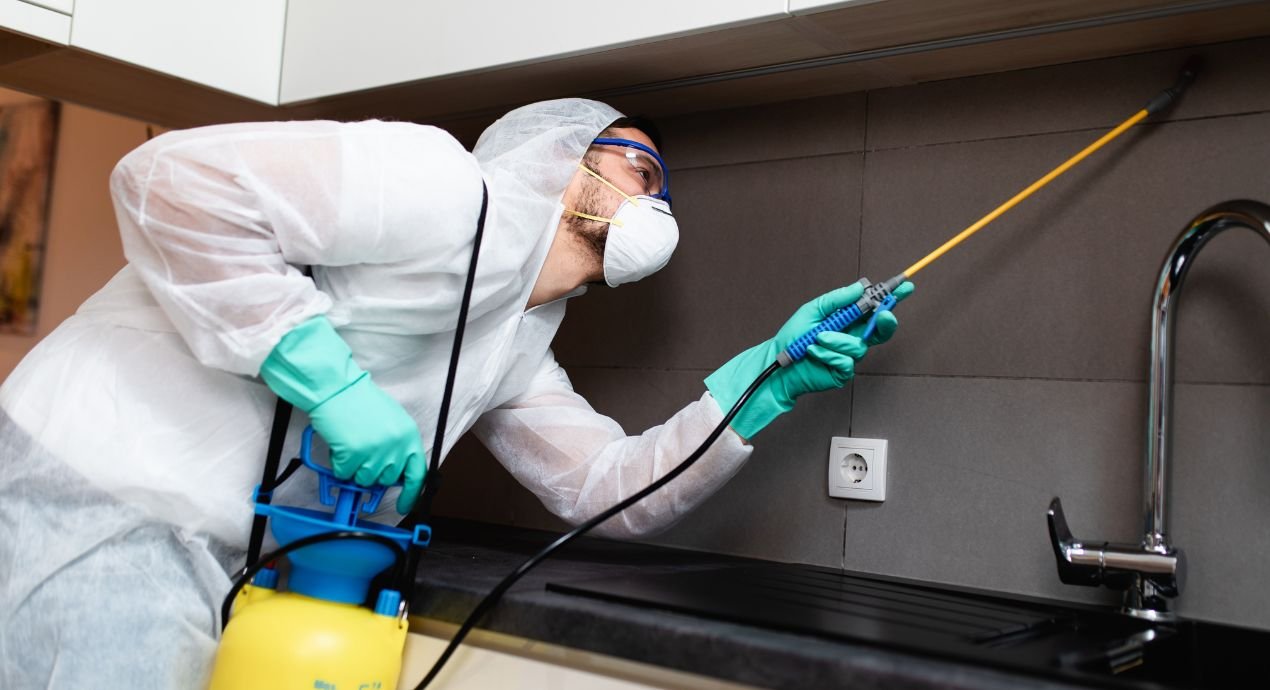
Termites are among the most persistent pests that can affect buildings, furniture, landscaping structures, and other wooden materials. Because they often remain hidden behind walls, beneath floors, inside wooden components, or underground, an infestation can develop for a considerable period before obvious signs appear. By the time property owners notice damaged wood, mud tubes, discarded wings, or other evidence, termites may have already established feeding areas throughout parts of the structure. Effective termite control therefore requires more than eliminating insects that happen to be visible. It involves identifying the source of activity, understanding how termites are entering the property, selecting an appropriate treatment strategy, and taking preventive steps to reduce the chance of future infestations.
A comprehensive approach begins with inspection. Professional pest specialists can evaluate the structure, surrounding soil, moisture conditions, wooden components, and potential entry points. Once the infestation has been identified, treatment can be selected according to the termite type, level of activity, construction characteristics, and property conditions. Long-term monitoring and maintenance can then help detect renewed activity before it becomes a significant problem.
Understanding How Termites Threaten Properties
Termites feed on cellulose, which is found in wood, paper, cardboard, and many plant-based materials. This feeding behavior makes buildings with wooden structural components particularly vulnerable. Termites can consume material gradually, often without causing immediate visible changes to the exterior surface.
Their hidden lifestyle is one reason termite infestations can be difficult to recognize. Workers may travel through soil, cracks, wall cavities, or other protected pathways to reach food sources. Once they find suitable material, they can continue returning to the same area while additional members of the colony remain concealed.
The amount of damage depends on several factors, including termite species, colony size, access to food, moisture conditions, and how long the infestation has been active. Not every infestation results in severe structural damage, but prolonged activity can weaken important wooden components.
Recognizing Signs of Termite Activity
Early detection is an important part of effective pest management. Property owners should know what signs to look for around the building and its surrounding structures.
Mud tubes are a common indication associated with subterranean termites. These narrow pathways may appear along foundations, walls, crawl spaces, or other surfaces. They allow termites to travel while remaining protected from exposure.
Discarded wings may appear after reproductive termites leave an established colony. Finding piles of wings near windows, doors, light sources, or other areas can justify further investigation.
Damaged wood is another warning sign. Termites may consume wood from the inside, leaving a relatively thin outer surface. Affected areas may sound hollow when tapped or show blistering, sagging, or other unusual changes.
Small droppings, damaged furniture, weakened flooring, or unexplained cracks can also warrant attention. These signs do not automatically confirm termites, but they can indicate that a professional inspection is appropriate.
The Importance of Professional Inspection
A thorough inspection is the foundation of a successful treatment strategy. Instead of treating a few visible areas, an experienced technician can examine the entire property for evidence of current or potential activity.
The inspection may include foundations, crawl spaces, basements, attics, wall edges, wooden framing, decks, fences, sheds, and other structures containing cellulose materials. Inspectors may also look around plumbing penetrations, utility lines, expansion joints, and other locations that can provide access.
Moisture conditions should be considered because leaks, poor drainage, condensation, and damp wood can contribute to favorable conditions for certain termites.
The surrounding property also deserves attention. Firewood, landscaping materials, tree stumps, untreated wooden structures, and soil placed directly against the building can create opportunities for termite access.
A detailed inspection can help determine whether there is active activity, evidence of previous activity, or conditions that could increase future risk.
Identifying the Type of Termite
Not all termites behave in the same way, which means treatment should not be based on appearance alone. Subterranean termites generally maintain colonies in soil or other moist environments and may enter buildings through foundations and concealed pathways.
Drywood termites can establish colonies directly inside dry wood. They may infest furniture, doors, roof components, framing, and other wooden materials without maintaining the same type of soil connection associated with subterranean species.
Dampwood termites are associated with moist or decaying wood. When these termites are found, identifying and correcting the underlying moisture issue can be an important part of the overall management plan.
Correct identification helps determine where technicians should focus their inspection and which treatment options are most appropriate.
Liquid Termite Treatments
Liquid termiticides are one method used by pest professionals to protect structures from termite activity. Depending on the product and application method, a treated zone may be established in soil around or beneath parts of a building.
The objective is to reduce the ability of termites to access protected structural areas. Application requirements vary according to the property, construction type, treatment product, and applicable regulations.
Professional application is important because improper use can reduce effectiveness and create unnecessary risks. Technicians should follow product instructions and required safety procedures.
Liquid treatment may be part of a broader termite-management program rather than a standalone solution. A professional should determine whether it is suitable based on inspection findings.
Termite Baiting Systems
Baiting systems use specially designed stations or materials intended to attract foraging termites. When termites encounter suitable bait, workers may carry the material back toward the colony.
One benefit of bait systems is their potential for ongoing monitoring. Stations can be checked periodically so that pest professionals can observe changes in activity and adjust the management strategy when necessary.
Baiting generally requires patience. Unlike treatments intended to kill termites immediately upon contact, bait systems may take time to affect a colony because termites need to encounter and interact with the bait.
Property owners should avoid moving or disturbing stations once they have been installed. Regular professional monitoring is important to maintain the system properly.
Localized Termite Treatment
In some situations, termite activity may be concentrated in a specific area. A localized approach may then be considered, particularly when inspection can clearly identify the affected material.
This type of treatment can be useful for isolated infestations in certain wooden components, furniture, or other structures. However, it is important to determine whether the activity is truly localized.
Termites can travel through concealed areas, so treating one visible section without investigating nearby spaces may leave other activity untouched.
A professional inspection should therefore determine whether localized treatment is appropriate or whether a broader strategy is necessary.
Protecting Wooden Structures
Wood maintenance is an important part of termite prevention. Damaged, decaying, or persistently damp wood should be repaired or replaced when appropriate.
Wooden decks, fences, sheds, stairs, window frames, doors, and other outdoor structures should be inspected periodically. These features can sometimes provide accessible food sources for termites.
Where possible, structural wood should remain separated from direct soil contact. Landscaping materials should also be managed so that foundations and wooden components remain accessible for inspection.
During renovation projects, property owners should consider how new wooden structures connect to the existing building. Poorly planned additions can create new pathways for termite entry.
Moisture Management and Termite Prevention
Moisture control can play a significant role in preventing conditions that support pest activity. Plumbing leaks should be repaired quickly, and gutters should direct water away from the foundation.
Standing water around a building can contribute to damp conditions. Drainage systems should be maintained so that rainwater and other moisture move away from structural areas.
Crawl spaces and enclosed areas may also require appropriate ventilation. Persistent dampness can contribute to wood deterioration and create conditions favorable to certain termite species.
Reducing moisture does not eliminate termite risk completely, but it can make the property less attractive and help preserve the condition of wooden components.
Sealing Potential Entry Points
Termites can exploit cracks and gaps that may seem insignificant. Property owners should inspect areas around foundations, doors, windows, pipes, utility lines, and other structural penetrations.
Sealing appropriate gaps can help reduce potential access. Damaged screens, deteriorated seals, and openings around utility penetrations should be repaired when necessary.
However, sealing alone is not a substitute for professional termite treatment when an active infestation is present. It is best considered part of a broader prevention strategy.
Regular inspections can identify new cracks or structural changes before they become significant pathways.
Termite Control During Construction
New construction provides an opportunity to incorporate preventive measures from the beginning. Proper design and construction practices can help reduce future termite access.
Depending on the building and applicable requirements, prevention may involve soil treatments, physical barriers, appropriate foundation design, separation between soil and wood, and other protective measures.
Construction debris containing wood or other cellulose materials should be removed rather than left buried around the structure.
Property owners planning construction or major renovations should discuss termite prevention with qualified professionals before work begins. Preventive measures are often easier to incorporate during construction than after a building is completed.
Protecting Furniture and Indoor Woodwork
Termites are not limited to structural framing. Furniture, cabinets, doors, flooring, trim, and decorative woodwork can also be affected.
Wooden furniture should be monitored for unexplained holes, weakened areas, droppings, or other unusual signs. Items stored in damp areas may deserve particular attention.
If termite activity is suspected in furniture, it should not automatically be moved to another room or building because relocation can spread an infestation.
Professional assessment can determine whether the item can be treated, repaired, isolated, or replaced.
The Role of Regular Monitoring
Termite management should not necessarily end after the initial treatment. Monitoring can help detect renewed activity and identify conditions that could contribute to reinfestation.
Properties with a previous termite history may benefit from scheduled inspections. Monitoring frequency depends on factors such as treatment method, property construction, environmental conditions, and the pest professional’s recommendations.
Property owners should also remain alert between inspections. New mud tubes, discarded wings, damaged wood, or other warning signs should be investigated promptly.
Regular monitoring can provide an additional layer of protection and reduce the likelihood that an infestation will remain unnoticed for an extended period.
Repairing Damage After Treatment
Eliminating termites and repairing their damage are separate steps. Once active infestation has been addressed, damaged wood should be evaluated to determine whether repairs or replacement are necessary.
Cosmetic damage may require relatively minor restoration, while structural damage can require assessment by qualified building professionals. Beams, joists, framing, flooring supports, and other load-bearing components should not be repaired based solely on appearance.
Replacing damaged wood before the infestation has been controlled can expose new materials to the same problem. Pest management should therefore be completed or sufficiently established before major structural restoration begins.
Repair requirements vary considerably depending on the extent and location of the damage.
Common Termite Control Mistakes
One of the most common mistakes is treating only the visible insects. Termites are social insects that can maintain extensive hidden colonies, so eliminating individual workers does not necessarily resolve the underlying problem.
Another mistake is relying entirely on household insecticides. Products designed for general insects may not be appropriate for structural termite control and may not reach concealed colonies.
Ignoring moisture problems can also contribute to continued pest pressure. A leaking pipe or drainage issue can continue creating favorable conditions even after treatment.
Moving infested furniture, wood, or belongings can spread termites to other locations. Items should be handled according to professional recommendations.
Finally, delaying an inspection because the damage appears minor can allow hidden activity to continue. Early investigation can provide more opportunities to address the problem before extensive repairs become necessary.
Choosing a Termite Control Professional
Selecting an experienced pest-management provider is an important part of the process. Property owners should consider the company’s qualifications, inspection procedures, treatment methods, warranties, monitoring services, and communication practices.
Ask the provider to explain what was discovered during the inspection and why a specific treatment is being recommended. A professional should be able to discuss the reasoning behind the proposed approach without relying on vague claims.
Written documentation is also valuable. The treatment plan should identify the areas involved, general treatment approach, preparation requirements, follow-up procedures, and warranty terms when applicable.
Property owners should understand that termite management can be a long-term process. Depending on the circumstances, continued monitoring may be recommended even after treatment.
Long-Term Property Protection
Effective termite control combines treatment with preventive maintenance. Keeping foundations accessible, managing moisture, maintaining wooden structures, and monitoring for warning signs can all reduce future risks.
Outdoor wood should be inspected regularly, especially after prolonged moisture exposure. Firewood and lumber should be stored appropriately and kept away from direct contact with the building whenever possible.
Landscaping should also be maintained so that soil, mulch, vegetation, and debris do not conceal foundations or create unnecessary contact with structural components.
Regular professional inspections can provide additional protection, particularly for properties that have experienced termite activity in the past.
Final Thoughts on Effective Termite Management
Termites can cause extensive problems when an infestation remains undetected for a long period. Because these pests frequently operate behind walls, beneath floors, inside wooden components, or underground, visible evidence may represent only part of the problem.
Effective termite control starts with accurate identification and a thorough inspection. Once the extent and type of activity have been established, professionals can select an appropriate strategy, which may include liquid treatments, baiting systems, localized applications, or other methods.
Prevention is equally important. Controlling moisture, maintaining wooden structures, reducing soil-to-wood contact, sealing potential entry points, and keeping foundations accessible can make a property less vulnerable. Regular monitoring can further improve the chances of detecting renewed activity at an early stage.
Property owners should also remember that eliminating termites and repairing damage are separate processes. After treatment, affected structural components should be assessed and restored appropriately. With a combination of professional assessment, suitable treatment, preventive maintenance, and ongoing monitoring, termite problems can be managed more effectively while helping protect the long-term condition of a property.
Author

Spero.outreach.team@gmail.com
Related Posts

Building Effective Behavioral Support Strategies to Encourage Meaningful Progress and Independence
- 0
- 1,934 word
Applied Behavior Analysis (ABA) is a structured approach used to understand behavior and teach useful skills through individualized strategies and measurable interventions....
Read out all
How to Build an Effective Daily Oral-Hygiene Routine
- 0
- 1,238 word
Why a Consistent Oral-Hygiene Routine Matters Healthy teeth and gums have less to do with finding the perfect product and more to...
Read out all
Self Storage Dubai: Finding Affordable and Reliable Storage Solutions
- 0
- 1,915 word
Self storage dubai has become a practical necessity for a growing proportion of the city’s residential and business population. Dubai’s apartment-dominated housing...
Read out all
Is a VLSI Design Course Worth It for Fresh Graduates and Working Professionals?
- 0
- 890 words
Introduction The field of semiconductors is integral to the technological advancement witnessed in the world today. This is because there are numerous...
Read out all
Trupeek.com: A Complete Guide to Its Features, Purpose, and Online Experience
- 0
- 2,560 words
Introduction to Trupeek.com The internet is full of websites designed to make everyday tasks easier, provide useful information, and help people discover...
Read out all
Remodel vs. Renovate vs. Restore: Which Word Matches Your Next Home Project?
- 0
- 3,054 words
A dated kitchen can lead to three very different projects. Its cabinet doors stick, its counters show years of wear, and the...
Read out all