
- 0
- 2,282 words
Protecting a home today involves much more than relying on traditional locks and basic alarms. Modern connected technology gives homeowners more ways to monitor activity, manage access, receive notifications, and coordinate different systems throughout the property. Cameras, motion sensors, door and window sensors, smart locks, mobile controls, networking equipment, and automation features can all contribute to a more organized approach to residential protection. However, the value of these technologies depends heavily on how well they are selected, installed, configured, and integrated. A system made up of unrelated devices can become difficult to manage, while a carefully planned solution can make everyday security more convenient and responsive. Professional planning can help homeowners determine which technologies are appropriate for their property and how those systems can communicate with one another. By combining reliable infrastructure with practical security features, homeowners can create a connected environment that supports awareness and convenience while remaining flexible enough to accommodate future technology upgrades.
Creating a Strong Security Foundation
A reliable security strategy begins with understanding the property and identifying the areas that require attention. Every home has a different layout, number of entrances, outdoor spaces, household routine, and technology requirements, so there is no single combination of devices that will be appropriate for every situation. Front and rear entrances, garages, side doors, windows, driveways, and other access points may each require different considerations. A professional assessment can help identify locations where additional monitoring or controlled access could be useful. Physical protection should remain part of the overall strategy, while connected technology can provide additional awareness and control. The objective is to create multiple complementary layers instead of depending entirely on one device. When the foundation is properly planned, cameras, sensors, access control, networking, and automation can work together more effectively and provide homeowners with a system that is easier to understand and manage.
Using Video Surveillance Effectively
Video surveillance can provide homeowners with greater visibility around important areas of a property. Cameras may be installed near entrances, garages, driveways, walkways, or other areas where visual awareness is useful. The effectiveness of a camera depends on more than the device itself because placement, viewing angle, lighting, connectivity, and surrounding conditions can all affect the quality of the resulting coverage. A camera positioned incorrectly may leave important areas outside its field of view or capture unnecessary sections of the property while missing the locations that matter most. Professional installation can help determine appropriate mounting positions and ensure that equipment is configured correctly. Modern surveillance systems can also work with other connected technologies, allowing homeowners to access video through compatible devices and maintain better awareness while away from the property. When surveillance is integrated thoughtfully, cameras become part of a broader system rather than isolated recording devices.
Adding Motion and Entry Sensors
Sensors can provide another layer of awareness by identifying activity at selected locations. Door and window sensors can help indicate when an entry point has been opened, while motion sensors can detect movement in designated areas. These technologies can complement video surveillance because a sensor can identify an event while a camera may provide additional visual information about what occurred. Proper positioning is important because sensors need to operate within the conditions for which they are designed. Poor placement can lead to unnecessary notifications or gaps in coverage. A professional installer can help determine which doors, windows, rooms, or exterior areas may benefit from sensors and how those devices should interact with the rest of the system. When sensors, cameras, and notifications are coordinated correctly, homeowners can gain a clearer understanding of activity without needing to manually monitor every part of the property throughout the day.
Improving Control Over Property Access
Managing who can enter a property is an important part of modern residential protection. Traditional keys can provide basic access, but connected access control systems can provide additional options for managing authorized users. Depending on the equipment selected, homeowners may be able to use keyless entry, mobile credentials, biometric technology, smart cards, or other authentication methods. Access permissions can also be adjusted when household circumstances change, which can be useful when family members, guests, service providers, or other authorized individuals need different levels of access. Bandera Networks provides access control solutions that can be integrated with existing security systems and smart-home technologies. This type of integration can make access management more organized while providing additional visibility into entry activity. Instead of treating the door as an isolated security point, homeowners can incorporate it into a broader connected environment.
Building a Reliable Network
Connected security equipment depends heavily on reliable network infrastructure. Cameras, smart locks, mobile controls, sensors, and other devices may need consistent communication to perform as intended. A weak or poorly configured network can create connectivity problems that affect the overall experience, especially when several connected devices are operating simultaneously. Larger properties may also require additional wireless access points or wired connections to provide adequate coverage across different rooms and floors. Network planning should therefore be considered an important part of any technology-based security project. The network should have sufficient coverage, capacity, and appropriate security configuration for the number and type of connected devices being used. A properly designed network can also support other household technologies such as entertainment systems, computers, smart appliances, and automation equipment, making it an important foundation for a broader connected home.
Connecting Security With Smart Automation
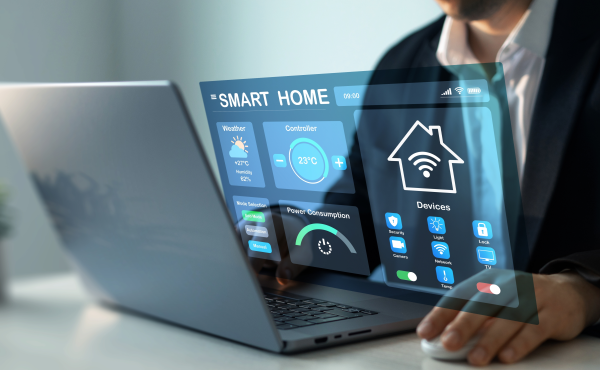
One of the major advantages of modern technology is the ability to connect security functions with other smart-home features. Lighting, climate controls, entertainment systems, access control, and surveillance can potentially work together when compatible equipment and platforms are used. For example, security-related events may be incorporated into automation routines, while lighting or other connected systems can be managed through the same technology environment. Bandera Networks specifically offers smart-home integration alongside its residential security services, allowing different technologies to work together rather than remaining completely independent. The purpose of integration should be practical convenience. Homeowners should be able to understand and manage their technology without dealing with unnecessary complexity. A coordinated system can make everyday routines easier while providing additional control over important security functions.
Using Mobile Access and Remote Control
Mobile technology has changed how homeowners interact with connected security systems. Instead of needing to be physically present at the property, users may be able to access compatible cameras, controls, alerts, and other functions through mobile applications. This can provide additional convenience for homeowners who want to check their property while traveling, manage access for an authorized visitor, or review notifications remotely. Mobile control also allows security technology to become part of everyday household management rather than something that is only considered during an emergency. However, remote access should be configured carefully and supported by reliable network infrastructure and appropriate account security. Professional setup can help ensure that connected devices communicate properly and that homeowners understand how to use the available controls. The goal is to provide useful remote access without creating an unnecessarily complicated technology environment.
Supporting Entry Points With Smart Technology
Doors and windows represent important areas of consideration when developing a connected residential protection strategy. Smart locks, door sensors, video doorbells, access control, and surveillance cameras can provide different types of information and control around these locations. Combining several compatible technologies can create a more complete picture of activity than relying on one device alone. For example, a video doorbell can provide visual information about a visitor, while an access control system can determine whether entry should be granted. A door sensor can provide information about whether the door has been opened, while connected notifications can keep homeowners informed about selected events. These technologies should be selected based on the actual property and the needs of the household. Professional installation can also help ensure that equipment is positioned correctly and operates reliably with the home’s existing infrastructure.
Improving Outdoor Awareness
Outdoor areas can require additional planning because properties may contain driveways, garages, gates, walkways, patios, side passages, and other spaces that are not always visible from inside the home. Surveillance cameras can provide visual coverage, while appropriate lighting can improve visibility around important areas. Motion detection may also be useful in selected locations where activity needs to be identified. The objective is not necessarily to place equipment everywhere but to determine which areas would benefit most from additional awareness. Camera positioning should consider viewing angles, potential obstructions, lighting conditions, and network connectivity. A professional assessment can help homeowners identify potential blind spots and determine how different technologies can complement one another. By considering exterior areas as part of the overall system, homeowners can create a more consistent security environment instead of focusing exclusively on interior rooms and primary entrances.
Choosing Technology Based on Household Needs
The wide range of smart security products available today can make technology selection confusing. Homeowners may encounter numerous cameras, sensors, smart locks, alarms, access systems, and networking products with different features and compatibility requirements. The most important consideration should be whether a particular technology addresses an actual need. Installing advanced equipment simply because it has numerous features does not necessarily create a better system. Compatibility, reliability, ease of use, installation requirements, network demands, and future expansion should all be considered before purchasing equipment. Professional consultation can help homeowners identify priorities and avoid unnecessary technology. A properly designed system should provide useful functionality without becoming difficult to operate. When technology is selected according to the property and household rather than current trends alone, homeowners are more likely to have a system that remains useful over time.
Professional Installation and Configuration
Proper installation can have a major impact on how effectively connected security equipment performs. Cameras need appropriate mounting locations, sensors need suitable positioning, access control equipment needs to be compatible with existing entry points, and networking equipment must provide dependable communication. After physical installation, devices may also need to be configured, integrated, tested, and optimized. Bandera Networks states that its security and access control services include customized system design, professional installation, ongoing support, maintenance, and training. Professional assistance can be particularly valuable when several technologies need to work together because compatibility and configuration issues may not be obvious when devices are purchased individually. A properly installed system can reduce operational problems and make it easier for homeowners to understand how their technology works. Testing after installation can also help identify connectivity issues, incorrect camera angles, or other concerns before the system becomes part of everyday use.
Maintaining Connected Security Technology
Technology requires ongoing attention after installation. Cameras should remain clear and properly positioned, sensors should be tested periodically, and smart locks and access controls should be checked to ensure they continue functioning as expected. Network equipment may also require updates or configuration changes as additional devices are added to the property. Homeowners should periodically review their technology environment to determine whether it still matches their current needs. Renovations, new doors, landscaping changes, additional rooms, or changes in household routines can affect how security equipment should be positioned or configured. Keeping records of installed devices, access permissions, network equipment, and system information can make future maintenance more organized. Professional maintenance and support can also help homeowners address technical problems and make appropriate upgrades as their connected environment develops.
Planning for Future Expansion
A good security system should not necessarily be viewed as a finished project immediately after installation. Technology continues to develop, and homeowners may eventually want to add cameras, sensors, access points, smart locks, automation features, or other connected equipment. Planning the network and infrastructure with future expansion in mind can make these additions easier. Structured wiring, sufficient network capacity, appropriate equipment locations, and compatible technology platforms can all provide greater flexibility. This does not mean homeowners need to purchase every possible device at once. Instead, the infrastructure can be designed so that reasonable additions can be made without completely rebuilding the system. A scalable approach allows homeowners to introduce new technology when it becomes useful and helps protect the value of the original investment.
Creating a Simple User Experience
The effectiveness of a connected security system is closely related to how easily household members can use it. Advanced technology can provide many capabilities, but excessive complexity can make everyday management frustrating. Controls should be organized so that homeowners can quickly understand how to view cameras, manage access, respond to notifications, and adjust compatible settings. Mobile controls and integrated platforms can simplify this process by bringing multiple functions into a more unified environment. Professional configuration can also help eliminate unnecessary steps and ensure that devices operate in a logical manner. A well-designed system should support the household rather than require constant technical attention. When convenience and security are considered together, homeowners can benefit from technology that provides useful information and control without making ordinary routines more difficult.
Conclusion
Modern residential protection is increasingly connected to networking, automation, surveillance, access management, and smart technology. Cameras, motion sensors, door and window sensors, smart locks, mobile controls, and access control systems can provide different layers of awareness and control when they are properly planned and integrated. Bandera Networks offers solutions that combine security with smart-home integration and connected technology, including video surveillance, sensors, mobile control, access control, and related networking infrastructure. A professional home security provider can help homeowners evaluate their property, determine which technologies are appropriate, install and configure equipment, and establish an environment that can adapt to future requirements. The goal is not simply to fill a property with connected devices, but to create a practical system in which different technologies support one another. With thoughtful planning, dependable connectivity, professional installation, and ongoing maintenance, homeowners can build a connected environment that provides greater awareness, convenience, and control for everyday living.
Author

Spero.outreach.team@gmail.com
Related Posts

TechNewsOutlets.com USA: A Complete Guide to Technology News and Digital Media
- 0
- 1,754 word
Introduction to TechNewsOutlets.com USA Technology has become an essential part of everyday life. From smartphones and laptops to artificial intelligence, cybersecurity, and...
Read out all
Kling 3.0 Turbo: Text to Video at 11 Cents a Request
- 0
- 1,064 word
On OrcaRouter we host the Kling 3.0 Turbo model — the accelerated tier of Kling’s video line, shipped on June 17, 2026,...
Read out all
GrammarVista.com USA: A Practical Guide to Better English Writing
- 0
- 1,595 word
Clear communication has become more important than ever. Whether someone is writing a school assignment, preparing a professional email, publishing an article,...
Read out all
Insnoop: A Practical Guide to Understanding the Term and Its Online Context
- 0
- 1,713 word
The internet is full of unusual names, unfamiliar platforms, and terms that appear suddenly in search results. Insnoop is one of those...
Read out all
Create Engaging Videos from Images
- 0
- 786 words
Creating video content does not always require a camera, expensive equipment, or advanced editing knowledge. With the development of artificial intelligence, a...
Read out all
iTop VPN: A Practical Guide to Using a VPN Free Service
- 0
- 1,044 word
Internet use has become part of everyday life, whether people are browsing websites, watching videos, using public Wi-Fi, or accessing online services....
Read out all