
- 0
- 2,482 words
A comfortable indoor environment depends on a reliable system that can respond to changing temperature demands throughout the year. Buildings experience different heating and cooling requirements as outdoor conditions change, and the equipment responsible for maintaining indoor comfort must be capable of operating efficiently under those varying demands. Modern HVAC systems combine mechanical equipment, electrical controls, thermostats, airflow pathways, filters, ductwork, and other components to regulate indoor temperature and support a consistent environment. When these elements are properly selected, installed, and maintained, they can provide dependable performance while helping property owners manage energy use and unexpected service needs. Problems often develop gradually rather than appearing without warning, which makes regular attention particularly valuable. Unusual sounds, inconsistent temperatures, weak airflow, excessive cycling, rising utility costs, and delayed system response can all indicate that equipment deserves professional evaluation. A comprehensive approach to heating and cooling considers the entire system instead of focusing only on the thermostat or the most noticeable symptom. Understanding the factors that affect HVAC performance can help property owners make better decisions about maintenance, repairs, upgrades, and long-term equipment planning.
Understanding the Role of a Complete HVAC System
An HVAC system is more than a machine that changes indoor temperature. It is a collection of interconnected components that work together to move air, transfer heat, regulate operating cycles, and maintain desired comfort conditions. Depending on the equipment configuration, the system may include indoor and outdoor units, coils, blowers, motors, electrical controls, refrigerant circuits, heat exchangers, thermostats, filters, condensate drains, and ductwork. Each component has a specific role, but the performance of one part can influence the operation of another. For example, restricted airflow can make equipment work harder, while a thermostat problem can cause otherwise functional equipment to operate at inappropriate times. Poorly maintained components may gradually reduce system efficiency and increase mechanical strain. This interconnected nature is why professional evaluation is useful when a system develops recurring or unexplained problems. Instead of simply replacing a component based on a symptom, a technician can examine the system as a whole and determine whether the issue is related to airflow, controls, electrical operation, mechanical wear, or another condition. A complete system perspective supports more accurate service decisions and can contribute to more reliable indoor comfort.
Selecting Equipment for Building Requirements
Equipment selection is one of the most important parts of creating a dependable indoor comfort system because every property has different requirements. Choosing equipment based solely on the size of a building can result in a system that does not operate as effectively as expected. Cooling and heating demands can be influenced by insulation, windows, ceiling height, occupancy, building orientation, air leakage, ductwork, and internal sources of heat. A system that is too small may run for extended periods without adequately controlling indoor conditions, while an oversized system may cycle too frequently and provide less consistent temperature and humidity control. Professional assessment can help determine the appropriate equipment capacity and configuration based on the property’s actual characteristics. Property owners may also need to consider efficiency ratings, maintenance requirements, equipment features, installation space, electrical capacity, and future changes to the building. A thoughtful selection process can reduce the possibility of performance problems caused by mismatched equipment and can provide a stronger foundation for long-term reliability. When equipment is appropriately selected, installed, and configured, it has a better opportunity to operate according to its intended design.
Maintaining Effective Airflow
Airflow has a direct effect on the ability of an HVAC system to distribute conditioned air throughout a property. Even high-quality equipment can struggle if air cannot move efficiently through filters, ductwork, registers, and return pathways. A heavily loaded filter can restrict airflow and force the system to operate under greater strain, while damaged or poorly sealed ductwork can allow conditioned air to escape before it reaches occupied spaces. Blocked vents, inadequate return air, or blower problems can also contribute to uneven temperatures and reduced comfort. Property owners should pay attention to rooms that consistently feel warmer or cooler than surrounding areas because these differences may indicate an airflow or distribution issue. During professional service, technicians can evaluate relevant components and determine whether the system is moving an appropriate amount of air. Maintaining clear supply and return pathways and following appropriate filter replacement schedules are useful routine practices, but persistent airflow problems should receive further evaluation. Improving airflow can help equipment operate more effectively while supporting more balanced indoor temperatures across different areas of the building.
Monitoring Thermostats and Controls
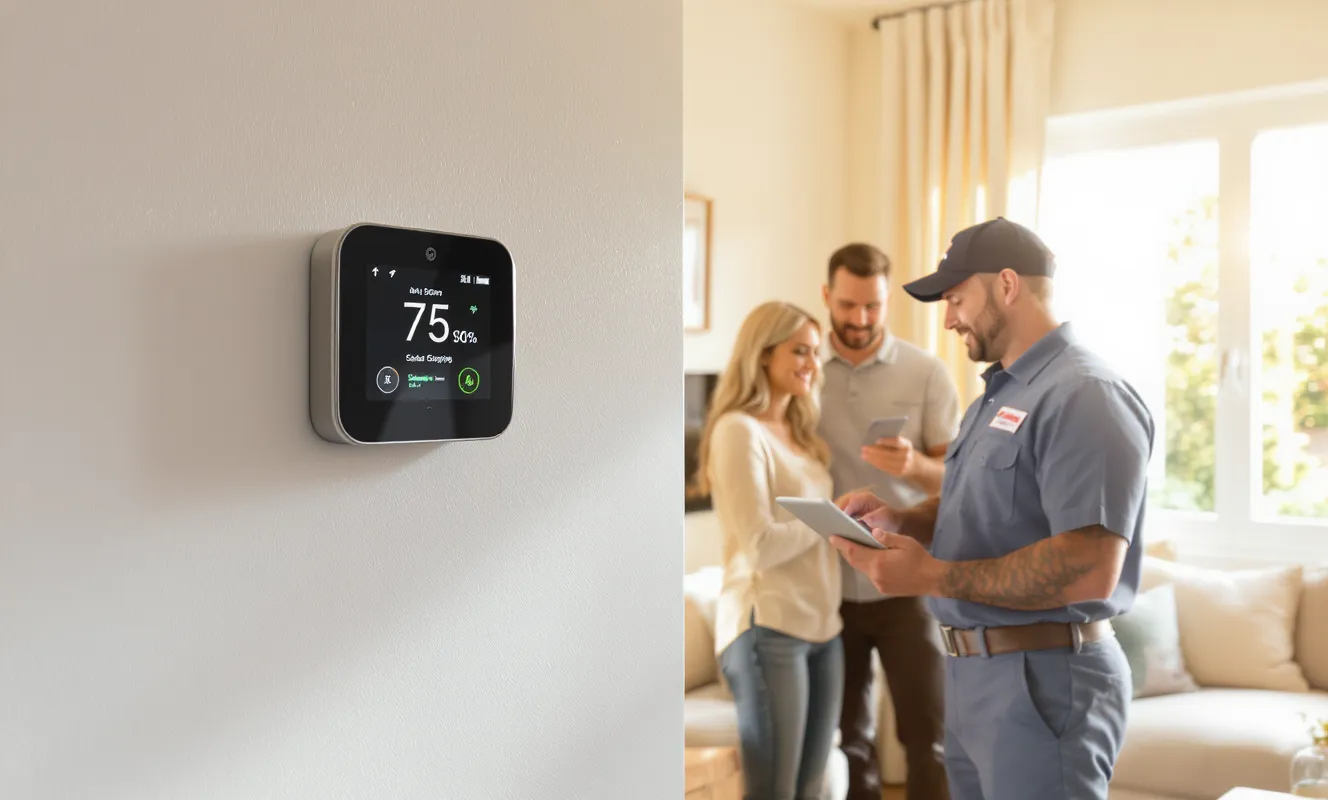
Thermostats and control systems influence when equipment operates and how indoor temperature settings are maintained. A system may appear to have a major mechanical problem when the actual issue is related to an inaccurate thermostat, incorrect programming, poor placement, or a communication problem between the control and the equipment. During routine service, thermostat operation can be evaluated to ensure that the control is responding appropriately and communicating with the HVAC system. Property owners should also review programmed schedules periodically because changing occupancy patterns may make older settings unsuitable. Modern controls may provide scheduling, remote access, monitoring, and system alerts, but these features are most useful when the thermostat is correctly configured and compatible with the equipment. Proper control settings can also help reduce unnecessary operating cycles and maintain more predictable indoor conditions. If a property experiences unexplained temperature fluctuations, technicians can evaluate both the equipment and the control system instead of assuming that the problem originates from the heating or cooling components. Addressing control-related concerns can improve system responsiveness and help occupants maintain a more comfortable environment.
Recognizing Early Performance Changes
HVAC problems frequently provide warning signs before equipment stops operating completely. Property owners may notice that a system takes longer to reach the desired temperature, runs continuously, cycles more often than usual, or produces unusual sounds during operation. Other warning signs can include weak airflow, unexpected odors, visible moisture, inconsistent temperatures, or noticeable increases in energy consumption. These symptoms do not always indicate the same underlying problem, which is why professional diagnosis can be valuable. A rattling sound could involve a loose component, while buzzing may be associated with an electrical issue, and grinding may suggest mechanical wear. Similarly, poor cooling can result from airflow restrictions, equipment condition, controls, or other factors. Treating every symptom as if it has one universal cause can lead to unnecessary repairs or incomplete solutions. Paying attention to changes from normal operation gives property owners useful information to share with technicians. Early evaluation may allow developing problems to be corrected before they cause a complete system shutdown. This can be particularly important when equipment is heavily relied upon because unexpected failure can create significant discomfort and disruption.
The Importance of Routine Professional Service
Regular professional service provides an opportunity to inspect equipment under normal conditions and identify issues before they become urgent. Maintenance can include examining filters, airflow, electrical connections, moving components, controls, drainage, coils, and other equipment-specific areas. The exact procedures depend on the system design, age, operating environment, and manufacturer’s recommendations. A professional inspection can also reveal gradual wear that may not be obvious to property owners during everyday use. For example, a component may still be functioning but show signs that it is approaching the end of its useful service life. Identifying such conditions can help owners plan future work rather than waiting for an unexpected breakdown. Maintenance can also provide a baseline for understanding how equipment is performing over time. Comparing observations from one service visit with previous records may reveal changes in efficiency, operating behavior, or component condition. Regular attention cannot guarantee that equipment will never fail, but it can provide valuable information and support more predictable system management.
Managing Seasonal Equipment Demands
Heating and cooling equipment can experience significant changes in workload as outdoor conditions change. A system may operate for relatively limited periods during moderate weather and then face extended operating cycles when temperatures become more extreme. Preparing equipment before periods of heavy demand can help identify concerns while there is still time to address them. Seasonal preparation may involve checking filters, evaluating airflow, inspecting controls, reviewing electrical components, examining outdoor equipment, and confirming that drainage pathways are functioning appropriately. Different systems require different procedures, so maintenance should be based on the equipment’s design and service requirements. Property owners can also help by keeping outdoor equipment areas clear of debris and avoiding obstructions that could interfere with airflow. Seasonal readiness is particularly valuable because a minor issue that seems manageable during moderate weather may become much more disruptive when equipment must operate continuously. Addressing known concerns before heavy seasonal use can support greater reliability and give property owners more confidence that their system is prepared for changing demands.
Improving Indoor Air Conditions
Temperature is only one part of indoor comfort. Air movement, humidity, filtration, ventilation, and general indoor air conditions can also affect how occupants experience a building. A system that maintains the thermostat setting but provides poor airflow or inconsistent circulation may still leave certain areas uncomfortable. Likewise, moisture problems can influence indoor conditions and may require attention if they persist. Filters are an important part of the system because they help capture airborne particles, but filter selection and replacement should be appropriate for the equipment and building requirements. Excessively restrictive filtration can sometimes affect airflow if the system is not designed to accommodate it. Professional evaluation can help property owners understand whether airflow, filtration, humidity, or other factors are contributing to indoor comfort concerns. Maintaining clean components and appropriate airflow pathways can support more consistent system performance. When multiple aspects of the indoor environment are considered together, property owners can develop a more complete approach to comfort rather than relying exclusively on thermostat adjustments.
Addressing Efficiency and Operating Costs
Energy efficiency depends on both equipment characteristics and operating conditions. Even efficient equipment can consume more energy than expected if airflow is restricted, components are dirty, controls are improperly configured, or the system is required to compensate for building-related problems. Long operating cycles may indicate that the system is facing higher demand than expected, while frequent cycling may indicate a different type of performance concern. Regular maintenance provides an opportunity to evaluate conditions that can influence operating efficiency. Property owners can also support efficient operation by maintaining reasonable thermostat settings, keeping filters in appropriate condition, and ensuring that vents and returns are not unnecessarily blocked. Building improvements such as better insulation, appropriate sealing, or improved windows can also influence the amount of work required from HVAC equipment. Efficiency should therefore be considered as a combination of equipment performance and the conditions in which that equipment operates. Taking a complete approach can help property owners understand why energy use changes and identify areas where improvements may provide meaningful long-term benefits.
Planning Repairs Before Major Failures
When a system develops a problem, timely professional attention can sometimes prevent the issue from becoming more extensive. A small electrical or mechanical concern may place additional stress on other components if the equipment continues operating without correction. Property owners should therefore take repeated symptoms seriously, particularly when the system begins behaving differently from its normal pattern. Professional technicians can evaluate the equipment and determine whether a repair is necessary, whether a component should be monitored, or whether broader service is appropriate. Planning repairs can also be more convenient than waiting for an emergency because property owners may have greater flexibility in scheduling and budgeting. Service records can provide additional value by showing which components have previously required attention and whether similar problems have occurred repeatedly. If an older system requires frequent repairs, the accumulated history can help property owners evaluate whether continued repairs remain practical compared with future replacement planning. This does not mean every older system needs immediate replacement; rather, accurate information allows decisions to be based on the condition and operating history of the equipment.
Considering Long-Term Equipment Performance
Long-term system performance depends on the relationship between installation quality, equipment selection, maintenance, building conditions, and daily operation. A well-designed system can still experience problems if maintenance is neglected, while even older equipment may continue providing useful service when it is properly cared for and operating within suitable conditions. Property owners should keep important equipment information, including model details, installation dates, maintenance reports, repair records, and warranty documentation. These records can help technicians understand the system’s history and can make future service more efficient. Long-term planning may also involve considering future renovations or changes in building use that could affect heating and cooling requirements. If a property is expanded, renovated, or significantly improved, the existing HVAC system may need to be reevaluated to determine whether it remains appropriate for the updated conditions. Taking a long-term view helps property owners avoid treating every service need as an isolated event and instead creates a more organized approach to equipment management.
Balancing Comfort, Reliability, and Maintenance
The goal of an effective HVAC strategy is not simply to make equipment operate when the thermostat calls for it. The broader objective is to create dependable indoor conditions while supporting efficient operation and manageable maintenance requirements. This requires attention to equipment capacity, airflow, controls, cleanliness, electrical condition, drainage, and the building environment. Professional heating and cooling services can help property owners evaluate these interconnected factors and respond appropriately when performance changes. Regular service provides an opportunity to identify developing concerns, while prompt repairs can address problems before they create greater disruption. Property owners can contribute by observing system behavior, maintaining accessible equipment areas, replacing filters appropriately, and keeping service records organized. A coordinated approach can make it easier to identify whether a problem is related to equipment, airflow, controls, or building conditions. By considering the complete system rather than focusing only on individual symptoms, property owners can establish a practical strategy for maintaining comfort and managing equipment throughout its service life.
Conclusion
Reliable indoor comfort requires more than simply installing a heating and cooling system and expecting it to operate indefinitely without attention. Equipment performance is influenced by proper sizing, installation quality, airflow, controls, cleanliness, maintenance, building conditions, and the way the system is operated. Recognizing early warning signs and arranging professional evaluation when unusual behavior appears can help property owners address concerns before they become more disruptive. Routine maintenance can provide valuable insight into component condition, while accurate service records can support better decisions about repairs and future equipment planning. Property owners can also improve system reliability by keeping filters and airflow pathways in suitable condition, monitoring temperature consistency, maintaining clear areas around equipment, and preparing systems for periods of increased seasonal demand. A complete approach to HVAC care supports more predictable operation and can help maintain a comfortable indoor environment over the long term. When maintenance, timely service, and thoughtful planning are treated as connected parts of property care, heating and cooling equipment can remain a dependable part of the building’s overall comfort strategy.
Author

Spero.outreach.team@gmail.com
Related Posts

Building a More Flexible Material Handling Strategy With Reliable Equipment Access
- 0
- 2,306 words
Material handling plays an important role in warehouses, distribution centers, manufacturing facilities, construction operations, logistics environments, and many other workplaces where products...
Read out all
Protecting Drainage Performance Through Smarter Sewer System Care
- 0
- 2,209 words
A property’s plumbing system performs many essential functions every day, but some of its most important components remain hidden beneath floors, foundations,...
Read out all
Packing Light Without Leaving Behind the Things That Matter
- 0
- 953 words
Most packing disasters do not happen because a traveller forgot an umbrella. They happen because panic took over forty-eight hours before departure,...
Read out all
Extroly.com: A Complete Guide to Its Features, Benefits, and Online Potential
- 0
- 2,363 words
Introduction to Extroly.com The internet continues to introduce new websites and digital platforms that aim to make online activities easier, faster, and...
Read out all
How to Plan the Right Fence for a Hanahan, South Carolina Property
- 0
- 980 words
A well-designed fence can change the way a property looks, functions, and feels. In Hanahan, South Carolina, homeowners may want more privacy...
Read out all
What to Do With Your 401(k) After Leaving a Job
- 0
- 946 words
Changing jobs is a major financial transition. It is easy to overlook a retirement account from a former employer. Yet the decisions...
Read out all