
- 0
- 1,379 word
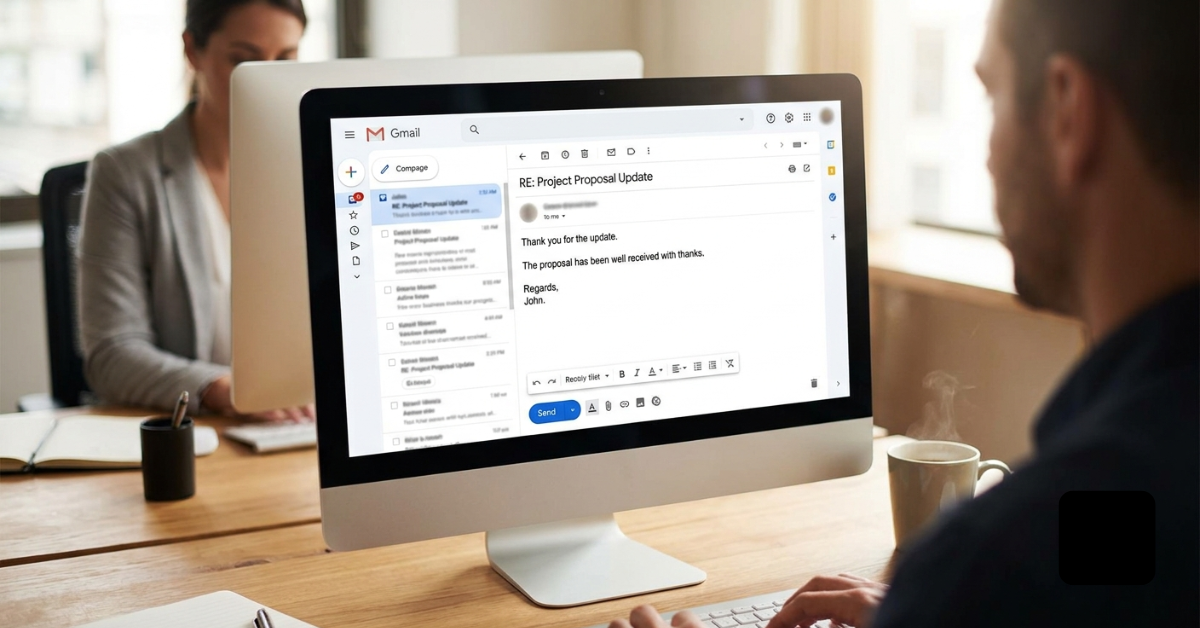
Have you ever received an email ending with “well received with thanks” and wondered whether it’s correct English or simply a formal business phrase? You’re not alone. This expression appears daily in professional emails, especially in international workplaces, yet many people remain unsure about its meaning and proper usage.
If you’ve searched for well received with thanks or well received with thanks meaning, this guide explains everything you need to know. You’ll learn what the phrase means, whether it’s grammatically correct, when to use it, better alternatives, common mistakes, and real-world examples that help you communicate more naturally and professionally.
What Does “Well Received With Thanks” Mean?
The phrase well received with thanks simply means:
“I have successfully received your message, document, or item, and I appreciate it.”
It serves two purposes at once:
- It confirms receipt.
- It expresses gratitude.
In professional communication, the phrase reassures the sender that their email, attachment, payment, report, or request has safely reached the recipient.
Simple Meaning
If someone writes:
“Well received with thanks.”
They are essentially saying:
- I received it.
- Thank you.
Although the meaning is straightforward, native English speakers often prefer more natural alternatives.
Is “Well Received With Thanks” Grammatically Correct?
Yes—but with an important explanation.
The phrase is understandable and grammatically acceptable. However, it is considered somewhat formal, abbreviated, and slightly unnatural in modern conversational English.
Many business professionals, especially in Asia, Africa, and the Middle East, frequently use it in emails. Native English speakers in countries like the United States, Canada, the United Kingdom, and Australia usually choose smoother expressions instead.
For example:
Less natural:
Well received with thanks.
More natural:
Thank you. I’ve received your email.
or
Thank you. I’ve received the document.
Both communicate the same message while sounding warmer and more conversational.
Why Is the Phrase So Common?
This expression has become popular in international business communication because it is:
- Short
- Polite
- Professional
- Easy to understand
- Suitable for confirming receipt quickly
Many multinational companies, government offices, universities, banks, and corporate teams use similar acknowledgments every day.
When Should You Use “Well Received With Thanks”?
The phrase works best when acknowledging receipt of something important.
Examples include:
- Business emails
- Client documents
- Project files
- Contracts
- Reports
- Purchase orders
- Payments
- Meeting agendas
- Applications
- Official requests
For example:
Well received with thanks. I’ll review the document today.
This confirms receipt while informing the sender of the next step.
Situations Where It Works Best
Confirming an Email
Example:
Well received with thanks. I’ll respond shortly.
Acknowledging Documents
Example:
Well received with thanks. I’ve received all the required documents.
Confirming Payment
Example:
Your payment has been well received with thanks.
Receiving Project Files
Example:
Well received with thanks. I’ll begin reviewing the design files immediately.
Situations Where You Should Avoid It
Although acceptable, there are situations where the phrase may sound overly formal.
Avoid using it when:
- Chatting with friends
- Sending casual messages
- Writing personal emails
- Speaking naturally
- Communicating with native English speakers who prefer conversational language
Instead, write:
- Thanks, I got it.
- Received, thank you.
- Thanks for sending this.
- I’ve received your email.
- Everything came through perfectly.
Better Alternatives to “Well Received With Thanks”
Modern business communication often favors clearer, friendlier wording.
Professional Alternatives
- Thank you. I’ve received your email.
- Thank you for sending this.
- I’ve received the documents successfully.
- Your email has been received.
- Thanks for the update.
- Thanks, everything has been received.
- I’ve received the attachment.
- Thank you. I’ll review it shortly.
- Received with thanks.
- Thank you for sharing.
These alternatives sound more natural while remaining professional.
Email Examples
Example 1: Receiving Documents
Subject: Document Confirmation
Hello Sarah,
Thank you for sending the requested documents.
I’ve received everything successfully and will review the files this afternoon.
Best regards,
Michael
Example 2: Confirming Payment
Dear Client,
Thank you for your payment.
We’ve received it successfully and your order is now being processed.
Kind regards,
Accounts Team
Example 3: Acknowledging a Report
Hi David,
Thank you for sending the monthly report.
I’ve received it and will provide feedback after reviewing it.
Regards,
Emma
Is “Received With Thanks” Better?
In many situations, yes.
Compare the two expressions:
| Phrase | Naturalness | Professionalism |
| Well received with thanks | Good | Very formal |
| Received with thanks | Better | Professional |
| Thank you, I’ve received it | Excellent | Professional |
| Thanks, I got it | Excellent | Casual |
The last two options sound much more natural in modern English.
Common Mistakes to Avoid
Many learners accidentally misuse the phrase.
1. Using It in Every Email
Repeating the same expression can make your communication sound robotic.
Instead, vary your acknowledgments.
2. Forgetting the Next Step
Instead of ending with:
Well received with thanks.
Write:
Thank you. I’ve received your proposal and will review it tomorrow.
This provides useful information.
3. Using It in Casual Conversations
Avoid saying:
Well received with thanks.
to friends or family.
Instead:
Thanks! Got it.
4. Making It the Entire Reply
A one-line acknowledgment is sometimes appropriate, but adding context often improves communication.
Example:
Thank you. I’ve received your presentation and will discuss it during tomorrow’s meeting.
Why Clear Acknowledgments Matter
Prompt acknowledgments improve communication by:
- Reducing confusion
- Confirming successful delivery
- Building trust
- Showing professionalism
- Preventing unnecessary follow-up emails
- Demonstrating respect for the sender’s effort
Even a brief confirmation can make workplace communication much smoother.
Tips for Writing Better Confirmation Emails
Follow these best practices:
- Thank the sender.
- Confirm what you received.
- Mention your next action.
- Keep the message concise.
- Match the tone to your audience.
- Use plain, natural English whenever possible.
Example:
Thank you for sending the updated proposal. I’ve received it and will review everything before Friday.
Common Business Email Phrases Similar to This
If you frequently write professional emails, these expressions are useful:
- Thank you for your prompt response.
- I appreciate your email.
- The documents have been received.
- Thanks for your assistance.
- I’ve successfully received the files.
- Thank you for the update.
- I’ll review the information shortly.
- Everything has been received successfully.
- Thanks for sending this over.
- Your message has been noted.
Using different phrases keeps your communication fresh and professional.
Key Takeaways
- Well received with thanks means you have received something and appreciate it.
- The well received with thanks meaning is simple: acknowledgment plus gratitude.
- The phrase is grammatically acceptable but sounds quite formal.
- Native English speakers often use more conversational alternatives.
- Adding your next step makes acknowledgment emails more helpful.
- Choose wording that matches your audience and communication style.
Frequently Asked Questions
What is the well received with thanks meaning?
It means the recipient has successfully received the email, document, or item and is expressing appreciation. It combines confirmation with gratitude in one short phrase.
Is “well received with thanks” correct English?
Yes. It is grammatically acceptable and widely understood, especially in international business communication. However, more natural alternatives are often preferred by native English speakers.
Can I use “well received with thanks” in professional emails?
Absolutely. It is suitable for formal business communication, particularly when acknowledging documents, reports, invoices, or important emails.
What is a better alternative to “well received with thanks”?
Natural alternatives include “Thank you, I’ve received your email,” “I’ve received the documents,” or “Thanks for sending this.” These sound friendlier while remaining professional.
Is “received with thanks” better than “well received with thanks”?
In many situations, yes. “Received with thanks” is shorter, cleaner, and commonly used in professional correspondence while conveying the same meaning.
Should I use this phrase in casual conversations?
Generally, no. In informal settings, simpler expressions such as “Thanks, I got it” or “Received, thanks” sound more natural and conversational.
Conclusion
Understanding well received with thanks can improve the way you communicate in professional settings. While the phrase remains widely accepted in global business correspondence, modern English often favors warmer, more natural alternatives like “Thank you, I’ve received your email” or “Thanks for sending this.”
The key is not just confirming receipt but also maintaining clarity, professionalism, and courtesy. By choosing the right acknowledgment for your audience and adding a brief note about your next step, you can create emails that are efficient, polished, and easy to understand. Apply these tips in your daily communication to leave a stronger professional impression and build better workplace relationships.
Author

linguaezone.com@gmail.com
Related Posts

Kill Two Birds With One Stone Alternative: 50 Better Options
- 0
- 1,569 word
Have you ever paused before saying “kill two birds with one stone” because it sounded too violent or simply didn’t fit the...
Read out all
Happy Sabbath Meaning: A Complete Guide to Its Significance
- 0
- 1,632 word
Have you ever received the message “Happy Sabbath” and wondered what it truly means? Is it simply another way of saying “have...
Read out all
I’m So Proud of You in Other Words: 120+ Heartfelt Alternatives
- 0
- 1,562 word
Have you ever wanted to tell someone you’re proud of them but felt like saying “I’m so proud of you” sounded repetitive?...
Read out all
How Do You Spell Happy Anniversary? Correct Spelling Guide
- 0
- 1,221 word
Have you ever paused before writing an anniversary card and wondered, “How do you spell happy anniversary?” You’re not alone. Whether you’re...
Read out all
Waiting for Your Response Email: Best Examples & Tips
- 0
- 1,483 word
Have you ever sent an important email and found yourself wondering whether you should follow up or simply wait? Whether you’re communicating...
Read out all
Great Asset to the Team: Meaning, Examples & Tips
- 0
- 1,494 word
Have you ever wanted to compliment a coworker but struggled to find words that sound professional and sincere? One of the most...
Read out all