
- 0
- 923 words
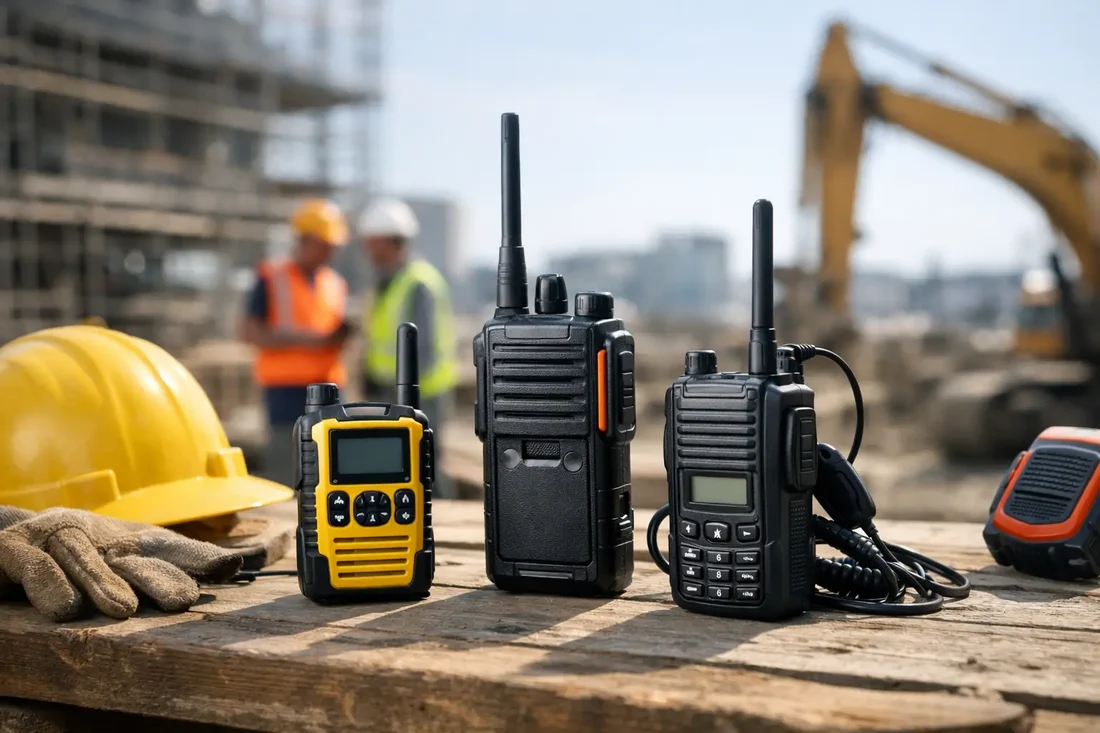
Reliable communication can make daily operations safer, faster, and more coordinated. Construction crews, security teams, hotels, factories, transportation companies, event organizers, boat operators, and emergency-response groups all need a dependable way to exchange information when mobile coverage is weak or when a quick push-to-talk message is more practical than a phone call.
The right radio depends on the environment, distance, number of users, licensing requirements, and type of work. Businesses comparing professional equipment in Mexico can explore RadioRed’s communication radio solutions, which include portable, mobile, marine, aerial, intrinsically safe, PoC, and base-station equipment, along with repeaters, antennas, batteries, chargers, and other accessories.
Begin with the operating environment
A radio used inside a hotel does not face the same conditions as one used at a construction site, on a boat, or in an industrial facility. Start by identifying where communication will take place and what obstacles may affect the signal. Concrete walls, metal structures, hills, underground areas, and urban congestion can all change real-world performance.
Portable radios are useful when employees move between rooms, vehicles, floors, or job areas. Their compact design allows workers to carry communication with them, but battery life, durability, audio quality, and ease of use should be considered before purchase. A radio that is technically powerful but uncomfortable to carry may not be used consistently.
Mobile radios are installed in vehicles or fixed positions and can be appropriate for transportation, security patrols, delivery fleets, and field-service teams. A proper installation should account for the vehicle, antenna, power supply, and local operating requirements.
Choose VHF or UHF for the actual setting
VHF and UHF radios can both be valuable, but neither band is automatically best for every user. The building materials, terrain, antenna setup, and distance between users are often more important than a simple comparison of labels.
UHF equipment is commonly considered for indoor environments because it can work well around buildings and floors when properly configured. VHF may be suitable for certain outdoor or open-area operations. The best decision should be based on a site assessment and the frequencies permitted for the intended use.
Before buying, ask a qualified supplier whether the proposed radio is compatible with the existing fleet. Mixing equipment may require programming, licensing, accessories, or system changes. Confirm these details before ordering a large quantity.
Consider digital, analog, and PoC options
Analog radios remain practical for many organizations that need straightforward push-to-talk communication. They can be easy for teams to understand and may be a cost-effective choice for a defined work area.
Digital radios can offer features such as improved audio management, channel organization, data functions, or system capabilities depending on the model and configuration. Some products support both analog and digital operation, which may help a company transition gradually while keeping older compatible equipment in service.
Push-to-talk over cellular, often called PoC, uses mobile data networks rather than traditional two-way radio frequencies. PoC devices can be useful for distributed teams that need communication across cities or regions, provided there is adequate network coverage and an appropriate service plan. They should not be treated as identical to conventional radio systems because their performance depends on cellular connectivity and platform availability.
Use specialized radios where necessary
Marine radios are designed for communication on or near the water and may include features suited to boating conditions. Users should confirm the equipment’s waterproofing, controls, power arrangement, antenna requirements, and applicable maritime rules before installation or operation.
Aerial radios serve aviation-related communication needs and must be selected according to the aircraft, operating environment, approved frequencies, and applicable aviation requirements. Aviation communication should never be improvised with equipment that is not appropriate for the intended service.
Intrinsically safe radios are intended for locations where flammable gases, vapors, dust, or other hazards may be present. Certification is critical. A standard radio should not be substituted for equipment approved for the specific hazardous environment. Safety managers should verify the certification, zone or division requirements, battery compatibility, and maintenance procedures before deployment.
Plan for coverage with repeaters and antennas
A radio’s advertised power does not guarantee coverage throughout a property or region. If users operate across a large campus, mountainous area, warehouse complex, or urban district, a repeater may extend communication by receiving and retransmitting signals from a suitable location.
Repeater systems require careful planning. The installation may involve frequency coordination, antennas, cables, power protection, mounting, programming, and ongoing maintenance.
Antennas also deserve attention. The correct antenna and installation height can affect performance significantly. Avoid treating an antenna as a minor accessory when it is part of the communication system’s overall design.
Train users and maintain the fleet
Even a high-quality radio system can fail operationally if users do not know the channels, call signs, emergency procedure, and rules for brief messages. Provide simple training before deployment. Explain how to check battery condition, lock controls, select channels, report faults, and protect the radio from avoidable damage.
Create a maintenance schedule that includes cleaning, battery inspection, accessory checks, programming review, and functional testing. Keep a record of each unit, its assigned user, serial number, battery, and repair history. This makes it easier to identify missing equipment and replace aging components.
Finally, confirm Mexican regulatory requirements and obtain professional guidance for frequency use, licensing, marine or aviation applications, and hazardous locations. A communication system should be selected for the real environment, configured correctly, and operated responsibly. With a careful needs assessment and suitable support, Mexican businesses can build a radio fleet that improves coordination without paying for features they do not need.
Author

linguaezone.com@gmail.com
Related Posts

How to Stock a Small Office for the Year: A Practical Supplies Plan
- 0
- 1,439 word
Office supplies rarely make a small business’s list of big decisions, and that is exactly the problem. They get bought in a...
Read out all
Fallston AC Repair: Practical Diagnostics, Humidity Challenges, and Repair-or-Replace Choices
- 0
- 1,221 word
When a cooling system falters on a hot day, the problem feels urgent. Yet a calm, step-by-step approach saves time and prevents...
Read out all
Household Water Pressure Problems: How to Diagnose PRV and Expansion Tank Issues at Home
- 0
- 978 words
Surging showers one minute and a trickle the next can make a normal day feel complicated. Most whole‑home pressure issues trace back...
Read out all
Household Water Pressure: Diagnose Risk and Prevent Damage Before Leaks Start
- 0
- 1,026 word
Water pressure that looks fine at the faucet can still be hard on your plumbing. Excess pressure and sudden stops in flow...
Read out all
Heating System Installation in Sedalia: How Climate, Ducts, and Fuel Choices Shape Comfort
- 0
- 1,144 word
Installing a new heating system is more than picking a furnace out of a catalog. In Sedalia, winter lows, humid shoulder seasons,...
Read out all
Room-by-Room Prep That Makes Professional House Cleaning More Effective
- 0
- 1,274 word
Professional cleaners can work faster and reach more detail when a home is prepared for the tasks ahead. The goal is not...
Read out all