

- 0
- 1,258 word
When the Oklahoma heat hits, an air conditioner that starts blowing warm air or short-cycling can turn a normal afternoon into a race against rising indoor temperatures. While many failures need a licensed HVAC technician, a quick, orderly triage can keep you comfortable longer, protect your equipment from damage, and help you describe the issue clearly when you book service. This step-by-step approach focuses on symptoms you can observe, the components those symptoms point to, and the choices that follow. It is specific to split-system central ACs common in Haskell homes, covering airflow restrictions, power and control faults, and refrigerant-side issues such as icing and leaks.
- Warm Air, No Air, or Short Cycling: Read the Symptom, Not the Guess
Start with what you feel and hear. Warm air from the supply registers with the outdoor unit running often points to a refrigerant-side or condenser issue. Weak airflow inside could indicate a clogged filter, a frozen evaporator coil, or a blower motor problem. If the outdoor unit hums but its fan does not spin, suspect a failed run capacitor or a stuck condenser fan motor. Rapid on-off cycling can be caused by a miswired or miscalibrated thermostat, a high-pressure safety opening due to a dirty condenser coil, or a low-pressure cutout triggered by low refrigerant charge.
Document the pattern before you touch anything: How long does the system run before it stops? Do you see ice on the suction line insulation near the air handler? Is the condensate drain pan full and tripping a float switch? A few photos help, and so does noting the thermostat setpoint and room temperature at each stop-start. Use those observations to decide whether to shut the system down to prevent damage or proceed with safe checks. If you need professional diagnosis and repair, schedule help for Fast, reliable HVAC repair in Haskell, OK when DIY checks stall out, or safety is in question.
- Airflow First: Filters, Coils, and Static Pressure
Airflow problems create a chain reaction. A severely clogged return filter raises system static pressure, starving the evaporator coil of air and allowing it to drop below freezing. Ice begins to form on the coil and suction line, further restricting airflow until cooling collapses entirely. If you see frost or ice, turn cooling off, switch the fan to On to accelerate thawing, and replace a visibly dirty filter. Do not chip ice from the coil. After thawing, look for water around the air handler or in the secondary pan, since a sudden melt can overwhelm the condensate drain.
If airflow is still weak with a clean filter, the indoor coil may be matted with dust, the blower wheel could be packed with lint, or duct restrictions may be present. Leaky return ducts in a hot attic can also pull in unconditioned air, warming supply temperatures while the system labors. These issues change the pressure balance across the coil and reduce heat transfer. Technicians verify this with static pressure measurements and visual inspections, but as a homeowner,r you can at least confirm filter fit, ensure supply registers and returns are open, and check that furniture is not blocking them.
- Power and Controls: Capacitors, Contactors, and Thermostats
A dead outdoor unit with a humming sound but no fan movement often points to a failed run capacitor. Do not reach through the grille to push the blade with a stick. Capacitors store energy even when power is off, and the compressor depends on correct microfarad ratings to start reliably. Likewise, a pitted or stuck contactor can prevent the compressor and fan from engaging. Resetting a tripped breaker may briefly restore service, but frequent trips hint at deeper faults such as a shorted motor winding or a condenser coil so dirty that head pressure spikes under load.
Inside, thermostat misplacement or wiring errors can mimic equipment failure. A thermostat mounted on an exterior wall or in direct sun will call for cooling erratically, causing short cycles that never let the evaporator stabilize. If your system shuts down and you find a full condensate pan, a float switch is likely doing its job by interrupting cooling to prevent overflow. Empty the pan if you can do so safely and consider that a sign the drain needs cleaning. For many Haskell homes, local providers such as Quality Heating, Cooling, Plumbing & Electric see these control and drain patterns spike on the first major heat wave each summer.
- Refrigerant Side: Icing, Leaks, and the Recharge Dilemma
Thin frost on the suction line or a coil that ices over after 20 to 60 minutes of run time often indicates low refrigerant or airflow restriction. Once you have dealt with filters and airflow, persistent icing merits a professional check of superheat and subcooling, which tell a technician whether charge, metering device behavior, or coil condition is off. If a leak is confirmed, the decision is not as simple as topping off. Adding refrigerant without locating and fixing the leak can wash compressor oil out of the system and lead to early compressor failure.
There is a trade-off here. Leak search and repair take time, especially when evaporator coils are involved, and costs rise if components like the TXV or coil must be replaced. On older systems that use R-22, part availability and refrigerant cost shift the math toward replacement. Newer equipment uses R-410A and, increasingly, refrigerants aligned with updated standards, and repairing them can be more practical. A technician will weigh the size and location of the leak, system age, and seasonal demand before recommending a path.
Repair or Replace: Age, SEER2, and Haskell’s Summer Load
Not every failure is a reason to replace an AC, but some are inflection points. A single failed capacitor or contactor is a straightforward repair. A seized compressor, repeated coil leaks, or an air handler with a failing ECM blower on a system already past its expected life starts to tip the balance. In Haskell’ss climate, cooling hours are significant enough that the efficiency jump from an older unit to a modern SEER2-rated system can matter in long-term operating costs.
Think in stages. If the repair restores stable performance and your ducts are in good shape, keeping the system through the cooling season can make sense. If repair estimates climb and your equipment is mismatched or oversized, you may be paying for cooling that does not properly dehumidify. Oversized systems hit setpoint quickly, then shut off before removing moisture. The result is a cool but clammy home. When planning replacement, ask about load calculations, compatible thermostat controls, and whether your existing refrigerant lines and electrical whip meet current code and manufacturer requirements.
Two quick scenarios tie this together. First, the outdoor fan is not spinning, but you hear a hum and the house is warming fast. Shut off power at the disconnect to protect the compressor, do not attempt a stick start, and note whether the breaker tripped. This points to a capacitor or fan motor. Second, you find ice on the suction line and water in the secondary drain pan. Turn cooling off, set the fan to On, replace the filter, and let the coil thaw fully before restarting. If icing returns, you are past DIY territory and need gauges and a trained eye. After service, keep filters changed every 1 to 3 months, hose off the condenser coil from the inside out with the power off, and have the condensate drain flushed at the start of the season. A small bit of upkeep reduces the chance that a minor restriction becomes a midsummer breakdown.
Author

linguaezone.com@gmail.com
Related Posts
Fallston AC Repair: Practical Diagnostics, Humidity Challenges, and Repair-or-Replace Choices
- 0
- 1,221 word
When a cooling system falters on a hot day, the problem feels urgent. Yet a calm, step-by-step approach saves time and prevents...
Read out all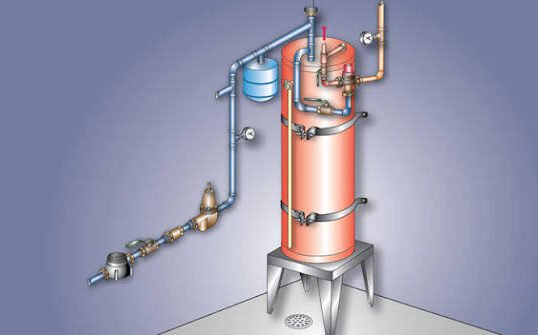
Household Water Pressure Problems: How to Diagnose PRV and Expansion Tank Issues at Home
- 0
- 978 words
Surging showers one minute and a trickle the next can make a normal day feel complicated. Most whole‑home pressure issues trace back...
Read out all
Household Water Pressure: Diagnose Risk and Prevent Damage Before Leaks Start
- 0
- 1,026 word
Water pressure that looks fine at the faucet can still be hard on your plumbing. Excess pressure and sudden stops in flow...
Read out all
Heating System Installation in Sedalia: How Climate, Ducts, and Fuel Choices Shape Comfort
- 0
- 1,144 word
Installing a new heating system is more than picking a furnace out of a catalog. In Sedalia, winter lows, humid shoulder seasons,...
Read out all
Room-by-Room Prep That Makes Professional House Cleaning More Effective
- 0
- 1,274 word
Professional cleaners can work faster and reach more detail when a home is prepared for the tasks ahead. The goal is not...
Read out all
Minimizing Downtime in Commercial Moves: A Practical Playbook for Operations Managers
- 0
- 1,386 word
Every hour your team spends off the clock during an office, clinic, or retail relocation is an hour of lost service. Commercial...
Read out all