
- 0
- 3,121 words
Siding is an essential component of a home’s exterior because it helps protect the building from moisture, wind, temperature changes, and other environmental factors while contributing to its overall appearance. A well-maintained exterior can improve curb appeal, support energy efficiency, and protect the underlying structure from damage caused by prolonged exposure to the elements. Over time, however, siding materials may develop cracks, loosen, fade, or deteriorate because of weather exposure, accidental impacts, and natural aging. Professional siding services help homeowners maintain an attractive and dependable exterior by identifying damaged materials, recommending suitable improvements, and ensuring that new siding is installed correctly. Choosing quality materials and experienced professionals can make a significant difference in the durability, functionality, and appearance of a property, allowing homeowners to enjoy long-term protection while maintaining the value of their investment.
Understanding the Importance of Exterior Siding
Exterior siding serves several important purposes beyond making a house look attractive. It provides an additional protective layer over the building envelope, helping shield the underlying walls from rain, wind, debris, and everyday environmental exposure. Although siding is not intended to replace the home’s weather-resistant barrier or proper flashing system, it contributes to an effective exterior assembly when installed and maintained correctly. Damaged or improperly installed siding can allow moisture to reach vulnerable areas, potentially contributing to wood deterioration, insulation problems, and interior damage. Professional siding installation and maintenance help ensure that exterior materials work together with flashing, drainage systems, and protective barriers to support the home’s long-term performance. Homeowners who understand these functions can make better decisions about inspections, repairs, and material upgrades.Another important benefit of quality siding is its ability to improve the overall appearance of a property. Faded panels, peeling finishes, visible cracks, and mismatched repairs can make an otherwise well-maintained home look older than it actually is. Replacing worn materials or updating the exterior design can create a cleaner, more consistent appearance that complements windows, doors, roofing, and other architectural features. Modern siding products are available in a wide range of colors, textures, profiles, and finishes, giving homeowners flexibility when planning an exterior renovation. Professional siding contractors can explain the differences between available products and help property owners select materials that suit their maintenance preferences, design goals, and budget. By combining attractive finishes with proper installation, homeowners can improve curb appeal without overlooking the practical requirements of exterior protection.
Recognizing Signs That Siding Needs Attention
Siding can gradually deteriorate as it experiences repeated exposure to sunlight, wind, rain, temperature fluctuations, and physical impacts. Common warning signs include cracked panels, warped boards, loose sections, fading, peeling paint, and gaps around windows or doors. These problems may initially appear cosmetic, but they can sometimes indicate that moisture has entered the exterior assembly or that the installation has become less secure. Homeowners should arrange an inspection when they notice visible changes because identifying the underlying cause is essential for choosing an effective solution. Depending on the material and severity of the damage, professional siding repair may involve replacing individual panels, securing loose sections, correcting damaged trim, or addressing the protective layers beneath the exterior surface. Timely attention can prevent localized defects from becoming more extensive problems that affect larger portions of the home.Interior symptoms can also provide clues that the exterior siding requires inspection. Peeling paint inside the house, unexplained wall stains, damp areas near windows, persistent musty odors, and deterioration around exterior wall openings may indicate that water is entering through damaged siding or poorly sealed transitions. However, these symptoms can have several possible causes, including plumbing leaks, roof problems, or condensation, so homeowners should avoid assuming that siding is responsible without a proper assessment. A qualified contractor can examine the exterior walls, window and door flashing, visible joints, and other vulnerable areas to identify possible sources of moisture intrusion. Addressing the actual cause is important because covering a damaged area without correcting the underlying problem may allow moisture to remain trapped inside the wall assembly. A thorough inspection helps establish whether targeted repairs or more extensive siding replacement would provide the most appropriate solution.
Exploring Different Types of Siding Materials
Choosing the right siding material requires consideration of durability, maintenance, appearance, installation requirements, and long-term cost. Vinyl siding is a popular option because it is available in numerous colors and styles and generally requires relatively little routine maintenance. It does not need regular painting, although it should be cleaned periodically to remove dirt and environmental buildup. Vinyl panels can crack under certain impacts or become damaged when installed incorrectly, so product quality and proper installation remain important. Fiber cement siding offers a different combination of benefits, including a solid appearance, resistance to many common exterior hazards, and the ability to replicate traditional wood textures. Wood siding provides a natural appearance that appeals to homeowners who prefer a classic architectural style, but it generally requires more consistent maintenance to protect against moisture, insects, and deterioration. Professional siding contractors can help compare these options according to the property’s requirements and the homeowner’s priorities.Engineered wood, metal siding, and other exterior cladding products may also be suitable depending on the building design and desired performance characteristics. Engineered wood products can provide a wood-like appearance with specific manufacturing and protective features, although they must be installed and maintained according to the manufacturer’s instructions. Metal siding offers a distinctive appearance and can provide durability when the appropriate material, finish, and installation method are selected. Each product has different requirements for fastening, expansion, ventilation, moisture management, and clearance from surrounding surfaces. Homeowners should therefore evaluate the complete exterior system rather than choosing a product based exclusively on its appearance or initial purchase price. A knowledgeable siding professional can explain how different materials respond to environmental exposure, what maintenance they require, and how they will integrate with the existing structure. This guidance helps homeowners select a practical solution that balances visual appeal with dependable long-term performance.
Improving Energy Efficiency with Proper Siding Installation
A home’s energy performance depends on several interconnected components, including insulation, air sealing, windows, doors, ventilation, and the overall condition of the building envelope. Although siding itself is not a substitute for insulation, a properly designed and installed exterior assembly can help protect the materials that contribute to thermal performance. Damaged siding, poorly detailed openings, and gaps around exterior transitions may allow unwanted air and moisture movement, potentially affecting indoor comfort. Professional siding installation should account for the condition of the underlying wall, the appropriate weather-resistant barrier, and the correct treatment of windows, doors, corners, and other transitions. When these elements work together, the exterior assembly can better manage water exposure and help maintain the effectiveness of the home’s insulation system. Homeowners planning an exterior renovation should consider whether additional improvements to air sealing or insulation are appropriate for their property.The potential energy benefits of a siding project depend on the condition of the existing building envelope and the details of the proposed installation. Replacing old panels without addressing underlying air leaks or damaged insulation may improve the home’s appearance while leaving other performance problems unresolved. A more comprehensive assessment can help determine whether the project should include repairs to the weather-resistant barrier, improvements around window openings, or other upgrades that support energy efficiency. Some siding products are available with integrated or compatible insulation systems, but their suitability depends on the wall design, moisture-management requirements, and installation specifications. Experienced siding contractors can explain these options without promising unrealistic reductions in heating or cooling expenses. By evaluating the entire exterior system, homeowners can prioritize improvements that support comfort, durability, and the efficient operation of their home.
Protecting Exterior Walls from Moisture Damage
Moisture management is one of the most important considerations in any siding project because water can damage building materials when it becomes trapped behind the exterior surface. Rainwater must be directed away from windows, doors, roof edges, wall penetrations, and other areas where openings or material transitions create potential entry points. Siding works as part of a larger exterior assembly that may include flashing, a weather-resistant barrier, drainage spaces, and carefully designed joints. If these components are missing, damaged, or improperly installed, water may enter the wall and contribute to deterioration over time. Professional siding services help identify vulnerable locations and ensure that repairs or replacements account for the complete moisture-management system rather than concentrating only on the visible panels. Proper detailing is especially important around windows, doors, corners, and utility penetrations, where small installation mistakes can create persistent water problems.Homeowners can also help protect exterior walls by maintaining the surrounding components that direct water away from the building. Gutters should remain clear, downspouts should discharge water appropriately, and roof drainage should not repeatedly saturate siding or exterior trim. Soil, mulch, and vegetation should be managed so that moisture does not remain against the lower portions of the wall or block required clearances. Caulking and sealants should be inspected where appropriate, although not every siding joint should be sealed because certain systems rely on designed drainage and ventilation pathways. A qualified siding professional can explain which joints require sealing and which openings must remain functional according to the product specifications. By combining correct installation with routine exterior maintenance, homeowners can reduce preventable moisture problems and support the durability of their siding and underlying wall structure.
When to Consider Siding Repair or Replacement
Deciding between repairing damaged siding and replacing an entire section depends on the extent of deterioration, the age of the material, the availability of matching products, and the condition of the underlying wall. If the damage is limited to a few panels and the surrounding materials remain in good condition, a targeted repair may provide an effective and economical solution. However, widespread cracking, extensive warping, repeated moisture intrusion, or significant deterioration may indicate that a larger replacement project deserves consideration. Professional siding contractors can inspect the exterior, identify the source of the damage, and explain the benefits and limitations of each approach. This assessment helps homeowners avoid unnecessary replacement while ensuring that existing problems are not overlooked. The goal should be to restore the exterior’s protective function and appearance using a solution that makes sense for the property’s current condition.The availability of matching materials can also influence the decision because older siding products may no longer be manufactured in the same colors, dimensions, or profiles. A replacement panel that differs noticeably from the surrounding exterior may affect the home’s overall appearance, even when the repair is structurally sound. In such cases, homeowners may choose to replace a larger section or update the exterior design to create a more consistent finish. The decision should also account for hidden conditions that may become visible when damaged panels are removed, including deteriorated sheathing, compromised flashing, or moisture-damaged framing. Quality siding work includes examining these areas when necessary and correcting underlying problems before installing replacement materials. A carefully planned project can improve both the visual consistency and long-term reliability of the home’s exterior while reducing the likelihood of recurring repairs.
Enhancing Curb Appeal Through Modern Siding Designs
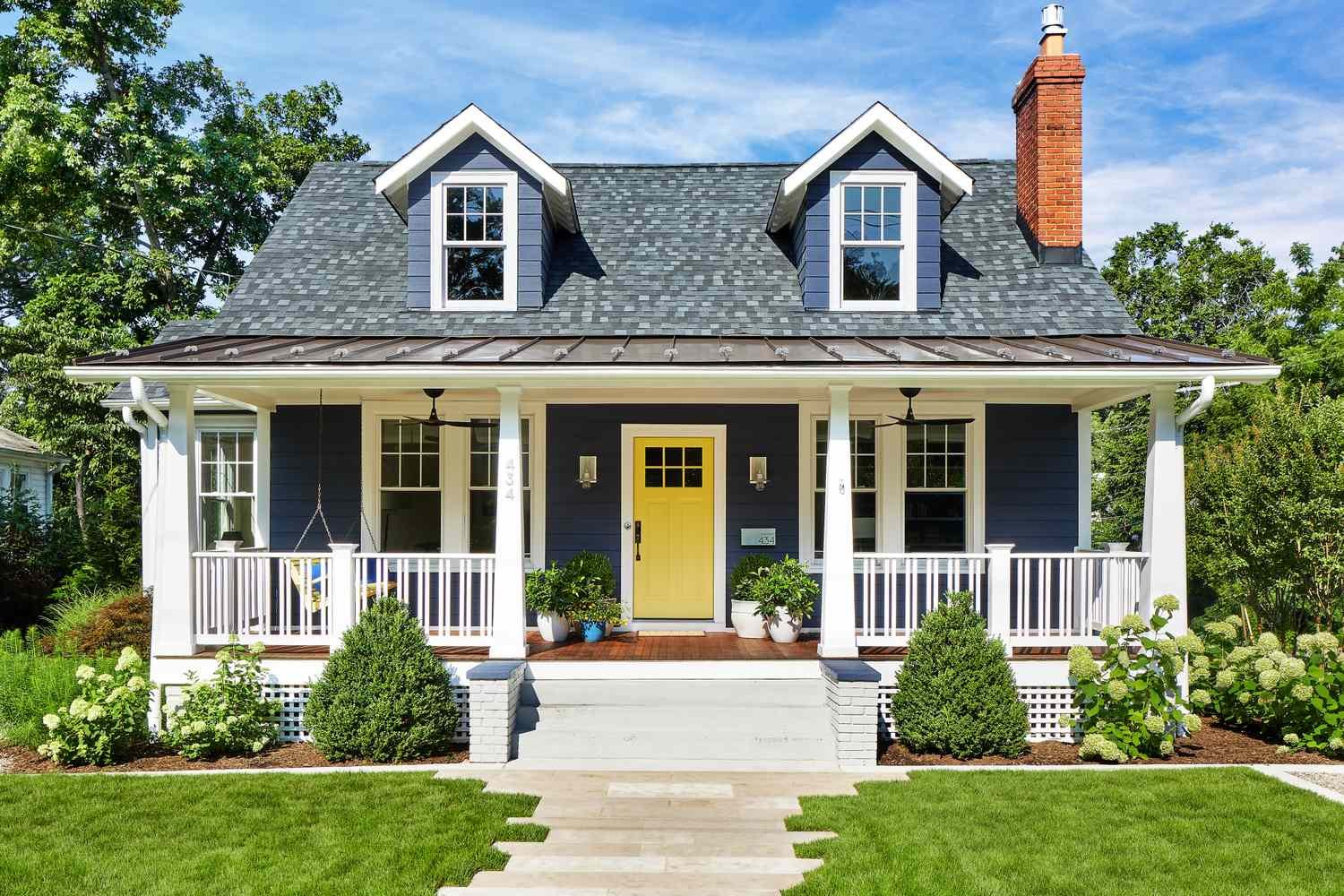
Siding has a major influence on the architectural character of a home because it covers a large portion of the visible exterior. Selecting the right color, texture, and panel arrangement can make a property look more modern, traditional, rustic, or understated, depending on the desired design. Horizontal lap siding remains a familiar choice for many residential properties, while vertical board-and-batten designs can create a distinctive appearance and emphasize architectural lines. Shingle-style siding can add texture, and combining complementary materials may help highlight entryways, gables, or other architectural features. Professional siding installation allows homeowners to explore these options while ensuring that the selected products are suitable for the building and installed according to manufacturer requirements. A coordinated exterior design can improve visual appeal and create a more finished appearance without sacrificing practical performance.Color selection should take into account the roof, window frames, doors, trim, landscaping, and other fixed features that influence the overall appearance of the property. Neutral colors can provide a timeless look, while carefully selected contrasting shades may emphasize architectural details and create visual interest. Textured finishes can add depth, but the final result should complement the home’s proportions and surrounding design rather than overwhelm them. Homeowners should also consider how natural light and weather exposure may influence the appearance of different finishes over time. Experienced siding professionals can explain available product options, show material samples where available, and help coordinate siding with existing exterior elements. By planning the design carefully, homeowners can achieve an attractive and cohesive exterior that reflects their preferences and supports the property’s long-term appeal.
The Importance of Professional Siding Installation
Proper installation is essential for ensuring that siding performs as intended throughout its service life. Even durable materials can develop problems when panels are incorrectly fastened, expansion allowances are ignored, flashing is poorly detailed, or the underlying wall is not properly prepared. Different siding products have specific requirements for fastening patterns, spacing, clearances, ventilation, and moisture protection, making it important to follow the manufacturer’s instructions. Professional siding installation begins with evaluating the existing exterior, preparing the appropriate substrate, and identifying any underlying defects that need correction before new materials are installed. Attention to these details helps create a consistent finish and reduces the likelihood of premature deterioration. Homeowners should look for contractors who understand the selected siding system and can explain how the installation process will protect both the visible exterior and the materials beneath it.Professional workmanship also helps ensure that siding fits properly around windows, doors, corners, rooflines, and other architectural features. These transitions require careful planning because they often involve several materials that must work together to manage water and accommodate normal movement. Poorly fitted panels or improperly installed trim can create visible gaps, uneven lines, and vulnerable points where moisture may enter. Experienced contractors understand the importance of accurate measurements, suitable fastening techniques, and appropriate flashing details for the chosen product. They should also maintain a safe and organized work area, protect nearby landscaping where practical, and communicate clearly about project progress. Investing in professional siding services can help homeowners avoid common installation mistakes and achieve an exterior finish that looks attractive while providing dependable protection.
Maintaining Siding for Long-Term Performance
Routine maintenance helps preserve the appearance and functionality of siding while making it easier to identify developing problems. Homeowners should periodically inspect the exterior for cracks, loose panels, fading, damaged trim, and signs of moisture around windows and doors. Cleaning requirements vary by material, but many siding products benefit from occasional washing with methods approved by the manufacturer. Excessive pressure, abrasive cleaning tools, or unsuitable chemicals can damage certain finishes, so homeowners should confirm the correct procedure before cleaning the surface. Professional siding maintenance may be useful when damage is difficult to access, when the exterior requires more extensive repairs, or when homeowners are uncertain about the material’s care requirements. Addressing small defects promptly can help preserve the siding’s appearance and reduce the chance that minor problems will develop into more expensive exterior repairs.Vegetation and drainage conditions around the home should also be monitored because they can influence siding performance. Shrubs and climbing plants should be managed so that they do not trap moisture against the walls, damage the finish, or prevent proper inspection. Sprinklers should be adjusted to avoid repeatedly spraying the siding, and gutters should be maintained to reduce overflow along exterior walls. Homeowners should also pay attention to caulking and trim around openings, arranging repairs when deterioration creates a potential path for water entry. Regular maintenance does not eliminate every risk, but it provides an opportunity to identify changing conditions before they cause extensive damage. With appropriate care and professional assistance when needed, quality siding can continue contributing to a property’s appearance, weather protection, and overall exterior performance for many years.
Selecting a Reliable Siding Contractor
Choosing the right contractor is an important step in achieving a successful siding project. Homeowners should look for professionals with relevant installation experience, appropriate insurance, familiarity with the selected materials, and a clear understanding of exterior moisture management. Before signing an agreement, property owners should request a detailed written estimate that describes the scope of work, materials, preparation requirements, project schedule, and expected costs. It is also helpful to ask about warranties, payment terms, cleanup procedures, and how unexpected damage behind the existing siding will be handled. A dependable siding contractor should explain the recommendations clearly and provide realistic information about the work involved. Reviewing references and examples of completed projects can offer additional insight into the contractor’s workmanship and ability to complete exterior improvements to an appropriate standard.Homeowners should be cautious of contractors who pressure them into making immediate decisions, provide vague estimates, or recommend extensive replacement without explaining the condition of the existing siding. A professional assessment should distinguish between cosmetic concerns, localized damage, and problems that could compromise the exterior wall assembly. It should also identify any related work required around flashing, trim, or moisture barriers so that the finished project addresses the property’s actual needs. Comparing multiple estimates can help homeowners understand differences in materials and installation methods, but price should not be the only factor in the final decision. Quality siding services depend on suitable products, proper preparation, careful installation, and effective communication throughout the project. Selecting a qualified contractor can help homeowners protect their investment and achieve a durable exterior that meets both practical and aesthetic expectations.
Conclusion
Siding plays an important role in protecting exterior walls, improving curb appeal, and supporting the long-term condition of a residential property. Damaged, outdated, or improperly installed materials can affect the appearance of a home and may contribute to moisture problems when the surrounding exterior system does not function correctly. By recognizing warning signs, selecting appropriate materials, and arranging professional inspections, homeowners can determine whether repairs or replacement would provide the most effective solution. Proper installation, effective drainage, and regular maintenance are equally important for preserving the siding’s performance and preventing avoidable damage.Investing in quality siding services allows homeowners to improve the appearance of their properties while maintaining a dependable exterior barrier against everyday environmental exposure. From choosing durable materials and coordinating attractive designs to correcting damaged sections and protecting vulnerable wall openings, each stage of a siding project contributes to the overall result. Working with experienced professionals helps ensure that the installation meets the requirements of the selected materials and addresses the property’s specific needs. With careful planning and consistent maintenance, homeowners can enjoy an attractive, functional, and durable exterior that supports their property’s value for years to come.
Author

thedailygurdian@gmail.com
Related Posts

Choosing the Right Forklift Solutions for Efficient Material Handling
- 0
- 2,402 words
Modern warehouses, distribution centers, manufacturing facilities, and industrial operations depend on reliable equipment to move products safely and efficiently. From unloading heavy...
Read out all
Maintaining a Healthy Plumbing System with Professional Sewer Solutions
- 0
- 2,751 words
A properly functioning sewer system is one of the most important parts of maintaining a safe, clean, and comfortable residential or commercial...
Read out all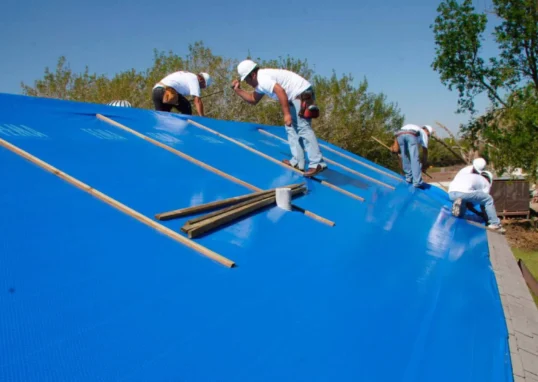
Roof Tarping: Immediate Protection Against Roofing Damage and Water Intrusion
- 0
- 2,055 words
A damaged roofing system can expose an entire property to serious problems, especially when heavy rainfall, strong winds, or severe storms create...
Read out all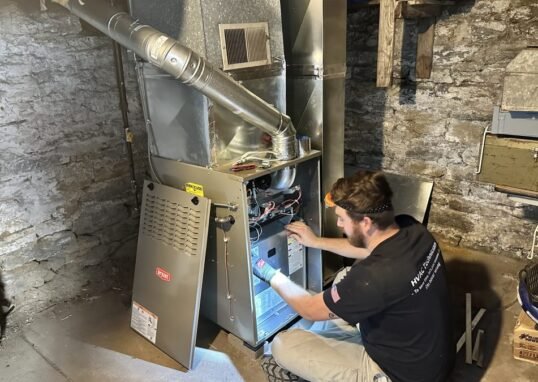
Improving Heating Performance and Indoor Comfort Through Professional Furnace Cleaning
- 0
- 2,645 words
Understanding Why Furnace Cleaning Is Essential A furnace is one of the most important components of a property’s heating system because it...
Read out all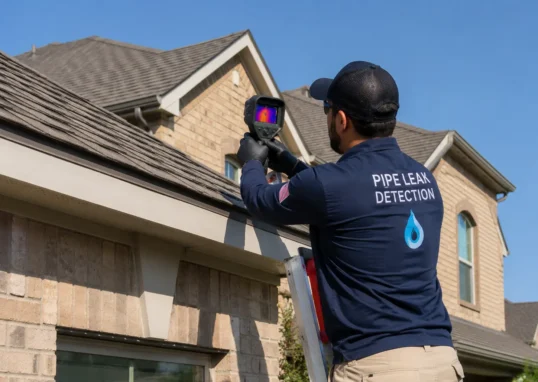
Protecting Your Property Through Professional Leak Detection
- 0
- 2,317 words
Understanding the Importance of Leak Prevention Plumbing systems play an essential role in everyday comfort, providing a dependable supply of water for...
Read out all
Beyond the Foundation: Creating Exceptional Outdoor Spaces with Concrete Design
- 0
- 3,103 words
Concrete has become an essential material in modern residential landscaping because it combines structural strength, design flexibility, and long-term practicality. Homeowners looking...
Read out all