
- 0
- 2,055 words
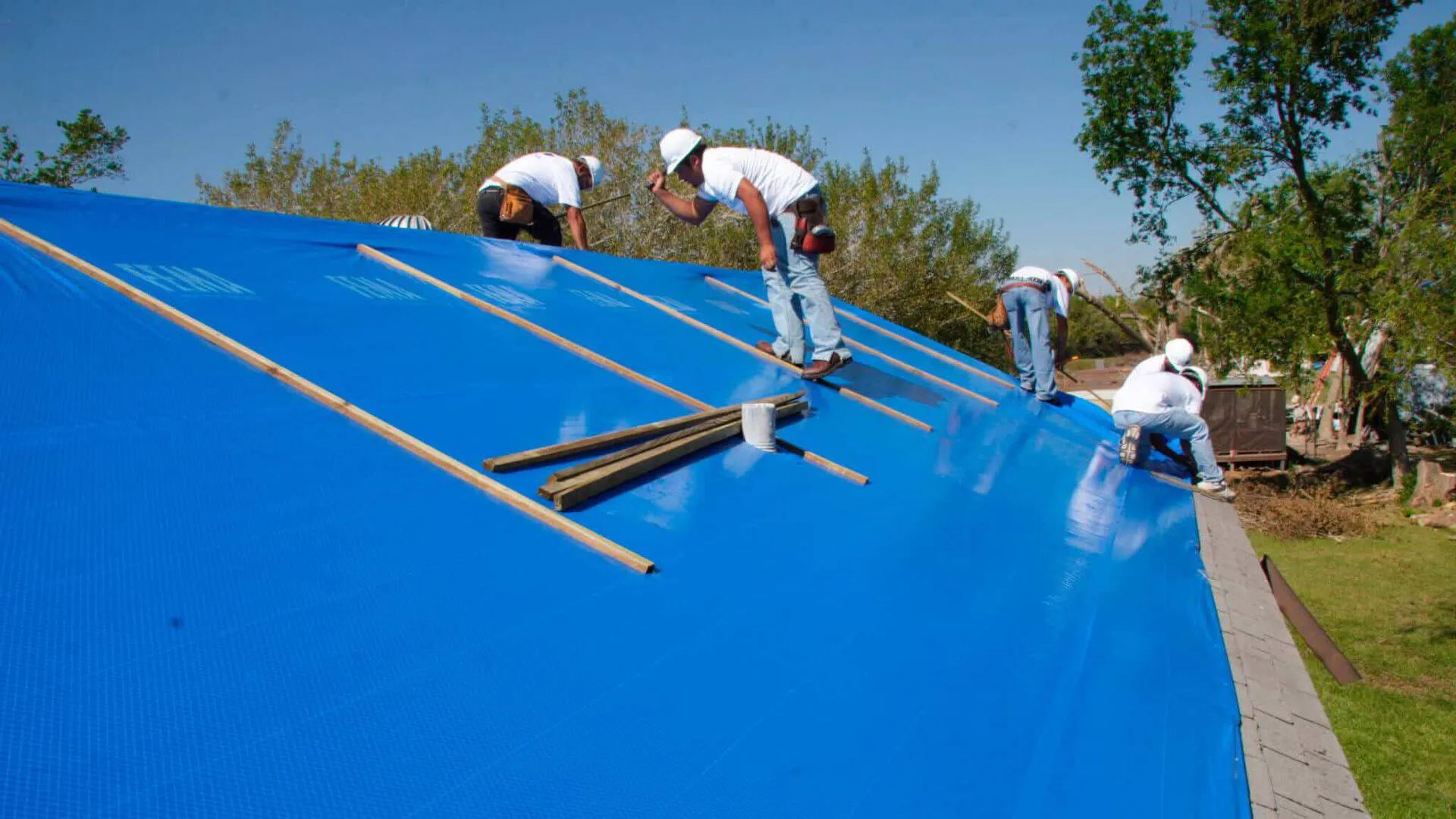
A damaged roofing system can expose an entire property to serious problems, especially when heavy rainfall, strong winds, or severe storms create openings in the roof. Missing shingles, broken roof panels, damaged flashing, and fallen tree branches can allow water to enter the building and affect ceilings, insulation, walls, and valuable belongings. When permanent repairs cannot be completed immediately, temporary protection becomes essential to prevent the damage from spreading. Professional roof tarping provides a practical solution by covering exposed sections with durable waterproof materials until the necessary roofing repairs or replacement work can be arranged. Properly installed tarps help reduce water penetration, protect vulnerable structural components, and give property owners time to organize permanent restoration. Although temporary protection cannot replace professional roofing repairs, it plays an important role in emergency property protection. Understanding how roof tarping works, when it is needed, and why professional installation matters can help homeowners and commercial property owners respond more effectively to unexpected roofing emergencies.
Understanding Emergency Roof Protection
Roofing emergencies can happen unexpectedly because of severe weather, falling branches, aging materials, or sudden structural damage. Even a relatively small opening in the roofing surface can allow rainwater to enter the building and gradually affect surrounding materials. When permanent repairs cannot be completed immediately, temporary waterproof coverage helps limit further exposure. Professional roof tarping involves placing a suitable protective covering over damaged sections and securing it to reduce the possibility of water entering the structure. The process requires careful planning because the tarp must cover the vulnerable area adequately without creating additional damage to the remaining roofing materials. Roofing professionals evaluate the damaged section, identify potential water entry points, and determine an appropriate placement method. Temporary protection is particularly valuable after severe storms when roofing materials may be missing, displaced, or too damaged to provide reliable weather resistance.
When Temporary Tarping Is Needed
There are several situations in which temporary roof protection may be necessary to prevent additional property damage. Severe windstorms can remove shingles, loosen metal panels, and expose the underlying roofing layers to rainfall. Fallen trees or branches may create large openings that require immediate coverage, while hail can damage roofing materials and weaken their protective surfaces. Sudden leaks may also develop around flashing, roof penetrations, or deteriorated sections of an aging roofing system. In these situations, roof tarping provides temporary protection while property owners arrange a professional assessment and permanent repairs. It can also be useful when a replacement project requires additional preparation or when weather conditions prevent immediate installation work. Recognizing when temporary coverage is needed helps property owners respond quickly and reduce the possibility of moisture spreading into interior spaces.
Preventing Water Intrusion
Water intrusion is one of the biggest concerns following roofing damage because moisture can affect several building components before the full extent of the problem becomes visible. Rainwater may enter through missing shingles, damaged membranes, exposed decking, or separated flashing connections. Once inside, moisture can travel through insulation and framing before appearing as ceiling stains, peeling paint, or damp walls. Professional roof tarping helps reduce this risk by covering exposed areas and directing water away from vulnerable sections. Proper placement and secure fastening are important because poorly installed coverings may shift during wind or allow water to collect underneath. Experienced roofing contractors understand how to position protective materials according to the roof’s design and the extent of the damage. Taking these precautions helps protect the building until a permanent waterproofing solution can be installed.
Protecting Interior Spaces
A damaged roof can create problems throughout a building because water entering through the exterior structure may affect ceilings, walls, flooring, furniture, electrical equipment, and stored belongings. Residential properties may experience damage to bedrooms, living areas, kitchens, and personal possessions, while commercial buildings may face risks involving inventory, machinery, computers, and important business records. Even when a leak appears small, continued rainfall can increase the amount of moisture entering the property. Professional roof tarping provides an additional protective barrier that helps reduce exposure to outside water while permanent repairs are being organized. Property owners should also take appropriate precautions inside the building, including moving valuable belongings away from affected areas and avoiding contact with wet electrical equipment. Combining temporary exterior protection with sensible interior precautions can help reduce the overall impact of roofing emergencies.
Choosing Durable Tarp Materials
The effectiveness of temporary roof coverage depends partly on the quality and suitability of the protective material. Roofing tarps are commonly manufactured using woven polyethylene or similar materials designed to resist moisture and provide temporary outdoor protection. Different thicknesses, sizes, and reinforced edges are available depending on the intended application and the size of the damaged area. A suitable covering should be large enough to extend beyond the vulnerable section so that water does not easily enter around its edges. During professional roof tarping, contractors consider the roof’s dimensions, slope, surrounding materials, and expected weather exposure before selecting an appropriate tarp. Reinforced edges and suitable fastening arrangements can help improve stability during temporary use. Choosing appropriate materials is important because an undersized, damaged, or poorly secured tarp may fail to provide the protection required during continued rainfall.
Understanding Professional Installation
Installing temporary roofing coverage requires more than simply placing a tarp over a damaged surface. The material must be positioned correctly, secured appropriately, and arranged so that rainwater moves away from the exposed area. Improper installation can allow wind to lift the covering, create openings around its edges, or cause water to collect beneath the material. Professional roof tarping begins with an assessment of the damaged roof and surrounding conditions so that contractors can determine a suitable installation approach. They evaluate the roof’s pitch, damaged materials, access requirements, and available securement points. Proper safety equipment and installation techniques are essential, particularly when working on steep or unstable roofing surfaces. Professional installation helps reduce the risk of additional damage and provides more dependable temporary coverage until permanent restoration can be completed.
Responding to Storm Damage
Severe storms can create multiple roofing problems within a short period, leaving property owners with limited time to protect their buildings. Strong winds may remove shingles, damage roof edges, and loosen flashing, while hail can weaken exposed surfaces and create openings in roofing materials. Heavy rainfall may then enter these damaged sections and affect interior spaces. Following a storm, roof tarping can help reduce additional water intrusion while roofing professionals assess the full extent of the damage. Contractors may need to cover several affected sections depending on the size and location of the openings. They can also identify areas that require more extensive restoration or complete replacement. Prompt temporary protection is particularly important when permanent repairs cannot be performed immediately because of ongoing rainfall, material availability, or other project-related conditions.
Supporting Residential Properties
Homeowners often face considerable stress when roofing damage occurs because their property provides essential protection for family members and personal belongings. A sudden roof leak can affect ceilings, insulation, furniture, flooring, and other interior features, especially when water continues entering during heavy rainfall. Professional roof tarping helps homeowners protect exposed roofing sections while permanent repairs are being arranged. Roofing contractors can assess damaged shingles, flashing, roof valleys, and other vulnerable areas before determining the appropriate temporary covering method. Property owners should avoid climbing onto damaged roofs themselves because wet surfaces, loose materials, and unstable structures can create serious safety hazards. Arranging professional assistance helps ensure that temporary protection is installed with appropriate safety precautions and that the next steps toward permanent restoration are clearly understood.
Protecting Commercial Buildings
Commercial buildings often contain valuable inventory, specialized equipment, electrical systems, and operational spaces that must remain protected from moisture. Roofing damage can disrupt business activities and create additional expenses when water enters offices, warehouses, manufacturing facilities, or retail properties. A temporary protective solution can help limit these risks while the building’s roofing system is evaluated. Professional roof tarping allows commercial property owners to cover damaged sections and reduce the possibility of further water intrusion during the restoration process. Contractors consider the building’s size, roof design, drainage arrangements, and operational requirements when planning temporary coverage. Proper coordination also helps reduce unnecessary disruption to employees, customers, and other building occupants. Temporary protection provides businesses with additional time to organize permanent repairs without leaving vulnerable areas unnecessarily exposed to environmental conditions.
Preventing Additional Structural Damage
When roofing materials are damaged, continued exposure to rainwater can gradually affect components beneath the exterior surface. Moisture may reach roof decking, wooden framing, insulation, and supporting materials, creating conditions that contribute to deterioration. If water intrusion continues, the affected area may require more extensive repairs than originally necessary. Professional roof tarping helps limit exposure by covering damaged sections and reducing the amount of water that can enter the building. However, temporary coverage should always be followed by a proper assessment because it does not repair damaged decking, restore insulation, or resolve structural weaknesses. Roofing contractors can evaluate the affected areas and determine whether additional restoration work is required before permanent roofing materials are installed. Addressing both the immediate exposure and underlying damage helps support a more complete recovery process.
Understanding Temporary Protection Limitations
Although temporary roof coverage is useful during emergencies, property owners should understand that it is not a permanent roofing solution. Tarps can deteriorate, shift, or become damaged after continued exposure to sunlight, wind, and rainfall. Their effectiveness also depends on the installation method, material quality, roof design, and weather conditions. Professional roof tarping is intended to reduce immediate exposure while giving property owners time to arrange permanent repairs or replacement. It should not be treated as a substitute for restoring damaged shingles, membranes, flashing, or structural components. Property owners should arrange follow-up evaluations and avoid leaving temporary coverings in place longer than necessary. Understanding these limitations helps ensure that the building receives appropriate long-term protection rather than relying on a temporary measure beyond its intended purpose.
Choosing Experienced Roofing Contractors
Selecting an experienced roofing company is important because emergency protection requires suitable materials, proper installation methods, and careful attention to safety. Roofing professionals understand how different roofing systems respond to damage and can determine which temporary solutions are appropriate for the situation. When arranging roof tarping, property owners should look for contractors who can evaluate the damaged area, explain the temporary protection process, and recommend the necessary permanent repairs. Houser Roofing provides roofing-related services involving installation, repair, maintenance, and other roofing solutions. Working with an experienced roofing company helps property owners respond to unexpected damage with greater confidence. Professional guidance also makes it easier to understand whether the affected roof requires shingle replacement, metal panel repairs, flashing restoration, or a more extensive roofing project.
Moving From Temporary Coverage to Permanent Repairs
Temporary protection is only the first stage of recovering from roofing damage. Once weather conditions allow permanent work to proceed, roofing contractors should evaluate the affected materials and determine which repairs or replacement services are necessary. Damaged shingles may need to be replaced, metal panels may require realignment, and compromised flashing or underlayment may need restoration. In cases involving extensive deterioration, a larger roofing replacement project may provide a more practical long-term solution. Professional roof tarping gives property owners time to organize this work while helping protect exposed areas from additional rainfall. Contractors can also evaluate underlying decking and insulation to determine whether hidden moisture damage requires attention. Moving from temporary coverage to permanent repairs ensures that the roofing system receives a complete solution rather than remaining dependent on emergency protection.
Conclusion
Unexpected roofing damage can expose residential and commercial properties to serious problems, particularly when rainfall enters through missing shingles, damaged panels, or compromised roofing materials. Temporary protection plays an important role in limiting additional damage while property owners arrange professional restoration. From selecting suitable tarp materials and securing exposed sections to protecting interior spaces and preparing for permanent repairs, every stage requires careful attention. Professional roof tarping provides a practical temporary solution that helps reduce water intrusion, protect valuable belongings, and preserve vulnerable structural components until permanent work can be completed. Choosing an experienced roofing contractor ensures that temporary coverage is installed appropriately and that the next steps toward restoration are clearly understood. With reliable roofing services from Houser Roofing, property owners can respond more effectively to roofing emergencies and work toward restoring dependable protection for their buildings.
Author

thedailygurdian@gmail.com
Related Posts
Choosing the Right Forklift Solutions for Efficient Material Handling
- 0
- 2,402 words
Modern warehouses, distribution centers, manufacturing facilities, and industrial operations depend on reliable equipment to move products safely and efficiently. From unloading heavy...
Read out all
Maintaining a Healthy Plumbing System with Professional Sewer Solutions
- 0
- 2,751 words
A properly functioning sewer system is one of the most important parts of maintaining a safe, clean, and comfortable residential or commercial...
Read out all
Improving Heating Performance and Indoor Comfort Through Professional Furnace Cleaning
- 0
- 2,645 words
Understanding Why Furnace Cleaning Is Essential A furnace is one of the most important components of a property’s heating system because it...
Read out all
Protecting Your Property Through Professional Leak Detection
- 0
- 2,317 words
Understanding the Importance of Leak Prevention Plumbing systems play an essential role in everyday comfort, providing a dependable supply of water for...
Read out all
Beyond the Foundation: Creating Exceptional Outdoor Spaces with Concrete Design
- 0
- 3,103 words
Concrete has become an essential material in modern residential landscaping because it combines structural strength, design flexibility, and long-term practicality. Homeowners looking...
Read out all
Metal Roof Replacement: A Complete Guide to Improving Roof Strength, Protection, and Performance
- 0
- 2,752 words
A roof is one of the most important structural components of any property because it protects the building from rain, wind, sunlight,...
Read out all