
- 0
- 2,701 words
Understanding Modern Heating and Cooling Systems
Maintaining a comfortable indoor environment requires reliable equipment that can respond to changing temperatures throughout the year. Professional heating and cooling solutions help homeowners and businesses maintain suitable indoor conditions while supporting energy efficiency, airflow, and dependable equipment performance. Modern HVAC systems include furnaces, air conditioners, heat pumps, thermostats, ventilation components, and ductwork that work together to regulate indoor temperatures. When these components operate correctly, they help create a comfortable environment for everyday activities while reducing unnecessary energy consumption. However, equipment selection, installation quality, maintenance practices, and the condition of the building itself all influence overall performance. A poorly maintained system may struggle to distribute conditioned air, operate longer than necessary, or develop mechanical problems that affect comfort. Understanding how these systems function allows property owners to make informed decisions about equipment upgrades, routine maintenance, and necessary repairs. By choosing suitable equipment and working with qualified HVAC professionals, homeowners can establish a dependable indoor comfort system that supports their needs throughout the changing seasons.
Choosing the Right HVAC Equipment
Selecting appropriate equipment is one of the most important steps toward achieving dependable indoor comfort. Different properties have different heating and cooling requirements depending on their size, insulation, ceiling height, window placement, occupancy, and overall construction. Effective heating and cooling begins with understanding these requirements instead of selecting equipment based solely on price or floor area. A system that is too small may struggle to maintain comfortable temperatures during extreme weather, while an oversized system may cycle too frequently and provide inconsistent temperature control. HVAC professionals can evaluate the building’s heating and cooling loads, inspect existing ductwork, and recommend equipment that matches the property’s needs. Available options may include central air conditioners, furnaces, ductless mini-splits, and heat pumps, each offering different advantages and installation requirements. Homeowners should also compare efficiency ratings, warranty coverage, maintenance requirements, and expected operating costs before making a decision. Proper equipment selection supports consistent comfort, reduces unnecessary strain on system components, and helps property owners achieve better long-term value from their investment.
Improving Energy Efficiency
Energy efficiency is an important consideration for households and businesses because HVAC equipment can account for a significant portion of a building’s energy consumption. Inefficient operation may result from aging components, dirty filters, poor insulation, air leakage, incorrect thermostat settings, or equipment that does not match the property’s requirements. Reliable heating and cooling depends on addressing these factors together rather than focusing exclusively on the HVAC unit. For example, a system may operate efficiently according to its specifications but still consume excessive energy if conditioned air escapes through poorly sealed windows or duct connections. Similarly, a clogged filter can restrict airflow and force the equipment to work harder to maintain the desired temperature. Homeowners can improve efficiency by replacing filters regularly, sealing appropriate air leaks, maintaining suitable thermostat settings, and scheduling professional inspections. When equipment becomes outdated or repeatedly requires expensive repairs, comparing newer high-efficiency models may also be worthwhile. Combining properly maintained equipment with improvements to the building envelope can reduce energy waste, improve indoor comfort, and help make monthly utility expenses more manageable.
Maintaining Consistent Indoor Temperatures
Consistent indoor temperatures contribute significantly to everyday comfort, especially in buildings with multiple rooms or several floors. Some spaces may become warmer or colder than others because of restricted airflow, inadequate insulation, duct leakage, sunlight exposure, or problems with the HVAC equipment. Effective heating and cooling requires an approach that considers both the mechanical system and the way conditioned air moves throughout the property. A thermostat located near a heat-producing appliance or in direct sunlight may measure conditions that do not accurately represent the rest of the building. Likewise, furniture placed over vents can restrict airflow and make individual rooms less comfortable. Property owners should check that supply and return vents remain unobstructed and pay attention to rooms that consistently feel different from the rest of the home. If these problems persist, an HVAC technician can inspect the ductwork, thermostat, blower assembly, and equipment controls to determine the cause. Correcting airflow restrictions or control issues can improve temperature distribution and reduce the need for constant thermostat adjustments. A properly balanced system helps create a more comfortable indoor environment while supporting efficient equipment operation.
Understanding the Importance of Airflow
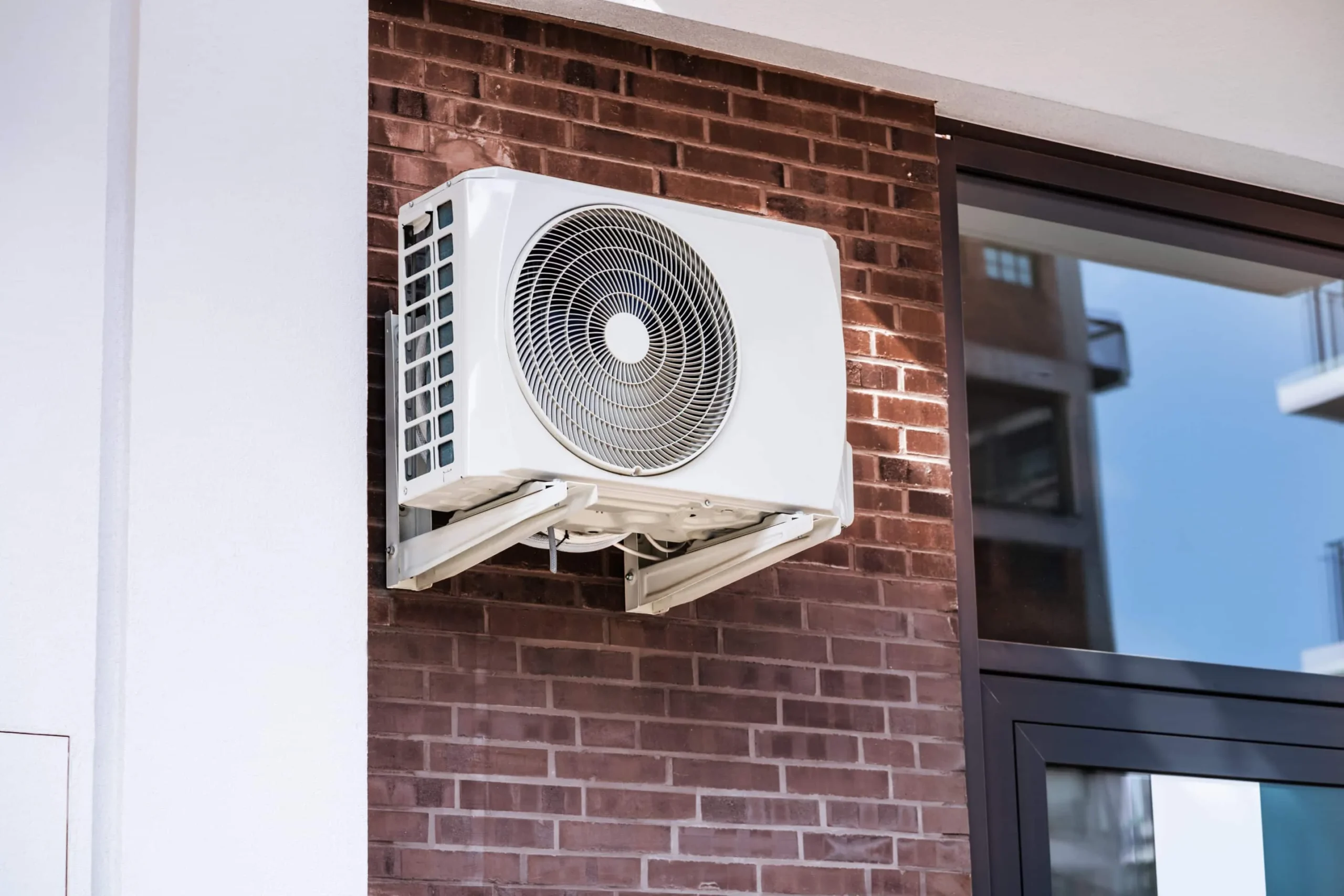
Airflow is essential because heating and cooling equipment must move air efficiently to maintain comfortable indoor conditions. When air filters become clogged, vents are blocked, or ductwork develops leaks, the system may struggle to deliver conditioned air where it is needed. Reliable heating and cooling depends on sufficient airflow through the equipment and throughout the building. Restricted air movement can lead to uneven temperatures, extended operating cycles, reduced efficiency, and additional strain on blower motors. In some air conditioning systems, serious airflow restrictions may contribute to evaporator coil freezing, while certain heating systems may shut down when safety controls detect overheating. Homeowners can help prevent these problems by following filter replacement recommendations and keeping vents clear of furniture, curtains, and other obstructions. Outdoor units also need adequate clearance to move air effectively and release heat. If airflow remains weak despite basic maintenance, professional inspection may be necessary to identify a dirty coil, damaged blower, duct obstruction, or another underlying problem. Correcting these issues helps equipment operate more effectively and supports consistent indoor comfort throughout the year.
The Benefits of Regular HVAC Maintenance
Routine maintenance helps preserve equipment performance and identify developing problems before they cause unexpected breakdowns. Heating and cooling systems contain electrical connections, moving components, coils, fans, motors, filters, and controls that require appropriate care. Regular heating and cooling maintenance may include checking thermostat operation, inspecting electrical connections, evaluating airflow, examining accessible coils, and reviewing drainage components where applicable. The exact maintenance requirements depend on the equipment type, operating conditions, and manufacturer’s recommendations. Homeowners can perform simple tasks such as checking filters and keeping outdoor equipment clear of leaves and debris, but more complicated inspections should be handled by qualified professionals. Preventive service is particularly useful before periods of heavy heating or cooling demand because it provides an opportunity to identify issues while there is time to address them. Although maintenance cannot guarantee that equipment will never fail, it can reduce avoidable wear and provide a clearer understanding of the system’s condition. A consistent maintenance schedule supports reliable performance, helps protect important components, and allows property owners to plan for necessary service rather than waiting for an urgent breakdown.
Recognizing Common HVAC Problems
Heating and cooling equipment often displays warning signs before a major failure occurs. Weak airflow, unusual noises, inconsistent temperatures, repeated shutdowns, water leaks, and unexplained increases in energy bills can all indicate that something requires attention. When heating and cooling equipment does not operate as expected, identifying the cause early can help prevent additional damage and restore comfort more quickly. For example, a system that repeatedly turns on and off may have a thermostat issue, restricted airflow, an electrical fault, or a component responding to abnormal operating conditions. Warm air coming from an air conditioner may indicate a cooling-cycle problem, while a furnace that fails to provide sufficient warmth may have an ignition, airflow, or control issue. Similar symptoms can have several different causes, so replacing parts without a proper diagnosis may not solve the problem. Homeowners should begin with basic checks, such as confirming thermostat settings and inspecting accessible filters. If the issue persists, professional evaluation is the safest way to determine the appropriate repair. Prompt attention can reduce disruption and help preserve equipment reliability.
Improving Indoor Air Quality
Indoor air quality influences how comfortable a building feels and may affect occupants who are sensitive to dust, odors, or excessive humidity. HVAC equipment supports indoor conditions by circulating air, filtering certain airborne particles, and helping regulate temperature and moisture. Effective heating and cooling can contribute to a more comfortable indoor environment, but the equipment must be maintained properly to perform these functions as intended. Dirty filters can restrict airflow, while drainage problems may allow unwanted moisture to accumulate around cooling equipment. Dust and debris around accessible components can also contribute to unpleasant odors or reduced performance. However, not every air quality problem originates in the HVAC system. Cooking activities, cleaning products, building materials, outdoor pollutants, and moisture entering through leaks may also affect indoor conditions. Homeowners should replace filters according to the manufacturer’s guidance, address water leaks promptly, and maintain appropriate ventilation. If persistent odors, dampness, or airflow concerns continue, a professional can inspect the HVAC equipment and recommend suitable improvements. Depending on the situation, additional filtration, humidity management, or ventilation measures may be beneficial. A comprehensive approach helps support comfortable indoor conditions while addressing the underlying sources of concern.
Selecting the Right Thermostat
A thermostat plays a central role in regulating indoor temperatures because it communicates the desired settings to the heating and cooling equipment. Modern thermostats may include programmable schedules, remote access, energy-use information, and compatibility with certain smart-home systems. Effective heating and cooling depends on having controls that are suitable for the equipment and configured correctly. A thermostat with inaccurate readings, incorrect programming, poor placement, or wiring problems may cause the system to operate at inappropriate times. Homeowners can improve performance by choosing reasonable temperature settings and creating schedules that reflect their normal routines. Programmable settings may reduce unnecessary operation when the property is unoccupied, provided the adjustments remain suitable for the occupants and equipment. Smart thermostats can provide additional convenience, but compatibility should be confirmed before installation, particularly with specialized heat pumps or multistage systems. If the equipment does not respond properly to thermostat adjustments, a qualified technician can inspect the control device and its connections. Proper thermostat selection and configuration help maintain more consistent comfort, reduce unnecessary cycling, and support efficient HVAC operation.
Preparing HVAC Equipment for Seasonal Changes
Heating and cooling needs change throughout the year, making seasonal preparation an important part of responsible property maintenance. Equipment that has operated infrequently may reveal problems when it is switched on for extended periods. Effective heating and cooling preparation involves checking basic system conditions before demand increases and arranging professional service when warning signs appear. Before using an air conditioner regularly, homeowners can inspect the filter, confirm thermostat settings, and make sure outdoor equipment has adequate clearance. Before relying heavily on a furnace or heat pump, they should pay attention to unusual noises, delayed startup, repeated shutdowns, or inadequate heating. Combustion-based heating equipment should be inspected and maintained according to manufacturer recommendations and applicable safety requirements. Homeowners should also keep service records and warranty information available in case a repair becomes necessary. Seasonal preparation cannot prevent every possible malfunction, but it can identify existing problems before they become more disruptive. Scheduling inspections in advance may also provide greater flexibility when arranging professional service. A proactive approach helps property owners prepare for changing weather while supporting dependable comfort and efficient equipment operation.
Understanding Heat Pumps and Their Advantages
Heat pumps offer an alternative to conventional arrangements that use separate equipment for heating and cooling. These systems transfer heat between indoor and outdoor environments rather than generating all their warmth directly through fuel combustion or electrical resistance. A properly selected heat pump can provide efficient heating under suitable conditions and reverse its operation to provide cooling during warmer weather. For many properties, heating and cooling through a single heat pump system can simplify equipment requirements while providing year-round temperature control. However, performance depends on the model, outdoor conditions, system sizing, insulation, and installation quality. Some heat pumps are specifically designed to maintain useful heating capacity in colder conditions, while other installations may benefit from supplemental heating. Homeowners should compare equipment ratings and consider how the system will perform during the coldest periods experienced by the property. Professional installation is essential because refrigerant charging, electrical connections, airflow, and control configuration all influence performance. Regular maintenance helps preserve efficiency and identify developing problems. Evaluating the available options with a qualified HVAC contractor allows homeowners to determine whether a heat pump is an appropriate choice for their comfort needs and long-term budget.
Choosing Professional HVAC Services
The quality of HVAC service can have a lasting effect on equipment performance, energy consumption, and the reliability of indoor temperature control. Property owners should choose professionals who understand different system types, perform appropriate diagnostic tests, and explain their recommendations clearly. Reliable heating and cooling service begins with evaluating the reported symptoms and determining the underlying cause rather than immediately recommending expensive replacements. Customers can ask which components require attention, how the diagnosis was confirmed, what the proposed work includes, and whether the repair carries a warranty. Written estimates can clarify expected costs for labor, replacement parts, and additional work. It is also useful to review relevant qualifications, customer feedback, and licensing requirements where applicable. A qualified technician should follow appropriate safety procedures when working with electrical components, refrigerant circuits, gas-fired equipment, and other specialized parts. After completing the service, the technician should explain any maintenance recommendations and describe warning signs that may require further attention. Clear communication and careful workmanship help homeowners make informed decisions and establish a dependable relationship with an HVAC service provider.
Repairing or Replacing Older Equipment
As HVAC equipment ages, homeowners may eventually need to decide whether continued repairs or a complete replacement offers better value. The decision should consider the equipment’s age, repair history, current efficiency, replacement-part availability, and the cost of the proposed work. Reliable heating and cooling depends on equipment that is appropriately sized, properly maintained, and capable of meeting the property’s needs. A relatively new system with a failed sensor, capacitor, or other repairable component may benefit from a straightforward repair. An older system that breaks down frequently and requires increasingly expensive parts may justify a closer comparison with newer equipment. Property owners should also consider whether persistent comfort problems originate from the HVAC unit or from duct leakage, inadequate insulation, or air infiltration. Replacing the equipment without addressing these underlying problems may not deliver the expected improvement. A professional assessment can help compare repair costs with the likely future performance of the existing system and the potential benefits of replacement. Considering the total cost of ownership rather than the initial price alone helps homeowners choose a solution that fits their comfort requirements and financial priorities.
Reducing Unnecessary Energy Consumption
Reducing energy waste involves more than purchasing efficient HVAC equipment. Building insulation, window quality, air leakage, thermostat settings, duct condition, and occupant habits all influence the amount of energy needed to maintain comfortable indoor temperatures. Efficient heating and cooling starts with reducing avoidable heat transfer and ensuring that conditioned air reaches the intended spaces. Sealing appropriate air leaks around windows and doors can reduce unwanted drafts, while insulation improvements may help stabilize indoor temperatures. Homeowners should avoid blocking vents and should replace filters according to the manufacturer’s recommendations. Programmable thermostats can help align equipment operation with daily schedules, while suitable window coverings may reduce unwanted heat gain from sunlight. Regular maintenance also helps identify mechanical problems that increase operating time or reduce performance. If utility bills rise unexpectedly, property owners should investigate both the HVAC system and the building itself rather than assuming that the equipment is the only cause. Combining efficient equipment, a well-maintained building envelope, and sensible temperature settings can reduce waste while maintaining a comfortable indoor environment.
Conclusion
Reliable indoor comfort depends on equipment that is correctly selected, professionally installed, and maintained according to its operating requirements. Effective heating and cooling supports comfortable temperatures, consistent airflow, and better management of household energy use throughout the changing seasons. Homeowners can improve system performance by replacing filters regularly, keeping vents unobstructed, using suitable thermostat settings, and arranging professional inspections when unusual noises, weak airflow, leaks, or inconsistent temperatures appear. Choosing the right equipment also requires careful consideration of building size, insulation, efficiency ratings, maintenance needs, and long-term operating costs. When a system becomes unreliable, a qualified HVAC professional can help determine whether a repair, adjustment, or replacement is the most appropriate solution. By combining preventive maintenance with practical energy-saving measures and expert service, property owners can protect their HVAC investment and maintain a comfortable indoor environment for years to come.
Author

thedailygurdian@gmail.com
Related Posts
Choosing the Right Forklift Solutions for Efficient Material Handling
- 0
- 2,402 words
Modern warehouses, distribution centers, manufacturing facilities, and industrial operations depend on reliable equipment to move products safely and efficiently. From unloading heavy...
Read out all
Maintaining a Healthy Plumbing System with Professional Sewer Solutions
- 0
- 2,751 words
A properly functioning sewer system is one of the most important parts of maintaining a safe, clean, and comfortable residential or commercial...
Read out all
Roof Tarping: Immediate Protection Against Roofing Damage and Water Intrusion
- 0
- 2,055 words
A damaged roofing system can expose an entire property to serious problems, especially when heavy rainfall, strong winds, or severe storms create...
Read out all
Improving Heating Performance and Indoor Comfort Through Professional Furnace Cleaning
- 0
- 2,645 words
Understanding Why Furnace Cleaning Is Essential A furnace is one of the most important components of a property’s heating system because it...
Read out all
Protecting Your Property Through Professional Leak Detection
- 0
- 2,317 words
Understanding the Importance of Leak Prevention Plumbing systems play an essential role in everyday comfort, providing a dependable supply of water for...
Read out all
Beyond the Foundation: Creating Exceptional Outdoor Spaces with Concrete Design
- 0
- 3,103 words
Concrete has become an essential material in modern residential landscaping because it combines structural strength, design flexibility, and long-term practicality. Homeowners looking...
Read out all