
- 0
- 2,600 words
Understanding the Importance of Indoor Air Quality
The quality of the air inside a building can have a significant impact on comfort, daily activities, and the overall indoor environment. People spend a considerable amount of time inside homes, offices, commercial properties, and other enclosed spaces, making clean indoor air an important consideration for property owners and occupants. Indoor air quality testing helps identify potential airborne pollutants, ventilation concerns, excess moisture, and other conditions that may affect the indoor environment. Although a building may appear clean and well-maintained, its indoor air can contain dust, allergens, chemical pollutants, mold spores, and other contaminants that are not always visible. Evaluating indoor conditions provides useful information about possible air quality concerns and helps property owners understand whether improvements are necessary. Rather than relying only on odors or visible dust, professional testing offers a more informed approach to understanding the air circulating throughout an indoor space.
What Is Indoor Air Quality Testing?
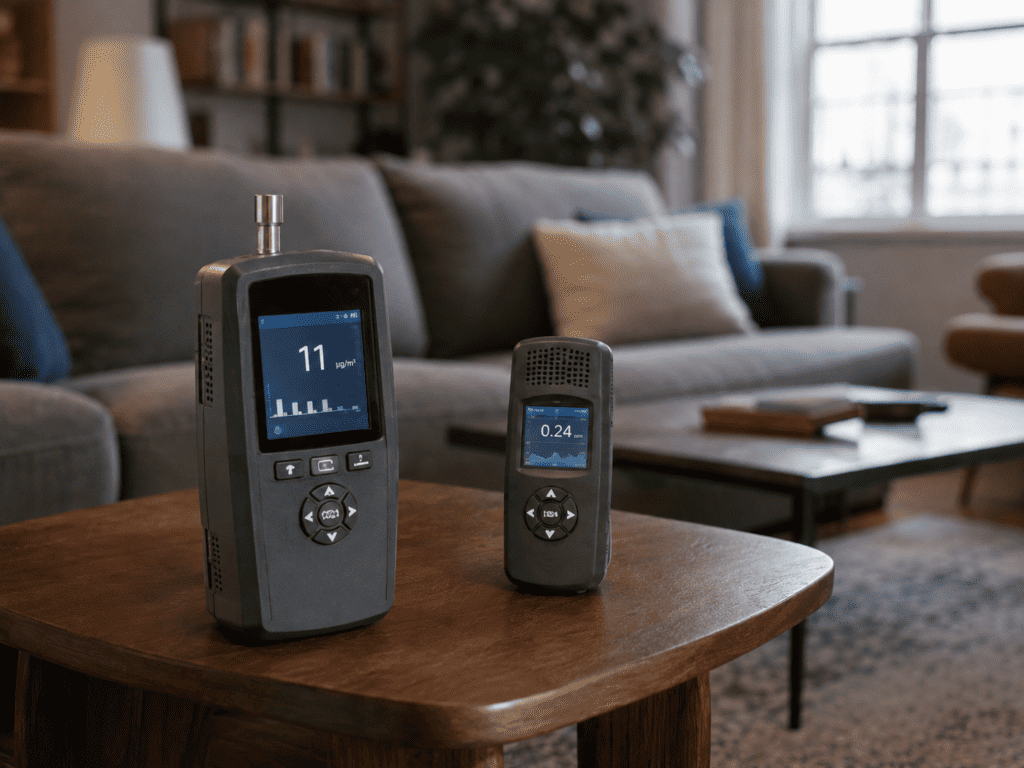
Indoor air quality testing is the process of evaluating indoor environmental conditions to identify pollutants and factors that may affect the air people breathe. Depending on the building, its history, and the concerns being investigated, an assessment may examine particulate matter, carbon monoxide, carbon dioxide, volatile organic compounds, humidity, temperature, and other relevant indicators. Some evaluations may also include targeted testing for mold or specific contaminants when there is a reason to investigate them. The exact testing approach depends on the property’s characteristics and the purpose of the assessment. A professional evaluation may involve examining different rooms, reviewing ventilation conditions, identifying potential pollutant sources, and collecting air or surface samples when appropriate. Testing results help establish a clearer picture of indoor environmental conditions and can guide decisions about cleaning, ventilation improvements, moisture control, or additional investigation.
Common Sources of Indoor Air Pollution
Indoor air pollution can originate from many everyday activities, building materials, household products, and mechanical systems. Cleaning chemicals, paints, adhesives, fragrances, tobacco smoke, cooking activities, and certain furnishings may release substances into the indoor environment. Dust, pet dander, pollen, and outdoor pollutants can also enter through doors, windows, and ventilation openings. Indoor air quality testing helps property owners investigate whether these potential sources are contributing to poor indoor conditions. Moisture problems may introduce another concern because damp materials can encourage mold growth and create conditions that affect indoor air. Poorly maintained HVAC equipment, dirty filters, and obstructed ventilation pathways may also contribute to the circulation of unwanted particles. Understanding where pollutants originate is an important step toward addressing them effectively. Without identifying possible sources, property owners may repeatedly clean visible surfaces while leaving the underlying indoor air concerns unresolved.
The Role of Professional Air Quality Assessments
Professional assessments provide a structured way to investigate indoor environmental concerns and determine which conditions may require attention. An experienced provider considers the building’s layout, ventilation system, occupancy, moisture history, and any reported concerns before recommending an appropriate evaluation. Indoor air quality testing can help establish whether specific pollutants or environmental conditions should be investigated further. A professional may inspect visible signs of moisture, examine air circulation, review filtration equipment, and determine whether targeted sampling is appropriate. Different properties require different approaches, so testing should be selected according to the actual concerns rather than using the same procedure in every situation. A thorough assessment also considers how the building is used and whether certain activities may influence indoor conditions. This helps property owners receive useful findings instead of relying on assumptions about what might be affecting their indoor environment.
Identifying Mold and Moisture-Related Concerns
Excess moisture is one of the important factors to investigate when evaluating indoor environmental conditions. Leaking pipes, roof damage, plumbing failures, condensation, flooding, and poor drainage can introduce moisture into walls, ceilings, floors, and other building materials. When damp conditions remain unresolved, mold may develop on suitable surfaces and contribute to indoor air concerns. Indoor air quality testing may be recommended when property owners notice musty odors, visible mold, recurring dampness, or a history of water damage. Depending on the situation, an assessment may include moisture inspections and targeted mold sampling. However, testing should not replace a proper investigation of the moisture source. Correcting leaks, drying affected materials, and addressing damaged building components are essential steps when moisture-related problems are discovered. A complete approach focuses on identifying both the environmental concern and the conditions that allowed it to develop.
Understanding Particulate Matter in Indoor Air
Particulate matter consists of tiny airborne particles that may come from dust, smoke, cooking activities, outdoor pollution, construction materials, and other sources. Some particles are large enough to settle on furniture and floors, while smaller particles may remain suspended in the air for longer periods. Indoor air quality testing can help evaluate particulate levels and determine whether indoor sources or inadequate filtration may be contributing to elevated concentrations. Activities such as sweeping, sanding, renovation work, and cooking may temporarily increase airborne particles. Outdoor air entering through windows and ventilation systems can also influence indoor particle levels. Proper cleaning practices, suitable filtration, and effective ventilation may help manage certain particulate sources. Property owners should consider the building’s activities and equipment when reviewing test findings because particle levels can change depending on occupancy, cleaning schedules, and environmental conditions.
Evaluating Volatile Organic Compounds
Volatile organic compounds, commonly known as VOCs, are chemicals that can be released into indoor air from certain products and materials. Paints, solvents, adhesives, cleaning products, furnishings, flooring, and building materials may contribute to VOC emissions. Some compounds can produce noticeable odors, while others may be difficult to detect without suitable testing equipment. Indoor air quality testing can help investigate VOC concerns when occupants report unusual chemical odors or when a property has recently undergone renovation, painting, or installation of new materials. The appropriate testing method depends on the suspected substances and the purpose of the assessment. Once potential sources are identified, property owners may consider selecting lower-emission products, improving ventilation, and following product instructions for safe use. Reducing unnecessary chemical sources can support better indoor environmental management and help prevent recurring air quality concerns.
Carbon Monoxide and Carbon Dioxide Considerations
Carbon monoxide and carbon dioxide are different gases that may be relevant when evaluating indoor environmental conditions. Carbon monoxide is a dangerous gas that can be produced by improperly operating fuel-burning equipment, while carbon dioxide is commonly associated with human occupancy and ventilation patterns. Indoor air quality testing may include evaluating these gases when the building’s equipment, ventilation arrangements, or reported concerns make such measurements appropriate. Carbon monoxide safety requires particular attention because it cannot be reliably detected by smell or appearance. Properly installed and maintained carbon monoxide alarms are essential safety devices, and suspected carbon monoxide exposure requires immediate action rather than waiting for a routine assessment. Carbon dioxide measurements, meanwhile, can provide information about occupancy-related ventilation conditions, although they do not identify every possible indoor pollutant. Understanding the difference between these measurements helps property owners interpret findings correctly and choose suitable improvements.
How Ventilation Affects Indoor Air Quality
Ventilation helps remove indoor contaminants, manage moisture, and bring fresh outdoor air into occupied spaces. When ventilation is inadequate, pollutants may accumulate, particularly in buildings with high occupancy or activities that generate fumes, particles, and moisture. Indoor air quality testing can help identify conditions that suggest ventilation problems and indicate whether further evaluation of the HVAC system is necessary. Blocked air returns, dirty filters, improperly adjusted dampers, and poorly maintained ventilation equipment may interfere with effective air movement. In some buildings, certain rooms may receive insufficient airflow while other areas experience excessive circulation. Evaluating ventilation involves considering the building’s design, occupancy, equipment, and intended use. Appropriate improvements may include maintaining ventilation components, correcting airflow restrictions, adjusting equipment settings, or consulting an HVAC professional about system performance.
The Connection Between HVAC Systems and Indoor Air
Heating, ventilation, and air conditioning systems play an important role in managing indoor temperature, airflow, filtration, and humidity. When HVAC equipment is neglected, dirty filters, accumulated debris, blocked components, and drainage issues may affect its ability to support suitable indoor conditions. Indoor air quality testing can help investigate whether certain environmental concerns may be connected to ventilation or HVAC performance. However, testing and equipment maintenance serve different purposes and should be considered together when necessary. A test may identify a concern, while a qualified HVAC technician can inspect the mechanical system and determine whether maintenance, repairs, or adjustments are appropriate. Regular filter replacement, coil cleaning, drainage inspections, and equipment servicing can help maintain system performance. Businesses and homeowners should follow manufacturer recommendations and select filters that are compatible with their HVAC equipment to avoid unnecessary airflow restrictions.
Humidity and Its Effect on Indoor Conditions
Humidity influences indoor comfort and can affect the condition of building materials, furnishings, and ventilation systems. Excessively high humidity may encourage condensation and create favorable conditions for mold growth, particularly when dampness continues for an extended period. Very low humidity can also contribute to discomfort and may affect certain materials. Indoor air quality testing may include humidity measurements to help determine whether moisture levels should be investigated as part of a broader indoor environmental assessment. Property owners can manage humidity by correcting leaks, maintaining ventilation, using suitable dehumidification equipment, and ensuring that HVAC systems operate properly. Bathrooms, kitchens, laundry rooms, basements, and storage areas may require particular attention because they can experience higher moisture levels. Monitoring indoor humidity and addressing the source of excess moisture can help reduce the risk of recurring problems and support a more stable indoor environment.
When Should Property Owners Consider Testing?
There are several situations in which property owners may benefit from a professional evaluation of indoor air conditions. Persistent musty odors, unexplained moisture, visible mold, recent water damage, renovation activities, and recurring ventilation concerns can all justify further investigation. Indoor air quality testing may also be appropriate when a building has experienced changes in occupancy, introduced new materials, or developed unusual indoor environmental conditions. Some property owners arrange assessments before purchasing, renovating, or reopening a building after a significant water-related incident. Others may request testing when they want a better understanding of their indoor environment or need information to guide improvement decisions. The need for testing should be based on the circumstances and the suspected pollutants rather than an assumption that every building has the same air quality concerns. A qualified professional can help determine which evaluation methods are suitable for the situation.
What Happens During an Indoor Air Quality Assessment?
The assessment process generally begins with a discussion about the building, its history, and the concerns that led to the evaluation. A professional may ask about odors, moisture problems, recent renovations, HVAC maintenance, occupancy patterns, and any visible signs of damage. Indoor air quality testing may then involve a visual inspection, environmental measurements, and targeted sampling depending on the assessment objectives. Measurements may be collected in selected rooms or areas to compare conditions and identify locations that require additional attention. When laboratory analysis is necessary, samples are handled according to the applicable testing procedure and submitted for appropriate evaluation. The findings should be interpreted in context because environmental readings can vary with weather, ventilation, occupancy, and building activities. A useful assessment explains what was evaluated, what the results indicate, and whether further investigation or corrective action is recommended.
Understanding Testing Results and Recommendations
Receiving test results is only one part of the evaluation process. Property owners also need to understand what the measurements mean, which findings are significant, and whether additional action is appropriate. Indoor air quality testing results should be interpreted according to the testing method, sampling conditions, applicable guidance, and the specific purpose of the assessment. Some findings may indicate that ventilation or filtration improvements should be considered, while others may require investigating moisture sources or particular pollutant-generating materials. Results should not be interpreted without considering the building’s overall condition and the limitations of the testing method. A professional report should explain the assessment process, identify relevant observations, and provide practical recommendations where appropriate. Clear explanations help property owners prioritize improvements and avoid spending money on solutions that do not address the actual source of the concern.
Benefits for Residential and Commercial Properties
Indoor environmental concerns can affect many different types of properties, from private residences and apartment buildings to offices, retail facilities, educational spaces, and commercial workplaces. Each building has unique occupancy patterns, ventilation arrangements, and potential pollutant sources. Indoor air quality testing helps property owners evaluate these conditions and make informed decisions about maintaining their indoor environments. In residential properties, an assessment may be useful when investigating moisture, odors, ventilation problems, or concerns following renovation. Commercial property managers may use testing to evaluate indoor conditions, review ventilation performance, and identify areas that require attention. Property owners can also use assessment findings to plan maintenance activities and communicate more clearly with HVAC, restoration, or building maintenance professionals. Although testing cannot guarantee that every possible contaminant has been identified, it provides useful information when the evaluation is properly designed and interpreted.
Choosing a Qualified Indoor Environmental Professional
Selecting the right professional is important because the usefulness of an assessment depends on the quality of the inspection, testing method, and interpretation. Property owners should look for providers who explain their procedures, understand the types of pollutants being investigated, and can communicate findings clearly. Reliable indoor air quality testing should be based on the property’s specific conditions rather than unnecessary testing or unsupported promises. Before arranging an assessment, it is helpful to ask what will be measured, whether samples will be sent to a laboratory, how results will be reported, and what limitations may apply. If mold, water damage, or HVAC concerns are involved, property owners should also understand whether separate inspections or specialized services may be required. For professional HVAC-related assistance and information about maintaining indoor environments, indoor air quality testing is a resource worth exploring when evaluating available service options.
Maintaining Better Indoor Air After Testing
An assessment can help identify concerns, but maintaining better indoor conditions requires appropriate follow-up. Property owners should address the sources of identified pollutants rather than relying only on air fresheners, temporary cleaning, or equipment that does not solve the underlying problem. Indoor air quality testing findings may lead to practical steps such as improving ventilation, replacing HVAC filters, correcting plumbing leaks, drying damp materials, cleaning contaminated surfaces, or reducing the use of certain chemical products. When mold or significant water damage is discovered, the affected materials and moisture source should be evaluated and handled using appropriate procedures. HVAC equipment should also receive regular maintenance to support airflow and filtration. Follow-up measurements may be useful in some situations to evaluate whether corrective work has improved the conditions that were originally investigated. A consistent maintenance approach helps property owners manage recurring concerns and keep their indoor spaces in better condition.
Conclusion
Clean indoor air is an important part of maintaining comfortable and well-managed residential and commercial properties. Pollutants, moisture, poor ventilation, HVAC maintenance problems, and chemical emissions can all influence indoor environmental conditions, even when a building appears clean. Indoor air quality testing provides valuable information about potential concerns and helps property owners decide which improvements may be necessary. By combining appropriate testing with ventilation maintenance, moisture control, proper filtration, and timely repairs, property owners can take a more informed approach to managing indoor air. Professional evaluation is particularly useful when unusual odors, visible moisture, water damage, or persistent environmental concerns require further investigation. Taking indoor air seriously supports better building maintenance and creates a more comfortable environment for the people who use the space every day.
Author

thedailygurdian@gmail.com
Related Posts

Restore Home Comfort with Reliable Furnace Repair Solutions
- 0
- 2,331 words
Introduction A properly functioning furnace is essential for maintaining a warm, comfortable indoor environment when temperatures drop. Whether a heating system serves...
Read out all
Home Security: Smart Ways to Protect Your Property and Family
- 0
- 2,217 words
Understanding the Importance of Home Security Creating a safe living environment is a priority for homeowners who want to protect their families,...
Read out all
Hotel Parking Lots: Essential Features, Smart Design, Safety, and Guest Convenience
- 0
- 3,078 words
A comfortable hotel experience begins long before guests enter the reception area or check into their rooms. For many travelers, the first...
Read out all
HVAC Repair: A Complete Guide to Maintaining Efficient Heating and Cooling Systems
- 0
- 3,085 words
A comfortable indoor environment depends heavily on a properly functioning heating, ventilation, and air conditioning system. Whether it is maintaining cool temperatures...
Read out all
Fence Installation: Improving Property Security, Privacy, and Outdoor Appeal
- 0
- 3,492 words
A well-designed fence is an important addition to any residential or commercial property because it provides security, privacy, and a clearly defined...
Read out all
Everything You Need to Know About Ground Preparation, Soil Management, and Construction Projects
- 0
- 2,592 words
Preparing land for construction requires careful planning, specialized equipment, and a clear understanding of soil conditions. Whether a property owner is planning...
Read out all