
- 0
- 3,103 words
Concrete has become an essential material in modern residential landscaping because it combines structural strength, design flexibility, and long-term practicality. Homeowners looking to improve their outdoor environments need surfaces that can withstand everyday use while complementing the appearance of their properties. From spacious patios and elegant walkways to durable driveways and customized entertainment areas, concrete offers solutions for a wide variety of residential improvement projects. Its adaptability makes it suitable for simple functional surfaces as well as decorative features that contribute to a property’s overall character. When carefully planned and professionally executed, concrete construction can create attractive outdoor spaces that remain useful for years. Understanding the materials, preparation methods, design possibilities, and maintenance requirements involved in a successful project helps property owners make informed decisions and achieve results that balance appearance with dependable performance.
The Foundation of Exceptional Outdoor Design
Every successful outdoor improvement project begins with a clear understanding of how the finished space will be used. A patio intended for family gatherings requires different design considerations from a driveway that must accommodate vehicles or a walkway connecting different areas of a garden. The dimensions, surface texture, drainage requirements, and expected weight loads all influence the construction process. Professional concrete installation involves evaluating these requirements before selecting materials or beginning site preparation, helping ensure that the finished surface meets the property’s practical needs. By establishing clear objectives at the beginning, homeowners can avoid unnecessary design changes and create outdoor areas that support their daily routines. Careful planning also makes it easier to coordinate concrete surfaces with existing landscaping, exterior architectural features, outdoor furniture, and other hardscaping elements, resulting in a more cohesive and functional environment.
Concrete provides considerable flexibility because it can be adapted to different shapes, dimensions, and decorative preferences. A simple rectangular slab may be ideal for a contemporary outdoor living area, while curved edges and carefully designed borders can create a softer appearance that complements gardens and natural landscaping. The material can also be combined with stone, brick, pavers, and decorative aggregates to introduce visual contrast without sacrificing practicality. Homeowners can choose understated finishes that emphasize clean lines or select textured patterns that make the surface a more prominent design feature. The most successful projects balance visual appeal with durability, accessibility, and ease of maintenance. Rather than treating concrete as a purely functional construction material, property owners can incorporate it into a broader design strategy that improves the relationship between indoor and outdoor living spaces.
Preparing the Ground for Lasting Stability
Ground preparation plays a major role in determining how well a concrete surface performs over time. Even a high-quality concrete mixture can experience premature cracking, settlement, or unevenness when placed over an unstable foundation. The preparation process generally begins with removing vegetation, loose debris, unsuitable soil, and other materials that could interfere with stability. Contractors then establish the required elevations and prepare the ground according to the project’s specifications. Depending on the soil conditions and intended application, a compacted aggregate base may be necessary to create a more uniform supporting layer. Proper compaction helps distribute loads and reduces the likelihood of movement beneath the finished surface. Although these preliminary steps may not be visible after construction, they provide the essential support needed for a durable result and can help reduce the risk of expensive repairs in the future.Drainage is equally important when preparing outdoor areas because water can create problems if it collects beneath or around concrete surfaces. Poor drainage may contribute to soil erosion, movement, standing water, and moisture-related deterioration. Before construction begins, contractors should examine the natural slope of the ground and determine how rainwater will move across the completed area. The design may need to account for nearby foundations, existing downspouts, garden beds, drainage channels, and surrounding paved surfaces. Establishing appropriate elevations allows water to flow away from vulnerable structures instead of accumulating in unwanted locations. Homeowners should also consider how the proposed surface will connect with existing pathways and entrances to prevent awkward level changes. Addressing drainage during the planning and preparation stages supports the long-term performance of the concrete while making the finished outdoor environment safer and more comfortable to use.
Selecting Materials for Strength and Durability
Choosing the right concrete mixture requires careful consideration of the project’s intended purpose and environmental conditions. Different applications place different demands on the material, which means the mixture and construction specifications should be appropriate for the expected loads and exposure. A pedestrian walkway may have different requirements from a driveway supporting repeated vehicle traffic or an outdoor area exposed to frequent moisture. Contractors must consider factors such as strength, workability, slab dimensions, reinforcement requirements, and applicable construction standards before determining the most suitable approach. Selecting materials according to these conditions helps ensure that the concrete develops the characteristics needed for its intended use. It also reduces the risk of relying on unsuitable specifications that may compromise the finished surface or create unnecessary maintenance concerns.The amount of water used in the concrete mixture is another important factor because it influences both workability and final strength. Although adding excessive water may make the material easier to spread initially, it can negatively affect the hardened concrete and increase the likelihood of surface problems. Experienced professionals follow appropriate mixing and placement procedures to maintain consistency and achieve the desired results. Reinforcement, when required by the project design, can help concrete resist certain stresses, while correctly placed joints provide designated areas for movement and cracking. These components must work together with a properly prepared base and suitable curing practices. Homeowners should understand that durability does not depend on a single product or construction technique. Instead, it results from a combination of appropriate materials, sound engineering decisions, careful workmanship, and attention to the specific conditions of the site.
Creating Beautiful and Functional Concrete Patios
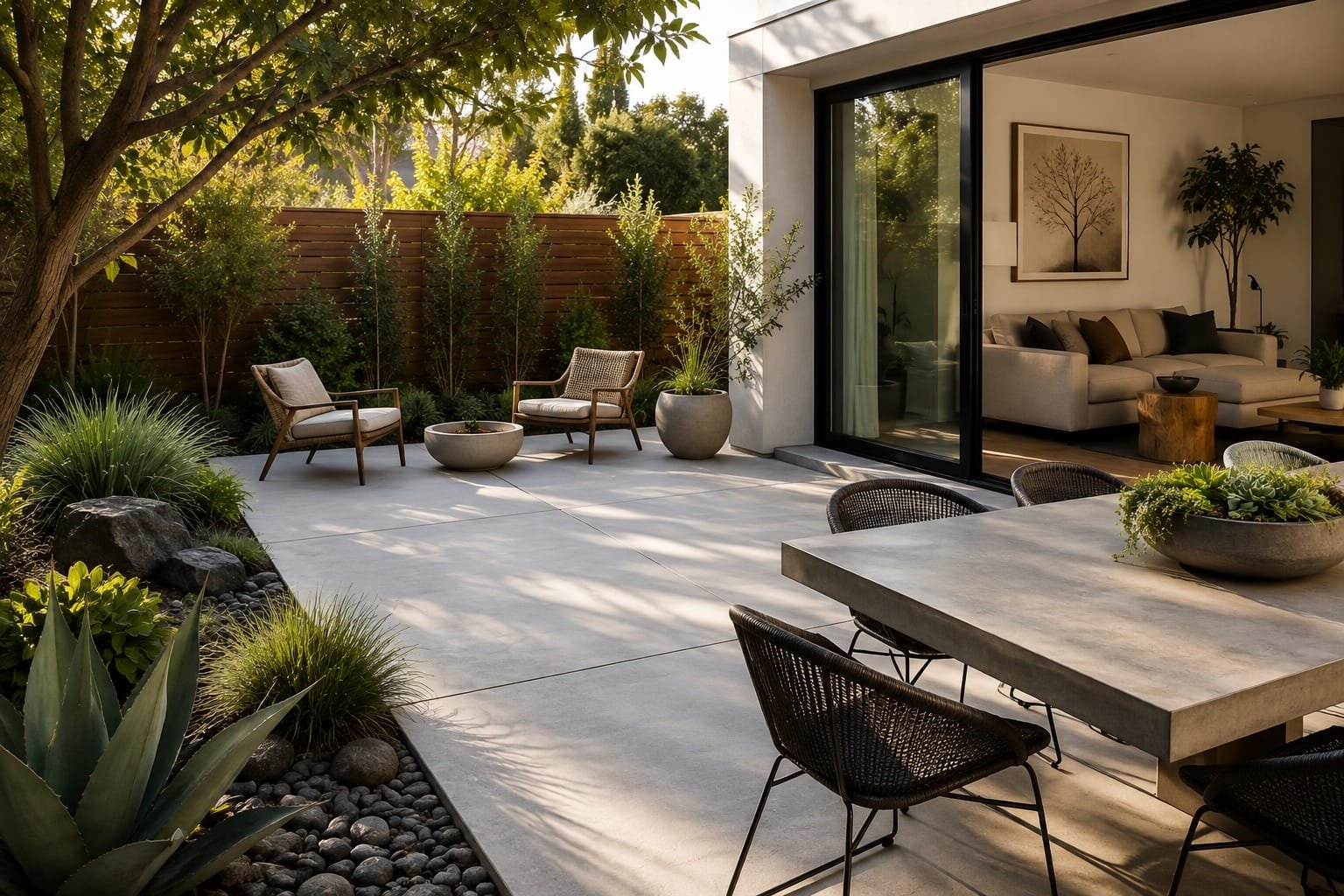
Patios are among the most popular applications for residential concrete because they provide flexible spaces for relaxation, dining, and outdoor entertainment. A well-designed patio can accommodate comfortable seating, dining tables, decorative planters, lighting, and other features that make an exterior area more inviting. Concrete creates a stable foundation for these activities while allowing homeowners to customize the surface according to their architectural preferences. Some may prefer a simple finish that creates a clean, understated appearance, while others may choose decorative textures and patterns that introduce greater visual interest. The layout should account for walking routes, furniture placement, access to exterior doors, and connections to nearby landscape features. Considering these details before construction begins helps prevent overcrowding and ensures that the completed patio remains practical as household needs change.The relationship between a patio and its surrounding landscape can significantly influence the overall design. Concrete surfaces can connect naturally with planting beds, lawns, retaining walls, and decorative stone features, creating a balanced transition between built and natural elements. Contrasting borders can define the patio’s edges, while carefully selected colors can complement the home’s exterior finishes. For larger outdoor spaces, dividing the design into separate zones can improve organization without requiring unnecessary structural complexity. One section might accommodate dining, while another provides a quiet seating area or a convenient connection to an outdoor kitchen. The finished layout should also consider sunlight, shade, drainage, and privacy. When these practical requirements are integrated with the visual design, a concrete patio becomes more than a paved surface; it becomes an extension of the home’s living environment.
Enhancing Walkways and Driveways
Walkways and driveways contribute to both the functionality and first impression of a property. Walkways provide convenient routes between entrances, gardens, patios, and other frequently used spaces, while driveways must support vehicle movement and withstand repeated loading. Their construction therefore requires attention to dimensions, surface texture, foundation stability, and drainage. A properly planned walkway should provide enough room for comfortable movement and connect logically with nearby destinations. Driveways require suitable structural specifications based on the expected traffic and site conditions. Contractors must also consider the slope and layout of these surfaces to support drainage and prevent water from collecting near buildings. Careful planning helps ensure that the finished areas remain accessible, visually appealing, and suitable for their intended purposes.Design choices can make these functional surfaces more attractive without compromising their performance. A straight walkway may complement a contemporary property, while a gently curved path can create a natural transition through a landscaped garden. Driveways can incorporate decorative borders, contrasting finishes, or patterns that coordinate with the home’s architectural style. Textured finishes may also be useful where traction is an important consideration, although the appropriate surface depends on the specific application and environmental conditions. Homeowners should avoid selecting decorative features without considering cleaning requirements, drainage, and expected wear. A balanced approach emphasizes practical construction first and visual enhancements second. By combining sound preparation with thoughtful design, concrete walkways and driveways can improve access, organize outdoor circulation, and contribute to a more polished exterior appearance.
Exploring Decorative Finishes and Custom Designs
Modern concrete finishing techniques provide numerous opportunities to create distinctive outdoor surfaces. Traditional gray concrete remains a practical choice for many applications, but decorative alternatives allow homeowners to achieve a more personalized appearance. Stamped concrete can reproduce patterns inspired by natural stone, brick, slate, or other materials, making it possible to introduce decorative character into patios and walkways. Exposed aggregate finishes reveal selected stones within the surface, creating texture and visual variation. Broom finishes offer a more understated appearance and can provide useful traction for many exterior applications. Each option has different installation requirements, maintenance considerations, and aesthetic characteristics, so the selection should reflect the intended use of the surface rather than appearance alone.Color can further enhance a concrete design by helping the finished surface coordinate with exterior walls, roofing materials, landscape features, and surrounding hardscaping. Depending on the project, color may be incorporated into the concrete mixture or applied through suitable surface treatments. Decorative borders and carefully planned patterns can also create visual definition without making the overall design appear overly complicated. Before making a final decision, homeowners should review samples and discuss how the selected finish may look under different lighting conditions. They should also ask about the expected appearance changes that can occur as the surface ages and experiences normal wear. Choosing a finish that suits both the property’s style and the homeowner’s maintenance preferences helps ensure that the final result remains attractive and practical over time.
Integrating Concrete with Outdoor Kitchens
Outdoor kitchens have become valuable additions to residential landscapes because they create convenient spaces for cooking, dining, and entertaining. Concrete can provide a durable foundation for these areas while helping establish a consistent design between cooking stations, dining spaces, and nearby patios. The layout should accommodate appliances, preparation counters, storage features, furniture, and comfortable walking routes. Contractors must also consider the placement of utility connections, drainage systems, and access points needed for future maintenance. These details are especially important when the outdoor kitchen is part of a larger renovation involving multiple landscape features. Coordinating the design before construction begins can help avoid conflicts between the concrete surface and the equipment or structures that will eventually occupy the space.The appearance of an outdoor kitchen can be enhanced through coordinated finishes and carefully arranged transitions. For example, a textured concrete patio may provide a practical base for the main cooking area, while decorative borders distinguish the dining section from the surrounding landscape. The selected surface should suit the expected traffic, exposure to food and grease, and cleaning requirements associated with outdoor cooking. Homeowners should also consider how the area will function during different seasons and whether shade, lighting, or additional seating may be needed. Proper planning helps create an organized environment that supports everyday use as well as special gatherings. When the foundation, layout, and finishing details are handled carefully, concrete can contribute to an outdoor kitchen that feels like a natural extension of the home.
Building Comfortable Fire Pit Areas
Fire pits create attractive gathering points where family members and guests can relax outdoors. A concrete surface can help define the surrounding seating area, establish stable footing, and connect the fire feature with nearby patios or walkways. However, the design must account for the type of fire pit, the manufacturer’s installation requirements, and the clearances needed to protect nearby structures and combustible materials. Appropriate heat-resistant components may be necessary, and the complete assembly should comply with relevant safety standards. Concrete should not automatically be assumed to be suitable for direct exposure to every type of fire or extreme heat. Selecting compatible materials and following the correct construction specifications helps ensure that the finished area is appropriate for its intended use.The surrounding layout also affects how comfortable and practical a fire pit area will be. Seating should allow enough room for people to move safely, while the surface should connect conveniently with nearby outdoor living spaces. Lighting can improve visibility after sunset, and coordinated landscaping can make the gathering area feel more integrated with the rest of the property. Drainage should be considered so that water does not accumulate around the fire feature or create slippery conditions. Homeowners may also want to leave sufficient room for additional seating or seasonal furniture. By balancing safety, functionality, and visual design, a concrete fire pit area can become an inviting outdoor feature that supports relaxation and social interaction.
Maintaining Concrete for Long-Term Value
Regular maintenance is important for protecting concrete surfaces and preserving their appearance. Dirt, leaves, food spills, and other debris should be removed before they accumulate or contribute to staining. Routine cleaning methods should be appropriate for the particular finish, especially when the surface includes decorative treatments or protective coatings. Homeowners should avoid using harsh chemicals or aggressive cleaning equipment unless the materials and manufacturer’s recommendations permit them. Periodic inspections can help identify cracks, uneven areas, drainage problems, and other changes that may require attention. Addressing these concerns early can prevent minor issues from becoming more complicated and expensive to repair. A consistent maintenance routine also helps outdoor spaces remain clean, accessible, and visually appealing.Sealers may provide additional protection for certain concrete surfaces by reducing moisture absorption or improving resistance to particular stains. However, the appropriate product depends on the type of concrete, its finish, environmental exposure, and intended use. Some surfaces may benefit from periodic resealing, while others may require a different maintenance approach. Homeowners should follow the product manufacturer’s instructions and ensure that the surface is properly prepared before applying any protective treatment. Drainage should also remain a priority because sealers cannot correct poor grading or an unstable foundation. With suitable maintenance, prompt repairs, and appropriate protective measures, homeowners can help preserve the condition of their concrete surfaces and extend their useful life.
Choosing Experienced Concrete Professionals
Selecting a qualified contractor is one of the most important decisions in any concrete improvement project. Homeowners should look for professionals who understand site evaluation, grading, base preparation, material selection, reinforcement requirements, joint placement, finishing, and curing. Reviewing previous work can provide useful information about the contractor’s attention to detail and experience with projects similar to the proposed design. A detailed estimate should explain the scope of work, materials, preparation requirements, expected schedule, and any exclusions that may affect the final cost. Clear communication helps establish realistic expectations and makes it easier to compare proposals based on the quality and completeness of the work rather than price alone.Homeowners should also ask contractors how they intend to manage drainage, protect surrounding landscaping, and maintain appropriate curing conditions. Understanding these procedures can help clarify whether the proposed work addresses the essential factors that influence long-term performance. A professional should be willing to explain the differences between available finishes, discuss realistic maintenance requirements, and recommend construction methods that suit the property’s needs. The cheapest estimate may not offer the best value if it excludes necessary preparation or important finishing steps. Evaluating experience, communication, project details, and workmanship provides a stronger basis for making a decision. Working with the right professional helps turn an outdoor improvement plan into a finished surface that meets functional requirements and complements the property’s design.
Increasing the Practical Value of Outdoor Spaces
Thoughtfully designed concrete surfaces can improve how homeowners use and enjoy their outdoor environments. A new patio can create additional room for entertaining, while an improved driveway can provide more convenient vehicle access. Well-planned walkways make movement between different areas easier, and coordinated hardscaping can give the landscape a more organized appearance. These improvements may also contribute to the property’s overall presentation by creating a consistent relationship between the home, garden, and outdoor living areas. Their practical value depends on how well the design addresses the household’s needs, the quality of construction, and the level of ongoing maintenance. For this reason, homeowners should consider both immediate improvements and long-term usability when planning a project.A successful outdoor renovation does not necessarily require an elaborate design or the most expensive materials. In many cases, a straightforward layout, suitable surface finish, and properly prepared foundation can deliver excellent results. The most important consideration is whether the completed space performs reliably and complements the property’s existing features. Homeowners who are planning several improvements may benefit from developing a coordinated design that allows individual elements to work together. This can help avoid unnecessary duplication, improve access, and create a more consistent appearance throughout the exterior. By focusing on practical requirements and thoughtful design, property owners can make informed investments that improve outdoor comfort while supporting the long-term usefulness of their homes.
Conclusion
Concrete offers an effective combination of durability, versatility, and design flexibility for a wide range of residential outdoor improvements. From attractive patios and functional driveways to decorative walkways, outdoor kitchens, and fire pit areas, it can help transform underused exterior spaces into practical environments for everyday living. Achieving dependable results requires careful planning, stable ground preparation, appropriate materials, effective drainage, proper joint placement, and adequate curing. Decorative finishes and coordinated landscaping can further improve the appearance of the completed project, while regular maintenance helps preserve its condition over time.
Homeowners who want lasting results should prioritize construction quality and choose designs that reflect the intended use of each outdoor area. Professional workmanship and quality concrete installation can help address the technical requirements that influence strength, stability, and long-term performance. By combining sound preparation with suitable materials and thoughtful finishing choices, property owners can create outdoor spaces that are both attractive and functional. A well-planned concrete project can support comfortable outdoor living, improve access around the property, and provide a durable foundation for future landscaping improvements.
Author

thedailygurdian@gmail.com
Related Posts

Choosing the Right Forklift Solutions for Efficient Material Handling
- 0
- 2,402 words
Modern warehouses, distribution centers, manufacturing facilities, and industrial operations depend on reliable equipment to move products safely and efficiently. From unloading heavy...
Read out all
Maintaining a Healthy Plumbing System with Professional Sewer Solutions
- 0
- 2,751 words
A properly functioning sewer system is one of the most important parts of maintaining a safe, clean, and comfortable residential or commercial...
Read out all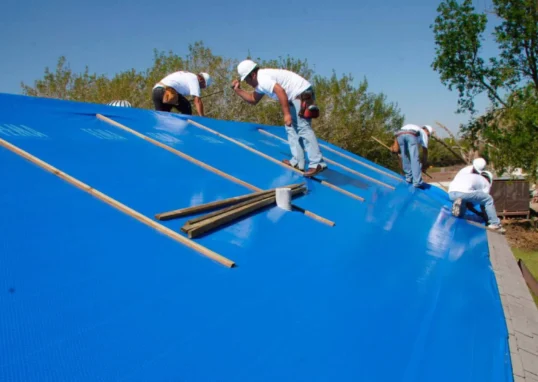
Roof Tarping: Immediate Protection Against Roofing Damage and Water Intrusion
- 0
- 2,055 words
A damaged roofing system can expose an entire property to serious problems, especially when heavy rainfall, strong winds, or severe storms create...
Read out all
Improving Heating Performance and Indoor Comfort Through Professional Furnace Cleaning
- 0
- 2,645 words
Understanding Why Furnace Cleaning Is Essential A furnace is one of the most important components of a property’s heating system because it...
Read out all
Protecting Your Property Through Professional Leak Detection
- 0
- 2,317 words
Understanding the Importance of Leak Prevention Plumbing systems play an essential role in everyday comfort, providing a dependable supply of water for...
Read out all
Metal Roof Replacement: A Complete Guide to Improving Roof Strength, Protection, and Performance
- 0
- 2,752 words
A roof is one of the most important structural components of any property because it protects the building from rain, wind, sunlight,...
Read out all