
- 0
- 876 words
A battery generator can replace a traditional backup generator for many household power needs, but the right choice depends on how long outages last, which appliances must remain operational, and how the system recharges. Battery-based systems store electricity for immediate use, while fuel-powered generators produce electricity as they operate. Some modern home backup systems combine battery storage, solar charging, and generator input. Understanding these differences helps homeowners choose a setup that matches their daily routines and emergency requirements.
What Determines Whether a Battery Generator Is Enough?
Runtime Depends on Stored Energy and Household Demand
Battery runtime depends on available capacity and the power consumed by connected appliances. A refrigerator, router, and several lights require less energy than a household running central air conditioning, electric cooking equipment, and multiple large appliances simultaneously. Homeowners should estimate essential loads in kilowatts and their expected operating hours to calculate the energy required in kilowatt-hours. For example, a 1 kW load running for eight hours consumes 8 kWh before accounting for system losses. A larger battery extends runtime, while reducing unnecessary consumption preserves stored energy. This calculation provides a more useful starting point than choosing a system based solely on its advertised capacity.
Starting Heavy Appliances Requires Sufficient Surge Power
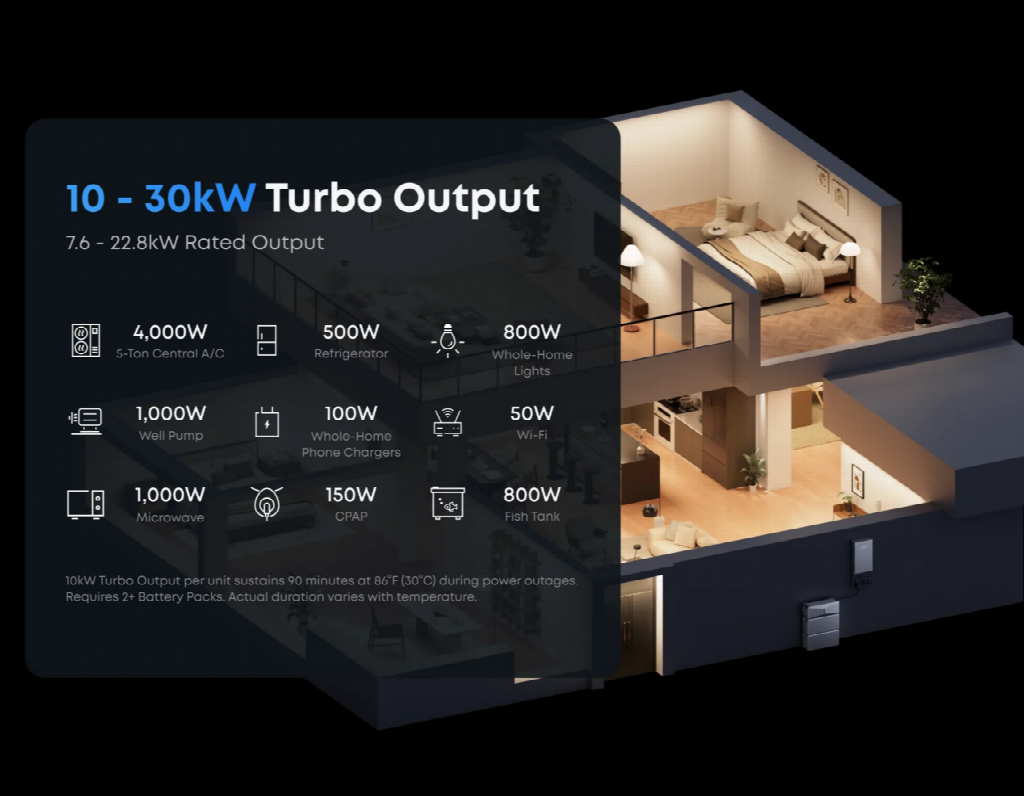
Some appliances draw substantially more power when their motors start than they require during normal operation. Central air conditioners are a clear example. A backup system must accommodate this brief surge as well as the continuous demand from other running equipment. Battery capacity alone does not establish whether a system can start a particular appliance; inverter output and surge capability also matter. Anker SOLIX E10 Whole-Home Backup delivers 7.6 kW of continuous output and 10 kW of turbo output for up to 90 minutes with two batteries. Its surge capability reaches 37.2 kW (155 LRA) per unit, supporting the starting requirements of a 5-ton central AC under the specified conditions.
Recharge Options Define the Length of an Outage
The ability to recharge determines whether a battery system can support repeated or extended outages. A fully charged battery may cover essential loads for a defined period, but continued operation requires another energy source once stored electricity runs low. Grid charging works when utility power returns. Solar charging can replenish the battery when sunlight is available, while a compatible best generator for home backup power can provide another charging route. Anker SOLIX E10 supports up to 9 kW of solar input per unit and 4.5 kW of DC generator input. Its Smart Generator charging capability adds flexibility for prolonged interruptions. The actual runtime depends on consumption, charging conditions, and how much energy becomes available during the outage.
Comparing Practical Performance and Whole-Home Integration
Automatic Switchover Matters for Sensitive Equipment
A backup system should restore power quickly enough for the household’s priorities. Computers, networking equipment, and other electronics may need uninterrupted operation to avoid unexpected shutdowns or lost work. Battery systems designed for automatic backup can transfer power without waiting for an engine to start. Anker SOLIX E10 pairs with the Power Dock, which has a specified switchover time of 20 milliseconds or less. The installation must still match the home’s electrical design and the equipment’s requirements. Homeowners should confirm which circuits receive backup power and whether sensitive devices need additional protection. Transfer speed is one part of the decision, alongside output capacity, electrical compatibility, and backup coverage.
Installation and Maintenance Shape Everyday Convenience
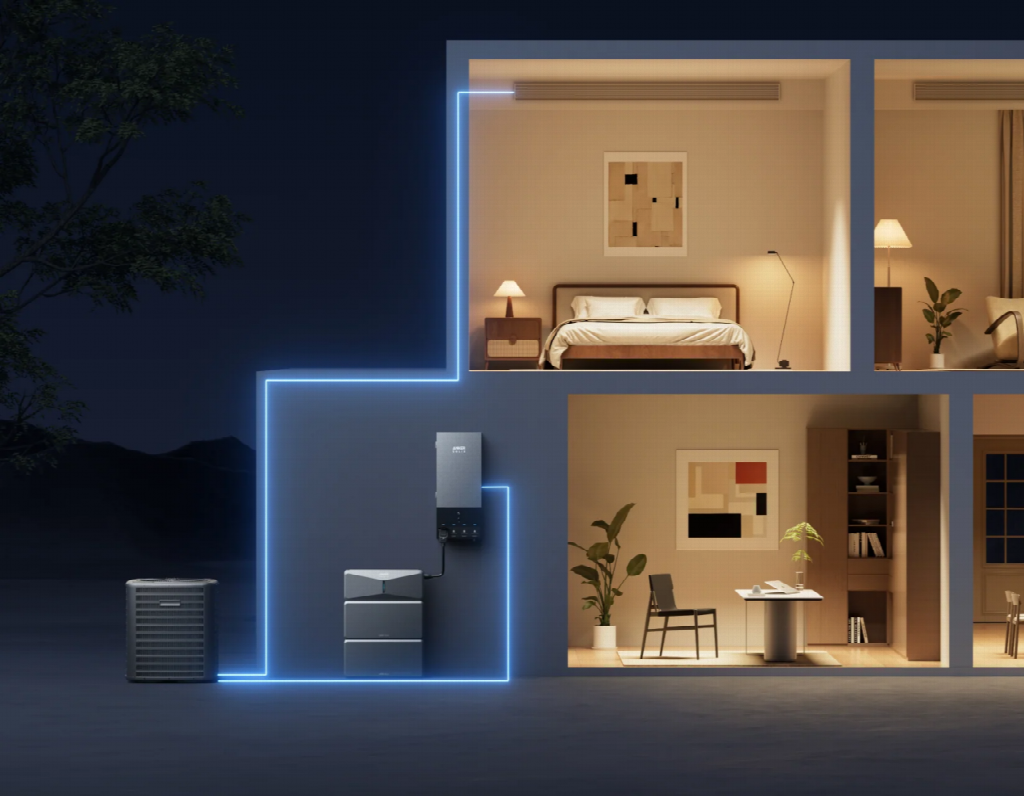
The practical difference between backup technologies extends beyond the moment an outage begins. Battery systems store electricity in advance and deliver it through power electronics. Fuel-powered generators require an appropriate fuel supply and routine maintenance based on their design. Both approaches need correct installation, safe operating conditions, and periodic checks. Before choosing a system, homeowners should review available installation space, electrical connections, environmental exposure, and local requirements. The E10 battery modules support floor or wall mounting, while the Power Dock is wall-mounted. The system is designed for integration with a compatible transfer switch and inlet box, allowing some existing electrical arrangements to remain in place when installation requirements are met.
A Hybrid Setup Can Cover More Situations
The choice does not always have to be between batteries and a traditional generator. A hybrid arrangement can use stored electricity for immediate backup and solar generation for replenishment, with a compatible generator supporting longer interruptions. This approach separates the need for fast power transfer from the challenge of sustaining energy supply over several days. Anker SOLIX E10 supports expansion from one unit to three, with total battery capacity reaching 90 kWh in a supported configuration with the Power Dock. One E10 provides 7.6 kW of continuous output, while three units can deliver up to 22.8 kW of continuous output. This modular design allows households to align system capacity with their electrical loads and backup objectives.
Conclusion
A battery generator can replace a traditional backup generator when its stored energy, output capability, and recharge options match the household’s needs. The best generator for home backup power depends on essential loads, outage duration, appliance starting requirements, and the availability of solar or other charging sources. For many homes, a battery-based system offers automatic backup and flexible energy management. Households facing prolonged outages should also plan how to replenish stored energy. Comparing these factors provides a sound basis for selecting a dependable backup arrangement.
Author

khizarnisar367@gmail.com
Related Posts
HVAC Repair: A Complete Guide to Maintaining Efficient Heating and Cooling Systems
- 0
- 3,085 words
A comfortable indoor environment depends heavily on a properly functioning heating, ventilation, and air conditioning system. Whether it is maintaining cool temperatures...
Read out all
Fence Installation: Improving Property Security, Privacy, and Outdoor Appeal
- 0
- 3,492 words
A well-designed fence is an important addition to any residential or commercial property because it provides security, privacy, and a clearly defined...
Read out all
Everything You Need to Know About Ground Preparation, Soil Management, and Construction Projects
- 0
- 2,592 words
Preparing land for construction requires careful planning, specialized equipment, and a clear understanding of soil conditions. Whether a property owner is planning...
Read out all
Building Stronger Emergency Communication Infrastructure Through Smart Wireless Network Planning
- 0
- 2,615 words
Introduction Reliable communication infrastructure is an essential part of modern building safety, emergency preparedness, and effective incident management. Hospitals, educational institutions, commercial...
Read out all
Sewer Camera Inspection: A Complete Guide to Detecting and Preventing Drainage Problems
- 0
- 2,643 words
Introduction to Sewer System Maintenance Maintaining a properly functioning sewer system is essential for keeping residential and commercial properties clean, safe, and...
Read out all
Smart Strategies for Managing Electrical Demands and Improving Property Safety
- 0
- 2,545 words
Introduction Electricity plays an essential role in modern homes and commercial properties, powering everything from lighting and kitchen appliances to heating systems,...
Read out all