
- 0
- 2,643 words
Introduction to Sewer System Maintenance
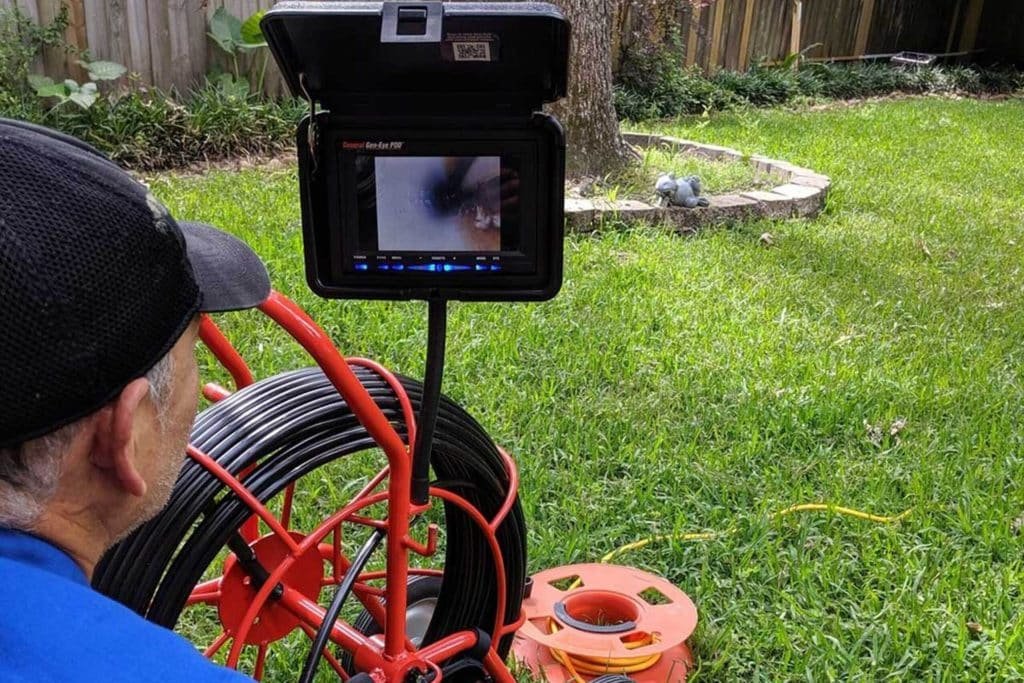
Maintaining a properly functioning sewer system is essential for keeping residential and commercial properties clean, safe, and comfortable. Drainage pipes carry wastewater away from buildings, and even a small obstruction or hidden defect can gradually develop into a serious plumbing problem. Traditional inspection methods often require extensive investigation, and locating the exact source of a problem can be difficult without specialized equipment. Modern sewer camera inspection provides a practical way to examine the interior of drainage pipes and identify potential concerns without immediately digging up the surrounding ground. This technology allows plumbing professionals to investigate underground pipelines, identify blockages, and evaluate the general condition of sewer systems. A specialized waterproof camera is inserted into an accessible drain opening and guided through the pipe while transmitting live video to a monitor. The resulting footage helps technicians understand what is happening inside the plumbing system and determine the most appropriate next steps. By using sewer camera inspection as part of a maintenance strategy, property owners can make more informed decisions, reduce unnecessary disruption, and address drainage concerns before they become more expensive to resolve.
What Is a Sewer Camera Inspection?
A sewer camera inspection is a diagnostic procedure that uses specialized video equipment to examine the interior of sewer lines and drainage pipes. The equipment typically includes a waterproof camera attached to a flexible cable or push rod, an illumination system, and a viewing monitor. As the camera moves through the pipe, the technician observes the footage to identify obstructions, cracks, damaged joints, corrosion, and other visible concerns. Some advanced systems also include distance counters or locating transmitters that help determine where a problem may be situated underground. The main purpose of this procedure is to provide a clearer understanding of a drainage system’s internal condition without relying exclusively on guesswork. Depending on the pipe’s size, accessibility, and condition, the camera may travel through a considerable length of the sewer line. The technician can pause the inspection, record important findings, and examine suspicious areas more closely. This information supports more accurate recommendations and helps distinguish between a temporary blockage and a structural defect that may require additional attention.
How Sewer Camera Technology Works
The inspection process usually begins with identifying a suitable access point, such as a cleanout or another accessible opening in the drainage system. Before inserting the equipment, the technician may ask about recurring backups, slow drains, unpleasant odors, or other symptoms that could indicate a plumbing problem. The camera is then carefully introduced into the pipe and advanced through the drainage system while the technician watches the live footage. Lighting built into the camera helps illuminate the pipe’s interior so that visible defects and obstructions can be examined. As the camera moves forward, the technician evaluates the pipe’s condition and records relevant observations. Depending on the equipment, distance measurements and electronic locating features can help estimate the position of a defect relative to an accessible point. A sewer camera inspection can reveal conditions that would otherwise remain hidden beneath floors, driveways, landscaping, or other structures. Once the examination is complete, the technician reviews the findings and explains whether cleaning, a targeted repair, further testing, or routine monitoring would be appropriate for the situation.
Common Problems Identified During an Inspection
Sewer lines can develop several types of problems as a result of aging materials, ground movement, improper installation, accumulated waste, and environmental conditions. Grease, soap residue, paper products, and other debris can gradually narrow the available passage and interfere with wastewater flow. Tree roots may also enter through small openings or defective joints, where moisture attracts their growth. These obstructions can cause recurring clogs, slow drainage, unpleasant smells, and wastewater backups that affect multiple fixtures throughout a property. Structural problems may be equally important because they can allow leaks, soil infiltration, or continued deterioration of the pipe. Cracks, separated joints, collapsed sections, and areas of corrosion can compromise the performance of a drainage system. A sewer camera inspection allows technicians to look for these visible warning signs and determine whether a blockage is the primary concern or whether the pipe itself may be damaged. Although camera footage cannot identify every possible underground issue, it provides valuable evidence that can guide further testing and repair planning.
Benefits of Inspecting Sewer Lines Before Problems Become Serious
One of the most significant benefits of sewer inspections is the ability to identify developing problems before they cause major disruption. A pipe may continue to carry wastewater even when it contains early signs of root intrusion, deposits, or minor structural damage. Without an internal examination, these conditions may remain unnoticed until a blockage becomes severe or wastewater begins backing up into the building. Early identification gives property owners more time to evaluate available solutions and plan maintenance around their needs. Another advantage is that targeted diagnosis can reduce unnecessary excavation and help avoid repairs that do not address the underlying cause. Instead of assuming that a recurring blockage is caused by ordinary debris, a technician can examine the pipe and look for other contributing factors. Sewer camera inspection also helps establish a record of the system’s condition, which may be useful when monitoring recurring problems or planning future maintenance. Although an inspection cannot guarantee that a sewer line will never fail, it can provide information that supports better decisions and more effective preventive care.
Signs That Your Sewer System May Need an Inspection
Several warning signs may indicate that a sewer line requires professional attention. Multiple slow drains, repeated toilet backups, gurgling sounds, and persistent unpleasant odors can suggest a problem within a shared drainage line. If sinks, showers, and toilets begin experiencing difficulties around the same time, the issue may extend beyond an individual fixture. These symptoms do not always confirm a sewer line defect, but they justify further investigation when they persist or repeatedly return after ordinary cleaning. Changes in the surrounding ground may also deserve attention, particularly when accompanied by drainage problems. Unexplained wet patches, localized ground settlement, or unusually green vegetation near a sewer route can sometimes be associated with a leaking underground pipe. However, these signs can have other causes, including irrigation problems and natural soil conditions. A sewer camera inspection can help investigate suspected internal defects and determine whether additional diagnostic work is necessary. Property owners should seek prompt professional assistance if wastewater enters living spaces or if sewage odors are accompanied by other signs of a potentially serious plumbing issue.
The Importance of Professional Inspection Services
Although camera technology is widely useful, obtaining reliable results requires suitable equipment and practical experience. A trained technician understands how to guide the camera through different pipe configurations, interpret visible defects, and recognize the limitations of the footage. Poor lighting, heavy deposits, standing water, pipe bends, and severe obstructions can make certain areas difficult to examine. An inexperienced operator may overlook important details or mistake normal pipe features for damage, potentially leading to unnecessary work or an incomplete diagnosis. Professional service should include an explanation of the inspection findings and recommendations based on the evidence observed. Depending on the situation, the technician may provide recorded footage, still images, distance measurements, or a written summary. Property owners should ask questions about the severity of any identified problem, the confidence of the diagnosis, and the available repair options. A good inspection service focuses on understanding the actual condition of the sewer line rather than automatically recommending the most extensive or expensive treatment.
Sewer Camera Inspections for Residential Properties
Residential sewer systems experience daily use from bathrooms, kitchens, laundry facilities, and other plumbing fixtures. Over time, grease, household waste, root growth, and pipe deterioration can affect drainage performance. Older homes may have pipes made from materials that are more vulnerable to corrosion, joint separation, or structural deterioration. Even newer systems can experience problems when installation defects, inappropriate waste disposal, or ground movement interfere with normal wastewater flow. A sewer camera inspection can be especially helpful when homeowners experience recurring drainage problems or want to understand the condition of an existing sewer line. It may also be useful before purchasing a property, particularly when the sewer system is old or its maintenance history is unclear. The inspection can identify visible concerns that may warrant further investigation before a purchase decision is finalized. However, the findings should be considered alongside other property assessments, because a camera examination alone does not evaluate every aspect of plumbing performance or guarantee the future condition of the entire system.
Commercial and Industrial Drainage Applications
Commercial properties often depend on drainage systems that handle larger wastewater volumes and more intensive daily use than typical residential systems. Restaurants, offices, retail buildings, apartment complexes, and industrial facilities may experience different drainage challenges depending on their activities. Grease accumulation, heavy usage, unsuitable waste disposal, and aging infrastructure can all contribute to blockages or deterioration. If drainage problems interrupt normal operations, the resulting inconvenience may affect employees, customers, tenants, and business productivity. Regular sewer maintenance can help facility managers identify developing issues and coordinate repairs before a major failure occurs. Sewer camera inspection provides useful visual information about accessible pipe sections and can support maintenance planning across larger drainage networks. For commercial facilities, inspection schedules should reflect the property’s usage, pipe materials, previous maintenance findings, and the consequences of a potential blockage. Industrial sites may require additional precautions or specialized procedures when wastewater contains unusual substances. Working with qualified professionals helps ensure that inspection and repair activities are appropriate for the system and its operating requirements.
Preparing for a Sewer Camera Inspection
Proper preparation can make an inspection more efficient and help technicians obtain useful footage. Property owners should describe any recurring symptoms, including when backups occur, which fixtures are affected, and whether previous cleaning or repair attempts have been successful. Information about the age of the plumbing system, known pipe materials, recent renovations, and previous sewer problems may also be helpful. These details can guide the technician toward the most relevant access points and areas that deserve closer examination. The technician may need access to cleanouts, utility areas, basements, or other parts of the property where drainage connections are located. Depending on the condition of the pipe, preliminary cleaning may be recommended to remove deposits that obstruct the camera’s view. However, cleaning should be considered carefully when the pipe may be structurally weakened, since certain methods can worsen existing damage. Before work begins, property owners should clarify the scope of the inspection, the expected cost, whether video or written documentation will be supplied, and whether any additional services require separate approval.
Understanding Inspection Results and Repair Recommendations
Once the camera examination is complete, the technician should explain the observations in clear, understandable language. The report may describe the location and appearance of visible obstructions, cracks, root intrusion, standing water, or other irregularities. Some findings indicate a relatively straightforward maintenance requirement, while others may suggest that the pipe needs a more detailed structural assessment. The recommended response should reflect the severity of the problem, the condition of the surrounding pipe, and the consequences of leaving the issue untreated. Not every visible irregularity requires immediate replacement or extensive excavation. Minor deposits may be addressed through appropriate cleaning, while root intrusion may require removal followed by evaluation of the damaged entry point. A severely collapsed or extensively deteriorated section may need more substantial repair. Sewer camera inspection helps technicians distinguish between these possibilities, but the final recommendation should also account for the pipe’s material, age, accessibility, and overall performance. Property owners should request an explanation of the available alternatives, their expected durability, and any limitations associated with each proposed solution.
Repair Options After Identifying Sewer Problems
The appropriate repair method depends on the type and severity of the defect identified during the inspection. Routine blockages may be treated through mechanical cleaning or other suitable methods that restore the pipe’s internal passage. Root intrusion can require specialized removal techniques, followed by an assessment of the joints or openings through which roots entered. If the pipe has developed cracks, separated connections, or other structural defects, the technician may recommend localized repairs or replacement of the affected section. Some damaged sewer lines may qualify for trenchless rehabilitation methods, such as installing a liner within an existing pipe. These approaches can reduce excavation in suitable circumstances, although they are not appropriate for every pipe or every type of damage. Severely collapsed lines, certain complex configurations, or other structural conditions may require excavation and conventional replacement. A professional should explain why a particular method is appropriate and whether additional preparation is necessary. After repairs or cleaning are completed, a follow-up camera examination can help verify the visible results and document the condition of the treated section.
Maintaining Your Sewer System Between Inspections
Good daily habits can help reduce the risk of avoidable sewer problems. Kitchen grease should not be poured into drains because it can cool, solidify, and contribute to deposits inside pipes. Wipes, sanitary products, paper towels, and other unsuitable materials should not be flushed, even when packaging suggests that certain products are disposable. Hair, food waste, and other debris should also be managed carefully to prevent unnecessary buildup in household drainage fixtures. Property owners should pay attention to recurring symptoms rather than relying on temporary solutions that repeatedly mask the same problem. If a drain continues to clog after cleaning, the cause may involve a deeper obstruction, an improperly configured pipe, or a structural defect. Scheduling professional maintenance according to the system’s condition and history can help address these concerns more effectively. Keeping records of inspections, cleaning, repairs, and recurring symptoms also makes it easier to identify patterns and determine when another assessment may be appropriate.
Choosing a Reliable Sewer Inspection Provider
Selecting a qualified service provider is important because the usefulness of an inspection depends on both the equipment and the technician’s ability to interpret the results. Property owners should look for relevant plumbing experience, suitable camera equipment, transparent pricing, and a willingness to explain findings. It is also helpful to ask whether the service includes recorded footage, a written report, or assistance locating identified defects. Clear information about the inspection’s scope helps prevent misunderstandings about what the service will and will not cover. Before approving work, customers should ask how the technician handles inaccessible pipe sections, heavy obstructions, and situations where the camera cannot provide a complete view. They should also request a clear explanation of any recommended repairs and whether alternative approaches are available. When researching sewer camera inspection services, it is sensible to compare the quality of the proposed assessment rather than choosing solely on price. A trustworthy provider should communicate honestly about uncertainty, distinguish observed damage from suspected problems, and avoid promising results that the available evidence cannot support.
Conclusion
Maintaining a healthy sewer system requires attention to warning signs, appropriate preventive care, and accurate diagnosis when drainage problems develop. Hidden blockages and structural defects can remain unnoticed until they cause repeated backups, unpleasant odors, property damage, or costly disruption. Modern camera equipment makes it easier to examine accessible pipe interiors and gather useful information before deciding which maintenance or repair approach is most appropriate. By understanding the condition of their drainage systems, property owners can plan repairs more confidently and avoid relying entirely on guesswork. Ultimately, sewer camera inspection is a valuable diagnostic tool for residential, commercial, and other suitable drainage systems. It helps technicians investigate visible obstructions, assess accessible pipe sections, and explain potential solutions based on actual observations. When combined with responsible waste disposal, regular maintenance, professional workmanship, and clear service records, this technology can support more effective sewer management. Addressing problems early and choosing repairs that match the condition of the pipe can help protect property, maintain dependable wastewater flow, and reduce the likelihood of avoidable plumbing emergencies.
Author

thedailygurdian@gmail.com
Related Posts
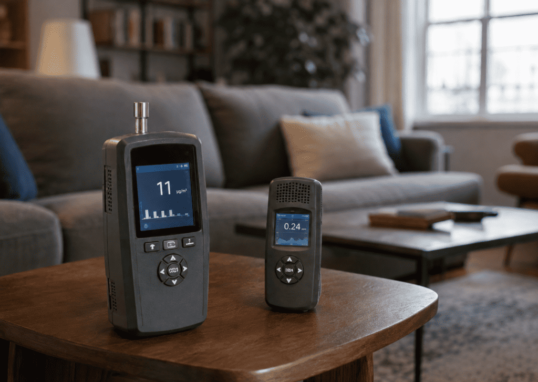
Indoor Air Quality Testing: Creating Healthier and More Comfortable Indoor Environments
- 0
- 2,600 words
Understanding the Importance of Indoor Air Quality The quality of the air inside a building can have a significant impact on comfort,...
Read out all
Restore Home Comfort with Reliable Furnace Repair Solutions
- 0
- 2,331 words
Introduction A properly functioning furnace is essential for maintaining a warm, comfortable indoor environment when temperatures drop. Whether a heating system serves...
Read out all
Home Security: Smart Ways to Protect Your Property and Family
- 0
- 2,217 words
Understanding the Importance of Home Security Creating a safe living environment is a priority for homeowners who want to protect their families,...
Read out all
Hotel Parking Lots: Essential Features, Smart Design, Safety, and Guest Convenience
- 0
- 3,078 words
A comfortable hotel experience begins long before guests enter the reception area or check into their rooms. For many travelers, the first...
Read out all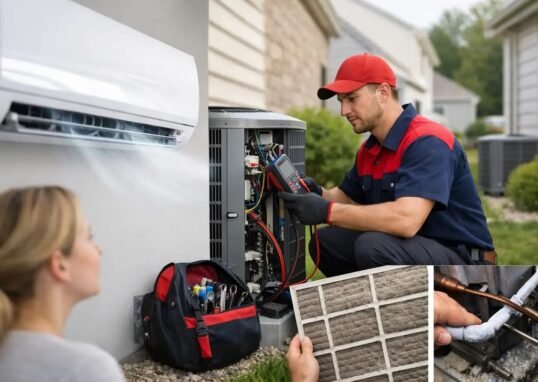
HVAC Repair: A Complete Guide to Maintaining Efficient Heating and Cooling Systems
- 0
- 3,085 words
A comfortable indoor environment depends heavily on a properly functioning heating, ventilation, and air conditioning system. Whether it is maintaining cool temperatures...
Read out all
Fence Installation: Improving Property Security, Privacy, and Outdoor Appeal
- 0
- 3,492 words
A well-designed fence is an important addition to any residential or commercial property because it provides security, privacy, and a clearly defined...
Read out all