
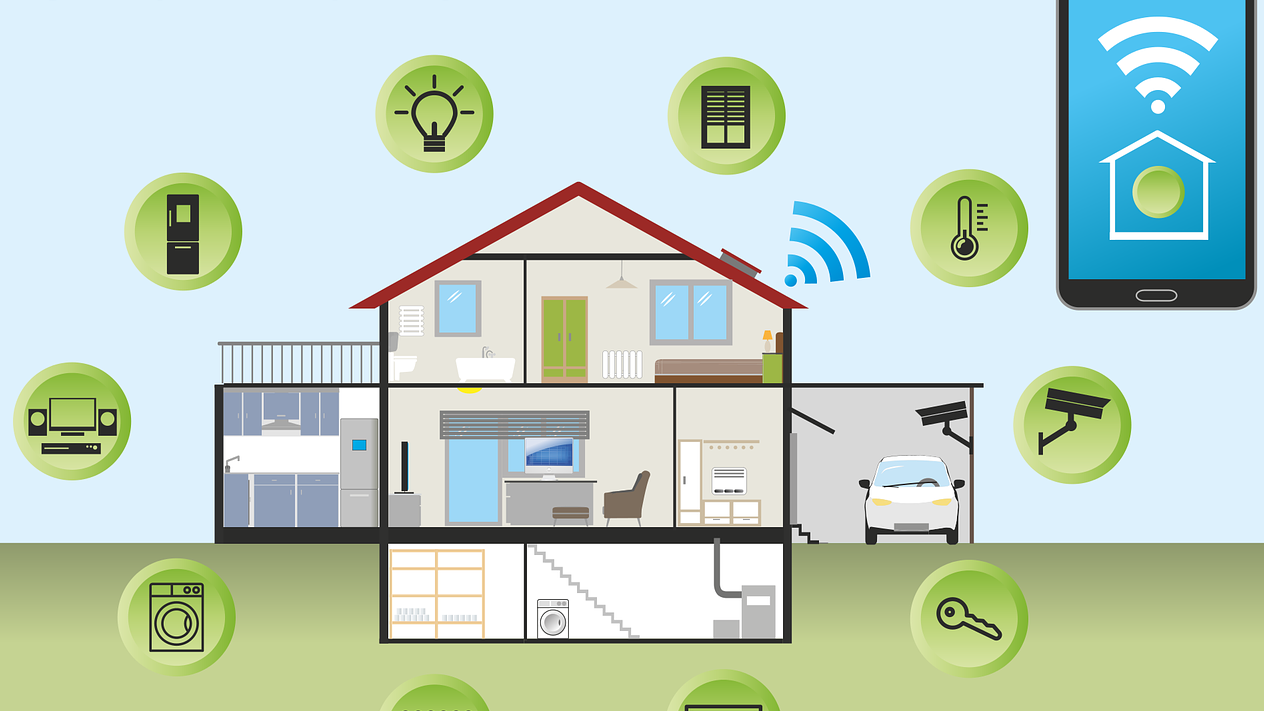
- 0
- 2,545 words
Introduction
Electricity plays an essential role in modern homes and commercial properties, powering everything from lighting and kitchen appliances to heating systems, computers, and electric vehicle chargers. As technology advances, electrical demand continues to increase, placing additional pressure on existing electrical systems. Older wiring, limited circuit capacity, and outdated distribution equipment may struggle to support modern appliances safely and efficiently. Understanding how electrical systems work and recognizing when improvements are necessary can help property owners maintain reliable power while reducing the risk of electrical problems. A well-maintained electrical system supports everyday convenience, protects connected equipment, and provides the foundation for future improvements. However, managing electrical demand requires more than simply adding circuits or replacing individual components. Property owners must consider overall power consumption, circuit protection, wiring condition, and the capacity of the electrical service. Careful planning and professional inspections can identify potential weaknesses, improve system performance, and help ensure that the electrical infrastructure remains suitable for changing household and business requirements.
Understanding Modern Electrical Demands
Modern properties depend on a growing number of electrical devices, including air conditioning systems, electric ovens, washing machines, entertainment equipment, and home office technology. When several high-powered appliances operate simultaneously, the electrical system must distribute enough power without exceeding the capacity of individual circuits or the overall supply. Understanding how these loads interact helps property owners identify areas where better electrical planning may be necessary. It also helps prevent the common mistake of assuming that an electrical system can support every new appliance without an assessment. Electrical demand varies according to property size, equipment type, occupancy, and daily usage patterns. A household that operates several high-powered appliances at the same time may have different requirements from one that uses most equipment during separate periods. Commercial properties may face additional demands from machinery, computer systems, lighting, and specialized equipment. A qualified electrician can assess these requirements and determine whether the existing infrastructure provides adequate capacity for normal operation and anticipated future use. Managing electrical demand effectively can improve convenience and reduce avoidable interruptions. Property owners should identify equipment that requires dedicated circuits and understand the limits of their existing electrical systems. Large appliances should be connected according to manufacturer instructions and applicable electrical standards. Professional load calculations can help determine whether additional circuits, improved distribution equipment, or changes to the electrical service are needed to support modern energy requirements safely.
Recognizing Signs of Electrical System Problems
Electrical problems often provide warning signs before a more serious failure occurs. Frequently tripping circuit breakers, flickering lights, buzzing sounds, and unusual burning odors may indicate overloaded circuits, loose connections, damaged components, or other faults. These symptoms should never be ignored, particularly when they occur repeatedly or affect multiple areas of a property. Identifying the cause early can help prevent equipment damage, electrical interruptions, and potentially dangerous conditions. Visible damage around switches, outlets, or electrical panels also requires attention. Discoloration, melted plastic, scorch marks, or unusual warmth may suggest overheating or a poor electrical connection. If smoke, sparks, or signs of fire appear, occupants should keep away from the affected equipment, leave the area if necessary, and contact emergency services. Electrical panels and exposed wiring should never be opened or handled by unqualified individuals attempting to investigate a suspected fault. Some electrical issues develop gradually and may not produce obvious warning signs. Older wiring, deteriorated insulation, outdated protective devices, or insufficient grounding can affect system safety even when the lights and appliances appear to operate normally. Regular professional inspections are particularly valuable in older properties or buildings undergoing renovation. A qualified electrician can assess the condition of important components and recommend improvements based on actual risks and electrical requirements.
Improving Electrical Capacity for Modern Appliances
As households and businesses adopt more electrical equipment, existing distribution systems may need to be evaluated to determine whether they can support the additional demand. High-powered appliances such as electric water heaters, heating systems, air conditioners, and vehicle chargers can place substantial loads on an electrical supply. When the existing equipment cannot safely accommodate these requirements, suitable improvements may be necessary. An electrical panel upgrade can provide additional circuit capacity or replace outdated equipment when supported by an appropriate assessment of the entire electrical system. However, installing a larger panel does not automatically increase the amount of electricity available from the utility supply. The incoming service, conductors, circuit ratings, and overall load calculations must also be considered. A property may have sufficient panel space but limited service capacity, or it may have adequate supply capacity but insufficient space for additional circuits. Understanding these differences helps property owners avoid unnecessary spending and select the correct solution for their circumstances. Professional load calculations are essential before making significant changes. An electrician reviews existing appliances, proposed additions, expected operating patterns, and relevant electrical standards to determine the required capacity. Depending on the findings, the best solution might involve adding a dedicated circuit, redistributing loads, installing compatible load-management equipment, or modifying the electrical service. Choosing improvements based on verified requirements supports reliable operation without introducing unnecessary complexity.
The Importance of Circuit Protection
Circuit breakers and other protective devices help protect electrical systems by interrupting power under specified fault or overcurrent conditions. Each breaker must be suitable for the circuit it protects, including the wiring size, connected equipment, and applicable electrical requirements. When a circuit repeatedly trips, the cause should be investigated rather than bypassed. Installing a higher-rated breaker without confirming that the wiring can safely handle the current may create a serious overheating and fire hazard. Different electrical circuits may require different types of protection depending on their purpose and installation environment. Ground-fault protection can help reduce the risk of electric shock in circumstances where leakage current is detected, while arc-fault protection can help address certain dangerous electrical arcing conditions. The specific requirements depend on local regulations, the building type, and the equipment involved. A qualified electrician can determine which protective devices are appropriate for each part of the system. Surge protection may also be beneficial for protecting sensitive electronics and compatible appliances against certain voltage surges. Computers, communication equipment, televisions, and other electronic devices may be affected by transient voltage events. However, surge protection is not a substitute for proper grounding, correctly rated circuit breakers, or safe wiring. A comprehensive approach considers the different risks and uses suitable protective measures as part of the overall electrical design.
Planning Electrical Improvements Carefully
Successful electrical improvements begin with an assessment of the property’s current condition and future requirements. Property owners should identify appliances that consume substantial power, note any recurring electrical problems, and consider equipment they expect to add in the coming years. This information helps electricians understand how the system is used and where improvements may be needed. Planning ahead can also reduce the likelihood of repeating expensive work when new equipment is introduced later. The assessment should include the electrical panel, circuit breakers, wiring, outlets, grounding, and service capacity. Any signs of deterioration or unsafe previous modifications should be investigated before additional loads are connected. In some cases, relatively simple repairs may address the issue, while older or unsuitable infrastructure may require more extensive improvements. The recommended solution should be based on the condition of the equipment and the calculated electrical demand rather than assumptions about what a property needs. Property owners should request a clear written estimate before major work begins. The estimate should describe the proposed work, equipment specifications, labor charges, expected power interruptions, and any additional repairs that may be required. Depending on the project and applicable rules, permits, inspections, or coordination with the electricity provider may also be necessary. Clear communication helps property owners understand the process, prepare their budget, and avoid unexpected complications.
Managing Energy Consumption More Effectively
Reducing unnecessary electricity use can help control operating costs and make better use of the existing electrical infrastructure. Simple measures include switching off equipment when it is not needed, replacing inefficient lighting, and choosing appliances with suitable energy-efficiency ratings. Although these steps do not replace the need for adequate electrical capacity, they can help reduce wasted energy and improve everyday efficiency. Understanding which devices consume the most electricity allows property owners to prioritize practical changes. Lighting is a useful starting point because many properties have opportunities to replace inefficient bulbs with LED alternatives. LEDs generally consume less electricity than comparable incandescent bulbs and can provide a long operating life when selected and used correctly. Occupancy sensors, timers, and suitable dimmer controls may also reduce unnecessary lighting in areas that are not constantly occupied. Selecting products compatible with existing fixtures and controls helps ensure that these improvements work reliably. Heating, cooling, and water heating can also account for substantial electricity consumption, depending on the equipment and usage patterns. Maintaining appliances according to manufacturer guidance, using suitable temperature settings, and addressing poor performance can improve efficiency. Smart controls may help schedule equipment operation around daily routines, although the benefits depend on the specific system and how it is used. Combining practical energy-saving habits with professional electrical planning can support a more efficient and dependable property.
Preparing for Electric Vehicle Chargers and New Technology
Electric vehicles, home battery systems, and advanced heating equipment are creating new electrical requirements for many properties. A dedicated vehicle charger can draw substantial power for extended periods, making it important to assess the existing service and distribution equipment before installation. The charger’s output, the vehicle’s charging capabilities, and the property’s other electrical loads all influence the most suitable arrangement. Professional planning helps ensure that the charging system can operate safely without placing excessive demand on the existing infrastructure. Some properties may benefit from load-management technology that adjusts equipment operation according to the available electrical capacity. Compatible systems can monitor household demand and reduce the power supplied to selected devices when other appliances are operating. This may help manage simultaneous loads, but it must be designed correctly and cannot replace required protective devices or a proper electrical assessment. Property owners should confirm compatibility with the equipment and follow applicable installation standards. Renewable energy systems and battery storage can introduce additional considerations. Solar installations, backup power systems, and home batteries may require specialized protective equipment, suitable connections, and careful coordination with the existing electrical supply. Not every property needs these technologies, but considering realistic future plans during electrical assessments can help avoid unnecessary modifications later. A flexible design should provide the necessary capacity and safety without paying for equipment that is unlikely to be used.
Maintaining Electrical Safety Throughout the Property
Everyday electrical safety depends on proper equipment, appropriate usage, and timely attention to problems. Damaged cords, loose outlets, overloaded power strips, and unsuitable extension cables can create risks when used incorrectly. Property owners should replace damaged equipment and avoid connecting multiple high-demand appliances to an outlet or circuit that is not designed to support them. Manufacturer instructions and electrical ratings should always guide how equipment is connected and operated. Electrical panels and distribution equipment should remain accessible and free from stored items. Clear access allows qualified professionals to inspect components and respond more easily when maintenance or repairs are necessary. Circuit labels should be accurate and readable so that individual circuits can be identified when required. Homeowners should not remove panel covers, handle exposed conductors, or attempt repairs that require electrical training and appropriate safety equipment. Outdoor electrical equipment requires additional consideration because moisture, dust, temperature changes, and physical damage can affect performance. Outdoor outlets, lighting, and charging equipment should be suitable for their environment and installed with the required protective measures. Any signs of water entering electrical equipment should be treated seriously. Regular professional inspections and prompt repairs can help maintain safe operation throughout the property.
Choosing Qualified Electrical Professionals
Electrical work should be performed by qualified professionals who understand the relevant codes, equipment specifications, and safe installation procedures. When choosing an electrician, property owners should verify appropriate licensing or credentials where required, relevant experience, and suitable insurance coverage. It is also helpful to request a detailed quotation and ask how the proposed work will address the identified electrical concerns. Clear communication before installation can reduce misunderstandings and help ensure that the project meets the property’s needs. A reliable professional should explain the difference between necessary safety repairs and optional improvements. They should also identify whether the existing service can support proposed appliances or whether additional work may be required. Recommendations should be based on inspection findings, electrical load calculations, and applicable standards rather than pressure to purchase unnecessary equipment. For larger projects, property owners may find it useful to compare multiple detailed quotations. After completing the work, the electrician should carry out appropriate checks and explain any important operating considerations. Property owners should keep invoices, equipment documentation, inspection records, and information about any warranties. These records can assist with future maintenance, troubleshooting, or additional electrical improvements. Working with qualified professionals supports safer installation and gives property owners a clearer understanding of their electrical systems.
Long-Term Benefits of Proper Electrical Planning
A well-planned electrical system can support changing household and business requirements while improving day-to-day reliability. Suitable circuit capacity, correctly rated protective devices, and properly maintained wiring help reduce problems associated with overloaded circuits and unsuitable connections. When future equipment is considered during the planning process, property owners may also find it easier to add appliances or introduce new technologies without unnecessary disruption. Electrical improvements can also contribute to better property management. Clearly labeled circuits, organized distribution equipment, and documented installation work make future maintenance easier for electricians and property owners. Energy-efficient equipment may help control operating expenses, while suitable protective measures can reduce exposure to certain electrical hazards. The actual benefits depend on the condition of the original system, the quality of the work, and how the equipment is used. An electrical panel upgrade may be one part of a broader improvement strategy when an assessment identifies outdated equipment, insufficient circuit spaces, or inadequate capacity. However, panel replacement should be considered alongside the incoming service, wiring condition, grounding, and other system requirements. A comprehensive approach focuses on solving the actual problem and ensuring that all connected components work together safely.
Conclusion
Managing electrical demands effectively requires a clear understanding of current power consumption, circuit capacity, equipment condition, and future requirements. As modern properties rely on more appliances and advanced technology, electrical systems must be assessed to ensure they remain suitable for everyday use. Recognizing warning signs, maintaining protective devices, and addressing faults promptly can help reduce avoidable interruptions and improve overall safety. Professional inspections and careful planning help property owners determine which improvements are necessary and how best to manage their budgets. Whether the solution involves repairing an existing circuit, improving protection, adding dedicated circuits, or completing an electrical panel upgrade, the work should be based on verified electrical requirements and applicable safety standards. Qualified installation also helps ensure that new equipment operates reliably with the existing electrical infrastructure. Ultimately, a safe and dependable electrical system depends on suitable equipment, responsible usage, regular maintenance, and informed decisions. By managing electricity consumption, planning for new appliances, and seeking professional advice when problems arise, property owners can support long-term reliability and prepare for changing energy needs. These practical strategies help create a safer, more efficient environment while ensuring that electrical improvements deliver meaningful value.
Author

thedailygurdian@gmail.com
Related Posts
HVAC Repair: A Complete Guide to Maintaining Efficient Heating and Cooling Systems
- 0
- 3,085 words
A comfortable indoor environment depends heavily on a properly functioning heating, ventilation, and air conditioning system. Whether it is maintaining cool temperatures...
Read out all
Fence Installation: Improving Property Security, Privacy, and Outdoor Appeal
- 0
- 3,492 words
A well-designed fence is an important addition to any residential or commercial property because it provides security, privacy, and a clearly defined...
Read out all
Everything You Need to Know About Ground Preparation, Soil Management, and Construction Projects
- 0
- 2,592 words
Preparing land for construction requires careful planning, specialized equipment, and a clear understanding of soil conditions. Whether a property owner is planning...
Read out all
Building Stronger Emergency Communication Infrastructure Through Smart Wireless Network Planning
- 0
- 2,615 words
Introduction Reliable communication infrastructure is an essential part of modern building safety, emergency preparedness, and effective incident management. Hospitals, educational institutions, commercial...
Read out all
Sewer Camera Inspection: A Complete Guide to Detecting and Preventing Drainage Problems
- 0
- 2,643 words
Introduction to Sewer System Maintenance Maintaining a properly functioning sewer system is essential for keeping residential and commercial properties clean, safe, and...
Read out all
Essential Factors to Consider When Choosing the Right Energy Storage Solution for Long-Term Performance
- 0
- 2,597 words
Introduction Energy storage has become an important part of modern energy management as homeowners and businesses look for practical ways to improve...
Read out all