
- 0
- 1,944 word
Key Takeaways
- Recognize hazardous tree conditions early. Leaning trunks, major cracks, dead branches, decay, exposed roots, and storm damage can signal that a tree needs professional evaluation.
- Use controlled removal methods near structures and utilities. Site-specific planning, sectional dismantling, rigging, specialized machinery, and crane assistance can help protect people and property.
- Consider the full removal process before work begins. Property owners should review permits, access, cleanup, hauling, stump work, and other project details when requesting an estimate.
A dead, leaning, split, or storm-damaged tree can create an urgent concern for a home, driveway, sidewalk, fence, or utility area. Roots Up Tree Company provides tree removal service in Boulder, CO for property owners who need a practical plan for managing hazardous, difficult-to-access, or declining trees. Prompt evaluation can be particularly important after high winds, heavy snow, or soil-saturating moisture, since those conditions can expose weaknesses that were not obvious during routine yard maintenance.
Every removal requires a site-specific approach. Tree condition, height, nearby structures, access, weather, and available landing space all affect how a crew can safely complete the work. Roots Up Tree Company uses controlled cutting, rigging, specialized machinery, and crane-assisted removal when the situation calls for additional control. The goal is not simply to get the tree on the ground; it is to manage each stage of the work in a way that accounts for the property, surrounding landscape, and people who use the area.
How Can Roots Up Tree Company Help When a Tree Becomes a Safety Risk?
Roots Up Tree Company assesses trees that are dead, damaged, unstable, diseased, or positioned where a failure could affect people or property. The crew can recommend removal when trimming or other care measures are unlikely to provide an acceptable level of safety. Work can include dismantling a tree in sections, moving material from tight areas, hauling debris, and leaving the work area clear.
Hazards are not limited to trees that have already fallen. A tree may still be standing but have a weakened trunk, compromised roots, broken limbs, or a pronounced lean that deserves professional attention before conditions worsen. Even a healthy-looking canopy does not always confirm that the trunk or roots remain sound, especially where a tree has experienced construction impacts, repeated storm exposure, visible decay, or changes in soil grade around its base.
For Boulder County properties where vegetation management is part of a broader preparedness plan, homeowners can learn how tree removal helps reduce wildfire risk while preserving healthy trees that can remain safely in the landscape.
What Signs Show That a Tree May Need Removal?
A professional assessment is the best way to determine whether a tree should be removed, but several visible conditions can signal that prompt attention is needed. These signs do not always mean immediate removal is necessary, but they can help a property owner recognize when it is time to avoid further disturbance and request qualified guidance:
- A noticeable lean toward a house, road, fence, or neighboring property.
- A split trunk, large crack, hollow area, or weak connection between major stems.
- Dead branches throughout the canopy or significant sections with little healthy growth.
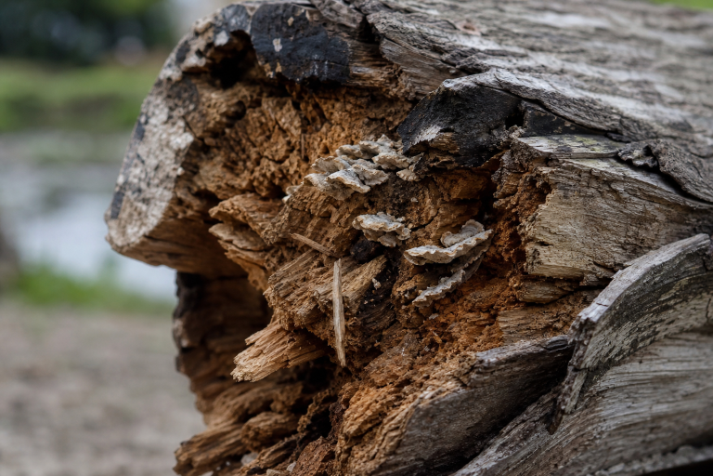
- Fungal growth, decay, insect damage, or soft and deteriorating wood.
- Exposed roots, lifted soil, movement at the base, or evidence that the root system has shifted.
- Large limbs resting on a roof, parked vehicle, structure, or utility line.
- Storm damage that has changed the tree’s balance or broken major branches.
- A tree blocking access to a driveway, walkway, construction area, or emergency route.
How the Situation Is Evaluated
Roots Up Tree Company can review the tree’s visible structure, its location, the surrounding targets, and the available work space. In some cases, pruning or structural support may be an appropriate option. When decay, major damage, root instability, or location creates too much risk, removal may be the more responsible recommendation.
The evaluation may also consider whether the tree can be accessed safely from the ground, whether equipment can enter through gates or along driveways, and whether branches extend over roofs, neighboring yards, or other sensitive areas. Identifying these factors before cutting begins helps determine the removal sequence and the level of protection needed for the site.
Why Is Professional Tree Removal Safer Than Do-It-Yourself Cutting?
Tree removal involves unpredictable weight, cutting forces, falling material, elevated work, chainsaws, and potential electrical hazards. OSHA notes that tree care work can expose workers to dangers including overhead power lines, falling branches, and defective safety equipment. Its guidance reinforces why an organized work zone and trained crew matter.
A do-it-yourself attempt can be especially risky when a tree is dead, partially uprooted, close to a roof, or entangled in other branches. Property owners should never approach or attempt to cut a tree that is touching a power line. Keep people and pets away from the area, then contact the utility provider and a qualified tree service for next steps.
Cutting a branch or trunk section can change the way remaining wood is supported, causing it to swing, roll, shift, or fall differently than expected. A professional crew plans around these changing forces and establishes a controlled work area rather than relying on an assumed fall path.
How Are Trees Removed Near Homes and Power Lines?
Trees in open space may sometimes be removed with a planned directional fall. Trees near homes, fences, vehicles, landscaping, or utilities usually require a more controlled method. Roots Up Tree Company can plan the removal around the specific property and use the appropriate combination of climbing, rigging, sectional dismantling, machinery, or crane assistance.
- Hazard review: The crew identifies structures, access limitations, unstable limbs, power lines, and safe work boundaries.
- Removal planning: The team determines how to control limbs and trunk sections rather than allowing them to fall freely.
- Sectional dismantling: Branches and wood are cut into manageable pieces and lowered or lifted from the work area.
- Property protection: Defined drop zones and careful material handling help reduce exposure to nearby features.
- Cleanup: Branches, logs, and other agreed-upon debris are removed from the site.
When utility lines are present, the crew must account for their location throughout the project. If branches are in contact with energized lines or conditions appear unsafe, the utility provider should be contacted before any tree work proceeds. This distinction is important because not every tree near a line presents the same level of electrical risk.
Which Tree Removal Needs Can Roots Up Tree Company Address?
- Hazardous tree removal: For unstable trees near occupied spaces, roads, homes, and property improvements.
- Storm-damaged tree removal: For fallen trees, broken limbs, and trees weakened by snow, wind, or other severe weather.
- Dead or diseased tree removal: For trees whose declining condition may affect their structural integrity.
- Large and hard-to-reach tree removal: For projects with limited drop space or access challenges that may require crane-assisted work.
- Debris cleanup: For clearing branches and wood generated during the removal process.
Removal needs can range from a small tree that has outgrown its location to a mature tree requiring careful coordination around buildings and neighboring property. Discussing the full scope in advance helps clarify whether material will be hauled away, left on-site at the owner’s request, or handled as part of additional stump or landscape work.
Are There Alternatives to Tree Removal?
Removal is not always the first or only option. Pruning may address deadwood, clearance concerns, or excessive weight in selected limbs. Cabling or structural support may be considered for certain weak unions or heavy limbs. However, these measures cannot make every tree safe. A tree with severe decay, major trunk damage, extensive storm injury, or unstable roots may still require removal.
When a tree can be retained, selective pruning can sometimes improve clearance over a roof, driveway, walkway, or outdoor living area without removing the entire tree. The appropriate solution depends on the condition of the tree and whether corrective work can reasonably address the specific concern over time.
Do Property Owners Need a Permit for Tree Removal?
Requirements can vary by municipality, tree location, size, species, protected status, and whether the tree is located in a public right-of-way. Homeowners should not assume that approval is never needed. Roots Up Tree Company can help customers review whether local requirements may apply before work begins, particularly when a tree is near a street or is subject to local protections.
Property owners may also need to consider neighborhood rules, shared property boundaries, or utility easements. Confirming these details early can help prevent delays and ensure that the planned work addresses the correct tree and the appropriate access area.
What Should You Do Before the Crew Arrives?
- Keep people, pets, and visitors outside the affected area.
- Do not climb the tree, pull on limbs, or attempt to move damaged wood.
- Move vehicles, patio furniture, and portable items only if it is safe to do so.
- Take photos of storm damage if an insurance claim could be involved.
- Share information about gates, narrow access points, irrigation, septic features, and nearby structures.
- Confirm whether the estimate includes removal, hauling, stump work, and final cleanup.
It can also be helpful to make sure gates are unlocked, outdoor access is available, and children and pets can remain indoors or away from the work zone during the project. If there are buried utilities, fragile landscape features, or recent improvements that may not be visible from the driveway, point them out during the estimate or before the crew starts work.
How Can You Request a Tree Removal Estimate?
Property owners in Boulder, Lafayette, Longmont, Louisville, Erie, Niwot, Lyons, and surrounding Boulder County communities can contact Roots Up Tree Company to discuss the tree’s location and condition. Photos may help begin the conversation, while complex or high-risk trees may need an on-site assessment. Call (720) 783-7434 to request a free estimate and review the proposed scope, removal method, cleanup details, and project pricing.
When requesting an estimate, describe any recent storm event, visible cracking, leaning, contact with structures, or access concerns. Providing this information helps the company understand whether the situation may require more immediate attention and what equipment or crew planning could be appropriate.
Location: Roots Up Tree Company | 343 Indian Peaks Trail W, Lafayette, CO 80026 | (720) 783-7434 | https://rootsuptreecompany.com/
Frequently Asked Questions
When should a tree be removed instead of trimmed?
Removal may be appropriate when a tree has severe decay, a major structural crack, unstable roots, extensive storm damage, or a location that creates an unacceptable hazard. Trimming may be considered when it can meaningfully reduce risk. An assessment can help distinguish between a manageable pruning concern and a condition that affects the tree’s overall stability.
Does Roots Up Tree Company remove trees near houses?
Yes. The company handles trees near homes, roofs, driveways, fences, sidewalks, and other structures using controlled removal methods suited to the available space.
How much does tree removal cost in Boulder?
Cost depends on the tree’s size, condition, access, location, proximity to structures, equipment needs, urgency, and cleanup requirements. A written estimate provides the clearest project-specific answer. Trees that require sectional dismantling, specialized equipment, or especially careful material handling may have a different scope than trees with open access and a clear landing area.
Choose a Safer Path for Hazardous Trees
When a tree threatens a structure, blocks access, shows serious decline, or has been damaged by a storm, timely professional evaluation can help prevent a more difficult situation. Roots Up Tree Company provides Boulder County property owners with a controlled approach to tree removal, from assessment and planning through debris cleanup. Addressing a concern before further weather or additional tree failure occurs can also provide more options for planning the work safely.
Author

linguaezone.com@gmail.com
Related Posts

10 Best Wedding Florists in Miami for Luxury Floral Arrangements
- 0
- 1,764 word
A wedding in Miami is an opportunity to bring together beautiful venues, tropical surroundings, elegant décor, and unforgettable floral arrangements. From romantic...
Read out all
Wenrath: Understanding the Meaning, Uses, and Importance of a Unique Term
- 0
- 1,576 word
In the world of online searches, names, words, and unfamiliar terms can sometimes appear without much context. One such interesting keyword is...
Read out all
Park View City Islamabad Downtown Commercial: Shops, Plots & Investment Guide
- 0
- 1,461 word
Park View City Islamabad Downtown Commercial has emerged as one of the most talked-about business destinations in the twin cities, drawing the...
Read out all
Summer Camp: Why Holiday Experiences Can Build Confidence and Curiosity
- 0
- 595 words
School holidays give children time to step away from their regular routine and enjoy something different. A well-planned summer camp can transform...
Read out all