

- 0
- 803 words
Long hours of working at a desk, scrolling through your smartphone, commuting and working from home in today’s digital world can make it very easy to fall into poor posture habits.
Rounded shoulders, forward head position, slouched back and hunched curve in the body can actually make you feel severe discomfort over a period of time.
A posture corrector is literally a very useful tool that may help train your muscles to maintain a better posture while performing your daily activities.
Choosing the right posture corrector can be quite a challenging task with so many options in the market as well as when you don’t exactly know what key features you need to look for and the common red flags in a posture support that are a must to avoid.
Topmost priorities while searching for the right fit for you should be-
● Comfort
● Adjustability
● Durability
● Value For Money
● Proper Support
Here are the Top 10 Features to Consider if you are considering to get a Posture Corrector for yourself or your loved ones:
1. The Comfortable Fit
Comfort should be the very first consideration for you as an ideal posture corrector should provide minimal discomfort and should not require frequent adjustments and removal. That way it can be very beneficial for posture support. You should look for those designs that fits the body securely with no digging or indentation into the shoulders, chest or even underarms too. The correct fit for you should provide a gentle support mechanism. It is also advisable to check the manufacturer’s sizing chart as measurement may vary considerably among multiple brands.
2. Adjustability
The easier to customize posture corrector provides support to the body posture as per the body shape and preferred level of support. Look for
● Adjustable shoulder straps
● Hook and Loop closures
● Flexible fastening
● Stretchable belts
These may allow to obtain a personalized fit without restricting the normal movement or breathing,
3. Breathability Of The Material
Look for lightweight and breathable material of the posture corrector as it may be of utmost importance to reduce the entrapment of body heat, moisture, sweat and oils that may make the posture corrector uncomfortable to use in humid and warm environments.
4. Level Of Support
A lightweight design of the posture corrector may be more practical for everyday use while additional structural support for posture-related concerns and disorders may require a substantially rigid support.
Understand your body’s requirement of the level of support for maximal benefits and a practical approach to minimize the neck, shoulders and back pain that may be associated with misaligned posture.
5. Mobility
The good posture corrector should promote better freedom of movement without disrupting any regular activity. Consider your purpose of utilization and check if the support device allows reasonable mobility of the arms and shoulders. If it still feels uncomfortable and restricted to move around, you may be less likely to wear it in a consistent manner for the required amount of time.
6. Lightweight Design
A bulkier posture corrector can actually make you feel discomfort and tired soon after you wear it. A lightweight design can provide better versatility for doing their regular chores.
7. Ease Of Wearing
A posture corrector should be quick, simple and easy to wear. Make sure that you completely understand how multiple adjustment points actually work. Look for the product demonstration videos and customer reviews to determine if the users feel comfortable and easy to put it on and adjust on their own.
8. Durability
Examine the following components of the posture corrector:
● Stitching
● Straps
● Fasteners
● Fabric quality
● Support components
● Belts
Reinforced stitching in a posture corrector generally improves the durability with the sturdy closures to withstand the regular use.
9. Maintenance & Cleaning
Regular cleaning may be required to remove any build up of dirt, sweat and oil. Check for the manufacturer’s instructions for the care and maintenance of the Posture Corrector. Choose the one that is easy to clean as well as dries quickly.
10. Usage Instructions
A posture corrector should only be used as a supportive tool. Look for the Posture Corrector that provides clear instructions on
● Fitting & Adjustment
● Wearing Time
● Cleaning & Drying
Consider a visit to a doctor if you suffer from severe pain or discomfort in the body linked with the wrong body posture.
Final Thoughts
Examine the materials, degree of support, comfort, fit, adjustability and freedom of movement first. Next, think about useful aspects like longevity, cleaning needs, usability and whether the design fits your daily schedule.
Above all, pick a product that you can use responsibly and comfortably. A well-designed and lightweight posture corrector can be helpful for maintaining posture and most effective when used in conjunction with an ergonomic daily surroundings or with good movement patterns.
You can choose a posture corrector that best suits your lifestyle by considering these ten aspects before making a purchase.
Author

apexbacklinksagency@gmail.com
Related Posts

Medical Aesthetics: Exploring Modern Treatments for Confidence, Skin Health, and Natural Beauty
- 0
- 3,712 words
Medical aesthetics has become an increasingly popular part of the beauty and wellness industry, offering people different ways to improve their appearance,...
Read out all
LK210: Features, Uses, Benefits, and Everything You Need to Know
- 0
- 2,340 words
Technology continues to make everyday life more convenient, especially when it comes to vehicle security and location tracking. GPS tracking devices have...
Read out all
Hair Growth Tablets for Women: Biotin vs Collagen
- 0
- 1,041 word
In order for hair to thrive, women need certain essential nutrients. Biotin and collagen are among the most common hair supplements available,...
Read out all
4 Habits That Strengthen Your Teeth Over Time
- 0
- 1,136 word
You brush when you remember, you try to avoid too much sugar, and you hope that is enough. A lot of people...
Read out all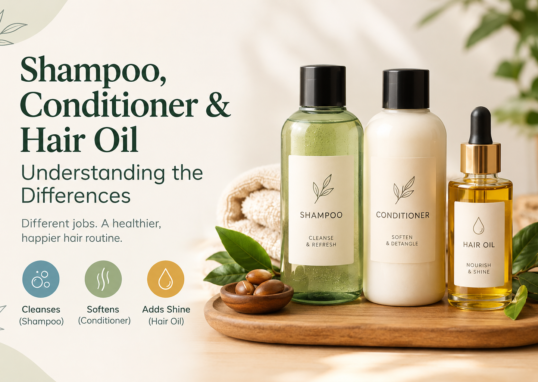
Shampoo, Conditioner & Hair Oil: Understanding the Differences
- 0
- 1,407 word
Shampoo, conditioner, and hair oil each play a different role in a haircare routine. Shampoo cleanses the scalp and hair, conditioner makes...
Read out all
How Detailed Lumber Quantities Help Reduce Construction Waste and Overordering
- 0
- 2,138 words
Head on a Friday afternoon to any home site and you’ll find the same scene. A stack of offcuts is next to...
Read out all