
- 0
- 2,378 words
Introduction
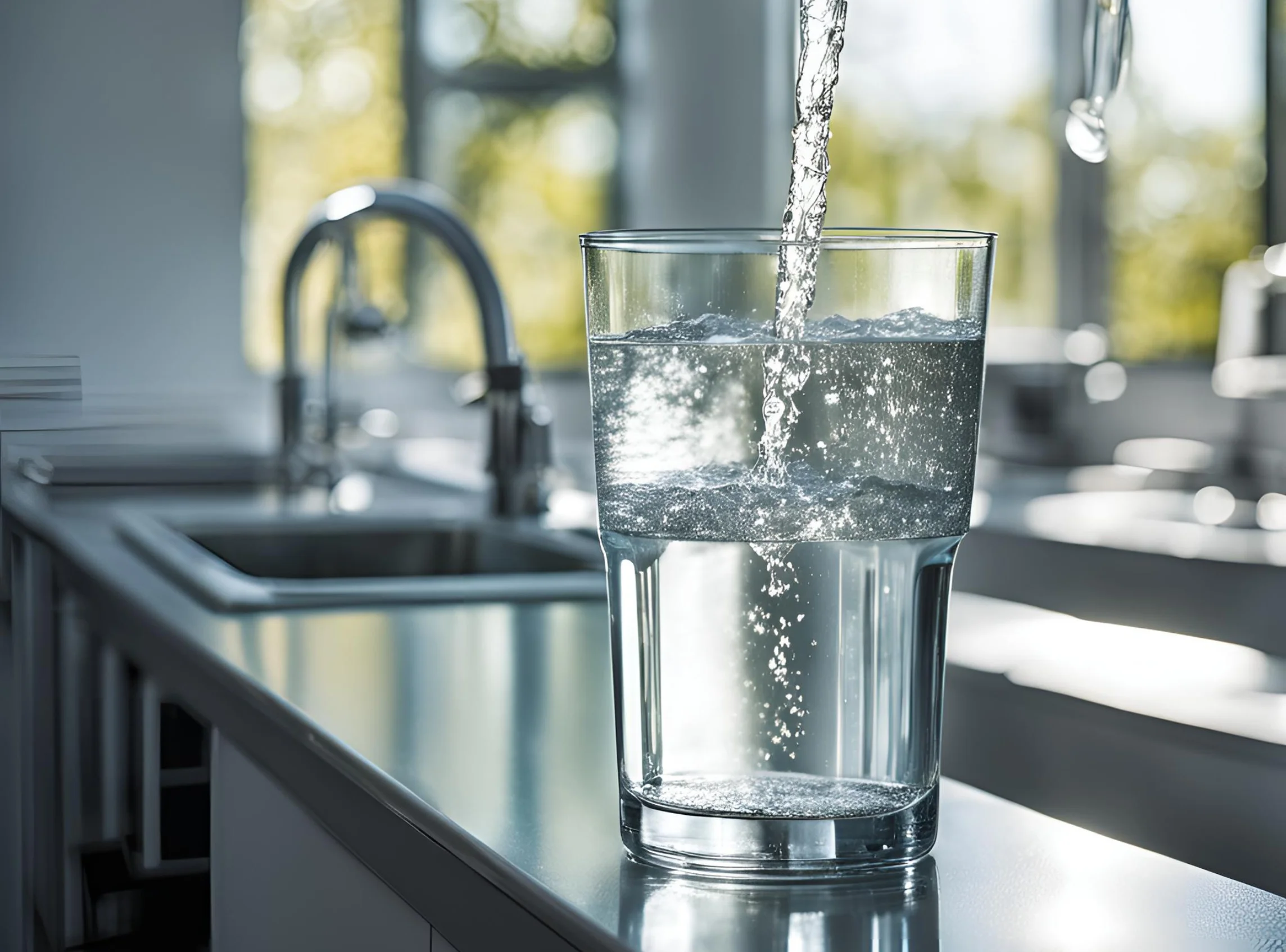
Clean and safe water is essential for maintaining good health, supporting everyday activities, and protecting the environment. Every household, business, and industrial facility depends on reliable water supplies for drinking, cooking, cleaning, manufacturing, and sanitation. However, natural water sources can contain sediments, bacteria, viruses, chemicals, dissolved minerals, and other unwanted substances that affect water quality. Using contaminated water without proper purification can create serious health concerns and environmental problems. Water filtration provides an effective way to reduce unwanted impurities and improve the quality of water for different applications. As populations increase and industrial activities expand, the demand for safe water continues to grow. Pollution, agricultural runoff, aging infrastructure, and improper waste disposal can introduce harmful substances into rivers, lakes, and groundwater supplies. These challenges make it important to understand how modern purification systems work and how they help protect valuable water resources. Choosing suitable equipment can improve water quality, reduce certain contaminants, and support responsible water consumption. Understanding different technologies also helps property owners and businesses make informed decisions about their water management requirements.
Understanding the Importance of Clean Water
Water plays a major role in human health, environmental sustainability, and economic development. People need safe water for drinking, preparing meals, maintaining personal hygiene, and cleaning their homes. Contaminated supplies may contain microorganisms that cause illnesses such as cholera, typhoid, and diarrhea. Certain chemical substances and excessive mineral concentrations can also affect water quality and create problems for specific applications. Maintaining access to safe water is therefore an important responsibility for households, communities, and public health organizations. A properly designed purification system can help reduce contaminants and improve the overall quality of incoming water. Different systems use physical barriers, chemical processes, and specialized membranes to remove unwanted substances. The most appropriate method depends on the original water source and the contaminants identified through testing. Water intended for drinking may require stricter purification than water used for irrigation or certain industrial activities. Understanding these requirements helps ensure that the selected system provides suitable performance and reliable results.
Common Sources of Water Contamination
Water contamination can originate from several natural and human activities. Industrial facilities may release wastewater containing heavy metals, oils, solvents, and chemical residues when proper disposal procedures are not followed. Agricultural activities can introduce fertilizers, pesticides, and animal waste into nearby rivers and groundwater supplies. These substances may affect aquatic ecosystems and create difficulties for communities that depend on natural water resources. Preventing contamination at its source is often an effective way to reduce the pressure on purification facilities. Domestic wastewater is another common source of pollution because it may contain detergents, cleaning products, organic waste, and harmful microorganisms. Poor sanitation systems and leaking sewage pipes can allow these substances to enter nearby water sources. Natural conditions can also influence water quality, as groundwater may contain excessive minerals, iron, sulfur, or other dissolved substances. Water filtration systems are selected according to the specific impurities present in the supply. Laboratory testing helps identify these substances and determine which purification technologies are appropriate.
How Modern Water Filtration Systems Work
Most purification systems operate by passing incoming water through one or more filtration stages. The first stage may involve a sediment filter that captures visible particles such as sand, rust, dirt, and suspended solids. This process helps protect later components from becoming blocked and improves the clarity of the water. Depending on the system design, additional filters may remove chlorine, certain organic compounds, unpleasant odors, and unwanted tastes. Each stage performs a particular function and contributes to the overall purification process. Advanced systems may include activated carbon filters, membrane technologies, and specialized purification components. Activated carbon helps reduce certain chemicals and organic compounds that affect taste and odor. Membrane systems can separate smaller particles and, depending on their design, reduce certain dissolved substances. Some systems also include ultraviolet disinfection to inactivate harmful microorganisms. Combining different technologies can provide more comprehensive purification when the incoming water contains several types of contaminants.
Different Types of Water Filtration Technologies
Sediment filtration is one of the most common methods used in residential and commercial purification systems. It removes suspended particles such as sand, dirt, rust, and other visible impurities from incoming water. These filters are available in different micron ratings, allowing users to select a suitable option according to the particle size that needs to be captured. Sediment filters are often installed as an initial purification stage to protect more advanced equipment. Regular replacement is necessary because accumulated particles can reduce water flow and filtration efficiency. Activated carbon filtration is another widely used technology because it can improve water taste and reduce certain unwanted chemicals. Carbon filters work through adsorption, a process in which selected substances attach to the surface of the carbon material. These filters are commonly used in household drinking water systems, refrigerators, and commercial purification equipment. Reverse osmosis is a more advanced technology that uses pressure and a specialized membrane to remove many dissolved salts and other contaminants. The appropriate technology depends on laboratory results, water quality requirements, and the intended application.
Health Benefits of Proper Water Purification
Access to safe drinking water is essential for supporting normal body functions and maintaining good health. Water helps regulate body temperature, transport nutrients, support digestion, and remove waste products. Contaminated water may expose people to harmful microorganisms and chemicals that can cause illness. Proper purification can reduce specific contaminants and help improve drinking water safety when the system is correctly selected and maintained. Regular testing is also important because clear-looking water is not necessarily free from harmful substances. Water filtration can also improve the taste and smell of drinking water by reducing certain substances such as chlorine and organic compounds. Better-tasting water may encourage people to drink sufficient amounts throughout the day. Households can also reduce their dependence on packaged drinking water when a suitable and properly maintained system is available. However, not every filter removes every contaminant, so consumers should understand the capabilities and limitations of their equipment. Selecting a certified system that addresses identified water quality problems is an important step toward safer drinking water.
Environmental Benefits and Water Conservation
Protecting natural water resources is becoming increasingly important as freshwater demand continues to grow. Pollution from industrial activities, agriculture, and household waste can damage rivers, lakes, and groundwater supplies. Effective purification and wastewater management help reduce the amount of harmful substances released into natural environments. Water filtration technologies can also support the reuse of properly processed water for suitable applications. These practices help reduce pressure on freshwater sources and contribute to better environmental management. Another environmental benefit involves reducing dependence on single-use plastic water bottles. Households and workplaces that have access to reliable drinking water systems may purchase fewer packaged water products. This can help reduce plastic waste and the environmental impact associated with manufacturing, transporting, and disposing of bottles. Modern water filtration systems can also support more efficient water use when selected according to actual requirements. Combining purification with conservation practices helps protect natural resources and encourages responsible consumption.
Residential Applications and Household Convenience
Residential purification systems are designed to improve water quality for everyday household activities. Families use water for drinking, cooking, washing vegetables, preparing beverages, and maintaining personal hygiene. Different household systems can be installed under kitchen sinks, on countertops, or at the main water supply connection. The most appropriate arrangement depends on household size, available space, water quality, and daily consumption. A properly selected system can provide convenient access to better-quality water. Households should consider the contaminants they want to reduce before purchasing equipment. A basic carbon filter may be suitable for improving taste and reducing certain chemicals, while reverse osmosis may be more appropriate when testing identifies excessive dissolved substances. Water filtration systems should be selected according to their certified performance rather than appearance or marketing claims. Regular maintenance and timely cartridge replacement help ensure consistent results. These practices can make household water management more reliable and convenient.
Commercial and Industrial Applications
Businesses and industrial facilities require water for manufacturing, food preparation, cleaning, cooling, and other operational activities. Different industries have different water quality requirements, making specialized purification equipment necessary. Food processing businesses need suitable water quality to support hygiene and product safety. Pharmaceutical facilities may require highly purified water for particular manufacturing processes. Power generation plants and manufacturing facilities also depend on controlled water quality to protect machinery and maintain operational efficiency. Industrial purification systems may include sediment filters, carbon filters, softeners, reverse osmosis membranes, and other specialized technologies. Water filtration equipment can help reduce unwanted particles and selected dissolved substances before water enters production processes. Proper system design is important because the wrong technology may fail to address the contaminants that affect a particular operation. Businesses should also consider energy consumption, maintenance expenses, system capacity, and wastewater management. Regular performance testing helps maintain consistent water quality and supports operational reliability.
The Importance of Water Quality Testing
Testing is an essential part of selecting and maintaining an effective purification system. Water quality can vary depending on the source, weather conditions, nearby activities, and the condition of supply infrastructure. Laboratory testing can identify bacteria, dissolved minerals, heavy metals, chemical substances, and other contaminants. Important measurements may include pH, turbidity, total dissolved solids, hardness, and microbial indicators. These results provide useful information about the condition of the water and the purification processes that may be required. Water filtration equipment should not be selected without understanding the quality of the incoming supply. Different filters are designed to remove different types of impurities, and no single technology can address every possible contamination problem. Testing after installation can also help determine whether the system is performing as expected. Regular inspections and laboratory checks are particularly important for systems used in commercial facilities and drinking water applications. Maintaining accurate records helps operators monitor changes and identify potential problems early.
Installation and Maintenance Requirements
Proper installation is important for ensuring that a purification system operates efficiently and safely. Before installation, users should consider available space, water pressure, pipe connections, drainage requirements, and the expected daily water demand. Incorrect installation can cause leaks, poor performance, and unnecessary equipment damage. Following manufacturer instructions and using suitable connection materials helps reduce these risks. Professional installation may be beneficial for complex systems involving multiple filtration stages or specialized plumbing connections. Regular maintenance is equally important because filters gradually collect contaminants during normal operation. Water filtration cartridges must be replaced according to manufacturer recommendations and actual usage conditions. Membranes may require cleaning or replacement when their performance decreases, while storage tanks and connecting pipes should be inspected for leaks or contamination. Ignoring maintenance can reduce water flow and affect the quality of the final output. A consistent maintenance schedule helps protect the equipment and maintain reliable purification performance.
Common Problems and Their Solutions
One common issue with purification equipment is reduced water flow. This may happen when sediment filters become clogged or when membranes accumulate deposits over time. Checking filter condition and replacing worn cartridges can often restore normal performance. Low incoming water pressure or blocked connections may also contribute to this problem. Regular inspection helps identify the cause and prevents unnecessary replacement of functional components. Unusual taste or odor can indicate that a filter needs replacement or that the incoming water quality has changed. Leaking connections, damaged housings, and improperly installed cartridges may also affect system performance. Water filtration systems should be inspected whenever there is a noticeable change in water quality or equipment operation. Users should follow the manufacturer’s troubleshooting guidance and seek professional assistance when necessary. Addressing problems early can help prevent larger repairs and maintain consistent water quality.
Smart Technologies and Future Developments
Technological improvements are changing the way modern purification systems operate. Smart sensors can monitor water pressure, filter condition, flow rates, and other important performance indicators. Some advanced systems connect to mobile applications and notify users when cartridges need replacement or when unusual operating conditions are detected. Automated monitoring can make maintenance more convenient and help prevent unexpected equipment problems. These features are becoming increasingly useful in homes, businesses, and industrial facilities. Researchers are also developing improved membrane materials, more efficient filtration media, and advanced purification processes. These innovations may help remove difficult contaminants while reducing energy consumption and operating expenses. Artificial intelligence can support performance monitoring by analyzing operating data and identifying patterns that indicate possible equipment problems. Water filtration technologies will likely become more efficient as research and engineering continue to advance. However, proper testing, responsible operation, and regular maintenance will remain essential for achieving reliable results.
Choosing the Right Water Purification System
Selecting the right equipment requires careful consideration of water quality, daily consumption, budget, and intended use. The first step should be identifying the contaminants present through suitable testing. Once the water quality is understood, users can compare different technologies and determine which combination offers the required performance. Household systems may have different requirements from commercial and industrial installations. Choosing a system that matches actual needs helps avoid unnecessary expenses and improves long-term reliability. Buyers should also compare filter capacity, replacement costs, warranties, energy requirements, and maintenance needs. Water filtration systems should have clear performance information so consumers understand which contaminants they are designed to reduce. Certifications from recognized organizations can provide additional confidence when evaluating products. It is also important to consider the availability of replacement cartridges and technical support. A well-informed purchasing decision can improve water quality while providing better value over the equipment’s lifespan.
Conclusion
Clean water is essential for healthy living, environmental protection, and sustainable economic development. Contamination from industrial activities, agriculture, household waste, and natural minerals can affect the quality of available water supplies. Modern purification technologies provide different ways to reduce unwanted substances and improve water quality for residential, commercial, and industrial applications. Understanding these methods helps users select equipment that addresses their specific water quality requirements. Investing in water filtration systems can support healthier households, more efficient businesses, and responsible environmental management. Regular water testing, proper installation, and consistent maintenance are necessary to ensure reliable performance. Water conservation and wastewater reuse can further reduce pressure on fresh water resources and help protect natural ecosystems. By choosing suitable purification technologies and adopting responsible water management practices, individuals and organizations can contribute to a cleaner and more sustainable future.
Author

thedailygurdian@gmail.com
Related Posts

Important Steps to Leave Your Property Clean, Fresh, and in Excellent Condition
- 0
- 2,253 words
Moving out of a property can be an exciting experience, especially when preparing for a new home, but the process often involves...
Read out all
Storm Shades: A Practical Solution for Protection, Comfort, and Modern Style
- 0
- 2,149 words
Protecting a property from changing weather conditions while maintaining a comfortable and attractive indoor environment is an important consideration for homeowners and...
Read out all
Pest Control: Effective Ways to Protect Your Home and Maintain a Healthy Environment
- 0
- 2,060 words
Maintaining a clean, comfortable, and healthy living environment is important for every homeowner and business owner. However, unwanted insects and rodents can...
Read out all
Why Vacation Rental Cleaning Is Essential for Property Management, Guest Comfort, and Long-Term Success
- 0
- 2,610 words
Introduction Maintaining a clean and welcoming vacation property is essential for creating a positive guest experience and building a successful rental business....
Read out all
Practical Solutions for Improving Roof Performance and Extending Its Lifespan
- 0
- 2,972 words
A strong and reliable roofing system is essential for protecting any residential or commercial property from environmental damage. Roofs are constantly exposed...
Read out all
Important Signs That Indicate Your Property Needs Professional Attention
- 0
- 2,869 words
Maintaining a clean, comfortable, and healthy indoor environment is an important responsibility for every property owner. However, moisture problems, plumbing leaks, roof...
Read out all