
- 0
- 2,869 words
Maintaining a clean, comfortable, and healthy indoor environment is an important responsibility for every property owner. However, moisture problems, plumbing leaks, roof damage, condensation, and poor ventilation can create conditions that encourage mold growth inside buildings. Mold can develop on walls, ceilings, floors, carpets, wooden structures, and other materials that remain damp for extended periods. Sometimes, the problem becomes visible through dark spots or discoloration, while in other situations, mold develops behind walls, beneath flooring, or inside ventilation systems without obvious signs. Understanding how mold develops and recognizing its warning signs can help property owners protect their buildings and address potential concerns before they become more complicated. Mold inspection is an important property assessment process that helps identify visible mold growth, investigate possible hidden contamination, and determine whether moisture conditions are contributing to indoor problems. A professional inspection involves examining different areas of a building, evaluating water damage, checking humidity conditions, and identifying locations that may require additional attention. Depending on the situation, inspectors may use specialized equipment and recommend laboratory testing to gather more information. Understanding the inspection process allows property owners to make informed decisions, maintain building materials, and create healthier indoor environments for occupants.
Understanding Mold Growth and Its Impact on Buildings
Mold is a naturally occurring fungus that can grow in indoor and outdoor environments when suitable conditions are available. Microscopic mold spores are commonly present in the surrounding air, and they can settle on different surfaces throughout a building. When these spores encounter moisture, appropriate temperatures, and organic materials, they may begin developing into visible colonies. Common building materials such as drywall, wood, cardboard, insulation, and carpets can provide suitable conditions for growth when they remain wet. This is why controlling moisture is one of the most important parts of preventing indoor mold problems. Mold growth can affect more than the appearance of a property because it may contribute to unpleasant odors, damaged materials, and indoor air quality concerns. Persistent moisture can also weaken certain building components and create additional maintenance requirements. Professional mold inspection helps property owners understand whether visible discoloration is related to mold and whether hidden moisture conditions may exist elsewhere. Identifying the source of the problem is essential because removing visible growth without correcting the underlying moisture issue may allow contamination to return. Early assessment can help prevent small problems from developing into extensive property damage.
Common Causes of Indoor Mold Problems
There are several reasons why mold may develop inside residential and commercial buildings. Plumbing leaks are among the most common causes because dripping pipes and damaged connections can keep surrounding materials damp for extended periods. Roof leaks, damaged windows, foundation seepage, and poor drainage can also allow water to enter indoor spaces. Flooding and accidental water spills may create similar conditions when affected materials are not dried properly. Even minor leaks can become serious concerns when they remain hidden behind walls or beneath flooring. Poor ventilation and excessive indoor humidity can also encourage mold growth. Bathrooms, kitchens, laundry rooms, basements, and storage areas often experience higher moisture levels because of everyday activities and limited airflow. Condensation may develop around windows, exterior walls, and air conditioning components when warm, humid air comes into contact with cooler surfaces. A professional mold inspection can help identify these conditions and determine which areas require closer evaluation. Understanding the underlying causes makes it easier to select suitable repairs and establish effective prevention practices.
Recognizing the Warning Signs of Mold Growth
Recognizing early warning signs can help property owners respond before mold affects larger areas of a building. Visible spots, patches, or unusual discoloration on walls, ceilings, floors, and furniture may indicate possible mold growth. Mold can appear in different colors, including black, green, white, gray, and brown, depending on the species and environmental conditions. However, appearance alone cannot determine the type of mold or establish its potential health effects. Any unexplained growth should be investigated carefully, especially when it appears alongside water stains or damp materials. Another common warning sign is a persistent musty or earthy smell that remains even after regular cleaning. This odor may indicate hidden moisture or mold growth behind drywall, beneath carpets, inside cabinets, or around plumbing systems. Peeling paint, bubbling wallpaper, warped flooring, and damaged wooden surfaces can also suggest ongoing water problems. Mold inspection helps investigate these signs and determine whether additional assessment or treatment is necessary. Property owners should avoid covering suspicious stains with paint or ignoring recurring odors because these actions do not correct the conditions responsible for the problem.
Why Professional Mold Assessment Is Important
Mold problems are not always limited to the surfaces where visible growth first appears. Moisture may travel through building materials and affect hidden spaces such as wall cavities, insulation, ceilings, and flooring systems. Cleaning a visible patch without investigating the surrounding area may leave the original problem unresolved. Professional inspectors understand how moisture moves through buildings and which areas are more likely to experience hidden contamination. Their assessment can provide useful information about the condition of the property and the steps required to address identified concerns. A professional mold inspection also helps distinguish between visible staining, water damage, and suspected fungal growth. Inspectors may evaluate the affected materials, investigate moisture sources, and recommend further testing when necessary. They can also identify whether the issue appears limited to one area or may involve several parts of the building. This information helps property owners decide whether cleaning, material replacement, moisture repairs, or professional remediation should be considered. A structured assessment reduces guesswork and supports better property maintenance decisions.
How the Professional Inspection Process Works
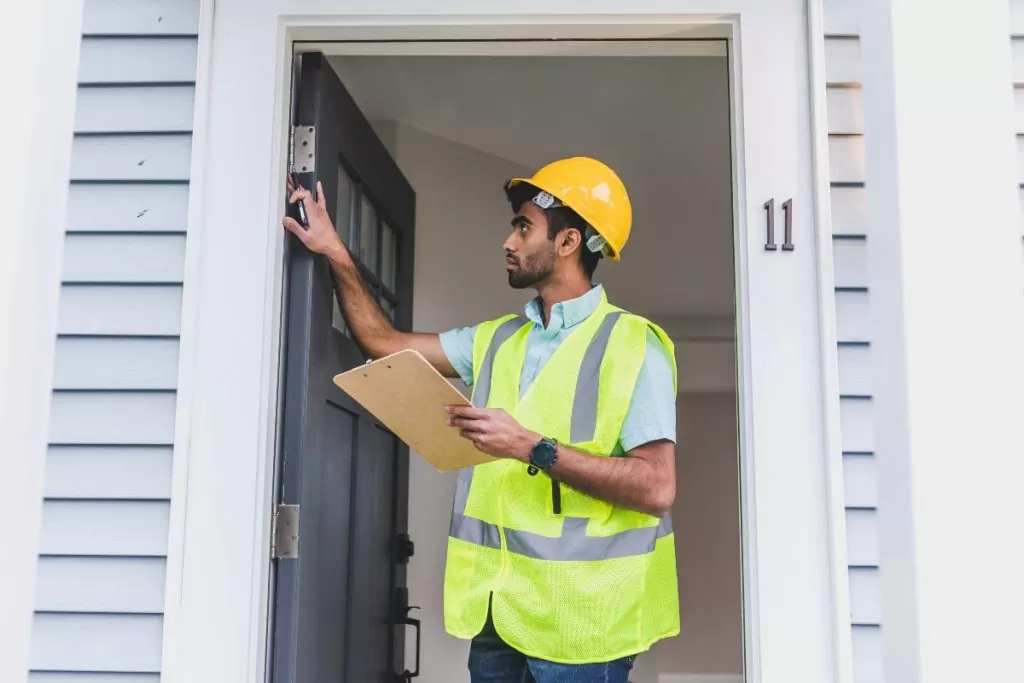
A professional inspection generally begins with a discussion about the property’s history and any concerns reported by occupants. The inspector may ask about previous flooding, plumbing repairs, roof leaks, unusual odors, condensation, and areas where visible growth has appeared. This information helps establish which sections of the building require closer attention. The inspector then examines accessible rooms, building materials, ventilation areas, and other locations that may have experienced moisture exposure. The purpose is to understand the overall condition of the property rather than focusing only on visible discoloration. During the assessment, mold inspection may involve using moisture meters, humidity monitors, thermal imaging equipment, and other suitable tools. These instruments can help identify damp materials, temperature differences, and conditions that may indicate hidden water intrusion. Depending on the findings, the inspector may recommend air or surface sampling to gather additional information. Not every property requires laboratory testing, and the appropriate assessment method depends on the circumstances. Once the inspection is complete, the professional can explain the findings and recommend suitable next steps.
The Importance of Checking Hidden Areas
Hidden moisture problems can be particularly challenging because they may remain unnoticed until significant damage has developed. Water can enter behind drywall through small plumbing leaks, roof openings, damaged seals, or exterior wall defects. Once moisture becomes trapped, it may affect insulation, wooden framing, and other materials that are difficult to inspect during ordinary cleaning. Mold can develop in these concealed spaces without producing obvious surface growth at first. Regular attention to areas with a history of water damage can help identify problems earlier. Basements, crawl spaces, attics, utility rooms, and spaces beneath sinks should receive particular attention because they may experience limited airflow or recurring moisture. Areas behind washing machines, refrigerators, dishwashers, and large furniture can also develop damp conditions when leaks or condensation occur. A professional mold inspection can help identify suspicious areas and determine whether additional investigation is appropriate. Inspectors may recommend targeted openings or specialized assessment methods when evidence suggests that contamination could exist behind finished surfaces. Proper evaluation helps prevent hidden problems from being overlooked.
Understanding Moisture Detection Equipment
Moisture detection equipment plays an important role in identifying conditions that may contribute to mold growth. Moisture meters are commonly used to evaluate selected building materials and determine whether they contain elevated moisture levels. These devices can help inspect wood, drywall, and other materials that may have been affected by leaks or water intrusion. Different materials require appropriate measurement methods, and readings should be interpreted according to the instrument and building conditions. A professional understands how to use these tools and evaluate the information they provide. Thermal imaging cameras may also be used to identify temperature differences that could indicate hidden moisture or other building issues. However, thermal images do not directly identify mold, and unusual temperature patterns require further investigation before conclusions can be made. Humidity monitors provide additional information about indoor moisture conditions and can help identify rooms where ventilation improvements may be necessary. Mold inspection becomes more informative when equipment readings are combined with visual observations and knowledge of the property’s history. Using several assessment methods helps professionals develop a clearer understanding of possible moisture problems.
Air Sampling and Laboratory Testing
Air sampling may be recommended when additional information about airborne mold particles is needed. This process involves collecting air samples using specialized equipment and sending them to a laboratory for analysis. Depending on the method, laboratory results may identify different types of fungal structures and estimate their concentrations in the collected samples. Indoor samples may be compared with outdoor reference samples to provide additional context about the building’s environmental conditions. These results can help professionals investigate suspected airborne contamination when used appropriately. Surface sampling may also be considered when a specific area requires further evaluation. Samples can be collected from selected materials or surfaces and analyzed to identify fungal structures. However, sampling only represents the locations examined and cannot establish the condition of every part of a building. Mold inspection should therefore begin with a clear assessment of the property’s condition rather than relying exclusively on laboratory results. A qualified professional can explain whether sampling is necessary and help property owners understand the limitations of different testing methods.
Health Considerations Related to Indoor Mold
Indoor mold exposure can affect individuals differently depending on their sensitivity, the type of exposure, and existing health conditions. Some people may experience irritation involving the eyes, nose, throat, or skin when spending time in damp or mold-affected environments. Individuals with allergies or asthma may be particularly sensitive to certain indoor conditions. Persistent dampness can also make indoor spaces uncomfortable and create concerns about overall environmental quality. These considerations make it important to address moisture problems and investigate suspected mold growth. Property owners should avoid assuming that the color or appearance of mold can establish its toxicity or determine the level of health risk. A proper assessment focuses on identifying the presence of suspected growth, locating moisture sources, and determining whether additional investigation or remediation is needed. Professional mold inspection can provide useful information about affected areas and help guide appropriate property maintenance decisions. Individuals experiencing persistent or concerning symptoms should seek advice from a qualified healthcare professional. Maintaining dry and properly ventilated indoor spaces is an important part of responsible building management.
Choosing a Qualified Mold Inspection Professional
Selecting a knowledgeable inspector is essential for obtaining useful and reliable information about a property’s condition. Property owners should look for professionals with relevant training, practical experience, and familiarity with building moisture problems. A qualified inspector should explain the assessment process, discuss the equipment that may be used, and describe any limitations associated with the findings. They should also provide clear recommendations based on the actual conditions observed during the inspection. Good communication helps customers understand the problem and determine which services may be necessary. Before hiring a provider, property owners should ask about qualifications, experience, insurance coverage, inspection procedures, and reporting practices. Mold inspection companies should be willing to explain whether laboratory sampling is recommended and why particular areas require attention. It is also useful to request a written estimate describing the services included and any additional charges for laboratory analysis. Independent inspectors may be particularly helpful when property owners want an objective assessment before selecting a remediation contractor. Choosing an experienced professional helps support better decisions and more effective property care.
Factors That Can Affect Inspection Costs
The cost of a professional inspection can vary depending on the size of the property, the number of affected areas, and the complexity of the suspected moisture problem. A small building with one visible area of concern may require less inspection time than a larger property with several rooms and hidden water damage. Accessibility also matters because attics, crawl spaces, wall cavities, and utility areas may require additional equipment or investigation. The amount of time needed to evaluate the building can influence the overall service cost. Additional services may affect the final price, especially when laboratory sampling, specialized moisture measurements, or detailed reporting is required. Mold inspection providers may offer different service packages depending on the property’s needs and the level of investigation requested. Property owners should request a clear estimate that explains the inspection scope and identifies any optional services. Comparing providers based on experience, inspection quality, and reporting standards is generally more useful than selecting a company solely because it offers the lowest price. A detailed assessment can help prevent unnecessary expenses by identifying the actual source of the problem.
What Happens After the Inspection?
Once the inspection is complete, the professional usually provides a report describing the areas examined and the conditions identified. The report may include photographs, moisture readings, observations about visible growth, and recommendations for further investigation or repairs. If laboratory samples were collected, the results may be included separately or attached to the inspection documentation. Property owners should review the findings carefully and ask questions about any unfamiliar terms or recommendations. Understanding the report helps determine which issues require immediate attention and which can be addressed through routine maintenance. If the inspection identifies active moisture problems or suspected mold contamination, additional work may be recommended. This could involve repairing plumbing leaks, correcting roof damage, improving ventilation, drying affected materials, or arranging professional remediation. Mold inspection provides the information needed to make these decisions, but the inspection itself does not remove mold or repair damaged building components. Following the recommendations can help prevent the problem from becoming more extensive. Property owners should also keep the report for future reference, especially when the building has experienced recurring moisture issues.
Preventing Future Mold Growth Through Regular Maintenance
Preventing mold begins with maintaining dry indoor conditions and responding quickly whenever water problems occur. Property owners should inspect roofs, plumbing connections, windows, foundations, and drainage systems regularly for leaks or signs of water intrusion. Bathrooms, kitchens, and laundry rooms should have suitable ventilation to remove excess humidity created during everyday activities. Air conditioning systems should also receive routine maintenance to ensure that condensation drains properly. These practices help reduce the moisture conditions that support fungal growth. Regular mold inspection may be useful for properties with a history of flooding, recurring leaks, or previous contamination. However, long-term prevention depends on correcting the original causes rather than repeatedly cleaning visible surfaces. Wet materials should be dried promptly, damaged plumbing should be repaired, and indoor humidity should be monitored when necessary. Property owners should also investigate persistent odors, water stains, and condensation instead of ignoring them. Consistent maintenance helps protect building materials and supports a cleaner indoor environment.
Practical Tips for Maintaining a Healthy Indoor Environment
Maintaining healthy indoor spaces requires a combination of cleanliness, proper ventilation, and moisture management. Property owners should use exhaust fans when showering or cooking and allow sufficient airflow throughout the building. Furniture should be positioned in ways that do not unnecessarily restrict airflow around walls and other surfaces that may experience condensation. Regularly cleaning ventilation grilles and maintaining air conditioning equipment can also support better indoor conditions. These simple habits can reduce moisture accumulation and make indoor spaces more comfortable. It is equally important to respond quickly after accidental spills, plumbing failures, or flooding. Carpets, furniture, drywall, and other affected materials should be evaluated and dried appropriately rather than being left damp for extended periods. Professional mold inspection should be considered when water damage is extensive, visible growth returns, or unexplained musty odors persist. Property owners should avoid disturbing large affected areas because doing so may spread particles into surrounding spaces. Timely attention and appropriate maintenance can help reduce future problems and protect the property’s overall condition.
Conclusion
Mold problems can affect building materials, indoor comfort, and property maintenance when moisture conditions are allowed to continue without proper attention. Recognizing warning signs such as visible discoloration, persistent odors, water stains, and damp surfaces can help property owners identify potential concerns early. Understanding the causes of mold growth is equally important because removing visible contamination without correcting the moisture source may allow the problem to return. Regular maintenance and timely professional assessments can help protect residential and commercial buildings. Professional mold inspection provides valuable information about visible growth, hidden moisture, and areas that may require further investigation. By using appropriate inspection equipment, evaluating affected materials, and reviewing the property’s moisture history, qualified professionals can recommend suitable next steps. Property owners can support healthier indoor environments by repairing leaks, improving ventilation, monitoring humidity, and responding quickly to water damage. A proactive approach to building maintenance helps preserve property value, protect indoor spaces, and reduce the likelihood of recurring mold problems.
Author

thedailygurdian@gmail.com
Related Posts

How to Protect Your Website With the Right Maintenance Plan
- 0
- 728 words
Your website is an integral part of your business operations. It’s a digital storefront, but it’s also a representative of your brand...
Read out all
Why Accounting Firms Are The Backbone Of Financial Decision Making
- 0
- 966 words
You already know the feeling. Money is moving, bills are due, taxes are coming, payroll has to clear, and one wrong number...
Read out all
Important Steps to Leave Your Property Clean, Fresh, and in Excellent Condition
- 0
- 2,253 words
Moving out of a property can be an exciting experience, especially when preparing for a new home, but the process often involves...
Read out all
Storm Shades: A Practical Solution for Protection, Comfort, and Modern Style
- 0
- 2,149 words
Protecting a property from changing weather conditions while maintaining a comfortable and attractive indoor environment is an important consideration for homeowners and...
Read out all
Pest Control: Effective Ways to Protect Your Home and Maintain a Healthy Environment
- 0
- 2,060 words
Maintaining a clean, comfortable, and healthy living environment is important for every homeowner and business owner. However, unwanted insects and rodents can...
Read out all
Why Vacation Rental Cleaning Is Essential for Property Management, Guest Comfort, and Long-Term Success
- 0
- 2,610 words
Introduction Maintaining a clean and welcoming vacation property is essential for creating a positive guest experience and building a successful rental business....
Read out all