
- 0
- 2,654 words
Introduction
Maintaining a clean, safe, and healthy indoor environment is essential for homeowners, property managers, and commercial building owners. Moisture problems, plumbing leaks, roof damage, and poor ventilation can create favorable conditions for mold growth inside buildings. Mold can develop on walls, ceilings, floors, carpets, insulation, furniture, and other materials that remain damp for extended periods. Sometimes, it grows in hidden spaces behind walls or beneath flooring, making it difficult to identify through ordinary cleaning and visual checks. Mold detection is an important part of property maintenance because it helps identify suspected growth, investigate moisture problems, and prevent minor concerns from becoming expensive repairs. Many property owners do not recognize the early signs of mold because fungal growth can develop in concealed areas. A musty odor, unusual discoloration, peeling paint, and recurring moisture stains may indicate an underlying problem that requires attention. Identifying these warning signs early can help protect building materials and improve indoor environmental conditions. Professional evaluation may also help determine whether additional testing or remediation is necessary. Understanding the available inspection methods allows property owners to make informed decisions about maintaining their buildings and creating healthier indoor spaces.
Understanding Mold and Its Growth
Mold is a type of fungus that develops in environments where moisture and suitable organic materials are available. It reproduces through microscopic spores that can travel through indoor and outdoor air before settling on different surfaces. These spores may land on drywall, wooden structures, carpets, insulation, furniture, and other building materials. When sufficient moisture is present, mold can begin growing and spreading across affected areas. Common conditions that encourage fungal development include leaking pipes, condensation, flooding, roof damage, and inadequate ventilation. Different mold species can develop under different environmental conditions, and their appearance may vary considerably. Some growth appears black, green, white, or brown, while other forms may look fuzzy or powdery. However, color and appearance alone cannot reliably identify a mold species or determine its potential health effects. Mold detection involves examining visible conditions, investigating moisture sources, and evaluating areas where hidden growth may be present. Understanding these factors helps property owners recognize possible problems and determine when professional assistance is appropriate.
Why Early Mold Identification Matters
Early identification is important because mold can spread when moisture problems remain unresolved. Small areas of growth may expand into nearby materials, particularly when walls, ceilings, or flooring remain damp. Prolonged moisture exposure can also weaken building materials and contribute to unpleasant indoor odors. Addressing the underlying cause at an early stage can help limit the extent of damage and reduce the need for extensive restoration work. Regular property inspections are therefore valuable for identifying warning signs before they develop into larger problems. Property owners may also benefit from identifying suspected contamination before purchasing, selling, or renovating a building. Buyers often want to understand whether a property has a history of water damage or unresolved moisture concerns. Business owners may need to maintain suitable indoor conditions for employees, customers, and visitors. Mold detection can help identify areas that require further investigation and support better maintenance planning. Taking a proactive approach can protect property value and contribute to a more comfortable indoor environment.
Common Warning Signs of Mold Growth
One of the most noticeable warning signs is unusual discoloration on walls, ceilings, floors, and other surfaces. These patches may appear dark, green, white, or brown depending on the affected material and environmental conditions. Peeling wallpaper, bubbling paint, warped wooden surfaces, and damaged drywall may also indicate prolonged moisture exposure. Although these conditions do not automatically confirm mold growth, they suggest that the affected area should be examined carefully. Property owners should pay attention to recurring stains and changes in building materials. A persistent musty odor is another warning sign that should not be ignored. This smell may be noticeable in bathrooms, basements, closets, kitchens, storage rooms, and areas with limited ventilation. Sometimes the odor remains even when visible growth cannot be found, suggesting that moisture or contamination may exist behind walls or beneath flooring. Mold detection can help investigate these situations by identifying areas that require closer examination. Property owners should also inspect plumbing connections, roof surfaces, windows, and drainage systems for signs of water intrusion.
Areas Where Mold Commonly Develops
Bathrooms are among the most common indoor areas where mold can develop because they regularly experience steam, humidity, and water exposure. Shower corners, tile grout, ceilings, cabinets, and spaces around plumbing connections may remain damp when ventilation is inadequate. Bathrooms with leaking fixtures or poorly maintained exhaust fans may experience recurring moisture problems. Regular cleaning and proper ventilation can help reduce the conditions that support fungal growth. Property owners should also check areas where water collects or remains trapped. Basements, attics, kitchens, and laundry rooms can also experience moisture-related issues. Basements may develop dampness because of foundation leaks, poor drainage, or groundwater intrusion. Attics can become humid when roof leaks or ventilation problems allow moisture to accumulate. Kitchens and laundry areas contain water connections that may develop unnoticed leaks over time. Mold detection is particularly useful when these spaces show signs of recurring moisture or unexplained odors. Regular inspections can help identify vulnerable areas before contamination becomes more extensive.
Professional Inspection Methods
Professional assessments generally begin with a visual examination of the building and its surroundings. Inspectors look for visible discoloration, water stains, damaged materials, condensation, and conditions that may encourage fungal growth. They may also review the property’s history, including previous flooding, plumbing repairs, roof leaks, and renovation work. This information helps establish which areas require closer attention. A detailed inspection provides a useful starting point for understanding the possible extent of a moisture-related problem. Specialized equipment may be used to investigate areas that are not easily accessible. Moisture meters can measure moisture levels in suitable building materials, while humidity meters provide information about indoor relative humidity. Thermal imaging cameras can highlight temperature differences that may suggest possible moisture intrusion, although unusual thermal patterns do not independently confirm mold. Mold detection may also involve air or surface sampling when additional information is necessary. Combining visual observations with appropriate tools helps professionals develop a more complete understanding of suspected problems.
The Importance of Moisture Detection
Moisture is one of the most important factors contributing to indoor mold growth. Without addressing the source of water, cleaning affected surfaces alone may not prevent the problem from returning. Leaking pipes, damaged roofs, blocked drainage systems, and condensation can continuously introduce moisture into building materials. Prolonged dampness may also weaken drywall, wood, insulation, and other structural components. Identifying and correcting these conditions is essential for preventing recurring contamination. Moisture detection equipment helps professionals identify areas that may require additional investigation. Moisture meters can provide readings from suitable building materials, while humidity meters help evaluate indoor environmental conditions. Thermal imaging can reveal temperature patterns that may indicate possible hidden moisture problems. Mold detection should consider both visible growth and the underlying conditions that support it. Accurate moisture assessment helps property owners choose suitable repairs and avoid repeatedly treating the same problem without addressing its cause.
Health Concerns Associated With Indoor Mold
Exposure to indoor mold can affect individuals differently depending on their sensitivity, exposure levels, and existing health conditions. Some people may experience allergic reactions such as sneezing, coughing, nasal irritation, itchy eyes, and skin irritation. Individuals with asthma may experience worsening respiratory symptoms in environments where dampness and mold growth are present. Certain people with weakened immune systems may also face additional risks from exposure to particular fungi. Anyone experiencing persistent or severe symptoms should consult an appropriate healthcare professional. Indoor mold can also create unpleasant living conditions because it may produce musty odors and affect the overall comfort of a building. However, not everyone exposed to mold will experience noticeable symptoms, and the absence of symptoms does not establish that a property is free from contamination. Mold detection helps property owners investigate suspected environmental problems and determine whether further action is necessary. Environmental assessments cannot independently diagnose medical conditions or establish the exact cause of an individual’s symptoms. Maintaining dry building materials and correcting moisture problems remain important steps toward healthier indoor conditions.
Indoor Air Quality and Environmental Protection
Indoor air quality plays an important role in maintaining comfortable residential and commercial environments. Dust, allergens, chemical substances, poor ventilation, and excessive humidity can all influence indoor conditions. Mold spores are naturally present in outdoor and indoor air, but damp building materials can support additional fungal growth. Poor ventilation may also allow moisture and airborne particles to accumulate in certain spaces. Maintaining suitable humidity and proper airflow can help reduce conditions that encourage excessive growth. Air sampling may be useful when there are concerns about airborne fungal particles or when the source of an indoor odor is unclear. Samples can be collected from selected indoor areas and compared with outdoor samples to provide additional environmental information. However, a single sample cannot represent every room or concealed space in a building. Mold detection should therefore include consideration of the property’s moisture history, visible conditions, and ventilation performance. A comprehensive assessment provides more useful information than relying on laboratory results alone.
Advanced Technology Used for Mold Identification
Modern inspection technology has improved the ability of professionals to investigate suspected moisture problems. Thermal imaging cameras help identify temperature differences across walls, ceilings, and floors that may indicate areas requiring further examination. Digital moisture meters provide readings that help assess the condition of suitable building materials. Borescopes and inspection cameras may also allow professionals to examine certain concealed spaces through existing openings. These tools can make inspections more detailed and help reduce unnecessary disturbance to building materials. Humidity monitoring devices and environmental sensors can provide additional information about indoor conditions. Some advanced systems continuously monitor humidity and temperature and notify users when conditions move outside selected ranges. Mold detection using modern equipment can help identify potential problems earlier, but no single device can confirm every mold-related concern. Thermal imaging, for example, identifies temperature patterns rather than directly identifying fungal growth. Equipment readings should always be interpreted alongside visual observations and professional knowledge of building construction.
Mold Testing and Laboratory Analysis
In certain situations, laboratory testing can provide additional information about suspected fungal contamination. Air sampling collects airborne particles for laboratory examination, while surface sampling investigates material collected from a particular area. Some testing methods can identify fungal structures and provide information about the types of mold present. The choice of sampling method depends on the condition being investigated and the specific information required. Testing is not automatically necessary whenever visible mold is found. Mold detection and laboratory testing serve related but different purposes. Detection focuses on identifying suspected growth and investigating the conditions that support it, while laboratory analysis provides information about collected samples. A positive sample does not automatically mean that a building is unsafe, because mold spores are naturally present in the environment. Results should be interpreted carefully by a qualified professional who understands sampling limitations. Property owners should avoid making decisions based only on a single laboratory result without considering the complete building assessment.
Mold Prevention Through Proper Ventilation
Good ventilation is an important part of maintaining healthy indoor conditions. Bathrooms, kitchens, laundry rooms, and other moisture-producing areas should have suitable ventilation systems to remove excess humidity. Exhaust fans can help reduce moisture generated by showers, cooking, and household activities. Windows and doors may also improve natural airflow when outdoor conditions are appropriate. Proper ventilation helps surfaces dry more quickly and reduces the likelihood of persistent dampness. Air circulation should also be considered in storage areas, basements, closets, and rooms that remain closed for long periods. Furniture placed directly against exterior walls may restrict airflow and contribute to condensation in certain conditions. Property owners should avoid blocking ventilation openings and should maintain exhaust equipment according to manufacturer recommendations. Mold detection can help identify ventilation-related concerns when moisture and musty odors continue despite routine cleaning. Combining airflow improvements with timely repairs supports long-term indoor environmental protection.
Mold Remediation and Property Restoration
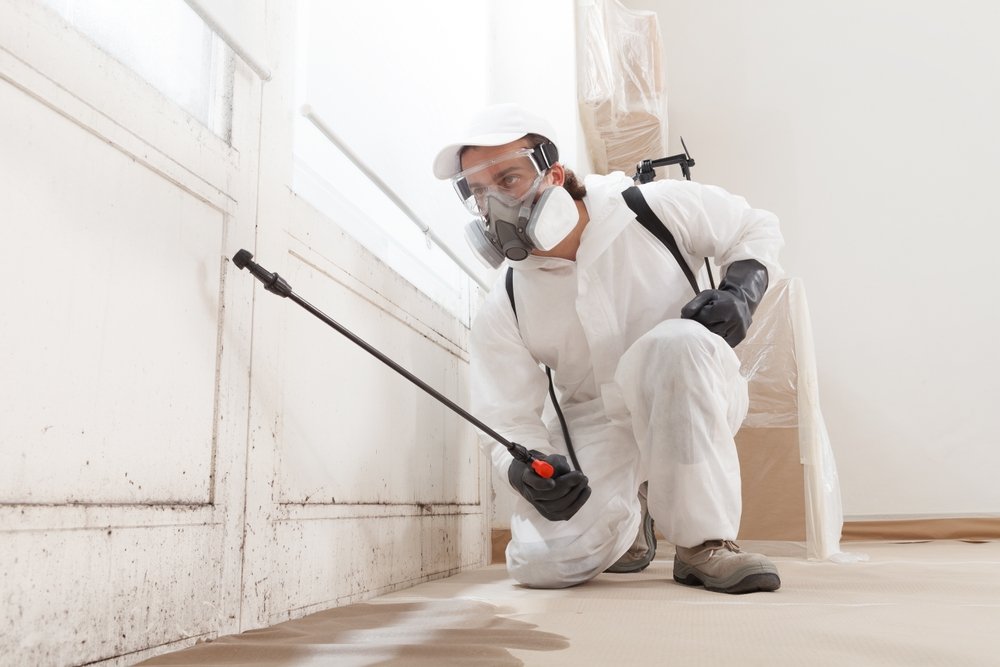
Mold remediation involves addressing existing growth, removing contaminated materials when necessary, and correcting the conditions that allowed the problem to develop. The process should begin with identifying and stopping the moisture source. Depending on the affected materials and the extent of contamination, remediation may involve cleaning suitable surfaces, removing damaged porous materials, and controlling dust during the work. Simply painting over visible growth or covering affected areas does not resolve the underlying problem. Proper corrective action should focus on both contamination and moisture control. Professional remediation may be necessary when contamination affects large areas, involves concealed building materials, or occurs in complex ventilation systems. Mold detection findings can help identify the areas requiring attention and support the development of an appropriate remediation plan. Qualified professionals should follow suitable safety procedures and use appropriate protective equipment. After remediation, the affected areas should be checked to confirm that moisture problems have been corrected and the work has been completed appropriately. Preventing recurring dampness is essential for protecting the property over time.
Choosing a Qualified Inspection Professional
Selecting a qualified professional is important for obtaining useful and reliable information about a property’s condition. Property owners should look for inspectors with relevant training, experience, and knowledge of building science and moisture assessment. A reliable professional should explain the inspection process, describe the limitations of testing equipment, and provide clear documentation of findings. They should also distinguish between confirmed observations and conditions that require additional investigation. This transparency helps clients understand the actual situation rather than making decisions based on assumptions. Before hiring a service provider, property owners can ask about qualifications, inspection procedures, reporting methods, and experience with similar buildings. Mold detection should involve a clear assessment of suspected growth and possible moisture sources rather than relying only on expensive equipment or unnecessary sample collection. It is also useful to understand whether the inspector has a financial interest in performing remediation work. Independent assessments can help property owners receive objective information about their buildings. Comparing professional qualifications and service details makes it easier to choose a suitable provider.
Long-Term Property Maintenance Strategies
Regular property maintenance can help prevent moisture problems and protect indoor environments. Property owners should inspect plumbing connections, roofs, windows, gutters, and drainage systems for signs of leaks or damage. Small plumbing problems should be repaired promptly before water spreads into surrounding materials. Bathrooms and kitchens should be kept clean and adequately ventilated to reduce excessive humidity. These simple practices can help prevent conditions that encourage fungal growth and reduce unexpected repair expenses. Indoor humidity should also be monitored, particularly in rooms that experience frequent moisture. Dehumidifiers may be useful in damp areas when ventilation and moisture correction alone are insufficient. Air conditioning systems, exhaust fans, and drainage equipment should be maintained according to manufacturer recommendations. Mold detection can be helpful when a property has a history of flooding, repeated leaks, or recurring moisture concerns. Consistent maintenance and early intervention help protect building materials and support better indoor air quality.
Conclusion
Maintaining a healthy indoor environment requires attention to moisture control, proper ventilation, building maintenance, and early identification of potential contamination. Mold can develop in hidden areas and affect building materials when moisture problems remain unresolved. Understanding common warning signs, professional inspection methods, and modern detection equipment helps property owners take appropriate action. Moisture assessment and laboratory analysis can provide useful additional information when necessary, but results should always be interpreted alongside the building’s overall condition. Professional mold detection can support better property management by helping identify suspected growth, investigate hidden moisture, and determine whether additional action is required. Addressing water leaks, improving ventilation, and arranging appropriate remediation when necessary are important steps toward protecting buildings. Property owners should prioritize qualified professionals, accurate assessments, and consistent maintenance practices. By taking a proactive approach to moisture management and indoor air quality, homeowners and businesses can create cleaner, healthier, and more comfortable indoor environments.
Author

thedailygurdian@gmail.com
Related Posts

Sosoactive Co: Everything You Need to Know About This Digital Publishing Platform
- 0
- 2,206 words
Introduction The internet has become one of the most important sources of information, offering people access to knowledge, news, practical advice, and...
Read out all
QuoteBless Com: Exploring a Helpful Platform for Quotes, Blessings, and Meaningful Messages
- 0
- 2,300 words
Introduction In today’s digital world, words have the power to connect people, express emotions, and make ordinary moments special. Whether someone wants...
Read out all
Complete Guide to Keeping Your Swimming Pool Clean, Safe, and Well Maintained
- 0
- 3,103 words
A swimming pool provides a comfortable place to relax, exercise, entertain guests, and enjoy quality time with family and friends. However, maintaining...
Read out all
Expand Your Living Space with a Thoughtfully Planned Home Addition
- 0
- 2,898 words
A growing household, changing lifestyle, or desire for greater comfort can make an existing home feel smaller than it once did. Families...
Read out all
Stump Grinding: An Effective Solution for Removing Tree Stumps and Restoring Outdoor Spaces
- 0
- 3,110 words
Trees play an important role in creating attractive landscapes, providing shade, improving air quality, and supporting the natural environment. However, when a...
Read out all
Emergency Pest Control: Effective Solutions for Fast Relief and Long-Term Protection
- 0
- 2,858 words
Pest infestations can create serious problems for homeowners, business owners, and property managers, especially when they appear unexpectedly or spread rapidly. From...
Read out all