
- 0
- 3,110 words
Trees play an important role in creating attractive landscapes, providing shade, improving air quality, and supporting the natural environment. However, when a tree becomes damaged, diseased, unstable, or unwanted, removing it may become necessary to protect nearby structures and maintain the appearance of a property. Although cutting down a tree removes most of the visible growth, the remaining stump can continue to create problems. Tree stumps may take up valuable outdoor space, interfere with landscaping projects, attract unwanted insects, and become obstacles for lawn maintenance. Removing them properly is therefore an important part of completing a tree removal project. Stump grinding offers an efficient and practical method for dealing with these unwanted remnants without requiring extensive excavation.
This process uses specialized machinery to break the remaining stump into small wood chips, gradually reducing it below the surrounding ground level. Unlike complete stump extraction, which involves removing a substantial portion of the root system, grinding focuses primarily on the visible stump and the roots near the surface. This approach can minimize ground disturbance and make it easier to restore the affected area for future use. Whether a property owner wants to improve landscaping, eliminate a tripping hazard, prepare space for new plants, or enhance the overall appearance of an outdoor environment, understanding the process can help them make an informed decision.
Understanding the Purpose of Stump Removal
When a tree is cut down, its stump often remains firmly attached to the ground through an extensive root system. Depending on the tree species, age, and growing conditions, this remaining structure may occupy a considerable amount of space beneath the soil. Although some property owners choose to leave stumps in place, they can gradually become inconvenient and interfere with regular outdoor activities.
One of the main reasons for removing a stump is to improve the appearance of a landscape. A large or deteriorating stump can make an otherwise attractive lawn look unfinished. It may also interfere with garden designs, outdoor seating arrangements, and other landscaping improvements. Removing it creates a cleaner surface and provides greater flexibility when planning future projects.
Safety is another important consideration. Stumps that remain close to walking areas, driveways, or frequently used garden spaces can create tripping hazards. They may be particularly problematic when covered by grass, leaves, or other vegetation that makes them difficult to notice. Removing these obstacles can make outdoor areas more accessible and convenient.
Stumps may also attract insects and other organisms as the wood begins to decay. Depending on the condition of the stump and the surrounding environment, decomposing wood can provide shelter or food for certain pests. Addressing unwanted stumps can therefore be a useful part of general property maintenance.
How the Stump Grinding Process Works
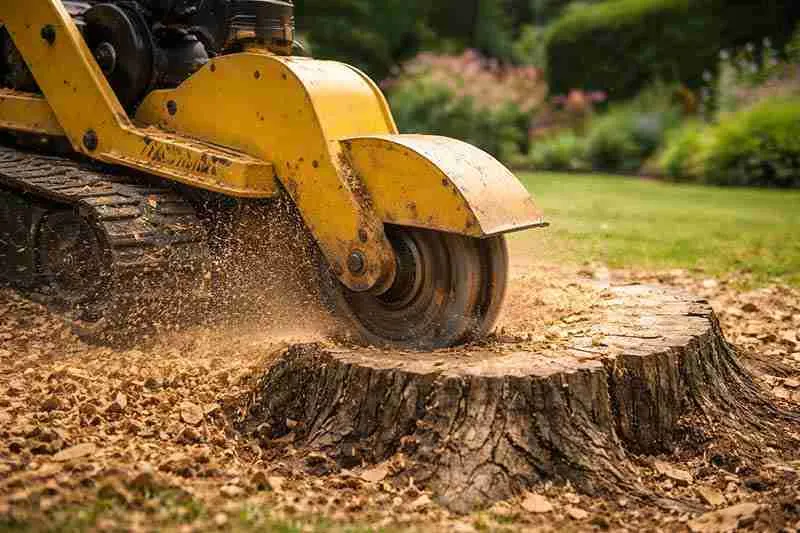
The grinding process involves using a specialized machine equipped with a rotating cutting wheel containing durable teeth. These teeth gradually break down the wood as the machine moves across the stump. The equipment reduces the remaining tree material into small wood chips, creating a cavity that extends below the surrounding soil surface.
Before beginning, a professional operator generally inspects the stump and surrounding area. This assessment helps identify potential obstacles, nearby structures, underground utilities, slopes, and other conditions that may affect the work. The operator also evaluates the stump’s diameter, height, and accessibility to determine the most suitable equipment.
Once the area has been prepared, the machine is positioned carefully near the stump. The cutting wheel is moved across the wood in a controlled manner, gradually reducing the stump from the top downward. Depending on the machine and stump size, the process may take a relatively short time or require additional work.
As the wood is processed, it produces a mixture of chips and smaller organic material. This material collects around the grinding area and can be removed, reused, or distributed according to the property’s landscaping requirements. After the grinding work is complete, the remaining cavity can be prepared for restoration using suitable soil and other materials.
Benefits of Choosing Professional Stump Grinding
Removing an unwanted tree stump can improve the functionality and appearance of outdoor spaces. Professional grinding offers several advantages because it uses equipment specifically designed for reducing large pieces of wood without requiring extensive digging.
One major benefit is that the process generally causes less surface disruption than complete stump excavation. Traditional extraction may involve removing large roots and disturbing considerable amounts of surrounding soil. Grinding focuses on the stump and selected root sections, which can make it more suitable for properties where preserving nearby landscaping is important.
Another advantage is efficiency. Large stumps can be difficult to remove manually because their roots may extend deep into the soil. Specialized machinery makes it possible to process substantial amounts of wood without relying on extensive manual labor.
The process also creates useful wood chips that may be reused in landscaping. Depending on their condition and intended application, these chips can be incorporated into mulch or used for certain garden purposes. This helps reduce waste and makes practical use of the material produced during the work.
Professional services can also help property owners avoid unnecessary risks associated with attempting to remove large stumps without appropriate equipment or experience. Experienced operators understand how to assess the work area, select suitable machinery, and manage the equipment safely.
Preparing the Property Before the Work Begins
Proper preparation helps ensure that the grinding process can be completed efficiently and with fewer complications. Before scheduling the service, property owners should identify the location of the stump and consider whether the surrounding area provides sufficient access for the required machinery.
The work area should be cleared of movable objects such as garden furniture, decorative items, toys, tools, and loose landscaping materials. Vehicles should also be moved away from the immediate area to reduce the possibility of accidental damage from flying wood chips or equipment movement.
Underground utilities require particular attention. Electrical cables, water lines, gas pipes, irrigation systems, and communication cables may be located beneath or near the stump. Their positions should be identified before work begins. A qualified professional should follow the applicable utility-location procedures and avoid operating equipment in areas where underground services may be at risk.
Property owners should also discuss nearby features with the service provider. Fences, retaining walls, paved surfaces, garden beds, and delicate plants may influence equipment access and the grinding approach. Sharing this information before the appointment helps the operator prepare for the specific conditions of the property.
Understanding Different Types of Stump Grinding Equipment
Several types of grinding machines are available, and their suitability depends on the size of the stump, available access, terrain, and overall project requirements. Selecting the correct equipment can improve efficiency while reducing unnecessary disturbance to the surrounding landscape.
Small portable grinders are commonly used for residential properties with narrow access routes or relatively small stumps. Their compact size makes them useful in gardens, courtyards, and other restricted spaces where larger equipment may not fit comfortably.
Medium-sized machines provide additional cutting capacity and may be suitable for larger residential projects or properties with several stumps. They offer a balance between maneuverability and performance, making them useful for a wide range of landscaping applications.
Large commercial grinders are generally designed for substantial stumps and demanding projects. They may be used on larger properties, commercial landscapes, and areas where several significant stumps need to be processed. These machines require experienced operators and appropriate working space.
The choice of equipment should be based on a professional assessment rather than stump diameter alone. Ground conditions, slope, access width, surrounding obstacles, and the location of underground services all influence which machine is appropriate.
Why Professional Equipment and Experience Matter
Operating stump removal machinery requires technical knowledge and awareness of potential hazards. Grinding equipment contains powerful rotating cutting components that can produce significant amounts of debris. Incorrect operation may cause injury, property damage, or equipment failure.
Professional operators are trained to evaluate working conditions and use appropriate protective equipment. They understand how to identify potential hazards, establish safe working boundaries, and select machinery suited to the stump and surrounding environment. Their experience also helps them recognize conditions that may require additional preparation before work begins.
Safety equipment is an important part of the process. Depending on the equipment and working conditions, operators may use protective eyewear, hearing protection, gloves, suitable footwear, and other required protective gear. Barriers or warning signs may also be used to prevent people from entering the immediate work area.
Hiring an experienced service provider can reduce the likelihood of avoidable problems and help ensure that the work is completed according to appropriate safety practices. Property owners should ask about the provider’s experience, insurance coverage, equipment, and procedures for handling underground utilities before approving the project.
What Happens to the Roots After Grinding?
A common question among property owners concerns what happens to the tree roots after the visible stump has been processed. Grinding does not normally remove the entire underground root system. Instead, it reduces the stump and selected upper root sections to a depth appropriate for the intended landscaping work.
The remaining roots generally stay beneath the ground and gradually decompose over time. The speed of decomposition depends on factors such as tree species, soil conditions, moisture levels, temperature, and the size of the remaining roots. Some root sections may take several years to break down completely.
As the roots decompose, the soil above them may settle slightly. This can create small depressions in the affected area, particularly where substantial amounts of wood have been removed. Property owners should understand this possibility when planning to install grass, garden beds, or other landscaping features.
If a new tree or large plant is planned for the same location, the remaining roots and underground conditions should be evaluated. In some situations, selecting a different planting location may provide better growing conditions. A professional landscaper or arborist can help determine the most suitable approach based on the type of tree and the intended use of the space.
Reusing Wood Chips for Landscaping Projects
One practical advantage of the grinding process is the production of wood chips that may be reused around the property. These chips can provide several landscaping benefits when they are properly prepared and applied in suitable locations.
Wood chips are often used as mulch around ornamental plants, shrubs, and established trees. A suitable layer can help reduce moisture loss from the soil, moderate temperature changes, and limit weed growth. Organic mulch may also contribute to soil improvement as it gradually decomposes.
However, material produced from an old stump should be evaluated before being reused. If the tree was diseased, infested with certain pests, or affected by a plant pathogen, distributing its chips around the garden may be inappropriate. The material may need to be removed or handled according to professional recommendations.
Fresh wood chips should also be used carefully around plants. Applying excessive quantities or placing thick layers directly against plant stems and tree trunks can create unfavorable moisture conditions. Proper spacing and suitable mulch depth help prevent these problems.
Property owners who do not need the wood chips can arrange for their removal as part of the service. Discussing disposal or reuse preferences in advance helps ensure that the work area is left in an appropriate condition.
Improving Lawn Appearance After Stump Removal
Once the stump has been ground, the affected area may contain a mixture of wood chips, soil, and organic debris. Restoring the lawn requires preparing this material so that new grass or landscaping can be established successfully.
The first step is usually to remove excess wood chips from the area intended for grass growth. Large quantities of fresh wood material can interfere with the establishment of turf and may temporarily affect nutrient availability as decomposition occurs. A suitable soil mixture can then be added to fill the cavity and create a more level surface.
The replacement soil should be appropriate for the intended plants and local growing conditions. It may be necessary to add topsoil and prepare the surface before seeding or laying turf. The soil should also be monitored for settling during the following weeks or months.
If grass is being established, the selected seed or turf should be suitable for the amount of sunlight and moisture available. Regular watering and appropriate maintenance can support successful establishments. However, the area may require additional attention if substantial roots remain close to the surface or the soil continues to settle.
For larger landscaping projects, property owners may choose to replace the affected area with decorative stones, garden beds, or other features. This can provide an attractive alternative when growing grass in the original location is difficult.
Common Problems That Can Be Avoided With Proper Planning
Although stump grinding is generally an efficient method of removing unwanted tree stumps, certain problems can develop when the work is not planned correctly. One common issue is damage to underground utilities. Tree roots may grow around water lines, electrical cables, or irrigation pipes, making it essential to identify their locations before work begins.
Another concern involves nearby structures and landscaping features. Grinding equipment may produce flying debris, and larger machines require sufficient operating space. Without suitable precautions, windows, fences, vehicles, and garden features may be exposed to unnecessary risks.
Poor access can also create difficulties. Narrow pathways, steep slopes, soft ground, and limited turning space may restrict the equipment that can be used. Discussing these conditions with the service provider helps avoid unexpected complications.
Inadequate restoration is another common problem. Simply leaving a large cavity filled with loose wood chips may result in uneven ground as the material decomposes. Proper removal of excess chips, suitable soil replacement, and ongoing monitoring can help produce a more stable finished area.
Planning these details before the appointment allows property owners and contractors to agree on the expected outcome and reduce the possibility of additional work later.
Factors That Influence the Cost of Stump Grinding
The cost of removing a stump depends on several factors, and no single price applies to every project. The diameter of the stump is one important consideration because larger stumps generally require more grinding time and equipment effort. However, the tree species and wood density may also influence how quickly the material can be processed.
Accessibility is another major factor. Stumps located in open areas may be easier to reach than those surrounded by buildings, fences, retaining walls, or delicate landscaping. Restricted access may require smaller equipment or additional labor, which can affect the overall quotation.
The number of stumps also matters. Removing several stumps during the same visit may provide better overall value than arranging separate appointments. However, the final cost still depends on their combined size, location, and working conditions.
Additional services may influence the project budget as well. These can include wood chip removal, soil replacement, lawn restoration, root-related work, and cleanup. Property owners should request a detailed quotation that explains which services are included and whether additional expenses may arise.
Comparing multiple professional estimates can help customers understand the available options. The lowest quotation is not necessarily the most suitable choice if it excludes important safety measures or restoration work.
Environmental Considerations and Responsible Tree Management
Responsible stump removal should take environmental conditions into account. Trees provide important ecological benefits, and removing a stump is often part of a larger property management decision involving an already removed tree. Property owners should consider whether the tree was removed because of disease, safety concerns, damage, or landscaping requirements.
Where possible, healthy trees should be preserved through appropriate maintenance and professional evaluation. When removal is necessary, using the resulting wood material responsibly can reduce unnecessary waste. Suitable wood chips may be reused as mulch, while other organic material may be processed through appropriate recycling or disposal arrangements.
Property owners should also consider soil conditions after grinding. Large root systems can influence drainage and soil structure, so the affected area should be inspected before major landscaping changes are made. Replacing the stump with suitable soil and selecting appropriate vegetation can help restore the area.
For environmentally sensitive properties, professional advice may be useful when dealing with diseased trees, invasive species, or stumps located near water features. Responsible disposal and restoration practices can help reduce the spread of pests or plant diseases while supporting healthier outdoor spaces.
Choosing a Reliable Stump Grinding Service
Selecting a qualified service provider is an important part of completing a successful stump removal project. Property owners should look for professionals with suitable experience, properly maintained equipment, and appropriate insurance coverage. These factors help establish confidence that the work will be handled responsibly.
Before hiring a contractor, it is useful to ask how the stump will be assessed, what equipment will be used, and how the surrounding area will be protected. Customers should also clarify the expected grinding depth, whether major surface roots are included, and what will happen to the resulting wood chips.
A reliable provider should explain any limitations associated with the process. For example, grinding does not normally remove the complete underground root system, and the affected soil may settle as remaining roots decompose. Understanding these details helps property owners establish realistic expectations.
Written estimates are also valuable because they clarify the agreed scope of work, cleanup responsibilities, and additional charges. Reviewing previous projects and customer feedback can provide further information about the contractor’s professionalism and service quality.
Conclusion
Removing an unwanted tree stump is an important step in maintaining a safe, attractive, and functional outdoor environment. Although a remaining stump may initially seem harmless, it can interfere with landscaping, create obstacles, attract certain pests, and make regular property maintenance more difficult. Choosing an appropriate removal method can help address these concerns while preparing the area for future use.
Stump grinding provides an efficient solution by reducing the remaining wood below the surrounding soil level without requiring complete excavation of the root system. The process can minimize surface disruption, produce reusable wood chips, and make it easier to restore the affected space. Proper preparation, underground utility identification, suitable equipment, and experienced operation are essential for achieving a safe and satisfactory result.
Property owners should also consider what happens after the grinding is complete. Removing excess chips, adding suitable soil, monitoring ground settlement, and selecting appropriate landscaping materials can help restore the area effectively. Professional guidance is particularly valuable when dealing with large stumps, restricted access, nearby structures, or complicated underground conditions.
Ultimately, professional stump grinding can improve outdoor appearance, increase usable space, and support long-term landscape maintenance. With proper planning and responsible execution, property owners can transform an obstructed area into a cleaner, safer, and more attractive part of their outdoor environment.
Author

thedailygurdian@gmail.com
Related Posts

Complete Guide to Keeping Your Swimming Pool Clean, Safe, and Well Maintained
- 0
- 3,103 words
A swimming pool provides a comfortable place to relax, exercise, entertain guests, and enjoy quality time with family and friends. However, maintaining...
Read out all
Expand Your Living Space with a Thoughtfully Planned Home Addition
- 0
- 2,898 words
A growing household, changing lifestyle, or desire for greater comfort can make an existing home feel smaller than it once did. Families...
Read out all
Emergency Pest Control: Effective Solutions for Fast Relief and Long-Term Protection
- 0
- 2,858 words
Pest infestations can create serious problems for homeowners, business owners, and property managers, especially when they appear unexpectedly or spread rapidly. From...
Read out all
Pool Resurfacing: Transform Your Swimming Pool with Durable Finishes and Professional Restoration
- 0
- 3,191 words
Introduction A swimming pool is more than just an attractive feature of a residential or commercial property. It provides a relaxing environment,...
Read out all
Hardscaping: Transforming Outdoor Spaces With Durable Design and Functional Features
- 0
- 3,328 words
Creating an attractive outdoor environment requires more than selecting beautiful plants, maintaining a healthy lawn, and adding colorful flowers. The structural elements...
Read out all
Startup Booted Fundraising Strategy: A Complete Guide to Building and Growing a Business Without External Investment
- 0
- 2,701 words
Starting a business is an exciting journey, but finding enough money to turn an idea into a successful company can be challenging....
Read out all