
- 0
- 916 words
A solar powered generator is a portable energy system that collects electricity from solar panels, stores it in a battery, and supplies that energy when needed. Unlike a solar panel alone, it keeps captured energy available after the sun goes down or when power is needed somewhere else. That makes the category relevant to more than outdoor trips. Home backup, mobile work, off-grid stays, and planned household energy use can all benefit from stored electricity that moves with the user.
Understand What You Are Actually Getting
It Is a Complete Energy Chain, Not a Single Device
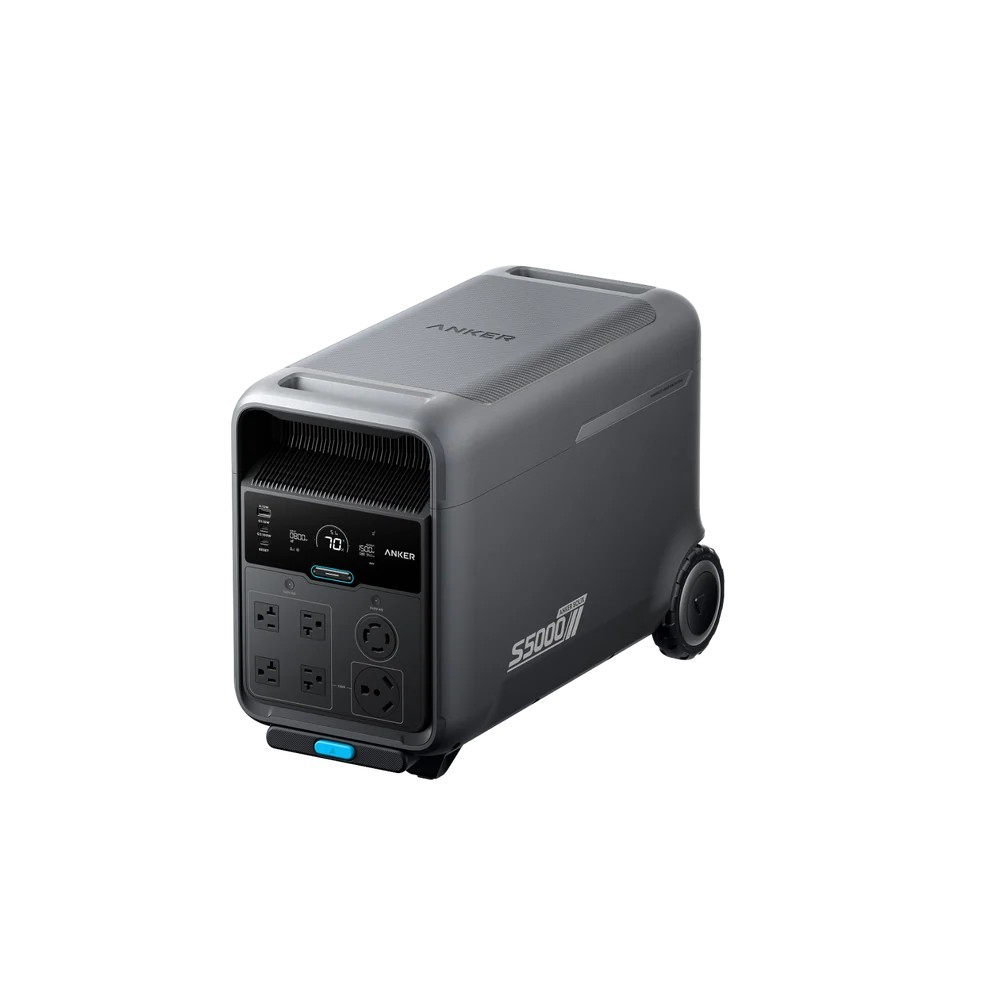
The word “generator” can make the product sound like one component, but the system performs several connected jobs. Solar panels capture energy. The power station accepts and manages that input. Its battery stores energy for later, while the inverter and output system deliver electricity to compatible devices and appliances. This chain is what separates a solar powered generator from a solar panel or standalone battery. The Anker SOLIX S5000, for example, combines 5,024Wh of battery capacity with up to 3,000W solar input and is available with a 400W bifacial solar panel. The result is an energy system that can collect electricity at one time and make it available for a completely different part of the day.
Capacity and Output Answer Two Different Questions
Battery capacity describes the amount of stored energy, while output power describes what the station can operate at a particular moment. Keeping those concepts separate makes solar generator specifications much easier to understand. The S5000 provides 5,024Wh of base capacity, 4,500W rated output, and 8,000W peak output. It also supports both 120V and 240V output. Capacity therefore answers “how much energy is available,” while wattage answers “what can receive power now.” Someone who mainly needs lights and electronics may evaluate these figures differently from a household planning backup for larger appliances. A useful purchase decision considers both the amount of stored electricity and the electrical demands of the equipment that will depend on it.
Solar Is One Way to Put Energy Back
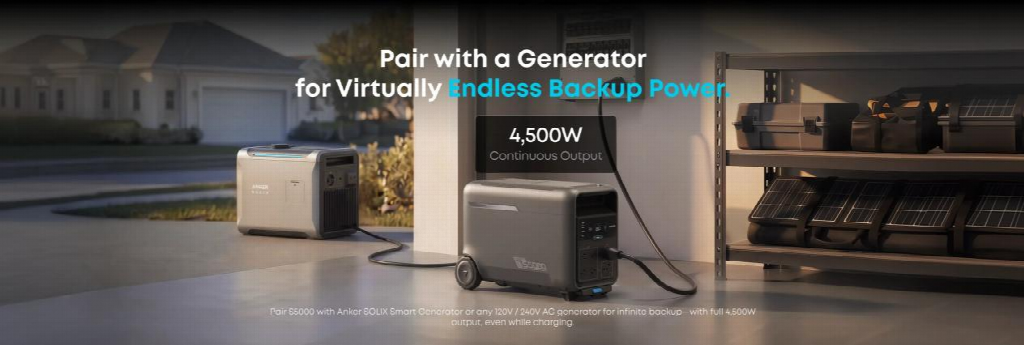
Solar charging defines the category, but a modern power station can fit into a wider charging routine. The S5000 supports six ways to recharge. Its supplied charging information includes solar, AC wall power, alternator charging, compatible generator charging, and mixed charging options. This flexibility changes how the system fits into everyday life. A camper might collect solar energy while staying in one place and recharge from the alternator while traveling. A household may prepare the battery before severe weather and then replenish it through an available supported source. The important concept is energy independence between charging and consumption: users can store electricity when a suitable source is available and draw on it later when the energy has greater practical value.
Find Out Whether This Type of Power Fits Your Life
Households Wanting a Ready Backup Reserve
A solar generator makes sense when a household wants stored electricity available for planned backup. Refrigeration, lighting, communications, entertainment, and selected household appliances can all become part of a backup strategy based on their individual energy requirements. Anker positions the S5000 for up to 48 hours of home backup under its stated scenario and lists 512 hours of idle standby time. The product is also UL 9540 and UL 9540A certified. These characteristics fit a use case where the station may spend long periods ready for service and then take on an important role when backup power is required. The relevant question for a household is which loads should remain available and how long the stored reserve should support them.
Travelers and Mobile Users Need Energy That Changes Location
Camping is an obvious application, but mobile power extends well beyond a tent. RV stops, outdoor events, remote work sites, photography sessions, and extended road trips may all place electricity far from a convenient outlet. Here, physical design becomes part of the buying decision. The S5000 measures 10.6 × 22.0 × 15.2 inches and weighs 97 pounds. Built-in wheels and a handle support movement when the unit needs to change locations. Its charging choices also suit changing travel conditions because energy can return through different supported sources during a trip. For mobile users, the value lies in carrying a substantial stored-energy reserve between places instead of designing every activity around immediate access to fixed electrical infrastructure.
Growing Energy Plans Benefit From Expandable Storage
Some buyers know their current energy needs but expect those needs to change. A household might begin with backup for essential appliances, then decide that a longer backup window fits its plans. A mobile setup may also expand as more equipment becomes part of regular trips or projects. The S5000 starts at 5kWh and supports expansion up to 30kWh. Anker states a 15-year battery lifespan and rates its next-generation 314Ah LFP cells for 10,000 cycles. These specifications make scalability and long-term operation relevant to the ownership decision. Instead of choosing only for one immediate event, users with evolving energy requirements can consider whether the system has the capacity range and battery design to remain useful across different stages of use.
Conclusion
A solar powered generator combines energy collection, battery storage, power conversion, and usable outputs in one flexible system. The people who benefit most are those who have a clear reason to store electricity for another time or place, whether for household backup, travel, mobile activities, or expanding energy needs. The Anker SOLIX S5000 illustrates this broader role through 5,024Wh of base capacity, 120V and 240V output, multiple recharge methods, and storage expansion from 5kWh to 30kWh.
Author

khizarnisar367@gmail.com
Related Posts
How Many Solar Panels Does a Generator Need?
- 0
- 954 words
Panels are the part of a solar setup people buy by feel, usually after the generator has already arrived. The array is...
Read out all
How Do You Calculate Solar Generator Runtime?
- 0
- 916 words
Solar generator runtime is not simply the battery capacity divided by the largest appliance wattage. A useful estimate has to reflect how...
Read out all
Indoor Air Quality Testing: Creating Healthier and More Comfortable Indoor Environments
- 0
- 2,600 words
Understanding the Importance of Indoor Air Quality The quality of the air inside a building can have a significant impact on comfort,...
Read out all
Restore Home Comfort with Reliable Furnace Repair Solutions
- 0
- 2,331 words
Introduction A properly functioning furnace is essential for maintaining a warm, comfortable indoor environment when temperatures drop. Whether a heating system serves...
Read out all
Home Security: Smart Ways to Protect Your Property and Family
- 0
- 2,217 words
Understanding the Importance of Home Security Creating a safe living environment is a priority for homeowners who want to protect their families,...
Read out all
Hotel Parking Lots: Essential Features, Smart Design, Safety, and Guest Convenience
- 0
- 3,078 words
A comfortable hotel experience begins long before guests enter the reception area or check into their rooms. For many travelers, the first...
Read out all