
- 0
- 1,613 word
Missed details, hard-to-read notes, and slow record transfers can create real headaches in patient care. And when someone is waiting for answers, those delays feel even bigger. Modern practices need more than “less paper.” They need information that is accurate, searchable, protected, and easy to share when care depends on it.
Yes, moving away from paper charts can feel like a lot. Privacy rules, staff training, workflow changes-it adds up. But the upside is hard to ignore: fewer lost forms, less duplicate work, smoother communication, and better control over daily operations.
The Transformation of Medical Documentation in the Digital Era
Paper charts once ruled the front desk and exam room. Some clinicians still remember flipping through thick folders, hunting for one missing lab result. But healthcare has steadily moved toward digital records because speed, accuracy, and continuity matter too much to leave to filing cabinets.
This shift didn’t happen in one dramatic leap. It came from regulation, patient expectations, and the very practical need to make clinical work less fragmented.
From Paper Files to Shared Records
Across U.S. practices, digital documentation in healthcare is no longer experimental. It is now part of everyday medical operations. The CDC reports that 95.0% of U.S. office-based physicians had adopted EHR systems, with 83.6% using a certified EHR system.
Why Adoption Keeps Rising
For clinicians comparing record systems, emr vs ehr systems is a practical distinction to understand. It helps clarify whether a platform mainly supports documentation within one practice or allows broader record sharing across multiple providers and care settings. Once that difference is clear, it becomes easier to choose the tools that fit the way your team actually works.
Types of Digital Documentation Technologies Used in Modern Medical Practices
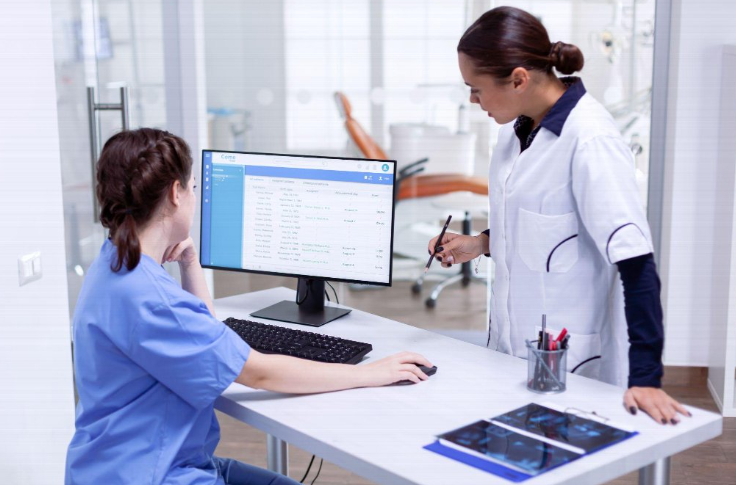
As digital adoption has grown, the next question is obvious: what tools do practices truly need? In most clinics, documentation is not handled by one system alone. Several platforms often work together behind the scenes.
EMR, EHR, and Practice Management Tools
Clinicians often use electronic medical records to document visit notes, diagnoses, prescriptions, allergies, and patient history within one organization. Broader digital health records may also include outside lab results, referrals, imaging reports, hospital notes, and patient access features.
Practice management software usually handles scheduling, billing, claims, reminders, and front-office workflows. When these tools connect well, your staff spends less time typing the same information in different places.
Telehealth and Patient Portals
Telehealth platforms, online booking tools, billing systems, and patient portals now sit close to the clinical record. When they work smoothly together, the patient experience improves too. People can message the office, view test results, pay bills, request refills, or join a virtual visit without calling three times.
| Tool Type | Main Purpose | Common Value |
| EMR | Practice-level charting | Faster internal documentation |
| EHR | Broader patient record sharing | Better care coordination |
| Portal | Patient access and messages | Fewer phone calls |
| Practice management | Scheduling and billing | Cleaner front-office flow |
With the core tools in place, the value becomes easier to see.
Benefits of Digital Documentation for Healthcare Providers and Patients
Once the main platforms are understood, the benefits show up in the day-to-day details. The biggest wins usually involve faster access, safer decisions, better coordination, and less administrative drag.
Faster Decisions and Better Coordination
The benefits of digital documentation include quicker access to medications, allergies, care plans, diagnoses, and recent test results. That matters a lot when a patient sees more than one provider or needs follow-up after an urgent visit, hospital stay, or specialist referral.
Instead of waiting for a fax or searching through old folders, care teams can review important information faster. That can reduce duplicate testing, prevent missed details, and support more confident clinical decisions.
Better Patient Access
Patients expect more visibility than they used to. More than 3 in 4 individuals nationwide reported being offered online access to their medical records by their health care provider or insurer, and nearly two-thirds accessed their records at least once in the past year. (Page 8)
That kind of access helps patients feel more involved. They can review instructions, check results, confirm appointments, and ask questions without always needing a phone call.
Of course, these gains depend on thoughtful system design. Going paperless is only the first step.
Key Features Modern Medical Documentation Solutions Must Offer
Buying software does not automatically fix documentation problems. Strong systems need the right mix of security, usability, flexibility, and reporting. Otherwise, you may simply trade paper clutter for digital clutter.
Interoperability and Specialty Templates
Good modern medical documentation should support secure data exchange with labs, pharmacies, hospitals, referral partners, and other approved systems. If information cannot move where it needs to go, care coordination still suffers.
Specialty templates matter too. Cardiology, pediatrics, therapy, behavioral health, and primary care teams do not document in exactly the same way. A useful system should adapt to the work instead of forcing every clinician into the same rigid format.
Security, Analytics, and Mobile Access
Role-based permissions, audit logs, encrypted storage, backups, and secure login controls are no longer optional. They are basic safeguards.
Mobile access is also important. Clinicians and staff may need to check a result, review a note, or respond to a message without being tied to one workstation. Simple reporting tools can also help practices track gaps in care, productivity, billing patterns, and compliance needs.
Even with the right features, implementation can still get bumpy.
Top Challenges With Digital Documentation in Healthcare
Real practices face real friction. Staff may worry about new workflows. Older data may be messy. Cybersecurity risks keep changing. And yes, some days the scanner will pick the worst possible moment to jam.
Privacy and Cybersecurity Risks
Strong passwords help, but they are not enough by themselves. Practices need regular staff training, access reviews, vendor checks, secure backups, and clear policies for sharing records.
Cybersecurity is not just an IT concern. It affects patient trust, legal compliance, and the basic ability to keep the practice running if something goes wrong.
Training and Data Migration
Moving from paper charts or an older system takes planning. Start with the records that matter most clinically. Test migrated information carefully. Give staff time to practice before launch.
A rushed rollout can create frustration fast. A phased approach usually works better because people can learn, adjust, and ask questions before everything changes at once.
Once those hurdles are handled, the next priority is building long-term habits.
Digital Documentation Best Practices to Future-Proof Your Medical Practice
A good system should support your practice today and still make sense as patient volume, reporting needs, and care models evolve. That requires steady routines, not just a one-time software purchase.
Standardize Documentation Protocols
Care teams should agree on naming conventions, note formats, coding habits, review steps, and where key details belong. When everyone documents differently, reports become harder to trust, and mistakes become easier to miss.
Standardization does not mean removing clinical judgment. It simply gives the team a shared language.
Use Audits, Backups, and Automation Carefully
Regular chart audits can catch missing signatures, outdated templates, coding issues, and incomplete documentation. Backups should also be tested, not just assumed to work.
AI scribes and voice-to-text tools may save time, and they can be genuinely helpful. Still, clinicians need to review every note before it becomes part of the official record. A note can sound polished and still be wrong.
Good habits also make it easier to evaluate what is coming next.
Emerging Innovations Shaping the Future of Digital Documentation in Healthcare
New tools are arriving quickly. That does not mean every practice needs to chase every trend. The better question is simple: does this tool save time, protect information, or improve care?
AI, NLP, and Voice Tools
AI assistants and natural language processing can help draft visit notes, summarize long records, or pull key details from complex documentation. These tools are promising, especially for reducing after-hours charting.
But human review remains essential. Healthcare documentation has consequences, and even a confident-sounding summary can miss context.
Blockchain, APIs, and Wearables
Blockchain may help support record integrity, while APIs allow approved apps and systems to exchange information more smoothly. Wearables can add data such as blood pressure, glucose, sleep, heart rhythm, and activity levels.
The challenge is deciding what data gets reviewed, who reviews it, and how it becomes part of the chart without overwhelming the care team.
These changes often lead to practical buyer questions.
Final Thoughts on Smarter Medical Documentation
Adopting or upgrading digital records is not just a technology decision. It affects your patients, your staff, your compliance responsibilities, and the rhythm of everyday care.
The right system can improve access, reduce lost information, support safer sharing, and give patients a clearer view of their own health. Start with workflow needs, privacy rules, staff feedback, and realistic training. Tools will keep changing, especially with AI and connected devices, but the goal stays steady: make records easier to trust, easier to use, and ready for better care.
Common Questions About Digital Documentation
What are the four types of documentation?
The four common types are clinical notes, administrative records, financial or billing records, and patient communication records. Together, they show what happened, why care was provided, what was billed, and how the patient was informed.
Can you give me an example of a digital document?
A digital document could be an electronic visit note, lab result, consent form, referral letter, or discharge summary. It is stored electronically, can be searched, and may be shared through approved systems when care requires it.
How can practices move from paper to digital records quickly?
Start with current patients, scan only records that are still clinically useful, train staff in small groups, and test workflows before launch. A phased rollout usually works better than forcing every process to change at once.
Author

khizarnisar367@gmail.com
Related Posts

When Accidents Turn Your Life Upside Down, Who Do You Call?
- 0
- 1,068 word
A car accident happens in seconds, but the aftermath can stretch on for months, even years. Medical bills pile up, insurance adjusters...
Read out all
Glossywise Com: A Practical Guide to Understanding the Website
- 0
- 1,552 word
The internet has made it easier than ever to find information about almost any subject. From business and technology to lifestyle and...
Read out all
Make Every Outfit Shine With Distinctive Neckwear
- 0
- 1,217 word
When it comes to making a statement with your jewelry, nothing quite compares to the brilliance and boldness of diamond chains. Whether...
Read out all
Skilled Artists Creating Distinctive Ink Designs
- 0
- 618 words
Getting a tattoo is much more than just sitting down for a few hours and letting ink touch your skin. It is...
Read out all
Creative Ideas for Beautiful Home Transformations
- 0
- 1,157 word
Every homeowner eventually reaches a moment where their current living space no longer fits their changing lifestyle. Families grow, routines shift, and...
Read out all
Mystique by Beguile: What It Smells Like and Who It’s For
- 0
- 864 words
Choosing a signature fragrance is less about following trends and more about finding a scent that feels natural on your skin and...
Read out all