
- 0
- 1,238 word
Why a Consistent Oral-Hygiene Routine Matters
Healthy teeth and gums have less to do with finding the perfect product and more to do with what you repeat every single day. Plaque—a soft, sticky film of bacteria—starts forming on teeth within hours of cleaning, and if it’s left undisturbed, it can pave the way for tooth decay and inflamed gums. Solid oral care really comes down to a handful of habits working together: brushing with good technique, using fluoride toothpaste consistently, cleaning between the teeth, and keeping up with regular dental checkups. Whether you reach for a manual brush or an electric toothbrush, the tool itself matters far less than how consistently and correctly you use it. No device, however advanced, can guarantee healthy teeth on its own—it’s the habits built over time that make the real difference.
What an Effective Oral-Hygiene Routine Should Achieve
A good routine does a few key things: it removes plaque from tooth surfaces, lowers the risk of cavities and gum disease, protects enamel through fluoride exposure, and reaches spots that brushing alone tends to miss. Skip plaque removal long enough, and it can harden into tartar—a mineralized deposit that brushing generally can’t touch and that requires a professional cleaning to clear away.
It’s worth getting familiar with a few terms that often get used interchangeably but actually mean different things. Plaque is the removable bacterial film; tartar is what plaque becomes once it hardens; gingivitis refers to early, reversible gum inflammation; and periodontitis is a more advanced—and potentially irreversible—form of gum disease that affects the structures supporting the teeth. Home care can prevent and manage early-stage issues, but it’s never a substitute for professional assessment when problems persist.
Brushing Technique: The Basics That Make the Biggest Difference
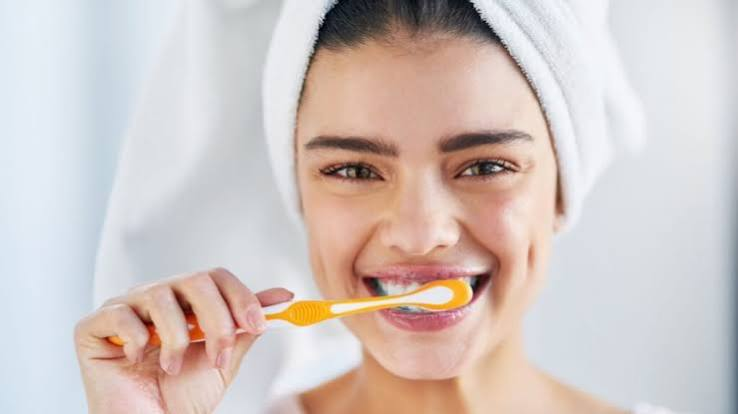
Brush twice daily with fluoride toothpaste for about two minutes—a guideline widely supported by dental organizations. Fluoride strengthens enamel and makes teeth less susceptible to decay. Always follow the instructions on the label, and check in with a dental professional when choosing toothpaste for children or anyone with specific needs.
A thorough brushing routine covers the outer surfaces, inner surfaces, and chewing surfaces of every tooth, plus the gumline, all with gentle pressure. Mentally splitting the mouth into quadrants—upper right, upper left, lower right, lower left—can help ensure nothing gets skipped. Someone who consistently neglects the inner surfaces of their lower teeth, for example, might do well to start there each time, saving the easier-to-reach areas for last.
Use gentle pressure rather than scrubbing aggressively; brushing harder doesn’t clean any better, and over time it can irritate gums or wear down enamel. The brush head should fit comfortably in the mouth, letting the bristles reach the gumline without being forced against it.
Choosing Between Manual and Powered Brushes
Both manual and powered brushes can deliver excellent results when used correctly and consistently. One notable systematic review found that powered brushes led to a modest average reduction in plaque and gingivitis compared with manual brushes, although results varied depending on the type of brush and how the studies were designed. An electric toothbrush can be especially helpful for people with limited hand dexterity, inconsistent brushing habits, or certain mobility challenges. That said, no amount of technology makes up for missed surfaces, rushed brushing, or poor technique—the fundamentals still apply no matter which tool you pick up.
Cleaning Between the Teeth
Toothbrush bristles simply can’t reach the tight contact points between teeth reliably, which is exactly why daily interdental cleaning matters so much. Clean between your teeth using dental floss, interdental brushes, or another method your dental professional recommends. The right choice depends on factors like tooth spacing, orthodontic appliances, dexterity, and personal dental history. Stick to gentle movements rather than snapping or forcing material against the gums. A little bleeding is common when you first introduce interdental cleaning to gums that are already inflamed, but bleeding that’s persistent or heavy is worth having checked out professionally.
Habits That Can Undermine Oral Health
A handful of habits can quietly chip away at an otherwise solid routine:
- Brushing for too short a time
- Applying too much pressure
- Skipping the gumline or inner surfaces
- Frequently reaching for sugary or acidic foods and drinks
- Rinsing right after brushing, which washes away fluoride before it has a chance to work—spitting out the excess toothpaste without rinsing is generally the better move
- Brushing with worn or frayed bristles
Replace worn bristles by swapping out toothbrushes (or brush heads) roughly every three to four months, or sooner if they’re already looking frayed.
Adapting the Routine for Different Needs
Children often need supervision to make sure they’re covering everything, and fluoride recommendations can shift depending on age, so caregivers should lean on local dental guidance. People with braces, bridges, or other appliances have extra nooks where plaque likes to build up, which makes specialized brushes or interdental tools genuinely useful—best sorted out with input from a dentist or orthodontist. Anyone with sensitive teeth or bleeding gums should brush gently and ease off the pressure, though ongoing sensitivity, swelling, or pain calls for a professional look rather than a wait-and-see approach at home.
How to Make the Routine Easier to Maintain
Tying brushing to something you already do—right after waking up, or just before bed—makes consistency far easier to pull off. Keeping your supplies within easy reach, setting a timer, following the same sequence every time, and keeping track of when brush heads need replacing all take some of the mental load off.
Key takeaway: Consistency, full coverage, fluoride toothpaste, and a gentle touch are the core ingredients of effective daily care.
A busy professional who keeps forgetting to brush at night might have better luck placing their toothbrush next to their phone charger, effectively linking the two habits together.
When to Seek Professional Dental Advice
Some symptoms are signals that home care alone isn’t enough:
- Persistent gum bleeding
- Swelling or pus
- Ongoing toothache or sensitivity
- Bad breath that doesn’t let up despite a solid routine
- Loose or damaged teeth
- Difficulty chewing
Preventive dental visits tend to catch problems early, before they turn into something more serious—or more expensive—to treat. Because everyone’s needs differ depending on dental history, medications, age, and other health factors, personal guidance from a licensed dental professional should always come before general advice like this.
A Simple Daily Routine to Remember
- Brush every tooth surface twice daily with fluoride toothpaste.
- Use gentle pressure and give each area adequate time.
- Clean between the teeth once a day with a method that suits you.
- Spit after brushing instead of rinsing right away, unless told otherwise.
- Swap out worn equipment and keep up with dental appointments.
Quick self-check: Are you cleaning every tooth surface? Using fluoride toothpaste? Cleaning between your teeth? Brushing gently and consistently?
Turning Good Advice Into a Sustainable Habit
Oral health comes down far more to repeatable daily habits than to any single tool or product. Full coverage, fluoride exposure, interdental cleaning, a gentle technique, and periodic professional care together build a solid foundation. Seek professional advice for persistent symptoms, and maybe take a moment today to look at your own routine—pick out the one step you tend to skip, and focus on improving that, rather than chasing a flawless system overnight.
Author

khizarnisar367@gmail.com
Related Posts

Termite Control: Effective Strategies for Protecting Your Property
- 0
- 2,321 words
Termites are among the most persistent pests that can affect buildings, furniture, landscaping structures, and other wooden materials. Because they often remain...
Read out all
Building Effective Behavioral Support Strategies to Encourage Meaningful Progress and Independence
- 0
- 1,934 word
Applied Behavior Analysis (ABA) is a structured approach used to understand behavior and teach useful skills through individualized strategies and measurable interventions....
Read out all
Self Storage Dubai: Finding Affordable and Reliable Storage Solutions
- 0
- 1,915 word
Self storage dubai has become a practical necessity for a growing proportion of the city’s residential and business population. Dubai’s apartment-dominated housing...
Read out all
Is a VLSI Design Course Worth It for Fresh Graduates and Working Professionals?
- 0
- 890 words
Introduction The field of semiconductors is integral to the technological advancement witnessed in the world today. This is because there are numerous...
Read out all
Trupeek.com: A Complete Guide to Its Features, Purpose, and Online Experience
- 0
- 2,560 words
Introduction to Trupeek.com The internet is full of websites designed to make everyday tasks easier, provide useful information, and help people discover...
Read out all
Remodel vs. Renovate vs. Restore: Which Word Matches Your Next Home Project?
- 0
- 3,054 words
A dated kitchen can lead to three very different projects. Its cabinet doors stick, its counters show years of wear, and the...
Read out all