
- 0
- 2,658 words
Introduction
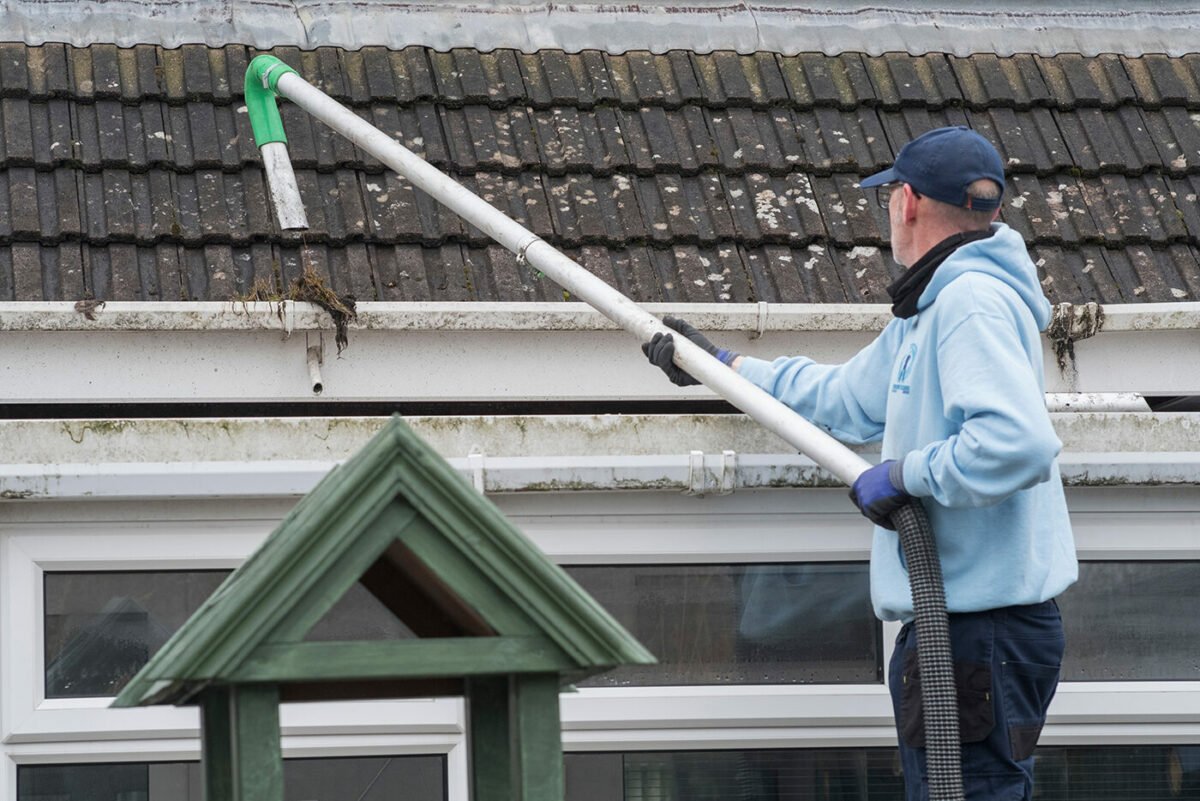
Maintaining a home involves many responsibilities, and keeping the drainage system clean is one of the most important tasks that homeowners should not overlook. Gutters collect rainwater from the roof and direct it away from the building, helping protect the foundation, walls, landscaping, and surrounding structures from water damage. However, leaves, twigs, dirt, pine needles, and other debris can accumulate inside the gutter system over time. When this happens, water may overflow during heavy rainfall, creating unnecessary maintenance problems and potentially expensive repairs. Installing gutter guards can help reduce debris buildup, improve water flow, and make regular gutter maintenance easier for homeowners who want to protect their property. A properly maintained gutter system plays a significant role in preserving the overall condition of a house. When gutters become clogged, standing water can encourage rust, contribute to mold growth, attract insects, and place additional weight on the gutter channels. These problems may develop gradually, making them difficult to notice until visible damage appears. Homeowners can avoid many of these issues by understanding how gutter protection works and selecting a solution that suits their roof design, surrounding trees, and rainfall patterns. Although no product completely eliminates maintenance, the right protective system can provide long-term convenience and help maintain a more reliable drainage system.
Understanding How Gutter Protection Works
Gutter protection systems are designed to prevent common types of debris from entering drainage channels while allowing rainwater to pass through. Depending on the product design, they may use mesh screens, perforated metal panels, foam inserts, or curved surfaces that guide water into the gutters. Each design offers different advantages, and its performance depends on factors such as material quality, installation accuracy, roof pitch, and the type of debris surrounding the home. Understanding these differences helps homeowners make informed decisions rather than choosing a product based solely on price or appearance. Most gutter protection products fit over or inside existing gutter channels, although some systems require more extensive installation. Certain models are designed to handle larger leaves, while others focus on filtering smaller particles such as seeds and pine needles. High-quality gutter guards can reduce the amount of debris that reaches the drainage system, but they still need occasional inspection to ensure water can move freely. Homeowners should consider how the system performs during heavy rainfall, how easily it can be cleaned, and whether it is compatible with their existing gutters before making a purchase.
The Main Benefits of Installing Gutter Protection
One of the biggest advantages of gutter protection is the reduction in routine cleaning requirements. Traditional gutters can collect large amounts of organic material, particularly when trees grow close to a house. Removing this debris may require ladders, cleaning tools, and considerable time, especially for properties with multiple roof levels. A suitable protection system helps keep much of this material out of the gutter channels, reducing the frequency of manual cleaning and making routine maintenance more manageable. Another important benefit is improved water management around the home. When gutters become blocked, rainwater can spill over their edges and collect near the foundation, potentially contributing to soil erosion, basement moisture, or damage to exterior walls. Gutter guards help limit the debris that causes these blockages, allowing the drainage system to perform more consistently when properly installed and maintained. They can also reduce the amount of wet organic material sitting inside gutters, which may discourage insects and minimize unpleasant odors caused by decomposing leaves. Safety is another consideration for homeowners who regularly clean their gutters. Climbing ladders while handling wet leaves or heavy debris can increase the risk of slips and falls. Reducing the need for frequent cleaning may lower the number of times someone must climb to roof level, although inspections and occasional maintenance will still be necessary. For homeowners with steep roofs, tall buildings, or difficult-to-reach gutter sections, a professionally installed protective system can make property maintenance more convenient while reducing exposure to unnecessary risks.
Different Types of Gutter Protection Systems
Several types of gutter protection products are available, and each is designed to address particular drainage and debris challenges. Mesh screens are among the common options because they allow water to pass through small openings while blocking many leaves and larger particles. Fine mesh products can also capture smaller debris, although dust, seeds, and roof granules may accumulate on the surface over time. The effectiveness of these systems depends on mesh quality, installation methods, and how easily accumulated material can be removed during maintenance. Perforated metal covers provide another option for homeowners who prefer a durable protective surface. These covers contain small openings that allow rainwater to enter the gutter while keeping larger debris outside. Their strength and resistance to physical damage can make them suitable for many residential drainage systems. However, the size and arrangement of the openings matter because very small particles may still collect on the surface, and poorly fitted panels can interfere with drainage or allow debris to enter through gaps. Foam inserts are placed inside gutter channels and use a porous structure to allow water to pass through while limiting the entry of larger debris. They can be relatively simple to install, but their performance varies according to material quality, exposure conditions, and the amount of organic matter around the home. Foam can retain moisture and may eventually collect dirt or support organic growth if it is not maintained correctly. Homeowners considering this option should review the manufacturer’s maintenance recommendations and expected service life before purchasing a complete system. Reverse-curve or surface-tension designs use a shaped cover to guide rainwater into the gutter while encouraging leaves and other debris to fall away. These products can perform well under suitable conditions, but their effectiveness depends on roof pitch, rainfall intensity, and correct installation. During particularly heavy rain, some designs may allow water to overshoot the gutter if the system is not properly matched to the roof. Comparing several product types helps homeowners identify a solution that balances durability, water flow, maintenance requirements, and overall cost.
Choosing the Right Materials for Long-Term Performance
Material quality has a direct influence on how well a gutter protection system performs over time. Aluminum is widely used because it is relatively lightweight, resistant to corrosion, and suitable for many residential applications. Stainless steel mesh is another popular choice because it offers strength and resistance to rust under normal conditions, although its price may be higher than that of some alternatives. Plastic products can be more affordable, but their resistance to ultraviolet exposure, temperature changes, and physical wear varies considerably between manufacturers. When comparing materials, homeowners should examine the thickness, construction quality, fastening method, and warranty conditions of each product. A low-cost system may seem attractive initially, but frequent repairs or premature replacement can make it more expensive over its lifetime. Gutter guards made from durable materials may offer better long-term value when they are installed correctly and maintained according to the manufacturer’s instructions. It is also worth checking whether replacement sections and compatible accessories are readily available, especially for homes with unusual rooflines or older gutter systems. Compatibility with the existing drainage system should be considered before selecting a material. Some products are designed for standard K-style gutters, while others accommodate half-round channels or particular roof configurations. Homeowners should also consider the condition of the existing gutters, because damaged, sagging, or incorrectly pitched channels may require repairs before any protective cover is installed. Addressing these underlying problems first helps ensure that the new system supports proper drainage instead of concealing an existing issue.
Installation Considerations for Better Results
Correct installation is essential for effective gutter protection. Even a well-designed product may perform poorly when panels are loosely attached, openings are misaligned, or the gutter system has an unsuitable slope. Before installation begins, the gutters should be inspected for leaks, loose brackets, corrosion, and accumulated debris. Downspouts should also be checked to confirm that water can move freely through the entire drainage system. Completing these steps helps prevent existing problems from reducing the performance of the new installation. Some homeowners choose do-it-yourself installation for products that are specifically designed for simple fitting and accessible rooflines. This approach may reduce labor expenses, but it requires accurate measurements, suitable tools, and careful attention to the manufacturer’s instructions. Working at height introduces significant safety risks, particularly around steep roofs, slippery surfaces, and elevated sections. Homeowners who are uncomfortable using ladders or working near roof edges should consider hiring an experienced professional rather than attempting a difficult installation themselves. Professional installation can be particularly useful for complex roof designs, multi-story homes, or systems that require specialized fastening methods. An experienced installer can evaluate gutter alignment, identify drainage problems, and recommend a suitable protective product based on the property’s needs. Before hiring a contractor, homeowners should request a written estimate that explains material costs, labor charges, preparation work, warranty coverage, and any additional repairs that may be required. Comparing these details makes it easier to evaluate the quality and value of different installation proposals.
Maintenance Requirements After Installation
Although gutter protection can reduce the amount of debris entering a drainage system, it should not be treated as a maintenance-free solution. Leaves, pollen, dust, roof granules, and small twigs may accumulate on top of the protective surface, gradually affecting how efficiently rainwater enters the gutter. Regular visual inspections can help identify these problems before they interfere with drainage. Homeowners should pay particular attention to areas beneath overhanging branches and sections where roof valleys direct large volumes of water toward the gutters. Seasonal inspections are useful because debris levels often change throughout the year. During autumn, falling leaves may cover protective surfaces, while spring can introduce pollen, seeds, and small plant material. Heavy storms may also leave branches or other debris on the roof and gutter system. Cleaning the protective surface when necessary and checking the downspouts for blockages can help maintain consistent water flow. The appropriate inspection schedule depends on the surrounding vegetation, weather conditions, roof design, and type of protection installed. Homeowners should also monitor the gutter system during rainfall whenever it is safe to do so. Water overflowing from the front edge, leaking at joints, or failing to discharge through the downspouts may indicate a blockage or installation issue. Gutter guards can help reduce common clogging problems, but they cannot correct every drainage fault or compensate for undersized gutters. Promptly investigating unusual water movement can prevent minor maintenance issues from developing into more serious property damage.
Common Mistakes to Avoid When Selecting Gutter Protection
One common mistake is choosing a product based entirely on its initial purchase price. Although affordable options may work well in certain situations, inexpensive materials can deteriorate quickly or require more frequent cleaning. Homeowners should compare the expected service life, maintenance requirements, warranty terms, and installation costs rather than evaluating products by price alone. A balanced comparison provides a clearer picture of the total investment and helps prevent avoidable replacement expenses. Another mistake is assuming that every protection system works equally well with all types of debris. Large leaves, pine needles, roof granules, and small seeds behave differently, so a product that performs well in one environment may be less effective in another. Before buying gutter guards, homeowners should consider the trees around their property, the amount of roof debris produced throughout the year, and the intensity of rainfall. Selecting a system that matches these conditions is generally more effective than relying on broad performance claims. Ignoring the condition of the existing gutters can also lead to disappointing results. Protective covers will not repair leaking seams, correct poor slopes, or strengthen loose brackets. Installing a new system over damaged gutters may make future inspections more difficult while leaving the original problems unresolved. A thorough inspection and any necessary repairs should therefore be completed before installation. This approach creates a sound foundation for improved drainage and helps the protective system deliver better long-term performance.
Understanding Costs and Long-Term Value
The cost of gutter protection varies according to the product type, material quality, total gutter length, roof accessibility, and complexity of installation. Basic screens may have a lower upfront price, while fine mesh systems and specialized metal covers can require a larger investment. Professional labor, preparation work, and repairs to existing gutters may increase the overall cost. Requesting detailed estimates from multiple suppliers or installers can help homeowners understand the available options and identify reasonable pricing for their specific requirements. Long-term value should be assessed by considering more than the initial purchase. Reduced cleaning frequency, fewer emergency maintenance visits, and better management of rainwater may provide meaningful benefits over several years. However, actual savings depend on the home’s surroundings, the amount of maintenance previously required, and the durability of the selected product. Homeowners should avoid assuming that a protective system will eliminate every cleaning expense or prevent all water-related problems, because occasional servicing remains important. Warranty coverage is another factor worth reviewing before making a final decision. Some manufacturers offer protection against specific material defects, while others provide limited coverage based on installation requirements or maintenance conditions. Homeowners should read the warranty carefully to understand exclusions, expected upkeep, and whether professional installation is necessary to maintain coverage. Evaluating these details alongside product performance and material quality helps establish whether the investment is appropriate for the property and budget.
Environmental and Property Protection Benefits
Effective rainwater management can support the long-term condition of a home’s exterior and surrounding landscape. When gutters carry water away from the roof efficiently, they help direct runoff toward suitable drainage areas rather than allowing it to spill unpredictably along walls and foundations. This can reduce soil displacement near the building and help protect garden beds, walkways, and other landscaped features from repeated water overflow. Properly maintained downspouts and suitable drainage outlets remain essential to achieving these benefits. Keeping debris out of the drainage system may also reduce the amount of decomposing organic material that collects inside gutter channels. Wet leaves and twigs can create unpleasant odors and provide shelter for insects when left undisturbed for long periods. A well-maintained protective system helps limit these accumulations, although it does not guarantee that pests will never appear. Regular property inspections, clean drainage outlets, and appropriate yard maintenance all contribute to a cleaner and more manageable outdoor environment. Homeowners should remember that gutter protection works best as part of a broader property maintenance plan. Roof inspections, downspout maintenance, appropriate ground drainage, and prompt repairs all play important roles in controlling rainwater. Combining these measures with a suitable protective system can help reduce avoidable maintenance problems and support the long-term condition of the building. This practical approach focuses on prevention rather than waiting until visible damage requires expensive repairs.
Conclusion
A reliable gutter system is essential for directing rainwater away from a home and reducing the risk of avoidable water damage. Leaves, twigs, seeds, and other debris can interfere with drainage, making regular cleaning and inspection necessary for many properties. Gutter guards offer a practical way to limit debris accumulation, reduce routine maintenance demands, and support more consistent water flow when the system is correctly selected and installed. Their effectiveness depends on product design, material quality, roof configuration, surrounding vegetation, and ongoing care. Before choosing a product, homeowners should compare available materials, consider the type of debris around their property, inspect their existing gutters, and evaluate the total cost of installation and maintenance. Professional assistance may be beneficial when the roof is steep, the gutter layout is complicated, or repairs are needed before installation. Even after a protective system has been fitted, periodic inspections remain important for identifying surface buildup, blocked downspouts, and other drainage concerns. Ultimately, the best solution is one that meets the property’s practical needs while offering dependable performance and reasonable long-term value. By making an informed choice and maintaining the complete drainage system, homeowners can improve rainwater management, reduce unnecessary cleaning efforts, and help protect their investment for years to come.
Author

thedailygurdian@gmail.com
Related Posts
Commercial Roof Replacement: A Protecting Your Property and Improving Building Performance
- 0
- 3,701 words
Introduction Maintaining a commercial property requires regular attention to structural conditions, building materials, and essential maintenance systems. Among these responsibilities, the roof...
Read out all
Trenchless Sewer Line Repair: A Modern Solution for Efficient and Long-Lasting Pipe Restoration
- 0
- 3,280 words
Maintaining a properly functioning sewer system is essential for residential, commercial, and industrial properties. Sewer lines transport wastewater away from buildings and...
Read out all
Franchise Resale: A Complete Guide to Buying, Selling, and Maximizing the Value of an Established Franchise Business
- 0
- 3,381 words
Introduction Starting a business from the ground up can be an exciting opportunity, but it also involves considerable planning, financial investment, uncertainty,...
Read out all
Stone Veneer: Enhance Your Property with Elegant, Durable, and Versatile Wall Finishes
- 0
- 3,540 words
Introduction Creating an attractive and welcoming property involves choosing materials that combine visual appeal, durability, and long-term functionality. Exterior and interior walls...
Read out all
Driveway Gate Installation: Enhancing Property Security, Privacy, and Curb Appeal
- 0
- 2,934 words
A driveway gate is an important addition to any residential or commercial property because it provides controlled access, improves security, and creates...
Read out all
Drain Cleaning: Essential Solutions for Maintaining a Clean and Efficient Plumbing System
- 0
- 3,313 words
Introduction A properly functioning drainage system is essential for maintaining a clean, comfortable, and hygienic property. Whether in a residential home, commercial...
Read out all