
- 0
- 1,159 word
When an air conditioner falters during a Folsom heat wave, the decision to fix it quickly or invest in a new system can feel urgent and confusing. The right choice depends on the specific failure, your system’s age, and whether your home’s ductwork and airflow support reliable cooling. This article offers a clear, homeowner-friendly framework for deciding between repair and replacement without turning the moment into a guessing game. You will learn which failure signs to watch for, how a solid diagnosis should proceed, and which real-world conditions push the balance toward repairing now or planning a full system upgrade.
For local context on service logistics and scheduling, a resource like Folsom AC Repair and Installation can help. This framework starts at home with symptoms you can safely observe and evaluation steps that separate quick fixes from deeper system issues.
- Early Failure Signs You Can Safely Observe
Begin with clear observations that involve little risk. Is the air from supply registers noticeably warm even though the outdoor condenser is running? Short cycling, where the system starts and stops every few minutes, often hints at incorrect sizing, a failing capacitor, or airflow restrictions that cause the evaporator coil to ice over. Ice on the refrigerant lines or on the indoor coil cover suggests low airflow (a clogged filter, collapsed duct, or sluggish blower) or a low refrigerant charge from a leak. Tripped breakers, a buzzing condenser that will not start, or a fan blade that spins slowly can indicate an electrical component issue such as a failed capacitor or contactor.
Two realistic scenarios illustrate how symptoms shape next steps. If your condenser hums but the fan will not spin, a run capacitor may be the inexpensive culprit. Conversely, if the system runs for 5 to 10 minutes, shuts off, and never drops the indoor temperature, you may be looking at a sizing or duct static pressure problem that a quick part swap cannot resolve. Document these patterns and relay them to the technician; the details shorten diagnosis time and reduce repeat visits.
- What a Solid Diagnosis Should Include Before You Decide
A credible diagnosis verifies three fundamentals: refrigerant condition, airflow, and system match. Technicians should measure superheat and subcooling to assess refrigerant charge, inspect the evaporator coil for fouling or damage, and confirm airflow in cubic feet per minute (CFM) per ton of cooling. Measuring total external static pressure across the air handler reveals whether restrictive filters, undersized returns, or crimped ducts are choking airflow. High static pressure often coincides with coil icing, noisy registers, and uneven room temperatures.
Proper system matching matters just as much. The outdoor unit, indoor coil, and metering device (often a TXV) should be compatible. Connecting a new condenser to an older, mismatched coil can reduce performance and shorten compressor life. If you are already contemplating replacement, ask for a Manual J load calculation to size the system for your home, Manual S to select equipment, and Manual D to validate duct sizing. These steps connect comfort complaints to the capacity and airflow your home actually needs.
- When Repair Is the Sensible Choice
Targeted repairs make sense when failures are discrete, the system is generally sound, and the ductwork supports adequate airflow. Common repairable items include run capacitors, contactors, condenser fan motors, and thermostat relays. A float switch tripping because of a clogged condensate drain can shut a unit down but can be resolved with cleaning and a small part. Minor refrigerant leaks at service ports or flare fittings can sometimes be corrected, but a leaking evaporator coil may shift the equation depending on part cost and system age.
Consider longevity and pattern of failures. If a properly maintained system under roughly a decade old suffers its first capacitor failure, repair is often practical. If the unit has had multiple breakdowns in two summers, or if the coil is corroded and airflow is chronically low due to undersized returns, a series of small fixes can become an expensive bandage. The tradeoff is straightforward: a lower-cost repair today versus continued efficiency losses, hot rooms, and more service calls as summer loads spike.
- When Replacement Solves the Bigger Problem
Replacement is more than swapping a box. It is an opportunity to correct chronic issues like oversizing, duct leakage, and poor return air placement that drive short cycling and uneven cooling. A correctly sized system chosen via Manual J often runs longer, steadier cycles, improving comfort during Folsom’s hot afternoons. Paired with Manual D duct checks, you can address bottlenecks that force high static pressure and low CFM per ton. If your current outdoor unit is paired with a mismatched indoor coil, upgrading both components as a matched system helps safeguard compressor longevity and published efficiency.
There are meaningful equipment choices at replacement. Two-stage or variable-speed (inverter) units provide more comfort and reduce energy use, but they cost more upfront and have more complex electronics. SEER2 ratings help compare efficiency under updated testing conditions, but they are only part of the story if ducts are restrictive. In some homes, a heat pump can deliver efficient cooling and heating during milder seasons, reducing furnace runtime. Plan to evaluate the refrigerant line set condition and routing; replacing or thoroughly flushing it during installation can help protect a new compressor from contamination.
Plan the Installation or Repair for Real World Conditions
Logistics during hot weather matter. If you must order a key component during a heat wave, discuss safe interim options like adding temporary airflow, clearing a clogged filter or return restriction, or scheduling the visit during cooler hours to reduce attic exposure and protect equipment and people. Ensure clear access to the outdoor condenser and the air handler, secure pets, and keep the electrical panel accessible. Note your thermostat model and WiFi credentials if a smart thermostat integration is planned.
After the visit, take simple steps that protect performance. Replace the air filter on schedule, and more often after any dusty duct or attic work. Verify that you received commissioning readings such as temperature split and static pressure; they are your baseline for future maintenance. If you replaced equipment, confirm the indoor coil model matches the outdoor unit and that you completed any required manufacturer registration. Finally, schedule preventive maintenance before next summer, so you can catch a sluggish blower motor or dirty coil and avoid an outage in the middle of July.
Choosing between repair and replacement is less about brand names and more about matching capacity, airflow, and components to how your home loads on a 100-degree afternoon. By noting clear symptoms, insisting on measured diagnostics, and weighing immediate fixes against persistent comfort gaps, you can make a confident, practical decision. Work with a licensed HVAC professional who can provide Manual J/S/D documentation, explain SEER2 tradeoffs, and show you how duct conditions affect your specific rooms. A careful approach based on measured data pays for itself in fewer surprises and steadier comfort all summer long.
Author

linguaezone.com@gmail.com
Related Posts

UAE VAT Registration Guide: Thresholds, TRN & FTA Requirements
- 0
- 2,256 words
In the early days of the United Arab Emirates’ economic boom, “tax” was a word rarely whispered in the hallways of Dubai’s...
Read out all
The 8 Best Workers’ Compensation Law Firms in 2026, Compared
- 0
- 1,992 word
This guide is for the people who run hospitals, clinics and provider groups and who have to make sense of a carrier...
Read out all
Key Benefits of Prefabricated Industrial Buildings for Growing Businesses
- 0
- 647 words
Growing businesses often face the challenge of space constraints as operations expand and demand increases. Finding a balance between speed, quality, and...
Read out all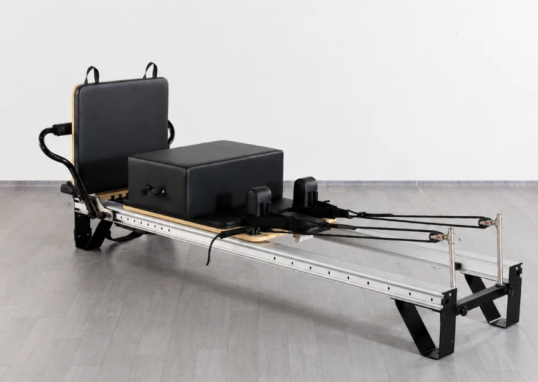
Professional Pilates Reformer vs. Home Pilates Reformer: What Are the Key Differences?
- 0
- 2,307 words
Choosing the right Pilates reformer involves more than comparing prices or appearance. A machine designed for occasional home workouts may not provide...
Read out all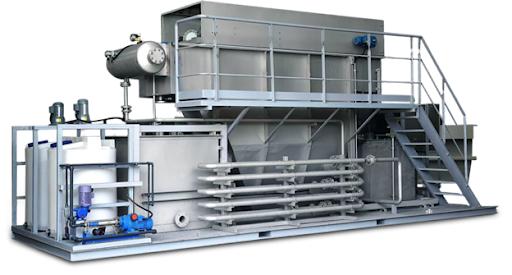
What Makes QILEE Containerized Wastewater Treatment Systems Highly Efficient?
- 0
- 1,208 word
Efficiency in a wastewater treatment system isn’t just about “shrinking” the treatment unit into a shipping container. Efficient system operation occurs when...
Read out all
How to Maintain Clean Grout After Grout Cleaning Dubai
- 0
- 1,134 word
How to Maintain Clean Grout After Professional Grout Cleaning in Dubai After professional grout cleaning, your tiled floors and walls can look...
Read out all