
- 0
- 2,307 words
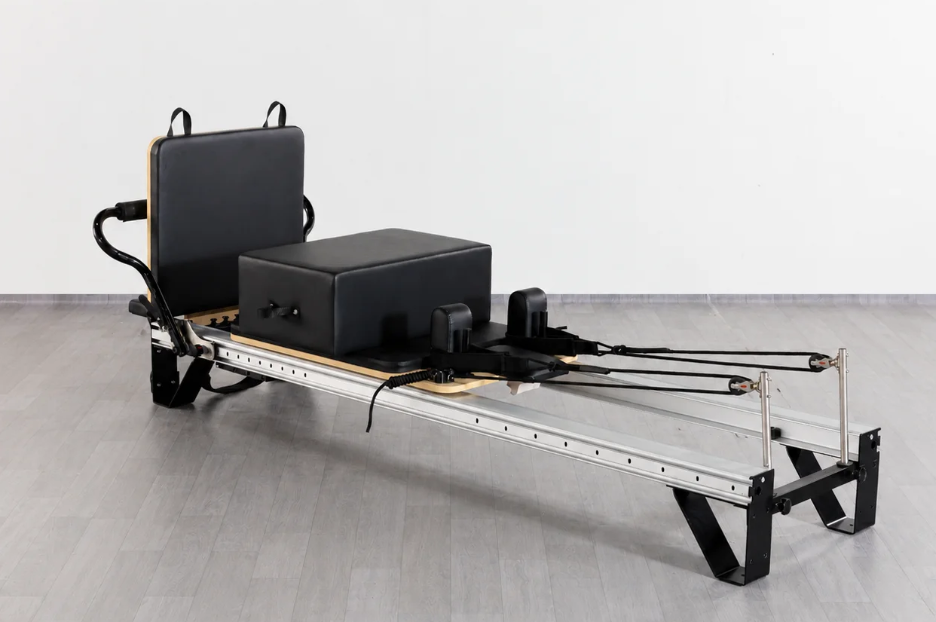
Choosing the right Pilates reformer involves more than comparing prices or appearance. A machine designed for occasional home workouts may not provide the same construction, adjustability, or long-term performance required in a professional Pilates studio. For studio owners, instructors, and individuals planning to practice Pilates regularly, understanding these differences can help avoid unnecessary equipment costs and make a more informed investment.
A professional Pilates reformer is generally designed for frequent use, multiple users, and a wider range of training requirements. Home reformers, on the other hand, often prioritize affordability, compact dimensions, and convenient storage.
But does that mean a professional Pilates reformer is always the better choice? Not necessarily. The right option depends on how frequently the machine will be used, who will use it, and what type of exercises it needs to support.
In this guide, we will compare professional and home Pilates reformers, explore the features that matter most for studio use, and explain how to choose a machine that matches your training goals and budget.
What Is the Difference Between a Professional and a Home Pilates Reformer?
The main difference between a professional Pilates reformer and a home model lies in their intended usage. Professional machines are typically designed to accommodate frequent sessions and different users, while home models are often built around individual training needs and available space.
Although both types use a moving carriage, spring resistance, ropes, and a footbar, their construction and available features can vary considerably.
Construction and Frame Durability
A professional Pilates reformer machine usually features a more substantial frame designed to remain stable during repeated exercises. Common materials include solid wood, aluminum, and reinforced metal components.
For example, a busy Pilates studio may schedule several classes throughout the day, with different clients using the same reformer. The equipment needs to maintain stable support during footwork, lunges, standing exercises, and other movements.
Home reformers may use lighter materials or simplified structures to make transportation and storage easier. These designs can work well for personal exercise, particularly when the machine is used a few times per week.
However, a lightweight frame is not automatically unsuitable for studio use. Some foldable models are specifically engineered for commercial applications. The manufacturer’s intended usage and structural specifications are more important than appearance alone.
Resistance Systems and Performance
Both professional and home reformers use springs to provide resistance. The difference often comes down to spring selection, adjustment options, and how consistently the system performs.
A professional reformer typically offers multiple spring resistance levels, allowing instructors to adjust exercise intensity according to individual abilities and training objectives.
For instance, a beginner might start with a lighter resistance setting during basic footwork, while an experienced client may require a different combination of springs for more challenging exercises.
Some home models have fewer spring options or simpler adjustment mechanisms. This may be sufficient for a personal workout routine but can limit programming flexibility when several people with different fitness levels share the equipment.
Exercise Versatility and Adjustability
A professional Pilates reformer is often designed to support a broader exercise program through adjustable footbars, headrests, ropes, shoulder rests, and compatible accessories.
Depending on the model, additional equipment may include:
Reformer box for seated, lying, and supported exercises.
Jumpboard for controlled jumping movements.
Tower attachment for additional spring-based exercises.
Adjustable straps and handles for upper- and lower-body training.
Home reformers may include some of these accessories, but entry-level models generally offer fewer configuration options.
For someone practicing a consistent routine at home, a basic model may be perfectly practical. A professional studio, however, may benefit from additional accessories that help instructors offer different class formats and accommodate more training needs.
What Features Make a Professional Pilates Reformer Suitable for Studio Use?
A pilates reformer for studio use needs to do more than provide resistance. It should support consistent movement, accommodate different body types, and withstand the demands of regular instruction.
When evaluating a professional Pilates reformer, consider the following features.
Heavy-Duty Frame and Stable Structure
Frame construction is one of the first things studio owners should evaluate.
A stable frame helps reduce unwanted movement during exercises, particularly when clients perform standing variations or movements that shift their weight across the carriage.
Wooden reformers are often selected for their traditional appearance and solid construction. Aluminum reformers, meanwhile, are valued for their combination of structural rigidity and relatively lightweight design.
Neither material is automatically superior. The quality of the engineering, joints, track system, and overall construction matters more than the material name alone.
Smooth Carriage Movement and Adjustable Springs
The carriage should travel smoothly along the rails without unnecessary noise, sticking, or noticeable unevenness.
This matters in a professional environment because clients may move between exercises at different speeds and resistance levels. A consistent carriage experience helps instructors focus on movement quality rather than equipment problems.
The spring system is equally important. Look for clearly identified resistance levels, secure attachment points, and adjustment mechanisms that instructors can operate efficiently.
A well-designed professional reformer should also allow routine inspection and replacement of springs and other wear components.
Commercial-Grade Upholstery and Accessories
Upholstery is another practical consideration for studios.
Professional equipment may be used by several clients every day, so the covering should be comfortable, easy to clean, and suitable for regular use. Padding should provide adequate support without interfering with movement or positioning.
Accessories also influence the overall usefulness of the machine. A reformer box, jumpboard, standing platform, and adjustable ropes can expand exercise possibilities and make it easier to design different classes.
Before purchasing, confirm which accessories are included, which are optional, and whether compatible replacement parts are available.
| Feature | Professional Pilates Reformer | Home Pilates Reformer |
| Frame construction | Usually designed for frequent use and greater stability | Often prioritizes lighter construction and convenience |
| Spring system | More resistance options on many models | May have fewer resistance settings |
| Adjustability | Typically offers broader adjustment options | Depends on model and price range |
| Accessories | Often supports a wider accessory selection | May include basic accessories |
| Storage | Usually requires a dedicated workout area | Compact or foldable options are more common |
| Intended usage | Studios, gyms, rehabilitation settings, and professional training | Personal workouts and home fitness |
It is worth remembering that these are general differences, not universal rules. Some premium home reformers offer advanced features, while certain compact commercial models are designed to save space.
What Are the Pros and Cons of Professional and Home Pilates Reformers?
Neither equipment category is suitable for everyone. Understanding the advantages and limitations of each can make the purchasing decision easier.
Advantages of Professional Pilates Reformers
Professional reformers are particularly useful in environments where equipment needs to support different users and training programs.
Their main advantages include:
Greater programming flexibility: Multiple resistance settings and accessories can support a wider variety of exercises.
Studio-oriented construction: Commercial models are generally designed with frequent use in mind.
Better adaptability: Adjustable components help instructors accommodate different body sizes and experience levels.
Long-term operational value: Equipment designed for regular use may reduce the need for premature replacement when properly maintained.
However, professional models generally require a higher initial investment and more dedicated floor space. They may also need regular maintenance and periodic replacement of wear components.
Benefits of Home Pilates Reformers
Home reformers offer a different set of advantages.
They are often more affordable and may feature folding frames, wheels, or compact designs that make storage easier.
For example, someone who practices Pilates three times a week in a spare bedroom may not need the same equipment configuration as a studio running multiple group classes every day.
Home reformers can also provide a convenient way to maintain a regular exercise routine without traveling to a studio.
Their limitations depend on the specific model. Some entry-level options have fewer adjustment settings, simpler spring systems, or more restricted accessory compatibility.
Which Option Offers Better Long-Term Value?
The answer depends on usage frequency and operating requirements.
For personal exercise, paying extra for commercial-grade construction may not provide enough additional value to justify the investment.
For a studio, however, purchasing equipment based only on its initial price can be misleading. If a machine is not designed for frequent use, maintenance and replacement costs may affect its overall value.
The more useful question is not simply how much a reformer costs, but how well it performs throughout its expected service life.
Is a Professional Pilates Reformer Worth the Investment?
For Pilates studios, gyms, and professional training facilities, investing in suitable equipment can influence daily operations, class quality, and the overall client experience.
However, the value of a professional Pilates reformer should be evaluated through several factors rather than its purchase price alone.
Equipment Durability and Replacement Costs
A reformer used by multiple clients every day experiences more frequent wear than one used occasionally at home.
Springs, ropes, straps, wheels, upholstery, and adjustment components may all require inspection or replacement over time.
Professional equipment should therefore be evaluated based on the availability of replacement parts, maintenance requirements, warranty coverage, and manufacturer support.
For example, a studio purchasing ten reformers should consider whether it can obtain compatible springs and accessories when needed. Equipment downtime can disrupt class scheduling and create additional operating costs.
Training Efficiency and Client Experience
A professional reformer should allow instructors to make adjustments efficiently and move clients between exercises without unnecessary interruptions.
Imagine a group class with six participants at different experience levels. One client may need lighter resistance and additional support, while another may be ready for more challenging movements.
A reformer with suitable adjustment options makes it easier for the instructor to modify exercises within the same class format.
Smooth carriage movement, comfortable padding, secure footbars, and properly fitted accessories also contribute to a more consistent training experience.
Long-Term Value for Pilates Studios
When planning a studio investment, consider the following:
Initial equipment purchase price.
Shipping, installation, and setup expenses.
Maintenance and replacement part availability.
Warranty coverage and after-sales support.
Expected daily usage and equipment downtime.
Compatibility with future classes and accessories.
For studios purchasing several machines, factory-direct purchasing can also be worth exploring. Working directly with a manufacturer may provide access to different configurations, customization options, and wholesale pricing.
The key is to compare the complete equipment specification and service terms rather than choosing a supplier based on price alone.
How Do You Choose the Right Reformer for Your Needs?
Before purchasing a Pilates reformer, define how the machine will be used. A good purchasing decision starts with your actual training requirements rather than the number of features advertised.
Consider Usage Frequency and Training Goals
Start by estimating how often the equipment will be used.
For home users, occasional personal training may not require a commercial-grade machine. A compact model with suitable resistance and basic adjustments may be enough.
For professional studios, consider the number of daily sessions, expected client volume, and types of classes offered.
A studio specializing in beginner and intermediate reformer classes may have different requirements from one offering advanced training, jumpboard sessions, and rehabilitation-oriented programs.
Compare Materials, Features, and Maintenance
Do not compare reformers based on frame material alone.
Instead, evaluate the complete construction:
Frame stability and structural design.
Rail quality and carriage movement.
Spring quantity, resistance, and attachment system.
Footbar and headrest adjustment options.
Rope, pulley, and strap quality.
Upholstery materials and cleaning requirements.
Accessory compatibility and replacement part availability.
Ask the manufacturer for product specifications and maintenance recommendations before making a decision.
A reputable supplier should be able to explain how the machine is constructed and which components may require periodic servicing.
Evaluate Your Budget and Available Space
Space is particularly important for studios planning to install multiple machines.
Measure the available floor area and consider not only the reformer’s dimensions but also the space needed for instructors and clients to move safely around it.
If your studio has limited space, a compact or foldable professional reformer may be worth considering, provided its specifications match your intended usage.
Budget planning should also include delivery, installation, accessories, maintenance, and warranty coverage.
For studio owners comparing different commercial options, exploring a range of professional pilates reformer models can help you evaluate available designs, materials, and configurations before selecting equipment.
Ultimately, the right reformer is the one that fits your space, training program, operating requirements, and long-term budget.
Conclusion
The difference between a professional Pilates reformer and a home Pilates reformer goes beyond price. Construction, resistance options, adjustability, accessories, maintenance, and intended usage all influence how suitable a machine will be.
Home reformers can be a practical choice for individuals who want convenient personal workouts. Professional reformers are generally better suited to studios and training facilities that require equipment capable of accommodating multiple users and different exercise programs.
Before purchasing, consider how frequently the machine will be used, what exercises it needs to support, and whether the manufacturer can provide reliable maintenance guidance and after-sales support.
Taking the time to compare these factors can help you choose a Pilates reformer that delivers the right balance of functionality, durability, and long-term value.
FAQs
Can Beginners Use a Professional Pilates Reformer?
Yes. Beginners can use a professional Pilates reformer under appropriate instruction. Adjustable springs, footbars, and other components allow instructors to modify exercises according to an individual’s experience and physical ability. Starting with basic movements and suitable resistance is generally recommended.
Can a Home Pilates Reformer Be Used in a Commercial Studio?
It depends on the specific model. Some home reformers are designed for occasional personal use and may not be suitable for frequent commercial operation. However, certain foldable or compact reformers are manufactured for professional environments. Always check the manufacturer’s intended usage, structural specifications, and warranty conditions before using one in a studio.
Are Professional Pilates Reformers More Durable Than Home Models?
Professional reformers are generally designed for more frequent use and may feature heavier frames, more robust components, and broader maintenance support. However, durability varies between manufacturers and models. Proper maintenance, usage conditions, material quality, and replacement part availability also affect equipment lifespan.
Author

munjalblogfirm@gmail.com
Related Posts

UAE VAT Registration Guide: Thresholds, TRN & FTA Requirements
- 0
- 2,256 words
In the early days of the United Arab Emirates’ economic boom, “tax” was a word rarely whispered in the hallways of Dubai’s...
Read out all
The 8 Best Workers’ Compensation Law Firms in 2026, Compared
- 0
- 1,992 word
This guide is for the people who run hospitals, clinics and provider groups and who have to make sense of a carrier...
Read out all
Key Benefits of Prefabricated Industrial Buildings for Growing Businesses
- 0
- 647 words
Growing businesses often face the challenge of space constraints as operations expand and demand increases. Finding a balance between speed, quality, and...
Read out all
What Makes QILEE Containerized Wastewater Treatment Systems Highly Efficient?
- 0
- 1,208 word
Efficiency in a wastewater treatment system isn’t just about “shrinking” the treatment unit into a shipping container. Efficient system operation occurs when...
Read out all
How to Maintain Clean Grout After Grout Cleaning Dubai
- 0
- 1,134 word
How to Maintain Clean Grout After Professional Grout Cleaning in Dubai After professional grout cleaning, your tiled floors and walls can look...
Read out all
Repair or Replace? A Practical Framework for AC Breakdowns in Folsom’s Summer Heat
- 0
- 1,159 word
When an air conditioner falters during a Folsom heat wave, the decision to fix it quickly or invest in a new system...
Read out all