
- 0
- 2,568 words
Introduction to Reevaluation
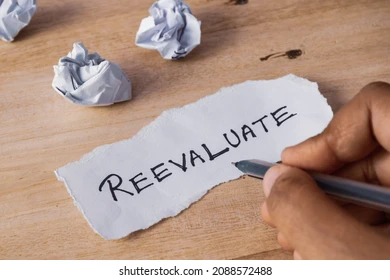
Reevaluation is an important process that involves examining something again to determine whether it is still accurate, effective, valuable, or appropriate. People reevaluate their decisions, goals, beliefs, relationships, performance, and plans throughout their lives. Businesses also use reevaluation to improve strategies, assess risks, and respond to changing market conditions. Although the word may sound formal, the concept is part of everyday life.
Sometimes, a decision that seemed correct in the past no longer makes sense because circumstances have changed. A person might reevaluate a career after discovering new interests, while a company might reevaluate its budget after experiencing unexpected expenses. In both situations, the purpose is to review existing information and decide whether adjustments are necessary.
Reevaluation does not necessarily mean that an earlier decision was wrong. Instead, it recognizes that people and circumstances change over time. Reviewing previous choices can help individuals learn from experience, identify new opportunities, and make better decisions in the future.
Understanding reevaluation can therefore be useful in personal development, education, professional life, financial planning, and many other areas.
What Does Reevaluation Mean?
Reevaluation means assessing or examining something again, usually to determine whether a previous judgment, decision, estimate, or conclusion remains appropriate. It involves looking at an existing situation from a fresh perspective and considering any new information that may affect the original assessment.
For example, a student might reevaluate a study schedule after receiving lower grades than expected. By reviewing the amount of time spent studying, the difficulty of the subjects, and the effectiveness of different learning methods, the student can identify what needs to change.
Similarly, an employer may reevaluate an employee’s performance after reviewing recent achievements, workplace challenges, and professional development. This process can help establish realistic goals and identify opportunities for improvement.
The key element of reevaluation is that it involves a second look. Rather than accepting an earlier conclusion without question, the person examines whether it still fits the available evidence.
Reevaluation can lead to several outcomes. It may confirm that the original decision was correct, reveal that minor adjustments are needed, or demonstrate that a completely different approach would be more effective.
Why Is Reevaluation Important?
Reevaluation is important because life rarely remains exactly the same. Personal responsibilities change, businesses face new challenges, technology develops, and people gain knowledge through experience. A decision that worked well under previous conditions may become less useful when circumstances change.
One major benefit of reevaluation is improved decision-making. Reviewing an earlier decision allows people to consider information they might have overlooked the first time. This can reduce avoidable mistakes and help them choose more suitable solutions.
Another advantage is increased awareness. Reevaluation encourages people to recognize their strengths, weaknesses, habits, and assumptions. By understanding these factors, they can make more informed choices instead of acting automatically.
It also supports adaptability. People who are willing to reconsider their plans may find it easier to respond to unexpected situations. Rather than continuing with an ineffective approach simply because they have already invested time in it, they can identify a better path.
Reevaluation can also prevent small problems from becoming serious. Regularly reviewing spending, workplace processes, academic performance, or personal goals can reveal issues before they grow.
Ultimately, reevaluation helps people remain thoughtful and flexible. It creates opportunities to learn from the past while making practical decisions about the future.
Reevaluation in Personal Development
Personal development involves improving knowledge, habits, skills, confidence, and emotional awareness. Reevaluation plays a significant role in this process because growth often requires people to question whether their current behaviors support the lives they want to build.
For instance, someone might realize that spending too much time on social media is affecting productivity. By reevaluating daily habits, the individual can identify unnecessary distractions and establish healthier routines.
People may also reevaluate their priorities as they grow older. Goals that seemed essential during school or early adulthood might become less important after gaining professional experience or taking on family responsibilities. This does not mean that earlier ambitions were meaningless. It simply reflects changing values and circumstances.
Another important aspect of personal reevaluation is self-reflection. Individuals can ask themselves whether their daily actions match their long-term goals, whether their relationships encourage positive growth, and whether their current routines support their well-being.
Honest reflection can reveal areas where change is needed. However, reevaluation should not become an excuse for constant self-criticism. Its purpose is to encourage constructive improvement rather than create feelings of failure.
When approached with patience and honesty, reevaluation can help individuals develop greater self-awareness and build a more intentional life.
Reevaluation in Business and Management
Businesses frequently use reevaluation to maintain efficiency, control costs, improve customer satisfaction, and respond to competition. Market conditions can change quickly, so organizations need to review their strategies instead of assuming that previous methods will always remain effective.
For example, a company might discover that a product is no longer meeting customer expectations. Management can reevaluate product features, pricing, advertising, and customer feedback to understand the problem.
Financial reevaluation is another important business activity. Organizations may review operating expenses, revenue projections, investment decisions, and cash flow to determine whether their financial plans remain realistic.
Businesses can also reevaluate employee performance and internal procedures. A review might reveal that a particular workflow creates unnecessary delays or that employees need additional training to complete their responsibilities effectively.
Strategic reevaluation is particularly useful when a company faces unexpected competition or changes in customer behavior. Leaders can examine whether their existing goals remain achievable and whether resources should be redirected toward more promising opportunities.
However, successful business reevaluation should rely on evidence rather than assumptions. Managers need reliable data, input from relevant employees, and a clear understanding of organizational objectives.
By reviewing decisions regularly, businesses can improve their ability to adapt, manage risks, and remain competitive.
Reevaluation in Education
Education provides many opportunities for reevaluation. Students, teachers, and educational institutions can all benefit from examining their methods and outcomes.
Students may reevaluate their learning strategies after receiving examination results. A student who spends hours reading textbooks but struggles to remember important concepts might benefit from practicing active recall, answering sample questions, or explaining difficult topics in their own words.
Teachers can also reevaluate their instructional methods. If students consistently struggle with a particular concept, the teacher may introduce additional examples, alternative explanations, or practical activities.
Educational institutions sometimes reevaluate curricula, assessment systems, and classroom resources to ensure that learning objectives remain relevant.
Parents may also reevaluate how they support their children’s education. They might consider whether the study environment is suitable, whether the child has enough time to rest, or whether additional academic support would be beneficial.
The important lesson is that academic difficulties do not always indicate a lack of ability. Sometimes, the problem lies in the strategy being used. Reevaluation helps identify these differences and encourages a more effective approach to learning.
Reevaluation in Financial Planning
Financial circumstances can change because of income fluctuations, rising living costs, family responsibilities, unexpected expenses, or changes in long-term goals. For this reason, reevaluation is an important part of responsible financial planning.
An individual might review a monthly budget after noticing that expenses consistently exceed income. By examining spending patterns, the person can identify areas where costs could be reduced without compromising essential needs.
Reevaluation can also help people assess savings goals. Someone saving for education, a home, or retirement may need to adjust the amount they contribute as their income and responsibilities change.
Businesses and households can both benefit from reviewing recurring subscriptions, loan obligations, insurance needs, and emergency savings.
Investment decisions may also require periodic review. Investors can reconsider whether their portfolios remain consistent with their objectives, time horizons, and tolerance for risk. Such reviews should account for the fact that short-term market changes do not automatically justify major adjustments.
Financial reevaluation is most effective when it uses accurate information and realistic expectations. Rather than reacting emotionally to every change, individuals can compare their current financial position with their goals and make measured adjustments.
Reevaluation in Relationships
Relationships evolve as people develop new interests, encounter challenges, and experience changes in their personal circumstances. Reevaluation can help individuals understand whether their relationships remain healthy, supportive, and consistent with their values.
In friendships, people may reconsider how they communicate, manage disagreements, and maintain mutual respect. Sometimes, a misunderstanding can be resolved through an honest conversation. In other situations, reevaluation may reveal that a relationship has become one-sided or consistently harmful.
Romantic relationships may also benefit from reflection. Partners can discuss their expectations, long-term plans, communication styles, and emotional needs. These conversations can help them understand each other more clearly and decide what changes might strengthen the relationship.
Reevaluation does not mean judging another person harshly or expecting every relationship to remain unchanged. Instead, it encourages people to recognize patterns and make thoughtful decisions about their boundaries and responsibilities.
It is equally important to distinguish temporary difficulties from persistent problems. Every relationship experiences disagreements, but repeated disrespect, manipulation, or a lack of safety should not be dismissed simply because the relationship has a long history.
A balanced approach to reevaluation can support healthier communication, greater self-respect, and more realistic expectations.
How to Conduct an Effective Reevaluation
A useful reevaluation process follows several practical steps. Although the details depend on the situation, the basic approach remains similar.
1. Identify What Needs to Be Reviewed
Start by clearly defining the decision, goal, behavior, or situation that requires another look. A vague concern can be difficult to evaluate, while a specific question provides direction.
For example, instead of saying, “My work is not going well,” identify the issue more precisely: “My current schedule prevents me from completing important tasks on time.”
2. Gather Relevant Information
The next step is to collect reliable information. This might include financial records, performance results, feedback, personal observations, or information about changing circumstances.
Avoid relying entirely on memory or assumptions. Concrete evidence can help separate genuine problems from temporary frustration.
3. Examine the Original Decision
Consider why the original decision was made. What goals were you trying to achieve? Which assumptions influenced the choice? What information was available at that time?
Understanding the original reasoning makes it easier to identify whether the decision was flawed or whether circumstances have simply changed.
4. Consider Alternative Options
Once the situation is clear, explore different approaches. Compare the potential benefits, disadvantages, costs, and risks of each option.
You do not need to reject the original plan immediately. Sometimes, a small adjustment is enough to improve the outcome.
5. Make a Reasoned Decision
Use the available evidence to determine the most appropriate next step. Try to balance logical analysis with practical considerations, personal values, and realistic limitations.
If important information is missing, it may be better to investigate further before making a major change.
6. Implement the Necessary Changes
Reevaluation becomes useful when it leads to action. Establish clear steps, assign responsibilities where appropriate, and set a realistic timeline.
For example, someone who reevaluates their daily routine might decide to begin each morning with the most important task rather than responding immediately to messages.
7. Review the Results
Finally, examine whether the changes are producing the desired outcome. If the situation improves, the new approach may be worth maintaining. If the results remain disappointing, another reevaluation may be necessary.
This creates a continuous learning process in which decisions improve through experience.
Common Mistakes to Avoid During Reevaluation
Although reevaluation can be valuable, it is possible to approach it in unhelpful ways.
One common mistake is overthinking. Some people repeatedly analyze the same situation without gathering new information or taking action. This can create uncertainty instead of clarity. Setting a deadline for the review can help prevent endless reconsideration.
Another mistake is allowing emotions to determine the entire outcome. Feelings can provide useful information, but temporary anger, disappointment, or excitement may distort judgment. Taking time to reflect can help create a more balanced perspective.
People may also ignore evidence that contradicts their existing beliefs. This tendency can make reevaluation ineffective because the purpose is to examine a situation honestly, not simply to defend an earlier conclusion.
Fear of change presents another challenge. Individuals sometimes continue with an ineffective plan because they have already invested money, effort, or time in it. However, past investment does not automatically justify continuing a decision that no longer serves its purpose.
Finally, reevaluation should not become constant dissatisfaction. Not every choice needs to be questioned every day. A reasonable review schedule helps people remain flexible without losing focus.
Reevaluation vs. Evaluation: Understanding the Difference
Evaluation and reevaluation are closely related, but they serve slightly different purposes.
Evaluation is the process of examining something to determine its quality, effectiveness, value, or performance. It can occur when a decision is first made or when a new project is assessed.
Reevaluation involves conducting that assessment again. It usually occurs when additional information becomes available, circumstances change, or there is a reason to question an earlier conclusion.
For example, a manager may evaluate a marketing campaign after its first month. If customer behavior changes or the results become unexpectedly weak, the manager may reevaluate the campaign and revise the strategy.
Similarly, a person may evaluate a career opportunity before accepting a job. Several months later, the person might reevaluate the decision after learning more about the workplace, responsibilities, and opportunities for advancement.
Both processes are useful. Evaluation helps establish an informed judgment, while reevaluation helps determine whether that judgment continues to be appropriate.
The Role of Reevaluation in Long-Term Success
Long-term success rarely comes from following one plan without adjustment. People who achieve meaningful goals often monitor their progress, learn from mistakes, and modify their strategies when necessary.
An entrepreneur might reevaluate a business model after receiving customer feedback. An athlete might review training methods after a period of limited progress. A professional might reconsider career goals after developing new skills.
In each case, reevaluation allows experience to become a source of improvement.
It also encourages humility. Accepting that an earlier decision may need adjustment requires a willingness to learn rather than a need to appear correct at all times.
However, successful reevaluation must be balanced with consistency. Changing direction too frequently can prevent people from developing expertise or achieving long-term objectives. The goal is not to abandon plans whenever challenges appear but to recognize when meaningful evidence supports a different approach.
Combining patience with flexibility helps people make better use of their time, energy, and resources.
Conclusion
Reevaluation is the process of examining a decision, belief, plan, or situation again to determine whether it remains appropriate. It supports better decision-making, personal development, financial responsibility, educational improvement, healthier relationships, and stronger business strategies.
The value of reevaluation lies in its ability to connect past experience with present circumstances. Rather than treating earlier decisions as permanent, people can use new information to identify opportunities, correct mistakes, and improve their future outcomes.
An effective reevaluation process begins by identifying the issue, gathering reliable information, examining previous assumptions, considering alternatives, and taking practical action. Reviewing the results afterward helps determine whether the new approach is working.
Ultimately, reevaluation is not about doubting every decision or constantly changing direction. It is about remaining open to learning and recognizing when an adjustment could lead to a better result. By making thoughtful reevaluation a regular part of life, individuals and organizations can become more adaptable, confident, and prepared for future challenges.
Author

blowouttaper.co.uk@gmail.com
Related Posts
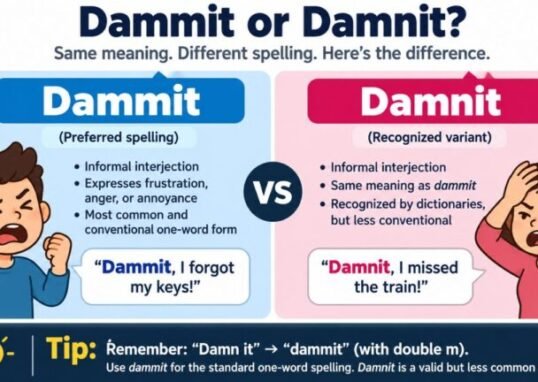
Damnit or Dammit: Which Spelling Is Correct and When Should You Use It?
- 0
- 2,614 words
English contains many words and expressions that people use every day without thinking much about their spelling. However, some words create confusion...
Read out all
City vs Town: Understanding the Key Differences Between a City and a Town
- 0
- 3,042 words
When people compare a city vs town, they often think about population size, buildings, transportation, and lifestyle. Although cities and towns are...
Read out all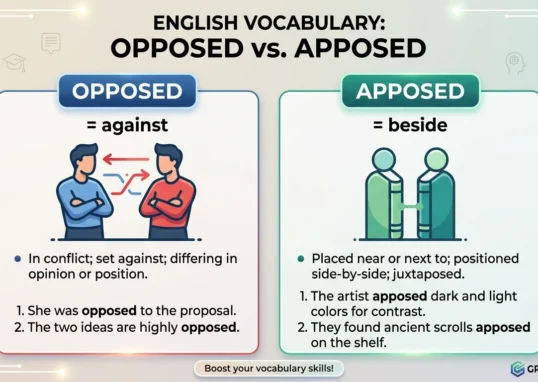
Apposed: Meaning, Definition, Usage, and Examples in English
- 0
- 2,403 words
The English language contains many words that look unfamiliar but have clear and useful meanings once they are explained. One such word...
Read out all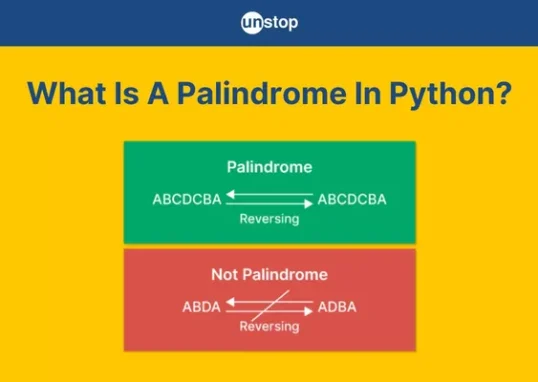
What Is a Palindrome? Meaning, Examples, Types, and Fun Facts
- 0
- 2,218 words
Have you ever come across a word that looks exactly the same when you read it forward and backward? Words like “level,”...
Read out all
UploadBlog Post: A Complete Guide to Creating, Publishing, and Managing Quality Blog Content
- 0
- 2,854 words
Introduction to UploadBlog Post In the digital world, blogging has become an effective way to share knowledge, express ideas, build an online...
Read out all
fintechzoom.io: A Complete Guide to Financial News, Market Insights, and Digital Finance
- 0
- 2,322 words
Introduction to fintechzoom.io The financial world is changing rapidly as technology transforms the way people save, invest, trade, and manage their money....
Read out all