
- 0
- 1,084 word
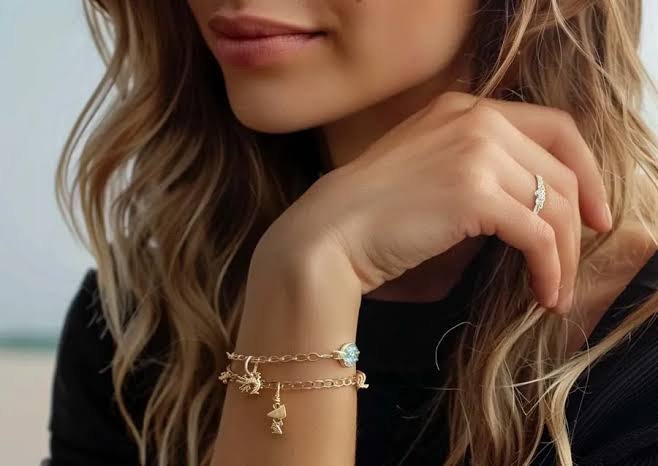
A custom bracelet manufacturer should be assessed on more than the ability to reproduce an attractive design. For a jewelry brand, three small details can determine whether a bracelet becomes a reliable bestseller: the way it fits, the way it closes and the consistency of the next production batch. These are difficult to judge from a supplier catalog and straightforward to assess with the right sample brief.
Bracelets move against skin, clothing and other jewelry throughout the day. A chain that looks balanced when flat can twist when worn. A statement charm can change how a clasp sits. A rigid cuff may look symmetrical but feel awkward at the opening. Manufacturers and buyers should convert those wearability questions into measurable requirements before bulk production begins.
Match specifications to the construction
A chain bracelet requires a finished length, chain style, link dimensions, clasp type, extender arrangement and weight target. A charm bracelet adds attachment positions and clearance between hanging elements. A rigid bangle requires an internal dimension, shape and opening geometry. A cuff adds an intended flexibility or adjustment requirement that should not be assumed from photographs.
One mistake is specifying a nominal bracelet length without stating whether the clasp and extender are included. Another is approving a chain-only prototype and later attaching heavier charms without rechecking comfort and drape. The RFQ should identify the intended wearing fit, how it will be measured, and whether the design includes size variations.
Brands planning international distribution should also request an unambiguous measurement convention. Centimeters and inches can be displayed together, but one unit should govern production. A single sample in a medium size may not validate a full size range; the manufacturer should explain which dimensions change and which components remain constant.
Clasps are a quality-control subject, not an accessory
A bracelet that looks beautiful but opens unexpectedly creates returns and damages trust. Assess closure design as part of product development. Confirm the intended mechanism, opening feel, alignment, soldered or joined connections, and whether the closure remains accessible when worn. For a cuff, inspect the opening edges and how the shape recovers after normal handling, according to the intended material and construction.
Do not insert an arbitrary numerical pull-strength promise into a supplier agreement. Instead, decide which function matters for the design and ask the manufacturer to propose a suitable, documentable inspection method. A fine chain with a small spring ring and a heavy rigid bracelet with a mechanical clasp do not require the same test.
During sample review, examine how the clasp connects to the final link, how jump rings are closed and whether small projections catch fabric. A supplier should be able to explain which points will be checked during production and again before packing.
Finishes and components must match the approved reference
For a plated bracelet, a generic description such as “gold color” is too vague to govern repeat orders. Confirm the base metal and finish separately; record the agreed color reference, surface appearance and any project-specific coating requirements. If components come from different supply routes, compare how their colors appear next to one another. A clasp that is noticeably different from the chain can undermine an otherwise attractive piece.
Jewelry brands should also document which features are cosmetic and which are functional. A tiny variation in a hidden area is not the same as a distorted logo, a loose charm connection or a clasp that fails to close. Defining accept/reject examples early can prevent a dispute over what “high quality” means after a bulk shipment arrives.
The first reorder deserves its own checklist
The original sample is the start of a quality record, not the end of one. For a reorder, retrieve the approved sample or documented visual reference, artwork version, component list, finish direction, dimensions and packing specifications. Confirm whether any materials, components or production assumptions have changed since the last run.
This is particularly relevant to B2B factories supporting emerging brands that hope to replenish a successful design. HaoLustra, a custom bracelet manufacturer operating a jewelry factory in Qingdao, China, presents sampling, bulk production and repeat-order support as stages of its production workflow. Its described approach illustrates a practical procurement principle: the approved specification should travel with the product from development into replenishment, rather than living only in an email thread.
A repeat run should not silently replace one clasp, plating direction or packaging material just because a component looks similar. Where substitution is unavoidable, the buyer should review its effect on fit, appearance, availability and cost before the production plan is finalized.
How to compare suppliers without relying on a single unit price
Imagine two quotations for an adjustable bracelet. Supplier A offers a lower unit price but has not specified the extender, sample revisions or branded card. Supplier B’s initial unit price is higher but the quote identifies the finished length, clasp, finish and packaging. The cheaper offer may still be the better deal—but only after both factories have priced the same product.
A useful comparison asks each manufacturer to separate development and tooling, sample charges, quantity by style and variation, materials and finish, packaging, quality review, delivery terms and assumptions for repeat orders. The goal is not paperwork for its own sake. It is to prevent a last-minute change to the item being purchased.
A practical sample-approval sequence
First, verify dimensions and fit with the bracelet worn, not just measured flat. Second, inspect all moving parts and closures. Third, compare plating, texture, logo and decorative components with the agreed visual standard. Fourth, check the packed product and SKU identification. Finally, preserve the approval record and identify what would trigger another sample if the design changes.
How many bracelets should be ordered per style? There is no universal manufacturing minimum. MOQ may depend on construction, tooling, components, finish and the number of variants. Ask for quantities per exact configuration rather than relying on a general “low MOQ” claim.
Can a sample approval replace batch inspection? No. Sampling establishes the reference; production checks whether delivered goods follow it. Functional and appearance inspection should be planned around the actual design.
Buy consistency, not just a prototype
The most useful manufacturer is not always the one with the biggest catalog or the lowest first quote. For a growing jewelry label, the more durable advantage is a factory willing to put fit, closure performance, finishing and repeat-order control into a shared production specification. That is what turns a promising design into an item customers can buy again with confidence.
Author

munjalblogfirm@gmail.com
Related Posts

5 Factors That Influence How Often You Need A Professional Teeth Cleaning
- 0
- 1,137 word
You brush, you floss when you can, and you still wonder if you are booking dental cleanings too often or not often...
Read out all
4 Steps Involved In The Implant Dentistry Process
- 0
- 1,123 word
Losing a tooth changes more than your smile. You start chewing on one side, hiding your teeth in photos, and wondering how...
Read out all
Top Considerations When Choosing a Podiatrist for Seniors
- 0
- 993 words
Foot pain, thickened toenails, or difficulty walking can make everyday activities harder for older adults. Choosing a podiatrist means finding someone who...
Read out all
Best Diet Plans and High Protein Recipes: A Practical Guide to Healthy Eating and Sustainable Fitness
- 0
- 1,755 word
In recent years, healthy eating has been a dominant topic of discussion in the wellness sphere. However, many people have a difficult...
Read out all
How a Family’s Journey Inspired a Passion for Organic Baby Products
- 0
- 2,107 words
Becoming a parent often changes the way people think about food, nutrition, and everyday products. Suddenly, ingredient labels become more important, product...
Read out all
Were You Fired Unfairly? Here’s What to Do Next
- 0
- 1,159 word
Losing a job is stressful enough without wondering whether your employer broke the law to get rid of you. Every year, thousands...
Read out all