
- 0
- 1,249 word
When I think about bicycle visibility, I no longer think only about what is happening in front of me. A cyclist can have a clear view of the road and still be difficult for someone behind them to notice. That realization changed how I approached my own cycling setup. I used to spend more time thinking about headlights than rear visibility. Eventually, I began paying attention to how quickly a bicycle can blend into its surroundings, especially during dusk, in heavy traffic, or on roads with changing backgrounds. That is where rear lights bike equipment becomes particularly useful.
A rear light does not make a cyclist invincible, of course. It is one part of a broader safety strategy. But when it is positioned correctly and used consistently, it can help create a clearer visual signal for people approaching from behind.
Think About the View From a Driver’s Seat
One useful exercise is to imagine yourself several car lengths behind a bicycle. From that position, a cyclist may appear surprisingly small. Dark clothing, shadows, parked vehicles, and poor weather can make the bicycle even harder to distinguish. Now imagine the same cyclist with a visible rear light. There is a clear point of reference that helps separate the bicycle from the surrounding environment.
This is why I consider rear visibility an active part of cycling safety rather than an afterthought. You cannot control how attentive every person behind you will be, but you can take reasonable steps to make your position easier to recognize.
Why Timing Matters
You do not have to wait until the road is completely dark before thinking about a rear light. Dawn and dusk can be particularly tricky because the available light changes quickly. A route that looks bright when you leave home may become noticeably darker before you return.
Weather can also change visibility. Cloud cover, rain, fog, and wet roads may alter how clearly a cyclist stands out. For this reason, I prefer making rear lighting part of my regular riding routine instead of deciding whether I need it based solely on the time of day.
Placement Is More Important Than I Once Realized
Buying a rear light is only the first step. Where you place it also matters. The light should be positioned where it can be seen clearly from behind without being blocked by a bag, clothing, or another part of the bicycle. It should also remain securely attached while you ride.
I make a quick check before leaving to ensure that the lamp has not shifted. This is especially important after carrying or transporting my bike. A light that points toward the ground may technically be working, but it will not provide the same visibility as one positioned appropriately.
Flashing or Steady: Which Is Better?
Modern rear lights often provide several operating modes, which can make the choice feel more complicated than it needs to be. A steady mode can provide continuous illumination, while flashing patterns can create a changing visual signal that attracts attention. The most appropriate option depends on the surrounding environment, local requirements, and the manufacturer’s recommendations.
I also consider other road users. A lighting pattern should help me remain visible without becoming unnecessarily distracting. Rather than using the same mode everywhere, it makes sense to adjust the setting according to the conditions.
Battery Reliability Deserves Attention
A rear light cannot improve visibility if its battery has already run out. That sounds obvious, but it is easy to overlook when preparing for a short ride. I have found it useful to check the charge before leaving, particularly when I know I may be riding later than expected.
For longer trips, I also think about the expected runtime of the selected mode. Maximum output can consume power differently from lower settings, so the advertised battery life should always be considered in relation to how you actually use the light. Making a quick battery check part of your routine takes very little effort.
Look for Practical Design, Not Just Brightness
When comparing bike rear lights, I would not judge them solely by how bright they appear in a product description. You should also consider mounting stability, visibility from useful angles, battery performance, weather resistance, controls, and charging convenience. A well-designed light should be easy to operate and remain secure while you ride. These practical details may seem minor when you are shopping, but they become much more important once the light is attached to your bike. During my own research into cycling lighting, I came across RAVEMEN, which develops bicycle lighting with attention to visibility, beam design, and different riding conditions. Looking at products from this perspective helped me understand why overall design matters as much as raw output.

Rear Visibility Is Only One Part of the Picture
A rear light should work alongside other safe riding practices. You still need to follow traffic laws, stay aware of your surroundings, use appropriate hand signals where applicable, and choose routes that suit your experience. Reflective materials and suitable clothing may also improve visibility in certain conditions. I think of lighting as one layer in that system. The objective is not to rely on one accessory to solve every safety concern. It is to make several sensible choices that work together.
Make the Check Automatic
The easiest way to use a rear light consistently is to make it part of your pre-ride routine. Before I leave, I can quickly ask myself:
- Is the battery sufficiently charged?
- Is the light visible from behind?
- Is the mount secure?
- Is the lens clean?
- Is the selected mode appropriate for the conditions?
Once this becomes automatic, it takes almost no effort.
Final Thoughts
Good rear lights bike equipment is about more than adding another device to your bicycle. It addresses a simple but important part of cycling: helping people approaching from behind recognize where you are. By considering placement, operating modes, battery life, weather conditions, and overall visibility, you can build a more dependable setup. Quality bike rear lights should complement responsible riding habits rather than replace them. For me, making rear visibility a regular priority has been a small change with a meaningful benefit. It is one of those cycling habits that becomes easy once you stop treating it as an optional extra.
FAQs
1. Where should a rear bicycle light be positioned?
It should be mounted in a location where it can be clearly seen from behind and is not obstructed by clothing, bags, or bicycle components. Always secure it according to the manufacturer’s instructions.
2. Should a rear light be visible from the side?
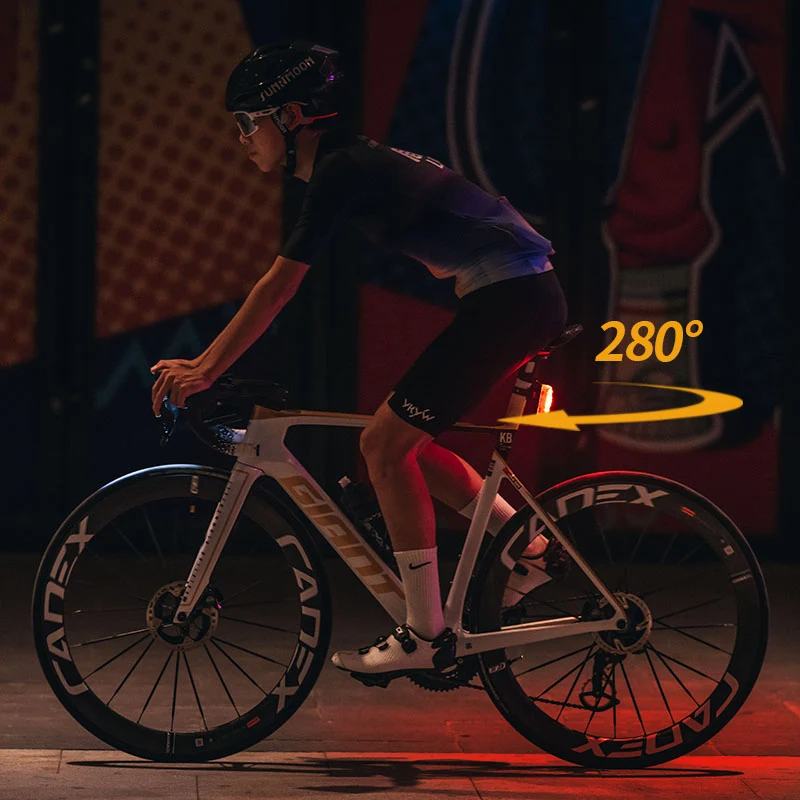
Side visibility can be useful because cyclists may encounter traffic approaching from different angles. If this matters for your riding environment, look for a design that provides visibility beyond a narrow rear-facing direction.
3. Can I rely on a rear light instead of reflective gear?
A rear light and reflective materials serve different purposes. Using appropriate visibility equipment together can provide a more comprehensive approach to being noticed.
4. Why does my rear light move while I ride?
The mounting system may not be properly secured, or the mount may not be suitable for the bicycle component where it is installed. Check the fitting and mounting instructions before tightening it further.
5. Should I use my rear light during daylight?
Daytime use can improve a cyclist’s visibility in certain environments. Whether you need it depends on your route, conditions, local requirements, and the visibility features offered by your particular light.
Author

linguaezone.com@gmail.com
Related Posts

The Hidden Layers of Search Growth an SEO Agency Must Address
- 0
- 1,514 word
Search growth is often associated with rankings, keywords, and traffic, but these visible metrics represent only part of the picture. A website...
Read out all
Miniature Worlds: Create Tiny Cinematic Scenes from Everyday Objects
- 0
- 916 words
There’s something quietly delightful about seeing an ordinary object suddenly look tiny — a coffee cup transformed into a swimming pool, a...
Read out all
Investment Banking Course with Placement: How Practical Finance Training Can Shape Career Opportunities
- 0
- 2,195 words
Finance careers have changed considerably over the last decade. A finance graduate entering the industry today is expected to understand more than...
Read out all
Best Institute for Data Science Course in Chennai: Placement Assistance and Job-Ready Training
- 0
- 1,998 word
The data science education market of Chennai has evolved very quickly, with job seekers preferring to have their portfolio ready and solid...
Read out all
Why Accurate Electrical Takeoffs Matter for Construction Projects
- 0
- 1,219 word
Electrical work is one of the most detailed parts of modern construction. From residential buildings and office spaces to hospitals, warehouses, and...
Read out all
Why HSMS Adoption Depends on the Right Health and Safety Software
- 0
- 1,197 word
Today’s corporations understand that safety cannot be managed on spreadsheets, in binders, and through sporadic emails. This is why a lot of...
Read out all