
- 0
- 3,205 words
A beautiful green lawn can completely transform the appearance of a residential or commercial property. It creates a welcoming outdoor environment, improves curb appeal, and provides a comfortable space for relaxation, recreation, and outdoor activities. However, establishing a healthy lawn from scratch can be challenging, especially when dealing with poor soil conditions, uneven ground, weeds, or inconsistent grass growth. Growing grass from seed is one option, but it often requires considerable patience, regular watering, and ongoing maintenance before the area develops into a fully established lawn. For property owners who want faster and more predictable results, installing natural grass sod is an effective solution.
Sod consists of mature grass that has been professionally grown and harvested with a thin layer of soil and an interconnected root system. It is delivered in rolls or sections that can be placed over properly prepared ground to create an instant green surface. When installed correctly, the grass begins establishing its roots in the underlying soil and gradually develops into a healthy lawn. Professional sod installation involves much more than simply placing grass over existing ground. It requires proper soil preparation, grading, selecting suitable grass varieties, careful placement, adequate watering, and consistent aftercare. Understanding each stage of the process helps property owners make informed decisions and achieve a lawn that remains attractive and healthy for years.
Understanding What Sod Is and How It Works
Sod is natural grass that is cultivated on specialized farms until it develops a strong enough root system to be harvested and transported. The grass is typically cut into manageable sections containing vegetation, roots, and a thin layer of soil. These sections can then be laid over prepared ground to establish a new lawn without waiting for individual grass seeds to germinate and grow.
One of the main advantages of sod is that it provides immediate visual improvement. Instead of looking at bare soil for several weeks while grass develops, property owners can enjoy a green lawn shortly after installation. The established grass also provides some immediate surface coverage, helping reduce soil erosion and limiting the amount of exposed ground where weeds may develop.
However, sod still needs time to establish itself properly. Although the grass is already mature, its roots must connect with the soil beneath it to absorb sufficient water and nutrients. During this period, consistent watering and appropriate lawn care are essential. Walking on newly installed sod too frequently or allowing it to dry out can interfere with root development.
Understanding this process helps homeowners recognize that an attractive lawn immediately after installation is only the beginning. Proper establishment determines how successfully the grass adapts to its new environment.
Benefits of Installing Natural Grass Sod
Installing natural grass offers several benefits for homeowners, property managers, and commercial property owners. One of the most noticeable advantages is the immediate improvement in appearance. Bare patches, damaged lawns, and areas of exposed soil can be transformed into a uniform green surface without waiting for seeds to develop.
Another important benefit is reduced soil erosion. Grass roots help hold soil particles together, while the vegetation protects the surface from direct rainfall and flowing water. This can be particularly helpful on properties where exposed ground is vulnerable to erosion.
Sod can also help reduce the amount of exposed soil where weeds might otherwise establish themselves. Because properly installed sod provides relatively dense coverage, it can make it more difficult for some weed seeds to reach the soil and develop. However, weed prevention is not guaranteed, and regular lawn maintenance remains necessary.
Natural grass also contributes to outdoor comfort. It creates a softer surface for children and pets, improves the appearance of outdoor entertainment areas, and can make a property feel more inviting. Depending on the surrounding landscape and maintenance practices, a healthy lawn may also support better outdoor conditions by helping moderate surface temperatures.
For property owners preparing a home for sale, rental, or occupancy, a freshly established lawn can provide a noticeable visual improvement. A well-maintained outdoor area creates a positive first impression and complements other landscaping features.
Choosing the Right Grass Variety for Your Lawn
Selecting the appropriate grass variety is one of the most important decisions when planning a new lawn. Different grass types have different requirements regarding sunlight, temperature, water, soil conditions, and maintenance. Choosing a variety that suits the property’s environment can make the establishment process easier and improve long-term lawn performance.
Warm-season grasses generally grow best in warmer conditions and may become dormant or lose their green appearance during cooler periods. Common varieties include Bermuda grass, Zoysia grass, St. Augustine grass, and Centipede grass. These options differ in texture, growth patterns, shade tolerance, and maintenance requirements.
Cool-season grasses generally perform better in moderate or cooler temperatures. Common examples include Kentucky bluegrass, perennial ryegrass, and tall fescue. Some varieties are valued for their dense appearance, while others are selected for their ability to tolerate certain soil and environmental conditions.
Before choosing sod, property owners should evaluate how much sunlight the lawn receives throughout the day. Areas with full sunlight may support different grass varieties than spaces shaded by buildings, trees, or fences. Soil drainage is equally important because some grasses perform poorly in consistently wet or compacted conditions.
It is also helpful to consider how the lawn will be used. A family lawn that experiences frequent foot traffic may require a durable variety, while a decorative landscape may prioritize appearance and texture. Consulting a knowledgeable landscaping professional can help identify a suitable option based on the property’s specific conditions.
Preparing the Soil Before Sod Installation
Proper soil preparation is essential for creating a healthy foundation for a new lawn. Even high-quality grass may struggle if it is placed over compacted, uneven, or nutrient-deficient soil. Preparing the ground correctly helps encourage root development, improves drainage, and creates a more uniform surface.
The first step is removing existing vegetation, weeds, rocks, construction debris, and unwanted materials. If an old lawn is being replaced, the existing grass and accumulated thatch may need to be removed to prevent interference with the new sod.
Once the area has been cleared, the soil should be examined for compaction and drainage problems. Heavy foot traffic, construction activity, and repeated equipment use can compress soil particles, making it difficult for roots to penetrate. Loosening the soil to an appropriate depth helps improve its structure and creates space for water and air movement.
Soil amendments may also be necessary depending on the existing conditions. Compost or other suitable organic materials can improve certain soil properties, while specific amendments may be recommended following a soil test. Applying fertilizer without understanding the soil’s needs is not always beneficial, so product selection should be based on appropriate recommendations.
After preparation, the ground should be leveled carefully. Low areas can collect water, while high spots may prevent sod from making proper contact with the soil. A smooth and evenly graded surface supports consistent installation and creates a more attractive finished lawn.
The Importance of Proper Lawn Grading and Drainage
Grading is an essential part of preparing a property for a new lawn because it determines how water moves across the ground. Poor grading can create standing water, uneven surfaces, and drainage problems that affect the health of the grass.
The prepared surface should generally direct water away from building foundations and other areas where moisture could cause damage. At the same time, the slope should be suitable for the property and should not create excessive runoff or erosion.
Low spots should be filled with appropriate soil, while raised areas may need to be reduced to create a consistent surface. Care should be taken around walkways, driveways, patios, and irrigation components to ensure that the finished lawn integrates smoothly with existing features.
Drainage should also be considered before installation. If water regularly collects in certain areas, simply covering the ground with fresh grass will not resolve the underlying issue. The problem may involve compacted soil, unsuitable grading, or inadequate drainage infrastructure.
Correcting these conditions before laying sod helps prevent future lawn damage and creates a better environment for root establishment. In properties with significant drainage problems, a landscaping or drainage specialist may need to evaluate the area and recommend appropriate improvements.
Step-by-Step Process of Professional Sod Installation
A successful lawn installation requires careful planning and attention to detail at every stage. Although the exact process may vary according to the property and grass variety, professional installation generally follows a series of important steps.
The process begins with measuring the lawn area to determine how much sod will be required. Accurate measurements help reduce material waste and ensure that sufficient grass is available to cover the entire prepared surface. Extra material may be needed for irregular edges, curves, and small adjustments.
After the area has been cleared and prepared, the soil is loosened, amended when necessary, and graded to establish an even foundation. The surface should be lightly settled and prepared so that the sod can make good contact with the underlying soil.
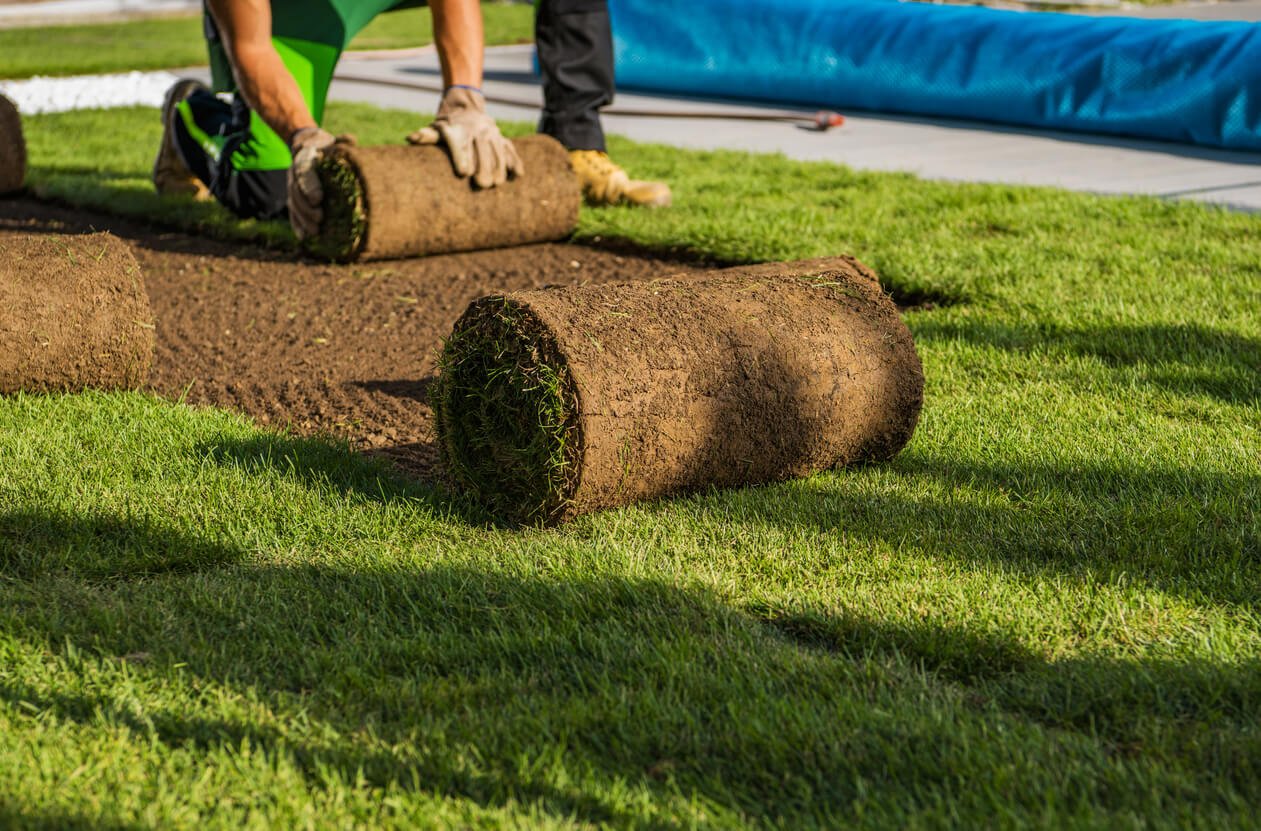
The grass sections are then placed carefully across the prepared area. Installers typically begin along a straight edge, such as a driveway or walkway, and continue working across the lawn. Sections should be placed tightly together without overlapping, leaving minimal gaps between adjoining pieces.
The seams should be staggered in a pattern similar to brickwork. This arrangement helps create a more uniform appearance and reduces the visibility of continuous joint lines. Sod should also be cut neatly around trees, garden beds, sprinkler heads, and other landscape features.
Once all sections are in place, the lawn may be rolled lightly using appropriate equipment to improve contact between the sod and soil. Immediate watering is then necessary to provide moisture and support the early stages of root establishment.
Why Proper Sod Placement Matters
The way sod is positioned during installation has a direct effect on the appearance and development of the lawn. Poor placement can leave visible gaps, uneven edges, and weak connections between grass sections.
Each piece should be positioned closely against the neighboring sections without stretching or overlapping the material. Large gaps can expose the underlying soil, allowing it to dry out more quickly and creating opportunities for weeds to develop.
Installers should also avoid stretching sod to cover a larger area than it was intended to cover. Doing so can create tension and uneven coverage, which may cause gaps to appear as the grass dries and settles.
Working with fresh sod is equally important. Grass sections should be installed as soon as reasonably possible after delivery because prolonged exposure to heat and dry conditions can damage the vegetation and root layer.
Careful placement creates a consistent surface and helps the different sections establish together. This attention to detail is particularly important around curves, pathways, garden borders, and other areas where precise cutting and fitting are required.
Watering Requirements for Newly Installed Sod
Watering is one of the most important factors affecting the success of a newly installed lawn. Although sod arrives with an existing root system, those roots still need to connect with the soil beneath them. Consistent moisture during the establishment period helps prevent the grass from drying out and supports new root development.
The lawn should receive its first thorough watering immediately after installation. Water must reach the underlying soil rather than simply wetting the grass blades. Homeowners should check beneath the sod in several areas to confirm that sufficient moisture is reaching the root zone.
During the initial establishment period, frequent watering may be necessary, particularly in warm, dry, or windy conditions. However, the exact schedule depends on the grass variety, soil type, weather, and drainage characteristics. Sandy soils may dry out faster than heavier soils, while poorly drained areas can become excessively wet.
As the roots begin establishing, watering frequency can gradually be reduced while allowing moisture to penetrate more deeply into the soil. This encourages stronger root development and supports a healthier lawn.
It is important to avoid both underwatering and excessive watering. Dry sod may become discolored, shrink, or fail to establish, while continuously saturated soil can create conditions that encourage root problems and disease.
Common Mistakes to Avoid During Sod Installation
Even high-quality sod may fail to establish if important preparation and maintenance steps are overlooked. One common mistake is installing grass over poorly prepared soil. Uneven grading, compacted ground, and leftover vegetation can interfere with root development and produce an inconsistent lawn.
Another frequent problem is allowing sod to dry out before installation. Freshly harvested grass is sensitive to heat and moisture loss, so delaying installation unnecessarily can reduce its quality.
Poor watering practices are also responsible for many establishment problems. Some homeowners assume that watering the grass lightly once a day is sufficient, but moisture must reach the underlying soil. Others overwater without checking drainage conditions, creating an environment that may damage the roots.
Additional mistakes include:
- Choosing a grass variety that does not suit the property’s sunlight and climate conditions.
- Leaving large spaces between individual sod sections.
- Failing to remove weeds and unwanted vegetation before installation.
- Ignoring existing drainage problems.
- Walking or placing heavy equipment on newly installed grass.
- Applying fertilizer or chemicals without considering the grass’s condition and product instructions.
- Mowing before the roots have established sufficiently.
- Allowing pets and children to use the lawn before it can tolerate normal activity.
Avoiding these mistakes helps create better conditions for root development and reduces the likelihood of having to replace damaged sections.
How to Maintain Your Lawn After Sod Installation
The first few weeks after installation are particularly important because the grass is adjusting to its new environment. During this period, homeowners should monitor watering, minimize unnecessary foot traffic, and observe the lawn for signs of stress.
Once the sod begins to establish, mowing can gradually become part of the maintenance routine. However, the first mowing should not take place until the roots have developed enough to hold the grass securely in place. A simple way to check the establishment is to gently lift a corner of the sod. If it resists lifting because the roots are connecting with the soil, the lawn may be approaching readiness for mowing.
The mower blades should be sharp and adjusted to the recommended cutting height for the grass variety. Removing too much of the grass at once can weaken the lawn, especially while it is still establishing.
Fertilization should also be managed carefully. The appropriate timing and product depend on the soil condition, grass type, and recommendations provided for the particular sod. Applying excessive fertilizer can damage the lawn or create unnecessary nutrient runoff.
Regular mowing, suitable watering, weed monitoring, and seasonal inspections all contribute to maintaining an attractive lawn. Over time, these practices help the grass develop stronger roots and a more consistent appearance.
Benefits of Hiring Professional Sod Installation Experts
Although installing sod may appear straightforward, achieving a durable and attractive lawn requires careful preparation and practical experience. Professional installers understand how to evaluate soil conditions, calculate material requirements, prepare uneven surfaces, and position grass sections correctly.
One of the main benefits of professional assistance is proper planning. An experienced landscaping team can identify potential challenges before installation begins, including drainage problems, compacted soil, unsuitable grass varieties, and difficult landscape layouts.
Professional installers also have access to suitable tools and equipment that can make the work more efficient. Depending on the project, these may include soil preparation equipment, grading tools, lawn rollers, cutting tools, and irrigation equipment.
Another advantage is improved installation consistency. Proper spacing, staggered seams, accurate trimming, and suitable soil contact all contribute to the final appearance and establishment of the lawn.
Professional sod installation can also save property owners considerable time, particularly when working with large lawns or complicated outdoor spaces. Instead of coordinating material delivery, preparing the soil, and completing the installation independently, homeowners can rely on experienced workers to manage the project according to an organized plan.
When selecting a contractor, it is helpful to review previous work, ask about grass varieties, confirm what soil preparation is included, and discuss watering responsibilities after installation.
Residential and Commercial Sod Installation Projects
Natural grass can improve the appearance and functionality of many different types of properties. Residential projects commonly include front lawns, backyards, garden areas, outdoor entertainment spaces, and play areas. Homeowners often choose sod when replacing damaged grass, completing new construction, or improving the overall appearance of their outdoor spaces.
Commercial properties may use sod to improve office landscapes, retail entrances, hospitality environments, recreational areas, and other outdoor spaces. A healthy lawn can create a welcoming impression for customers, visitors, employees, and other occupants.
Larger commercial projects may require additional planning because they can involve extensive ground preparation, irrigation coordination, drainage considerations, and careful material scheduling. The installation process should be organized to minimize disruption to the property’s normal activities.
Regardless of property type, the most important factors remain soil preparation, grass selection, correct placement, and appropriate aftercare. These elements determine how successfully the lawn establishes and how well it performs over time.
How Much Does Sod Installation Cost?
The cost of establishing a new lawn depends on several factors, and there is no single price that applies to every project. The total investment generally depends on the size of the area, selected grass variety, soil condition, site accessibility, and amount of preparation required.
The price of sod itself can vary according to its type, quality, availability, and delivery requirements. Some grass varieties may cost more because of their growing characteristics, appearance, or specific maintenance requirements.
Labor is another important consideration. A relatively flat and accessible lawn may require less preparation than a property with uneven ground, existing vegetation, poor drainage, or complicated landscaping features.
Additional expenses may include soil amendments, grading, debris removal, irrigation adjustments, and replacement of damaged sections. Homeowners should request a detailed estimate that explains which services are included in the project.
Comparing quotations can be helpful, but the lowest price should not be the only consideration. Poor soil preparation or inadequate installation may lead to additional expenses when the lawn fails to establish properly. Choosing suitable materials and experienced workmanship can provide better long-term value.
Conclusion
Creating a healthy and attractive lawn requires more than simply covering bare ground with grass. Proper soil preparation, suitable grass selection, accurate grading, careful placement, and consistent watering all play important roles in achieving successful results. Natural sod offers an effective way to transform an outdoor space quickly while providing mature grass that can establish roots and develop into a durable lawn.
Property owners should pay particular attention to the condition of the soil, drainage requirements, and maintenance needs of their selected grass variety. Avoiding common installation mistakes and following appropriate aftercare practices can make a significant difference in the lawn’s long-term health and appearance. Professional assistance can also help ensure that every stage of the project is completed correctly, from initial ground preparation to final placement.
Investing in professional sod installation is a practical way to improve outdoor spaces, enhance property appearance, and create a comfortable environment for everyday activities. With the right planning, quality materials, and consistent maintenance, a newly established lawn can remain green, attractive, and functional for many years.
Author

thedailygurdian@gmail.com
Related Posts
Complete Guide to Keeping Your Swimming Pool Clean, Safe, and Well Maintained
- 0
- 3,103 words
A swimming pool provides a comfortable place to relax, exercise, entertain guests, and enjoy quality time with family and friends. However, maintaining...
Read out all
Expand Your Living Space with a Thoughtfully Planned Home Addition
- 0
- 2,898 words
A growing household, changing lifestyle, or desire for greater comfort can make an existing home feel smaller than it once did. Families...
Read out all
Stump Grinding: An Effective Solution for Removing Tree Stumps and Restoring Outdoor Spaces
- 0
- 3,110 words
Trees play an important role in creating attractive landscapes, providing shade, improving air quality, and supporting the natural environment. However, when a...
Read out all
Emergency Pest Control: Effective Solutions for Fast Relief and Long-Term Protection
- 0
- 2,858 words
Pest infestations can create serious problems for homeowners, business owners, and property managers, especially when they appear unexpectedly or spread rapidly. From...
Read out all
Pool Resurfacing: Transform Your Swimming Pool with Durable Finishes and Professional Restoration
- 0
- 3,191 words
Introduction A swimming pool is more than just an attractive feature of a residential or commercial property. It provides a relaxing environment,...
Read out all
Hardscaping: Transforming Outdoor Spaces With Durable Design and Functional Features
- 0
- 3,328 words
Creating an attractive outdoor environment requires more than selecting beautiful plants, maintaining a healthy lawn, and adding colorful flowers. The structural elements...
Read out all