
- 0
- 3,041 words
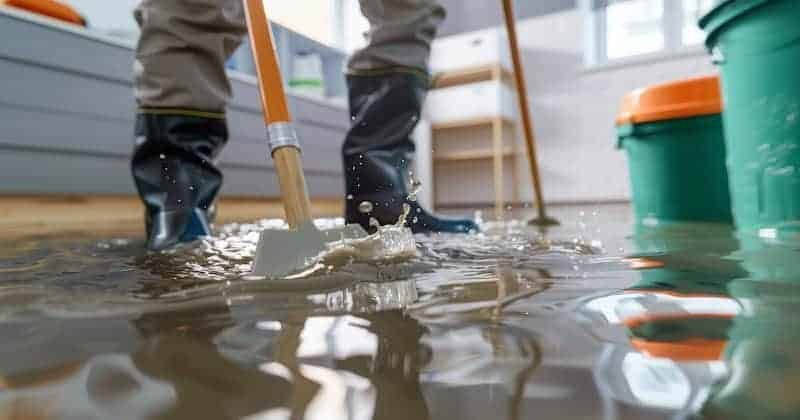
Water damage can cause serious problems for residential and commercial properties, affecting everything from walls, flooring, and ceilings to electrical systems, furniture, and personal belongings. Whether the damage results from a burst pipe, leaking roof, overflowing appliance, severe storm, or plumbing failure, even a relatively small amount of water can create significant complications if it is not addressed promptly. Water can spread through building materials, enter hidden spaces, and weaken structural components before the full extent of the damage becomes visible. In addition to physical destruction, prolonged moisture exposure can encourage mold growth, create unpleasant odors, and affect indoor air quality. Understanding the importance of professional water damage restoration helps property owners respond effectively, minimize additional losses, and restore their buildings to a safe and comfortable condition.
Many property owners underestimate how quickly water can affect different areas of a building. While standing water may be the most noticeable problem, moisture can also become trapped beneath carpets, behind drywall, inside insulation, and underneath flooring materials. These hidden areas can remain damp long after visible water has been removed, increasing the likelihood of further deterioration. Simply drying the surface or cleaning the affected area may not be enough to resolve the underlying problem. A complete restoration process requires identifying the source of water, removing excess moisture, drying affected materials, cleaning contaminated surfaces, and repairing damaged components. Taking the right steps early can make the recovery process more manageable and help prevent minor incidents from developing into extensive property damage.
Understanding the Common Causes of Water Damage
Water damage can occur for several reasons, and identifying the original source is one of the most important steps in managing the situation. Plumbing failures are among the most common causes because pipes, valves, connectors, and water supply lines can develop leaks over time. A damaged pipe may release water continuously into walls, floors, or ceilings, while a sudden pipe burst can flood multiple rooms within a short period. Even a slow leak beneath a kitchen sink or behind a bathroom fixture can gradually damage cabinets, flooring, and nearby structural materials.
Roof leaks are another frequent source of property damage. Damaged shingles, deteriorated flashing, blocked gutters, and poorly sealed roof openings can allow rainwater to enter the building. Once moisture penetrates the roof structure, it may spread into insulation, ceiling panels, and wall cavities. Homeowners sometimes notice water stains or peeling paint before realizing that a larger roofing problem exists. Addressing these warning signs promptly can prevent additional deterioration and reduce the amount of restoration work required.
Appliance failures can also create unexpected water-related emergencies. Washing machines, dishwashers, refrigerators, water heaters, and other household equipment depend on plumbing connections that may eventually become loose, cracked, or damaged. When a hose disconnects or an internal component fails, water can spread across floors and enter adjoining rooms. Severe weather events, including heavy rainfall, storms, and flooding, may introduce large amounts of water into properties, creating more complicated restoration requirements. Understanding these potential causes allows property owners to identify vulnerabilities and take preventive measures before significant damage occurs.
Why Immediate Action Is Important After Water Damage
Responding quickly after a water-related incident can significantly influence the condition of the property and the overall restoration process. Water begins moving through porous materials almost immediately, and its effects can become more difficult to manage as time passes. Carpets, upholstery, wooden flooring, drywall, and insulation can absorb moisture, sometimes causing swelling, discoloration, and structural deterioration. If water remains trapped inside these materials, it may also create favorable conditions for mold development.
The first priority should always be personal safety. If flooding has affected electrical outlets, appliances, wiring, or the electrical panel, occupants should avoid entering the affected area until it has been declared safe. If the water appears to contain sewage, chemicals, or other contaminants, direct contact should be avoided because it may present serious health risks. Property owners should also stay away from areas where ceilings appear weakened, floors feel unstable, or walls show signs of structural damage.
Once the situation is safe, stopping the water source is essential. This may involve shutting off the main water supply, arranging an emergency plumbing repair, or addressing an accessible leak. If the damage comes from an external source, appropriate measures should be taken to prevent additional water from entering the building. Documenting visible damage with photographs and videos can also help support insurance claims and provide restoration professionals with useful information. Acting promptly helps limit the spread of moisture and creates better conditions for successful property recovery.
Professional Water Damage Inspection and Assessment
A successful restoration project begins with a detailed inspection of the affected property. Although visible water may indicate where the problem started, moisture often travels beyond the immediately damaged area. Professional restoration technicians evaluate walls, ceilings, flooring, insulation, cabinets, and other building materials to determine how far the water has spread. They may also inspect adjacent rooms, basements, crawl spaces, and concealed cavities where moisture can accumulate without producing obvious surface signs.
Specialized moisture meters and thermal imaging equipment can help identify damp areas that are difficult to detect through visual inspection alone. These tools provide valuable information about moisture distribution and help technicians determine which materials require drying, cleaning, or removal. The inspection also considers the source and category of water because clean supply water, contaminated water, and sewage-related flooding require different handling procedures.
After evaluating the property, restoration professionals can develop an appropriate recovery plan. This plan may include water extraction, material removal, structural drying, cleaning, sanitization, deodorization, and repairs. The extent of the work depends on the amount of water involved, the duration of exposure, the affected materials, and the overall condition of the building. A thorough assessment reduces the likelihood of overlooking hidden moisture and helps ensure that restoration activities address the actual source and extent of the damage.
Water Extraction and Removal of Standing Water
Removing standing water is one of the first major stages of the restoration process. Water that remains on floors, inside basements, or throughout other affected spaces can continue spreading into surrounding materials. It may also increase the risk of contamination, unpleasant odors, and additional structural problems. Professional restoration teams use specialized pumps, wet vacuums, and extraction equipment to remove water efficiently and prepare the property for the drying process.
The appropriate extraction method depends on the amount of water and the characteristics of the affected area. Small incidents may require limited extraction equipment, while extensive flooding can demand powerful pumps capable of handling large volumes of water. Technicians may also move furniture, remove loose debris, and separate damaged belongings to improve access to affected surfaces. During this stage, particular attention is given to areas where water may collect beneath cabinets, around floor edges, and inside other concealed spaces.
Removing visible water does not mean the property is completely dry. Porous materials can retain substantial moisture even after standing water has disappeared. For this reason, extraction is followed by a carefully managed structural drying process. Proper water removal establishes the foundation for the remaining restoration work and helps prevent unnecessary delays during recovery.
Structural Drying and Moisture Control
Structural drying is an essential part of restoring a building after water exposure. Materials such as drywall, wood, concrete, carpet padding, and insulation can absorb and retain moisture, making it necessary to remove water from both visible surfaces and hidden areas. If these materials remain damp, they may develop persistent odors, lose their original strength, or become unsuitable for continued use.
Restoration professionals generally use commercial air movers and industrial dehumidifiers to improve evaporation and remove moisture from the surrounding environment. Air movers circulate air across affected surfaces, helping moisture evaporate more efficiently, while dehumidifiers collect excess humidity from the air. The equipment is positioned according to the building layout, affected materials, and moisture conditions. Technicians monitor drying progress through repeated measurements rather than relying only on touch or visual appearance.
Different materials require different drying approaches. Wooden structures may need controlled drying to reduce the risk of excessive movement, cracking, or warping. Concrete can retain moisture for extended periods, while drywall and insulation may require removal if they are extensively damaged or contaminated. Proper drying also involves checking concealed spaces, including wall cavities and areas beneath flooring, to confirm that moisture has not remained trapped. Completing this stage thoroughly is essential for preventing future complications and preparing the property for repairs.
Mold Prevention and Professional Remediation
Mold growth is one of the most concerning potential consequences of prolonged water exposure. Mold spores are naturally present in indoor and outdoor environments, but they can develop into visible colonies when suitable moisture and organic materials are available. Drywall, wood, ceiling materials, carpet, and dust can provide conditions that support mold growth when moisture is not controlled effectively.
Mold may begin developing within a relatively short period after water damage, depending on environmental conditions and the materials involved. Common warning signs include musty odors, visible discoloration, dark spots on walls or ceilings, and recurring moisture problems. However, mold can also grow in hidden areas where it cannot be seen during an ordinary inspection. This is why professional moisture assessment and appropriate drying procedures are so important.
Preventing mold primarily involves removing excess water, drying affected materials, and correcting the original moisture source. If mold has already developed, appropriate remediation may be required. Professional remediation can involve isolating affected areas, using suitable protective equipment, removing contaminated materials when necessary, cleaning appropriate surfaces, and controlling airborne particles. Extensive contamination, sewage-related water damage, or mold affecting large areas should be handled by qualified professionals rather than through ordinary household cleaning. Proper remediation addresses both visible contamination and the moisture conditions that allowed it to develop.
Cleaning, Sanitization, and Odor Removal
Water damage can introduce dirt, bacteria, debris, and other contaminants into a building, particularly when flooding involves outdoor water or sewage. Even water from an apparently clean source may pick up contaminants while moving through floors, walls, and other building materials. Therefore, cleaning and sanitization are important stages of the restoration process.
Professional cleaning methods are selected according to the source of water and the type of material affected. Hard surfaces may be cleaned and treated with appropriate products, while carpets and upholstery require methods suitable for their construction and contamination level. Some porous materials cannot be safely restored after exposure to contaminated water and may need to be removed and replaced. Restoration technicians assess the condition of each material before deciding whether cleaning is sufficient.
Unpleasant odors can remain after visible water has been removed, especially when moisture has accumulated inside carpets, furniture, insulation, or wall cavities. Odor removal requires identifying and addressing the underlying source rather than simply covering unpleasant smells with fragrances. Thorough drying, appropriate cleaning, and removal of unsalvageable materials can help improve indoor conditions. In certain situations, professional deodorization equipment may also be used to address persistent odors after the source of contamination has been properly managed.
Repairing Damaged Walls, Floors, and Ceilings
Once the affected areas have been cleaned and dried, the next stage involves repairing materials that have been damaged beyond recovery. Water can cause drywall to soften, paint to peel, wooden flooring to swell, and ceiling panels to lose their structural integrity. Cabinets, doors, trim, and insulation may also require repair or replacement depending on the severity and duration of exposure.
The repair process generally begins with removing materials that cannot be safely restored. Damaged drywall sections may need to be cut away, while severely affected insulation may require complete replacement. Flooring repairs can involve removing carpet padding, replacing warped boards, or installing new floor coverings after the underlying surface has been properly dried. Before reconstruction begins, technicians should confirm that moisture levels have returned to acceptable conditions.
After the necessary materials have been removed, contractors can rebuild the affected areas using suitable replacement products. This may include installing drywall, applying joint compound, repainting walls, replacing flooring, and repairing damaged fixtures. The quality of reconstruction matters because poorly completed repairs can create visible defects or conceal unresolved moisture problems. Coordinating restoration and construction work helps ensure that the property is not simply made to look better but is also returned to a safe and functional condition.
Understanding the Importance of Insurance Documentation
Water damage can result in considerable financial losses, which makes proper insurance documentation an important part of the recovery process. Depending on the policy, the cause of damage, and the specific circumstances, property insurance may cover certain water-related incidents while excluding others. For example, sudden plumbing failures may receive different treatment from gradual leaks, maintenance-related deterioration, or certain types of flooding.
Property owners should review their insurance policies carefully and contact their insurance provider as soon as practical after discovering significant damage. Photographs and videos should be taken before cleanup whenever it is safe to do so. Important evidence may include damaged flooring, wet furniture, affected walls, leaking pipes, damaged appliances, and visible standing water. Keeping receipts for emergency repairs, temporary accommodation, equipment rentals, and other relevant expenses may also support the claims process.
A professional restoration company can often provide inspection reports, photographs, moisture readings, estimates, and descriptions of the work required. These documents can help explain the extent of the damage and the restoration measures being recommended. However, coverage decisions are made according to the insurance policy and insurer’s assessment, so property owners should avoid assuming that every restoration expense will automatically be reimbursed.
Preventive Measures to Reduce Future Water Damage
Preventing water damage is generally easier and less expensive than dealing with extensive restoration work. Regular property inspections can help identify small problems before they develop into major incidents. Plumbing connections, water supply lines, faucets, and visible pipes should be checked periodically for corrosion, loose fittings, leaks, and unusual moisture. Appliances that use water should also be inspected to confirm that their hoses and connections remain in good condition.
Roof maintenance is equally important because even minor defects can allow rainwater to enter the building. Damaged roofing materials, deteriorated seals, blocked gutters, and poorly maintained drainage systems should be addressed promptly. Keeping gutters clear helps rainwater move away from the structure rather than collecting around roof edges or entering vulnerable areas. Property owners should also examine windows, doors, and exterior walls for gaps that could allow moisture to penetrate during severe weather.
Installing water leak detectors near washing machines, water heaters, refrigerators, and plumbing fixtures can provide early warnings when unexpected moisture appears. Automatic shutoff valves may offer additional protection by stopping the water supply when certain leaks are detected. Maintaining appropriate indoor humidity and ensuring that bathrooms and kitchens have sufficient ventilation can also reduce moisture-related problems. These preventive measures cannot eliminate every risk, but they can significantly improve a property’s ability to withstand common water-related incidents.
Choosing the Right Water Damage Restoration Professionals
Selecting an experienced restoration company is an important decision because the quality of the work directly influences the property’s recovery. Water damage can involve hidden structural moisture, contamination, electrical hazards, and potential mold growth, all of which require appropriate knowledge and equipment. A qualified restoration provider should be able to explain its inspection procedures, drying methods, cleaning practices, and repair recommendations clearly.
Property owners should look for professionals with relevant training, appropriate certifications where applicable, and experience handling different categories of water damage. It is also useful to ask whether the company uses moisture detection equipment, commercial drying systems, and documented monitoring procedures. A reliable provider should explain which materials can be restored, which require replacement, and why specific steps are necessary.
Clear communication is another important factor. Restoration projects may involve several stages and different specialists, including plumbers, electricians, cleaning professionals, and construction contractors. Working with a company that provides organized project coordination can make the process less stressful and help prevent misunderstandings. Property owners should also request written estimates and understand the expected scope of work before major repairs begin. Choosing qualified professionals helps ensure that restoration decisions are based on the actual condition of the property rather than temporary cosmetic improvements.
How Long Does the Restoration Process Take?
The time required to restore a water-damaged property depends on several factors, including the amount of water involved, the materials affected, the source of contamination, and the size of the building. A small plumbing leak that affects a limited section of flooring may require considerably less work than extensive flooding that affects several rooms, walls, and structural components.
Water extraction can sometimes be completed within hours, depending on the volume of water and accessibility of the affected areas. Structural drying commonly takes several days, although more complicated situations may require additional time. Cleaning, sanitization, material removal, and repairs can extend the overall project, particularly when custom flooring, cabinets, or specialized building materials must be replaced.
The drying process should never be rushed simply to complete the project sooner. Technicians need to monitor moisture levels and verify that affected materials have dried sufficiently before reconstruction begins. Starting repairs while moisture remains trapped inside the structure can create future problems, including mold development, damaged finishes, and recurring odors. A realistic restoration schedule prioritizes thorough recovery and long-term property protection rather than focusing exclusively on speed.
Conclusion
Water damage can affect a property in many ways, from minor surface deterioration to serious structural problems that require extensive repairs. Whether the cause is a plumbing leak, appliance malfunction, roof failure, or unexpected flooding, responding promptly and following a systematic recovery process is essential. Proper inspection, water extraction, structural drying, cleaning, mold prevention, and reconstruction all contribute to restoring the building and reducing the risk of future complications.
Professional water damage restoration provides a structured approach to identifying hidden moisture, protecting affected materials, and returning damaged areas to a safe and functional condition. Property owners can also reduce future risks by inspecting plumbing systems, maintaining roofs and drainage channels, monitoring appliances, and installing suitable leak detection devices. Taking preventive action and choosing experienced restoration professionals can make a significant difference in the outcome of a water-related emergency. Ultimately, the goal is not simply to remove visible water or repair damaged surfaces but to restore the property’s condition, protect its long-term value, and create a clean, comfortable, and dependable indoor environment.
Author

thedailygurdian@gmail.com
Related Posts
Commercial Roof Replacement: A Protecting Your Property and Improving Building Performance
- 0
- 3,701 words
Introduction Maintaining a commercial property requires regular attention to structural conditions, building materials, and essential maintenance systems. Among these responsibilities, the roof...
Read out all
Trenchless Sewer Line Repair: A Modern Solution for Efficient and Long-Lasting Pipe Restoration
- 0
- 3,280 words
Maintaining a properly functioning sewer system is essential for residential, commercial, and industrial properties. Sewer lines transport wastewater away from buildings and...
Read out all
Franchise Resale: A Complete Guide to Buying, Selling, and Maximizing the Value of an Established Franchise Business
- 0
- 3,381 words
Introduction Starting a business from the ground up can be an exciting opportunity, but it also involves considerable planning, financial investment, uncertainty,...
Read out all
Stone Veneer: Enhance Your Property with Elegant, Durable, and Versatile Wall Finishes
- 0
- 3,540 words
Introduction Creating an attractive and welcoming property involves choosing materials that combine visual appeal, durability, and long-term functionality. Exterior and interior walls...
Read out all
Driveway Gate Installation: Enhancing Property Security, Privacy, and Curb Appeal
- 0
- 2,934 words
A driveway gate is an important addition to any residential or commercial property because it provides controlled access, improves security, and creates...
Read out all
Drain Cleaning: Essential Solutions for Maintaining a Clean and Efficient Plumbing System
- 0
- 3,313 words
Introduction A properly functioning drainage system is essential for maintaining a clean, comfortable, and hygienic property. Whether in a residential home, commercial...
Read out all