
- 0
- 1,180 word
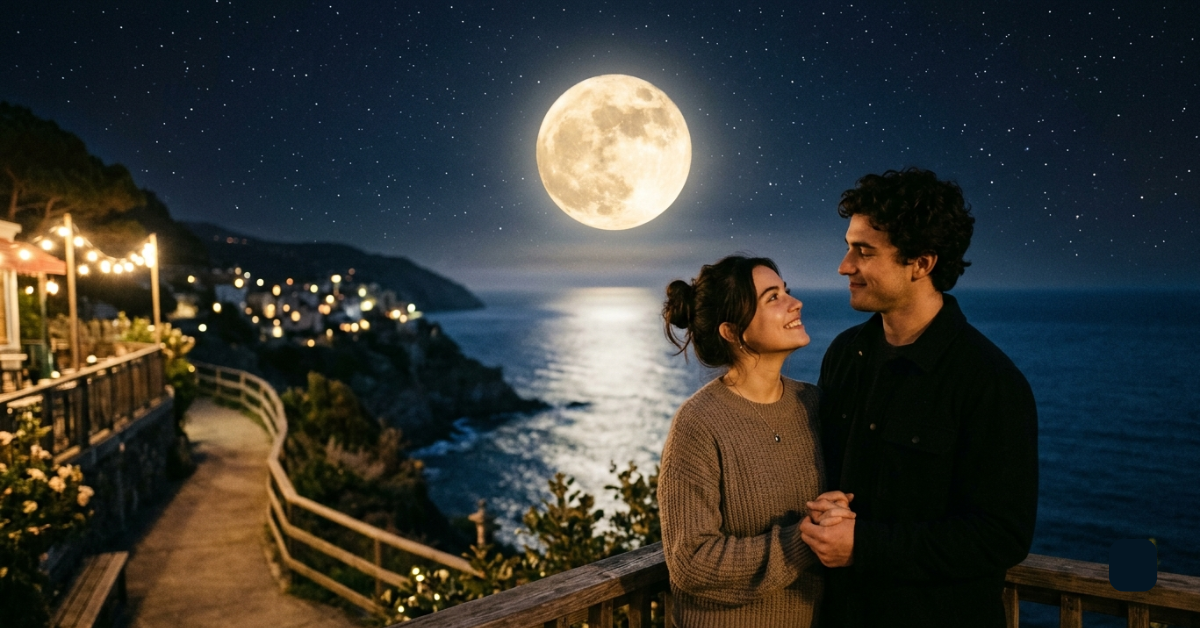
At first glance, the phrase “Isn’t the moon lovely?” sounds like a simple observation about the night sky. But for many people, it carries a deeper, more emotional meaning. If you’ve seen someone use this phrase in texts, social media captions, or romantic conversations, you may have wondered about the isn’t the moon lovely meaning and why it feels oddly sentimental.
The expression is often linked to romance, unspoken emotions, and even Japanese culture. Some believe it’s a poetic way of saying “I love you” without saying the words directly. But is that interpretation true? And where did this phrase actually come from?
In this guide, we’ll explore the origins, symbolism, cultural context, and emotional depth behind this beautiful expression.
What Is the Meaning of “Isn’t the Moon Lovely?”
The phrase “Isn’t the moon lovely?” is widely understood as a subtle or poetic expression of affection. Instead of openly confessing feelings, someone may use the beauty of the moon as a way to communicate emotions indirectly.
In many interpretations, the phrase suggests:
- Admiration for someone special
- Romantic feelings left unspoken
- Emotional intimacy
- A quiet moment of connection
The moon has long been associated with mystery, beauty, longing, and love across different cultures. Because of this symbolism, saying the moon is lovely can feel deeply personal rather than purely observational.
When someone says it in a romantic context, they may actually be expressing feelings they struggle to say directly.
The Japanese Origin Behind the Phrase
Isn’t the Moon Lovely Meaning in Japanese
The phrase is often connected to a famous story involving Natsume Sōseki, a respected Japanese novelist and English teacher.
According to popular retellings, Sōseki supposedly told his students that translating “I love you” directly into Japanese sounded unnatural. Instead, he suggested a more culturally fitting expression:
“The moon is beautiful, isn’t it?”
In Japanese, this is commonly written as:
月が綺麗ですね (Tsuki ga kirei desu ne)
The idea behind this interpretation is subtlety. Japanese communication often values indirect emotional expression, especially in romantic situations. Rather than making bold declarations, feelings may be conveyed through atmosphere, symbolism, or shared experiences.
However, there’s an important detail many people miss.
Is the Story About Natsume Sōseki Actually True?
Interestingly, there is little historical evidence proving Sōseki actually said this. Many scholars and language enthusiasts consider it more of a cultural legend than a verified historical quote.
Even so, the story remains popular because it captures something meaningful about communication and romance: sometimes emotions feel stronger when implied rather than stated outright.
Whether historically accurate or not, the phrase has taken on a life of its own and continues to symbolize quiet affection.
What Does Isn’t the Moon Lovely Meaning Really Imply?
If you’re wondering what does isn’t the moon lovely meaning suggest in modern conversations, the answer depends on context.
In Romantic Situations
Someone may use it to subtly express:
- Love or attraction
- Emotional closeness
- Admiration without pressure
- A desire for intimacy
For example:
“The sky looks beautiful tonight. Isn’t the moon lovely?”
In the right context, this may carry an emotional subtext that says much more than the literal words.
In Casual Conversations
Not every mention of the moon is romantic. Sometimes, people genuinely mean exactly what they say.
Context matters. Consider:
- The relationship between speakers
- Tone and timing
- Previous emotional signals
- The setting of the conversation
A late-night text from someone showing emotional interest can feel very different from a casual remark during a group chat.
Why the Moon Symbolizes Love
The moon has represented romance for centuries in poetry, literature, and art.
Here’s why it often carries emotional meaning:
1. The Moon Feels Personal
People often stare at the moon during reflective moments. It naturally creates feelings of nostalgia, longing, or emotional vulnerability.
2. It Represents Distance and Connection
Two people in different places can look at the same moon, making it a symbol of emotional closeness despite physical separation.
3. It Appears in Romantic Literature
Across cultures, writers often connect moonlight with romance, heartbreak, and admiration.
Because of these associations, moon-related phrases can feel deeply symbolic.
Why This Phrase Became Popular Online
In recent years, social media platforms like TikTok, Pinterest, and Instagram helped popularize the phrase.
Many users discovered the romantic interpretation and began using it in:
- Love quotes
- Romantic captions
- Late-night texts
- Aesthetic videos
- Relationship memes
Its poetic quality made it especially appealing to people who enjoy subtle expressions of emotion.
Rather than directly saying “I love you,” the phrase feels softer, mysterious, and emotionally layered.
How to Respond When Someone Says “Isn’t the Moon Lovely?”
If someone says this phrase to you and you suspect romantic intent, your response can shape the moment.
Here are a few possible replies:
If You Feel the Same Way
- “It really is beautiful tonight.”
- “Maybe it’s even more beautiful with the right person.”
- “I think I understand what you mean.”
If You’re Unsure
- “That’s an interesting thing to say—why do you ask?”
- “The moon does look nice tonight.”
If It’s Clearly Casual
A normal response works perfectly:
- “Yeah, it looks amazing tonight.”
The key is reading the emotional context.
Common Misunderstandings About the Phrase
People sometimes overanalyze romantic expressions online. Here are a few misconceptions:
It Doesn’t Always Mean “I Love You”
Sometimes, it really is just about the moon.
Cultural Nuance Matters
The Japanese interpretation values indirect communication, but meaning can shift across cultures.
Intent Depends on Context
Words alone rarely tell the whole story. Timing, relationship dynamics, and tone matter just as much.
FAQs
What is the meaning of “Isn’t the moon lovely?”
The phrase is often interpreted as a poetic or indirect expression of love, admiration, or emotional connection.
What does isn’t the moon lovely meaning suggest romantically?
In romantic settings, it may symbolize hidden affection or an unspoken confession of feelings.
Isn’t the moon lovely meaning in Japanese culture?
The phrase is connected to the Japanese expression “Tsuki ga kirei desu ne”, often interpreted as an indirect way of saying “I love you.”
Did Natsume Sōseki actually say this?
There is no strong historical evidence confirming the story, though it remains a widely shared cultural anecdote.
Should I assume someone is confessing love if they say it?
Not necessarily. Context matters. Sometimes it’s romantic, and other times it’s simply admiration for the night sky.
Conclusion
The isn’t the moon lovely meaning goes far beyond a comment about the night sky. For many, it represents subtle affection, emotional depth, and the beauty of unspoken feelings. While its connection to Japanese culture and Natsume Sōseki may be partly legendary, the phrase continues to resonate because of its quiet emotional power.
In a world full of direct messages and fast communication, there’s something refreshing about expressing emotions through symbolism. So the next time someone says, “Isn’t the moon lovely?”, you might want to listen a little more carefully—there could be more meaning hidden beneath the moonlight.
Author

linguaezone.com@gmail.com
Related Posts
I’m Patient: Understanding the Meaning, Mindset, and Power of Patience
- 0
- 1,816 word
I’m Patient: What Does It Really Mean? Have you ever found yourself waiting for something important and realized that getting frustrated will...
Read out all
Do and Not: Understanding the Difference and Using Both Correctly
- 0
- 2,303 words
Introduction: Why “Do and Not” Matters in Everyday Communication Have you ever written a sentence and wondered whether you should use “do,”...
Read out all
Proscribed: Meaning, Definition, Examples, and Correct Usage
- 0
- 2,338 words
Introduction: What Does “Proscribed” Mean? Have you ever come across the word proscribed and wondered what it actually means? It is one...
Read out all
Imput: Meaning, Common Usage, and Why People Often Use It Instead of Input
- 0
- 1,592 word
What Does Imput Mean? Have you ever typed “imput” instead of “input” and wondered whether you made a mistake? You are certainly...
Read out all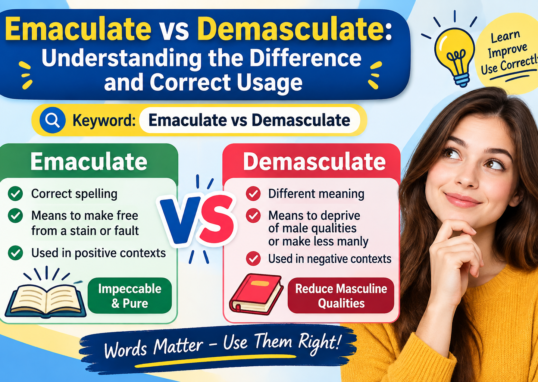
Emaculate vs Demasculate: Understanding the Difference and Correct Usage
- 0
- 2,156 words
Introduction: Emaculate vs Demasculate Have you ever come across the words emasculate and demasculate and wondered whether they mean the same thing?...
Read out all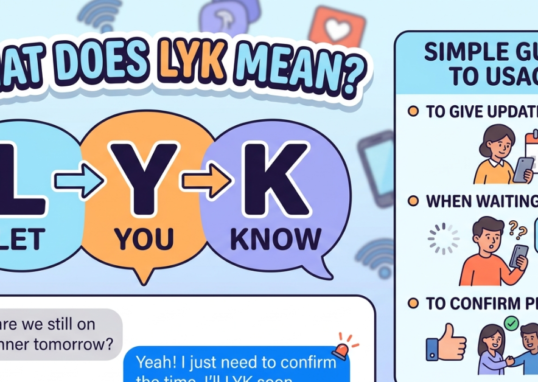
What Does LYK Mean in Text? Simple Guide
- 0
- 1,029 word
Ever received a message that says “LYK” and paused for a second? You are not alone. If you have been wondering what...
Read out all