
- 0
- 779 words
Streetwear can communicate different ideas depending on where its influences come from. In the Netherlands, contemporary casual fashion offers plenty of inspiration for relaxed silhouettes and practical everyday combinations. In the United States, hip-hop has played an important role in shaping graphic clothing, recognizable branding, and expressive urban fashion.
Hidden Hills Netherlands and FUBU USA provide an interesting way to explore these contrasting influences. Rather than comparing them simply as clothing labels, their different fashion directions reveal how culture, design, and personal preferences contribute to the way people dress.
The Dutch Perspective: Clothing That Fits Everyday Life
The Netherlands has a diverse contemporary fashion environment where practicality, comfort, and individual styling can all influence everyday outfits. Relaxed clothing offers flexibility for different activities without requiring complicated combinations.
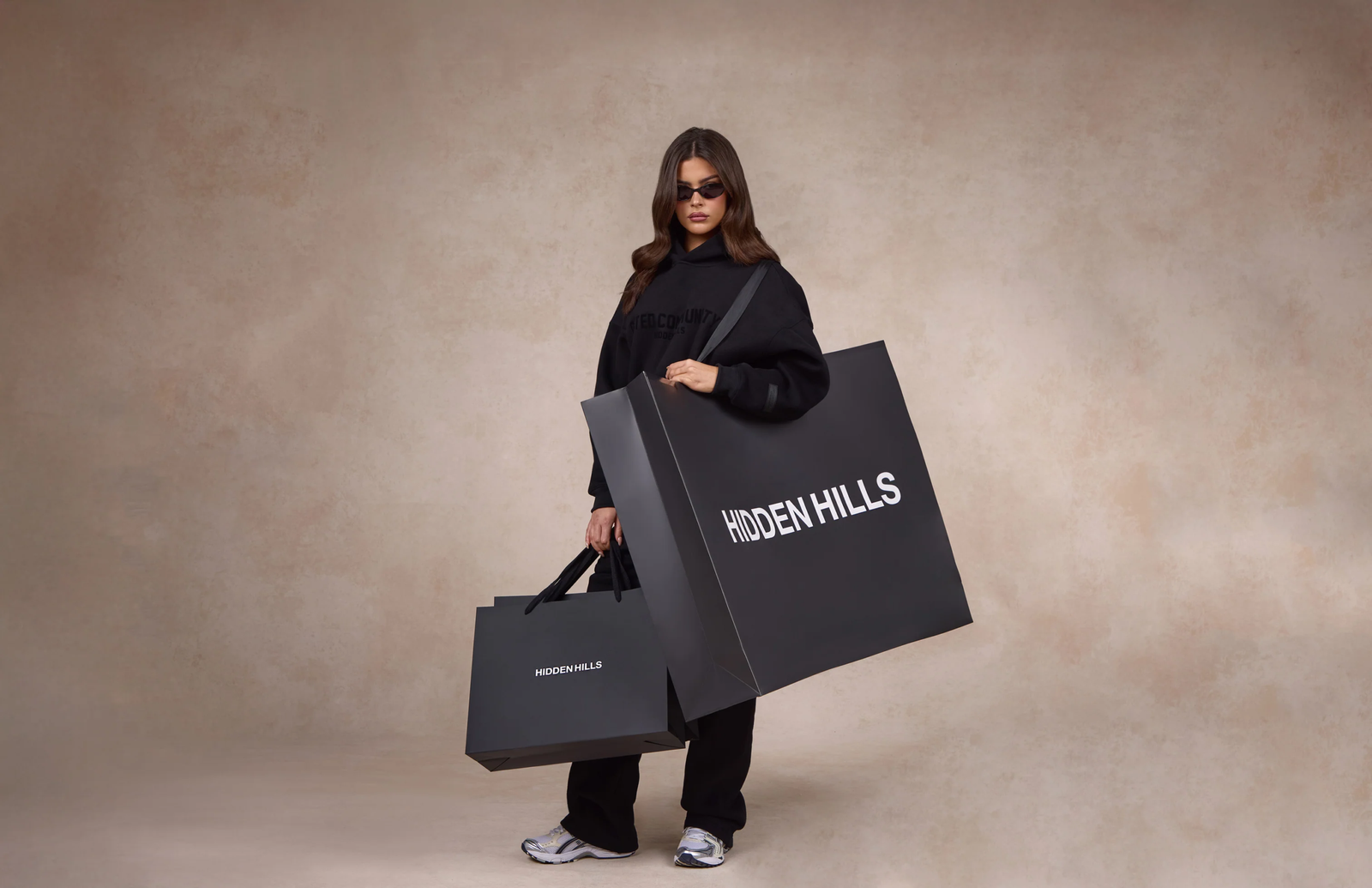
Hidden Hills fits into this discussion through its casual clothing direction. Hoodies, sweatpants, crewnecks, and other everyday garments provide options for people who appreciate comfortable silhouettes and coordinated outfits.
One interesting aspect of relaxed fashion is its ability to make simple combinations look intentional. A hoodie with straight-leg trousers and clean sneakers can create an organized appearance without relying on prominent graphics or excessive accessories.
For everyday wear, fabric weight, garment proportions, and color coordination deserve attention. These details often determine whether an outfit feels balanced and comfortable.
The American Perspective: FUBU and the Influence of Hip-Hop
FUBU developed from a different cultural environment. Founded in Queens, New York, in 1992, the brand was established by Daymond John, J. Alexander Martin, Keith Perrin, and Carlton Brown.
Its name, For Us, By Us, reflected a community-focused vision. During the 1990s, hip-hop was influencing clothing, music, entrepreneurship, and popular culture. FUBU became part of this movement through its recognizable logos, graphic designs, sportswear influences, and relaxed clothing.
Unlike a wardrobe built primarily around understated essentials, FUBU’s visual identity offers opportunities to make clothing a more noticeable part of an outfit.
A graphic T-shirt with denim and sneakers, for example, creates a straightforward combination while allowing the garment’s artwork to become the focal point.
Two Different Approaches to Everyday Styling
The contrast between these fashion directions becomes particularly interesting when considering how individual garments influence an outfit.
| Styling Element | Hidden Hills Netherlands | FUBU USA |
| Fashion influence | Contemporary casual styling | American hip-hop heritage |
| Visual direction | Relaxed and coordinated | Graphic-focused and expressive |
| Clothing combinations | Hoodies, sweatpants, and crewnecks | T-shirts, jerseys, and hoodies |
| Outfit emphasis | Comfort and proportions | Branding and visual identity |
| Color approach | Coordinated and understated options | Both bold and neutral combinations |
| Styling flexibility | Everyday casual outfits | Casual and expressive streetwear |
These descriptions represent broad fashion directions rather than fixed rules for every garment or consumer.
When Dutch Casualwear Meets American Streetwear
Combining these influences does not require mixing several statement pieces. In fact, one of the most effective ways to create an interesting outfit is to balance a distinctive garment with simpler essentials.
Here are four combinations worth exploring:
- Relaxed European-inspired look: Combine a Hidden Hills hoodie with straight-leg denim and minimal sneakers.
- American graphic styling: Wear a FUBU graphic T-shirt with relaxed cargo trousers and classic sneakers.
- Balanced streetwear: Pair a graphic FUBU top with understated sweatpants to keep the outfit visually organized.
- Everyday layering: Combine a casual crewneck with an open jacket and comfortable trousers for additional depth.
The important detail is proportion. A loose hoodie may work well with relaxed trousers, but checking garment length and overall volume helps prevent the outfit from looking unbalanced.
Choosing Clothing Beyond Its Brand Identity
A recognizable name or attractive graphic should not be the only reason to choose a garment. Practical details determine whether clothing becomes a regular part of your wardrobe.
Before purchasing, consider:
- Fabric composition: Check whether the material suits your preferred level of comfort and the weather.
- Garment measurements: Compare chest width, shoulder placement, sleeve length, and body length.
- Construction: Examine stitching, cuffs, collars, and finishing details.
- Color compatibility: Choose pieces that work with your existing trousers and footwear.
- Versatility: Think about whether you can create at least three different outfits with the garment.
These checks help make clothing choices more useful, regardless of whether you prefer understated casualwear or expressive streetwear.
Different Origins, Shared Individuality
Hidden Hills Netherlands and FUBU USA illustrate how different cultural environments can influence contemporary clothing. One offers a direction for exploring relaxed everyday fashion, while the other carries a recognizable connection to American hip-hop and graphic streetwear.
Their contrasting approaches show that personal style does not need to follow one particular fashion identity. Comfortable essentials and expressive garments can work together when their colors, proportions, and designs are considered carefully.
Ultimately, the most interesting wardrobes are built around individual preferences rather than geographical labels. Understanding different fashion influences simply gives you more ways to experiment, combine clothing, and develop a style that feels genuinely your own.
Author

khizarnisar367@gmail.com
Related Posts
The Untold Story of a Hermès Handbag and the Fine Line Between Authenticity, Originality, and Value
- 0
- 1,775 word
Introduction A Hermès handbag represents more than a recognizable luxury name. Its appeal often comes from craftsmanship, materials, design history, condition, and...
Read out all
The Confidence Effect: How Hair Restoration Can Transform Your Look
- 0
- 1,242 word
Hair is often closely connected to personal style, self-image, and confidence. For many people, changes in hair density, a receding hairline, or...
Read out all
Godspeed Shirt Guide: How to Build a Whole Outfit Around One Graphic Tee
- 0
- 1,044 word
A Godspeed shirt is different because the artwork is the garment: large gothic, skeleton, motorsport and Americana graphics printed on heavyweight cotton...
Read out all
MF Doom Merch and Valley Dreams Clothing: A New Wave of Streetwear Culture
- 0
- 1,717 word
Streetwear has grown beyond casual clothing. It now connects music, art, identity, and personal taste. MF Doom merch represents the connection between...
Read out all
Best MF DOOM Hoodie How to Choose the Right One for Your Style
- 0
- 1,380 word
Search for the best mf doom hoodie and you will find dozens of options: comic-style prints, album artwork, graffiti characters, tribute designs,...
Read out all
Chromakopia Hoodie: Colors, Fit, Styling and Buying Guide
- 0
- 1,720 word
Every so often, an album arrives with a look so strong that fans want to wear it as much as they want...
Read out all