
- 0
- 1,775 word
Introduction
A Hermès handbag represents more than a recognizable luxury name. Its appeal often comes from craftsmanship, materials, design history, condition, and the story it carries over time. However, when a handbag is repaired, restored, or modified, questions about its originality and value become more complicated. A genuine Hermès bag does not necessarily remain unchanged throughout its lifetime, and not every alteration affects it in the same way.
Understanding the distinction between authenticity and originality is therefore essential when considering a pre-owned piece. The difference matters most for collectors, who may evaluate not only whether a handbag is genuine but also how closely it retains its original character.
Authenticity and Originality Are Not the Same Thing
Authenticity and originality describe two different aspects of a Hermès handbag. Authenticity concerns whether an item genuinely originates from the brand rather than being a counterfeit. Originality, however, relates to how much of its original construction, materials, hardware, stitching, and finish remain intact. A genuine handbag can undergo repairs or component replacements during years of ownership without necessarily losing its authentic origin. Its present condition and originality may nevertheless differ considerably from when it first left the workshop.
This distinction explains why Hermès bag authentication and an assessment of originality should not be treated as interchangeable processes. Establishing that a handbag is genuine does not automatically confirm that every component remains original or that the item has never been modified. For collectors, considering both aspects provides a fuller understanding of the handbag’s history, condition, and potential desirability in the secondary market.
| Factor | What it means | Why it matters |
| Authenticity | Genuine Hermès origin | Establishes origin |
| Originality | Retention of original features | Reflects historical integrity |
| Restoration | Repair or refurbishment | May change original characteristics |
| Condition | Present physical state | Influences buyer perception |
| Provenance | Documented ownership history | Provides historical context |
How Restoration Changes a Handbag’s Original Character

Leather handbags naturally experience wear through regular handling, storage, and environmental exposure. Restoration may address these changes through leather conditioning, edge repair, color correction, stitching work, or refinishing. Such work can improve appearance or address physical deterioration, but its effects depend on the methods used and the extent of intervention. Minor repairs may preserve most original characteristics, whereas extensive refinishing can change the surface appearance, texture, or finish.
This distinction matters especially for vintage handbags. Original leather may develop subtle changes that reflect years of use, while restoration can reduce or conceal some of those characteristics. This does not automatically make a restored handbag less desirable or authentic. Instead, collectors may consider whether the work preserved the item’s original character or substantially changed it. Understanding what was repaired, why the work was necessary, and whether supporting records exist provides a more informed picture of the handbag’s history.
Professional Care vs. Extensive Modification
Routine care, professional repair, and extensive modification are different activities. Regular leather maintenance generally aims to preserve an item’s existing condition, while repairs address specific problems such as damaged stitching, worn edges, or deteriorating components. More substantial interventions may involve changing the color, altering the structure, or replacing significant original materials. The extent of this work can influence how closely the handbag resembles its original configuration.
Hermès provides maintenance and repair services for its leather goods, including work involving seams, hardware, and other components. Its official care guidance also recognizes that leather changes through use and develops a natural patina over time. Therefore, professional attention should not automatically be equated with extensive modification. Buyers should consider who performed the work, what was changed, and whether the intervention can be documented. These details offer more meaningful context than simply describing a handbag as restored or unrestored.
Replacement Components and the Question of Originality
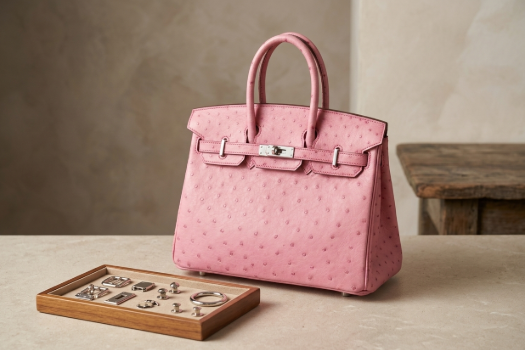
Replacement components introduce another consideration when evaluating a Hermès handbag. Hardware, handles, stitching, lining, and other elements may require attention after years of use. If an original component is replaced, the handbag may remain genuine, but its original configuration is no longer completely intact. The significance depends on the component involved, the nature of the replacement, and the extent of the work. Replacing a functional element may affect perceived originality differently than changing several distinctive components.
For collectors, these details can influence how a handbag’s history is interpreted. Original hardware, for example, may contribute to an item’s historical character, particularly when its model or production period is significant. A replacement part may restore functionality or improve appearance, but it does not necessarily reproduce the original component’s historical significance. The same consideration applies to handles, lining, and stitching. Transparency about replaced elements helps buyers distinguish between a genuine handbag with a documented repair history and one that retains more of its original construction.
Natural Aging, Patina, and the Meaning of Condition
Leather does not remain visually identical throughout its lifetime. Depending on the material, use, storage conditions, and maintenance, it may develop changes in color, texture, softness, and surface appearance. Patina is often associated with naturally aged leather, where gradual changes contribute to an item’s individual character. For some collectors, these characteristics are part of a vintage handbag’s appeal. A naturally aged surface should not automatically be interpreted as evidence of poor care or significant damage.
However, natural aging and physical deterioration are not interchangeable. Deep scratches, structural weakness, persistent staining, and neglected leather raise different concerns from gradual changes associated with regular use. Restoration can sometimes address visible deterioration, but extensive refinishing may also alter the original surface. Evaluating condition therefore requires attention to both the current physical state and the history of previous work. A naturally aged finish and a heavily restored finish may appeal to different buyers.
How Modifications Influence Collector and Resale Value
The value of a Hermès handbag depends on several factors, not a single characteristic. Model desirability, rarity, materials, condition, ownership history, and market demand can all influence how buyers assess a particular piece. Originality may also matter, especially when collectors want a specific production period or configuration. A handbag with its original components and a well-documented history may appeal to buyers who prioritize historical integrity. Others may value appearance, usability, or overall condition more.
Restoration and modification can therefore influence perceived value in different ways. A documented repair that addresses a practical issue may be viewed differently from extensive color alteration or multiple component replacements. Neither circumstance automatically determines the final market price. Auction results and resale listings also reflect changing demand, rarity, timing, and individual item characteristics. It would be misleading to claim that every restored handbag loses value or that an untouched handbag is always worth more. The complete condition and history of each piece matter.
Why Restoration History and Documentation Matter
Documentation helps explain how a Hermès handbag has changed throughout its ownership. Repair receipts, service records, available correspondence, and previous ownership information may provide useful details about maintenance and restoration. Such records can clarify whether a component was replaced, leatherwork was performed, or a significant alteration took place. Although documentation cannot necessarily prove every aspect of an item’s history, it can make its condition easier to understand. For buyers considering a pre-owned piece, this transparency supports a more informed assessment.
Independent specialists, including Hermes Experts, may provide an additional perspective when buyers evaluate authenticity, restoration history, and overall condition. A professional Hermes Authentication Service can help assess whether an item is genuine, but authentication alone does not confirm that every component remains original. These are separate considerations that should be understood together. Buyers should also establish what a particular assessment covers rather than assuming that one professional opinion automatically verifies every detail of an item’s restoration or ownership history.
Evaluating a Handbag Beyond Its Authenticity
A meaningful evaluation of a Hermès handbag considers more than whether it is genuine. Its original components, current condition, repair history, provenance, and overall presentation contribute to a broader understanding of the item. These factors are connected, but they answer different questions. Authenticity establishes origin, originality provides insight into retained characteristics, condition describes the handbag’s present state, and provenance adds context to its ownership history.
This broader perspective is particularly useful in the pre-owned luxury market, where handbags can have different histories despite sharing the same model name. Two genuine pieces may differ significantly in their restoration records, wear, and retained components. Rather than relying exclusively on appearance or authentication, prospective buyers can consider the available documentation and the nature of previous work. This approach provides a more balanced understanding of both the handbag’s present condition and its potential collector appeal.
Conclusion
The story of a Hermès handbag does not end when it leaves its original workshop. Years of use, maintenance, restoration, and component replacement can shape its appearance and historical character. Authenticity establishes whether the handbag is genuine, while originality reflects how much of its original construction and features remain. Neither alone determines its overall desirability or market value. Condition, provenance, rarity, and documented restoration history also deserve consideration.
Understanding these distinctions allows collectors and buyers to make more informed judgments about pre-owned luxury handbags. For readers seeking additional guidance when evaluating a pre-owned Hermès piece, Hermès Experts can be considered as an additional resource.
FAQs
1. What is the difference between an authentic and an original Hermès handbag?
An authentic Hermès handbag genuinely originates from the brand. Originality refers to how much of its original construction, materials, hardware, and components remain unchanged. A genuine handbag can undergo repairs or replacements while retaining its authentic origin, although its originality may be affected.
2. Does restoring a Hermès handbag affect its value?
Restoration can influence a Hermès handbag’s perceived value, but the effect depends on the type and extent of the work. Minor repairs may preserve functionality, while extensive refinishing or component replacement may affect collector appeal. Condition, rarity, documentation, and buyer preferences also matter.
3. Do replacement components make a Hermès handbag less original?
Replacing original hardware, handles, stitching, or other components can affect a handbag’s originality because it changes its original configuration. However, replacing a component does not automatically make the entire handbag counterfeit or inauthentic.
4. Is natural patina desirable on a vintage Hermès handbag?
Collectors can appreciate natural patina because it reflects leather aging over time. However, its desirability depends on the leather, model, overall condition, and individual preferences. Patina should also be distinguished from neglect or significant damage.
5. Why is restoration documentation important when buying a pre-owned Hermès handbag?
Restoration documentation can help buyers understand what repairs or modifications have taken place. Receipts, service records, and ownership information provide useful context about the handbag’s history, although they do not independently establish every aspect of its authenticity or originality.
Author

apexbacklinksagency@gmail.com
Related Posts

Hidden Hills Netherlands and FUBU USA: Two Fashion Cultures, Two Streetwear Perspectives
- 0
- 779 words
Streetwear can communicate different ideas depending on where its influences come from. In the Netherlands, contemporary casual fashion offers plenty of inspiration...
Read out all
The Confidence Effect: How Hair Restoration Can Transform Your Look
- 0
- 1,242 word
Hair is often closely connected to personal style, self-image, and confidence. For many people, changes in hair density, a receding hairline, or...
Read out all
Godspeed Shirt Guide: How to Build a Whole Outfit Around One Graphic Tee
- 0
- 1,044 word
A Godspeed shirt is different because the artwork is the garment: large gothic, skeleton, motorsport and Americana graphics printed on heavyweight cotton...
Read out all
MF Doom Merch and Valley Dreams Clothing: A New Wave of Streetwear Culture
- 0
- 1,717 word
Streetwear has grown beyond casual clothing. It now connects music, art, identity, and personal taste. MF Doom merch represents the connection between...
Read out all
Best MF DOOM Hoodie How to Choose the Right One for Your Style
- 0
- 1,380 word
Search for the best mf doom hoodie and you will find dozens of options: comic-style prints, album artwork, graffiti characters, tribute designs,...
Read out all
Chromakopia Hoodie: Colors, Fit, Styling and Buying Guide
- 0
- 1,720 word
Every so often, an album arrives with a look so strong that fans want to wear it as much as they want...
Read out all