

- 0
- 1,002 word
An RV can look perfectly ready for adventure while hiding problems that could disrupt the entire journey. A weak battery, worn roof seal, or aging tire might seem insignificant at home but become a major inconvenience hundreds of miles away. A mobile RV repair appointment arranged through The RV Shop site can help address mechanical and equipment concerns before departure, without requiring owners to transport their vehicles to a repair facility. However, preparing for a successful road trip involves more than checking the RV itself. Insurance, travel documents, and emergency planning deserve equal attention.
Catch Mechanical Problems Before They Catch You
A reliable road trip starts with understanding the condition of the vehicle. Even an RV that performed well on its last outing may develop problems while sitting unused for several months.
Start with the tires, checking their pressure, tread condition, and sidewalls for cracks or unusual wear. Tire age matters, too, since rubber deteriorates even when a vehicle isn’t driven regularly. Inspect the spare tire and verify that the tools needed for an emergency replacement are accessible. Incorrect tire pressure or excessive loading can increase the risk of a blowout, particularly during extended highway travel.
Engine fluids, brakes, steering components, and suspension systems also deserve attention. Check for leaks beneath the vehicle and listen for unfamiliar noises during a short test drive. For towable RVs, inspect the hitch connection, safety chains, breakaway system, and trailer brakes. Discovering a problem during a controlled inspection is far preferable to dealing with it on an unfamiliar road.
Don’t Let a Small Leak Become a Big Problem
Weather protection is one of the easiest maintenance priorities to overlook, especially when the RV has been stored indoors, or the weather has remained dry.
Inspect the roof carefully, paying particular attention to seams, vents, skylights, and areas where equipment connects to the exterior. Cracked sealant and loose fittings can allow moisture to enter, potentially damaging insulation, wiring, and interior surfaces. Check windows and doors for deteriorating seals, and look inside for stains, dampness, or unusual odors. Slide-outs and awnings should also extend and retract smoothly before the vehicle is packed for travel.
Make Sure Your Travel Documents Are Road-Ready
Mechanical reliability protects your ability to travel, but proper documentation helps protect you when unexpected situations arise. This becomes especially important when an itinerary includes an international border crossing.
Before departure, confirm that vehicle registration, driver’s licenses, identification documents, and insurance policies are current. Standard domestic vehicle insurance may not provide the liability protection recognized by authorities in another country. For travelers planning a short cross-border adventure, arranging mexican auto insurance for a week can be an important part of preparation, provided the policy covers the correct vehicle and travel dates. Reviewing liability limits, exclusions, and assistance provisions beforehand helps prevent costly misunderstandings.
Insurance planning should also account for how the RV is being used. A motorhome, a tow vehicle, and a separate trailer may have different coverage considerations. Verify which vehicles are included, whether roadside assistance extends across borders, and how claims must be reported. Keep digital and printed copies of important documents somewhere accessible rather than buried beneath luggage.
Test Your RV’s Comfort Systems Before Departure
An RV is both transportation and temporary accommodation, which means equipment failures can affect more than driving. A vehicle that runs beautifully but has no working refrigerator or water supply can still make a vacation uncomfortable.
Test the electrical system with both external power and the onboard battery supply. Check battery condition, charging performance, outlets, interior lighting, and the generator if one is installed. Air conditioning and heating equipment should run long enough to confirm that they operate consistently rather than merely switching on. Unusual smells, noises, or repeated electrical interruptions warrant professional attention.
The plumbing system deserves a similarly thorough inspection. Fill the fresh-water tank, operate the pump, and check faucets, shower connections, and toilets for leaks. Inspect accessible plumbing fittings and confirm that wastewater valves function properly. Refrigerators, cooking appliances, and safety detectors should also be tested, following manufacturer instructions and taking particular care with propane-powered equipment.
Have a Backup Plan for Unexpected Trouble
Even careful maintenance cannot prevent every breakdown. Road construction, severe weather, flat tires, and unexpected mechanical failures can still interfere with travel plans. Knowing how to respond makes these situations easier to manage.
Keep an emergency kit containing a flashlight, reflective warning devices, first-aid supplies, drinking water, basic tools, and a portable phone charger. Make sure everyone traveling knows where emergency equipment is stored. A roadside assistance plan should be reviewed before departure, particularly to confirm whether it can accommodate the RV’s size and weight.
Route planning also matters. Identify suitable fuel stops, overnight parking options, and potential service facilities along the way. Large RVs may encounter restrictions involving bridge clearance, road width, weight limits, or steep grades. Navigation tools designed for passenger cars do not always account for these differences, so checking the route against the vehicle’s dimensions is worthwhile.
Give Yourself One Final Departure Check
The last inspection should happen after the RV has been loaded. Additional luggage, food, water, and recreational equipment can significantly change the vehicle’s weight distribution.
Secure cabinets, latch the refrigerator, close roof vents, and make sure loose items cannot move during sudden braking. Verify that awnings, steps, stabilizers, and slide-outs are fully retracted. Check tire pressures with the vehicle loaded, and confirm that the total weight remains within the manufacturer’s limits.
Finally, walk completely around the RV before pulling away. Inspect exterior storage compartments, lights, mirrors, connections, and anything that may have been left outside. A final check takes only a few minutes but can prevent expensive mistakes.
The most enjoyable RV trips rarely happen by accident. They result from thoughtful preparation that addresses mechanical condition, living comfort, legal responsibilities, and possible emergencies. Taking care of these details before departure allows travelers to spend less time worrying about what might go wrong and more time enjoying the journey itself.
Author

Abdulbasit5809@gmail.com
Related Posts
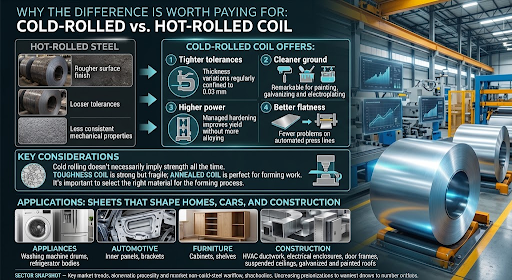
Cold Rolled Steel Coils: Grades, Thickness, Applications and Supplier Selection
- 0
- 1,370 word
Go into any kitchen, any automotive display room, any area of work, and you’ll find yourself amidst bloodless rolled metal and now...
Read out all
Why Your Roof Still Leaks After a Repair
- 0
- 743 words
The first heavy rain after a roof repair should not bring another wet patch on the ceiling. When it does, the immediate...
Read out all
Garage Door Safety Sensors: Small Checks That Prevent Big Problems
- 0
- 879 words
A garage door that refuses to close can turn an ordinary morning into a frustrating delay. Sometimes the cause is a leaf...
Read out all
Still Working, Still Unpaid: When Your Paycheck Is a Month Late
- 0
- 719 words
Rent is due, the grocery bill keeps growing, and another payday passes without a deposit. Meanwhile, you are still arriving on time...
Read out all
How to Prepare Your Home Before Professional Cleaners Arrive
- 0
- 705 words
Scrubbing the sink the evening before a cleaning appointment defeats the purpose of booking one. Leave the sink alone. The cleaning team...
Read out all
What Happens to Your Business After Everyone Goes Home
- 0
- 683 words
At 6:15 p.m., the last employee sets the alarm and heads home. Behind the building, a delivery gate remains open. A box...
Read out all