

- 0
- 952 words
A classic car sitting low to the ground can turn heads instantly, but an impressive appearance means little if the vehicle struggles over everyday roads. During a personalized classic car transformation, ride height is one of the most important decisions because it affects everything from handling and comfort to wheel clearance and overall appearance. Finding the right balance requires more than lowering the suspension until the car looks good in photographs.
The ideal ride height depends on how the vehicle will actually be used. A weekend cruiser, a regularly driven classic, and a dedicated show car may all require different setups. Understanding those differences early can prevent expensive modifications and frustrating performance issues later.
Start With the Roads, Not the Photograph
Before making suspension adjustments, consider the conditions the car will encounter. Speed bumps, uneven pavement, steep driveways, and parking entrances can all become obstacles when ground clearance is limited.
The lowest point underneath the vehicle deserves particular attention. Exhaust pipes, suspension brackets, and chassis crossmembers may sit considerably closer to the road than the body panels. Measuring these components provides a more realistic understanding of available clearance than simply checking the distance between the fenders and tires.
It also helps to distinguish between a parked stance and a practical driving position. Some suspension configurations allow the vehicle to sit dramatically low while stationary and return to a more usable height for driving. However, every adjustment should preserve adequate suspension movement and avoid placing unnecessary strain on mechanical components.
Think Beyond the Driveway When Planning Your Stance
A classic car’s ride height matters even when the vehicle isn’t being driven. Moving a lowered car between workshops, exhibitions, and storage facilities introduces challenges that owners sometimes overlook. A steep trailer ramp can damage low-mounted components before the journey even begins. For vehicles with expensive bodywork or carefully finished paint, protected transport for valuable cars can help reduce exposure to road debris and weather while providing specialized handling during relocation. However, appropriate loading angles and securement methods remain essential.
Before arranging transportation, measure the car’s lowest ground-clearance points and communicate any suspension modifications. Vehicles equipped with adjustable systems may require a specific loading position, while those with fixed suspensions might need extended ramps or hydraulic loading equipment. Planning these details beforehand reduces the possibility of damage during pickup and delivery.
Give the Suspension Enough Room to Work
Lowering a classic car changes more than its visual proportions. It also influences how the suspension responds to bumps, corners, and changes in road surface. If the vehicle sits too close to the limits of its suspension travel, even minor imperfections can cause harsh impacts or uncomfortable handling.
Suspension travel is particularly important because the wheels must move upward and downward without striking surrounding components. A vehicle may appear perfectly positioned while parked, only for the tires to contact the wheel arches during a sharp turn or over uneven pavement.
Different suspension systems offer different advantages. Adjustable coilovers can provide precise height and damping adjustments, while air suspension allows owners to change ride height according to driving conditions. Neither approach automatically guarantees a comfortable ride. Proper component selection, installation, and calibration are essential to achieving predictable performance.
Make Sure Your Wheels Have Room to Move
Wheel and tire selection plays a major role in determining the appropriate ride height. Larger wheels, wider tires, and aggressive offsets can transform a classic car’s appearance, but they may also create clearance problems when combined with substantial lowering.
Checking clearance while the vehicle is stationary is only the beginning. The front wheels need sufficient space throughout their steering range, and all four wheels must have room to move as the suspension compresses.
Tire rubbing can damage paint, compromise tire condition, and make driving unpleasant. Adjusting wheel offset, tire dimensions, or suspension height may solve these issues without abandoning the desired appearance. The goal is to create a combination that looks intentional while allowing the vehicle to operate safely.
Align the Car at Its Everyday Driving Height
One commonly overlooked consequence of changing ride height is its effect on suspension geometry. Lowering a car can alter camber, toe, and other alignment characteristics, potentially affecting steering response, tire wear, and straight-line stability.
For this reason, wheel alignment should be performed at the height the vehicle will normally use on the road. Aligning a car in an unusually raised or lowered position may produce settings that behave differently during everyday driving.
It is also worth inspecting steering linkages, bushings, and suspension joints before making final adjustments. Worn components can make accurate alignment difficult and may exaggerate handling problems introduced by height changes.
Test the Stance Before Calling It Finished
A successful suspension setup should feel just as convincing on the road as it looks in the garage. Once the desired height is established, the vehicle should be tested under realistic conditions rather than judged entirely by appearance.
Begin with gentle driving over familiar roads, paying attention to unusual noises, tire contact, excessive bouncing, or bottoming out. Check how the car handles turns, braking, and gradual changes in elevation. If problems appear, small adjustments can often make a noticeable difference.
After testing, inspect the underside, tires, and suspension components for signs of contact or excessive wear. Rechecking measurements and alignment after the suspension has settled can also help identify changes that were not obvious during installation.
The best ride height is ultimately a compromise between visual appeal and everyday usability. A thoughtfully lowered classic car should complement its original proportions, maintain predictable handling, and clear the obstacles it is likely to encounter. When appearance and functionality work together, the result is a vehicle that delivers satisfaction far beyond its first impression.
Author

Abdulbasit5809@gmail.com
Related Posts
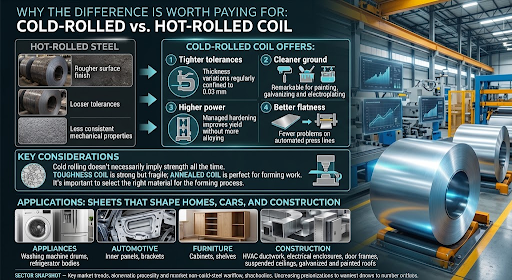
Cold Rolled Steel Coils: Grades, Thickness, Applications and Supplier Selection
- 0
- 1,370 word
Go into any kitchen, any automotive display room, any area of work, and you’ll find yourself amidst bloodless rolled metal and now...
Read out all
Why Your Roof Still Leaks After a Repair
- 0
- 743 words
The first heavy rain after a roof repair should not bring another wet patch on the ceiling. When it does, the immediate...
Read out all
Garage Door Safety Sensors: Small Checks That Prevent Big Problems
- 0
- 879 words
A garage door that refuses to close can turn an ordinary morning into a frustrating delay. Sometimes the cause is a leaf...
Read out all
Still Working, Still Unpaid: When Your Paycheck Is a Month Late
- 0
- 719 words
Rent is due, the grocery bill keeps growing, and another payday passes without a deposit. Meanwhile, you are still arriving on time...
Read out all
How to Prepare Your Home Before Professional Cleaners Arrive
- 0
- 705 words
Scrubbing the sink the evening before a cleaning appointment defeats the purpose of booking one. Leave the sink alone. The cleaning team...
Read out all
What Happens to Your Business After Everyone Goes Home
- 0
- 683 words
At 6:15 p.m., the last employee sets the alarm and heads home. Behind the building, a delivery gate remains open. A box...
Read out all