
- 0
- 839 words
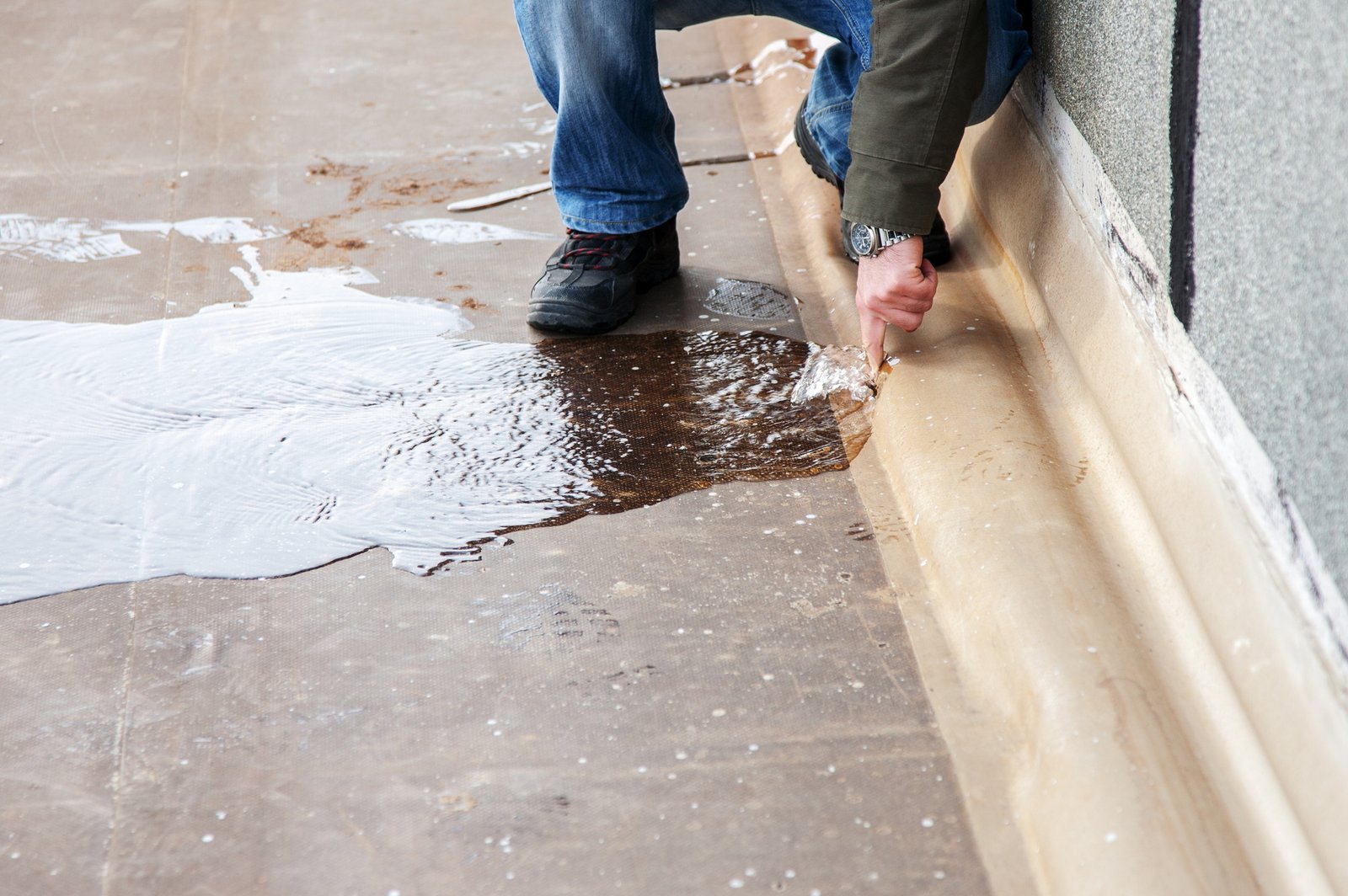
A mysterious damp spot on the floor or an unexpected increase in your water bill could signal trouble beneath your home. When a pipe starts leaking under a concrete foundation, repairing pipes under concrete floors requires careful investigation before any work begins. The challenge isn’t simply stopping the water. It’s finding the damaged section, choosing a reliable repair method, and preventing the same problem from returning.
Slab leaks occur when water lines beneath a building’s concrete foundation develop cracks, corrosion, or weakened connections. Because these pipes are hidden, damage can continue for weeks before anyone notices. Escaping water may saturate surrounding soil, damage flooring, encourage mold growth, and eventually contribute to foundation movement. Acting early can significantly reduce the extent of repairs.
The Warning Signs Beneath Your Feet
A slab leak rarely announces itself with an obvious burst pipe. Instead, homeowners often notice subtle changes that seem unrelated at first. Unexplained moisture, warm patches on flooring, reduced water pressure, or the sound of running water when fixtures are turned off can all indicate a hidden plumbing problem. Cracks in flooring and persistent musty odors may also develop as moisture spreads.
However, these symptoms don’t automatically confirm a slab leak. Water can travel considerable distances before becoming visible, making the actual source difficult to identify. Professional inspections typically begin with water meter checks and pressure testing, followed by acoustic detection equipment or thermal imaging when appropriate. These methods help narrow down the affected area without unnecessarily breaking through concrete.
Choosing a Repair That Addresses the Real Damage
Once the leak has been located, the next step is assessing the pipe’s overall condition. A small puncture in otherwise healthy plumbing presents a different challenge from extensive corrosion or multiple weakened joints. The choice of repair products for pipe leaks depends on factors such as pipe material, outside diameter, operating pressure, and installation conditions. Although clamps and couplings can provide effective solutions for certain damaged sections, not every fitting is approved for permanent use beneath a concrete foundation.
For isolated leaks, direct access repair may be appropriate. This involves carefully opening a small section of flooring and concrete above the damaged pipe. Once exposed, the compromised area can be repaired or replaced using materials compatible with the existing plumbing. The opening is then restored after the repair has been tested. Although this approach disrupts part of the floor, precise leak detection can help minimize unnecessary demolition.
Replacing a damaged pipe section is often preferable when corrosion extends beyond a single point. The affected length is removed, and new piping is connected with properly selected fittings. Couplings must match the pipe’s dimensions and material while meeting the requirements of the water supply system. An unsuitable connection can create another leak, particularly when buried piping is exposed to soil movement and constant moisture.
When Fixing the Pipe Means Taking a Different Route
Sometimes, reaching the damaged line is more disruptive than installing a replacement elsewhere. Pipe rerouting allows plumbers to bypass a compromised underground section by running new lines through accessible walls, ceilings, or other suitable spaces. This approach can be particularly useful when several leaks have occurred along the same aging pipe.
Another potential option is internal pipe rehabilitation, which uses specialized lining or coating techniques to address certain defects without extensive excavation. However, these methods have important limitations. Severely deteriorated pipes, collapsed sections, and certain plumbing materials may not be suitable candidates. Evaluating the entire affected line helps determine whether localized repair, rehabilitation, or replacement offers the most dependable result.
Why the Final Inspection Matters Just as Much
Stopping visible water loss doesn’t necessarily mean the plumbing problem has been completely resolved. Before closing an access opening, the repaired line should undergo appropriate pressure testing and inspection. This confirms that connections remain secure under operating conditions and helps identify additional weaknesses that might otherwise go unnoticed.
Restoring the surrounding area also deserves attention. Wet soil, insulation, flooring, or building materials may require drying or replacement before the space can be returned to normal. Where concrete has been removed, the opening must be properly restored according to structural requirements. Covering trapped moisture or rushing through restoration can allow secondary problems to develop long after the plumbing itself has been repaired.
Preventing Another Leak Before It Starts
Although underground pipes aren’t easily accessible for routine maintenance, homeowners can still reduce the likelihood of future problems. Maintaining appropriate water pressure, addressing unusual plumbing noises, and investigating unexpected increases in water consumption can help identify developing issues. Older plumbing systems may also benefit from a professional condition assessment, especially when previous leaks suggest widespread deterioration.
The most important lesson is that a slab leak isn’t simply a hole that needs sealing. It’s a plumbing failure that requires understanding the pipe’s condition, the surrounding environment, and the available repair options. Careful detection, suitable materials, and thorough testing can turn a potentially destructive problem into a manageable repair while helping protect the foundation for years to come.
Author

Abdulbasit5809@gmail.com
Related Posts

Cold Rolled Steel Coils: Grades, Thickness, Applications and Supplier Selection
- 0
- 1,370 word
Go into any kitchen, any automotive display room, any area of work, and you’ll find yourself amidst bloodless rolled metal and now...
Read out all
Why Your Roof Still Leaks After a Repair
- 0
- 743 words
The first heavy rain after a roof repair should not bring another wet patch on the ceiling. When it does, the immediate...
Read out all
Garage Door Safety Sensors: Small Checks That Prevent Big Problems
- 0
- 879 words
A garage door that refuses to close can turn an ordinary morning into a frustrating delay. Sometimes the cause is a leaf...
Read out all
Still Working, Still Unpaid: When Your Paycheck Is a Month Late
- 0
- 719 words
Rent is due, the grocery bill keeps growing, and another payday passes without a deposit. Meanwhile, you are still arriving on time...
Read out all
How to Prepare Your Home Before Professional Cleaners Arrive
- 0
- 705 words
Scrubbing the sink the evening before a cleaning appointment defeats the purpose of booking one. Leave the sink alone. The cleaning team...
Read out all
What Happens to Your Business After Everyone Goes Home
- 0
- 683 words
At 6:15 p.m., the last employee sets the alarm and heads home. Behind the building, a delivery gate remains open. A box...
Read out all