
- 0
- 1,948 word
Maintaining healthy teeth and gums is an important part of personal hygiene and overall well-being. A beautiful smile can improve confidence, support comfortable communication, and make everyday interactions more enjoyable. However, achieving and maintaining good oral health requires more than brushing occasionally or visiting a dental clinic only when pain develops. Regular hygiene practices, balanced nutrition, preventive examinations, and timely treatment all contribute to stronger teeth and healthier gums. A qualified dentist can help identify potential problems, recommend suitable treatments, and provide practical advice for maintaining oral health. By developing consistent habits and understanding the importance of preventive care, individuals can reduce the risk of common dental problems and protect their smiles throughout life.
Why Oral Hygiene Should Be a Daily Priority
Oral hygiene plays a significant role in protecting teeth, gums, and the soft tissues inside the mouth. Every day, bacteria combine with food particles and saliva to form plaque, a sticky layer that accumulates on tooth surfaces. If plaque is not removed regularly, it can contribute to cavities, gum inflammation, and unpleasant breath. Brushing twice daily with fluoride toothpaste and cleaning between teeth helps control plaque and maintain a healthier oral environment. A dentist can demonstrate proper brushing techniques and recommend appropriate oral care products based on individual needs. Establishing a consistent routine is one of the simplest ways to prevent avoidable dental problems and maintain a clean, comfortable mouth.
The Importance of Regular Dental Examinations
Routine dental examinations allow professionals to identify oral health concerns that may not produce obvious symptoms during their early stages. Small cavities, gum inflammation, worn fillings, and other conditions can gradually worsen if they remain untreated. During an examination, the dental professional evaluates the teeth, gums, bite, and surrounding tissues to determine whether additional care is necessary. Professional cleaning may also be recommended to remove hardened deposits that cannot be eliminated effectively through ordinary brushing. A dentist can explain the findings, discuss suitable treatment options, and suggest ways to improve daily hygiene. The recommended frequency of visits depends on individual risk factors, medical history, and existing dental conditions.
Effective Brushing Techniques for Healthier Teeth
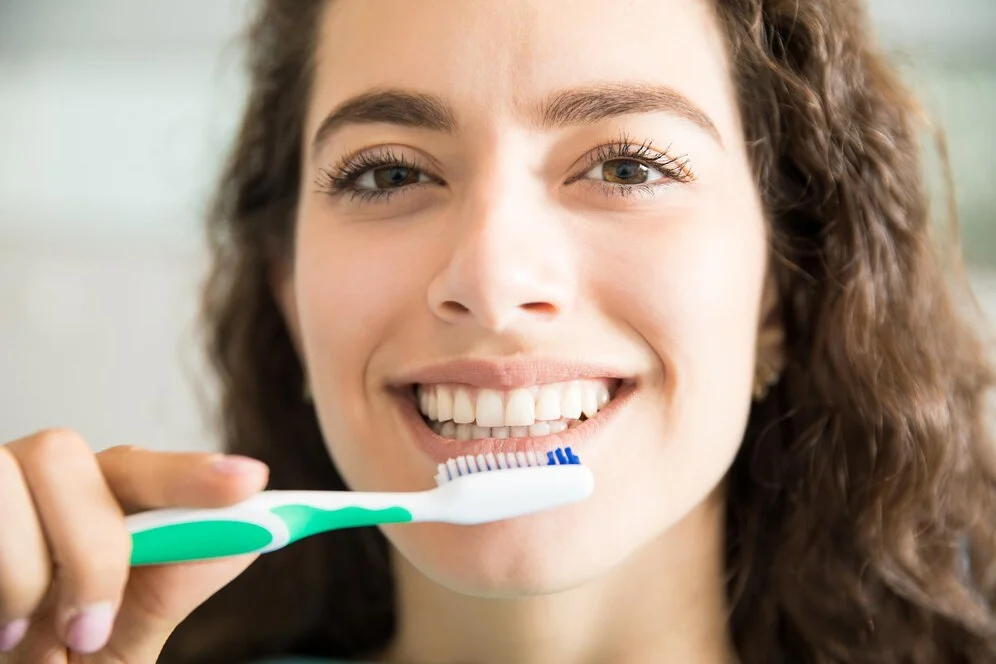
Brushing correctly is essential for removing plaque without irritating the gums or damaging tooth enamel. People should generally brush twice a day for two minutes using a soft-bristled toothbrush and fluoride toothpaste. Gentle circular movements help clean the tooth surfaces and gumline, while careful attention should be given to the back teeth and areas that are difficult to reach. Brushing too aggressively can contribute to gum recession and tooth sensitivity, so applying excessive pressure should be avoided. Replacing a toothbrush when its bristles become worn also supports effective cleaning. A dentist can recommend suitable brushing techniques for people with braces, sensitive teeth, gum recession, or other specific oral health concerns.
Why Flossing Is Essential for Complete Oral Care
Although brushing removes plaque from many tooth surfaces, it cannot effectively clean every narrow space between the teeth. Flossing helps remove trapped food particles and plaque from these areas, reducing the risk of cavities and gum inflammation. Cleaning between teeth once daily is an important addition to a regular brushing routine. People who find traditional dental floss difficult to use may benefit from interdental brushes or water flossers, depending on the spaces between their teeth and their oral health needs. A dentist can explain how to use these products correctly and help patients choose an appropriate option. Consistent cleaning between teeth supports healthier gums and helps maintain better oral hygiene over time.
Preventing Cavities Through Healthy Habits
Tooth decay develops when bacteria in plaque produce acids that gradually damage tooth enamel. Frequent exposure to sugary foods and drinks can increase this risk, especially when brushing and flossing habits are inconsistent. Limiting sugary snacks, drinking water regularly, and using fluoride toothpaste can help protect teeth from decay. It is also useful to avoid constantly sipping sweetened beverages throughout the day because repeated sugar exposure gives bacteria more opportunities to produce harmful acids. A dentist may recommend additional preventive treatments, such as fluoride applications or dental sealants, for individuals who have a higher risk of cavities. Early detection and consistent preventive care can reduce the likelihood of extensive dental treatment later.
Recognizing Common Signs of Gum Disease
Healthy gums are generally firm and do not regularly bleed during brushing or flossing. Redness, swelling, tenderness, and bleeding may indicate inflammation caused by plaque accumulation along the gumline. If gum disease progresses without appropriate treatment, it can damage the tissues and bone that support the teeth. Other warning signs may include persistent bad breath, gum recession, and loose teeth. Anyone experiencing these symptoms should arrange a professional evaluation rather than assuming the problem will disappear on its own. A dentist can assess the condition of the gums, recommend appropriate cleaning or periodontal treatment, and explain how daily hygiene habits can help prevent further damage.
How Nutrition Influences Dental Health
A balanced diet provides essential nutrients that support healthy teeth, gums, and surrounding tissues. Calcium-rich foods, including dairy products and certain leafy green vegetables, contribute to strong teeth and bones. Other nutrient-rich foods, such as eggs, nuts, fish, vegetables, and whole grains, can support overall health when included in a balanced eating pattern. Frequent consumption of sugary snacks and sweetened beverages, on the other hand, can increase the risk of cavities. Drinking water and choosing nutritious snacks between meals are practical ways to support oral health. A dentist can provide personalized dietary advice for people who experience recurring tooth decay, dry mouth, or other concerns influenced by their eating habits.
Professional Teeth Cleaning and Preventive Treatments
Professional teeth cleaning helps remove plaque and tartar that may accumulate despite regular brushing and flossing. Tartar is hardened plaque that cannot be removed effectively with a standard toothbrush, making professional cleaning an important part of preventive care. During an appointment, the dental professional may also examine the gums, assess oral hygiene, and identify areas that need additional attention. Depending on individual circumstances, preventive treatments may include fluoride applications, dental sealants, or specialized cleaning for gum disease. A dentist can determine which services are appropriate after reviewing the patient’s oral health and risk factors. Regular preventive appointments can help maintain healthier teeth while reducing the likelihood of certain dental complications.
Improving Your Smile With Cosmetic Dentistry
Cosmetic dentistry offers different options for people who want to improve the appearance of their teeth and smile. Common treatments include professional whitening, dental bonding, veneers, and orthodontic procedures designed to address particular aesthetic concerns. These treatments may help improve the appearance of stained, chipped, uneven, or slightly misaligned teeth. However, cosmetic procedures should be considered alongside oral health because untreated cavities and gum disease may need attention before aesthetic treatment begins. A dentist can evaluate the teeth, explain the available options, and discuss the potential benefits, limitations, and maintenance requirements of each procedure. Choosing appropriate treatment based on individual needs can help patients achieve a more confident smile while protecting long-term dental health.
Establishing Good Dental Habits During Childhood
Childhood is an important time to develop habits that support lifelong oral health. Parents and caregivers should help children brush their teeth properly, encourage daily cleaning routines, and limit frequent exposure to sugary foods and drinks. Regular dental visits allow professionals to monitor tooth development, identify cavities, and provide guidance about fluoride use and other preventive measures. Children should also learn that dental appointments are a normal part of maintaining health rather than something to fear. A dentist can advise parents about age-appropriate oral hygiene products, protective mouthguards for sports, and habits that may affect developing teeth. Building positive experiences early can help children become more confident and responsible about their dental care as they grow.
Maintaining Oral Health During Adulthood
Adults may face dental concerns related to lifestyle, medications, existing restorations, and changes in gum health. Busy schedules can make it tempting to postpone checkups, but delaying care may allow minor problems to become more complicated. Consistent brushing, flossing, balanced nutrition, and recommended professional examinations help protect natural teeth and maintain healthy gums. Adults should pay attention to symptoms such as persistent sensitivity, discomfort when chewing, bleeding gums, and damaged fillings. A dentist can assess these concerns and recommend suitable preventive or restorative treatment. People who smoke or use tobacco should also understand that these habits increase the risk of gum disease, tooth staining, and other serious oral health problems.
Modern Dental Treatments and Technology
Advances in dental technology have improved the diagnosis and treatment of many oral health conditions. Digital imaging, modern scanning systems, and improved restorative materials can help dental professionals examine teeth and plan appropriate procedures. Depending on the condition being treated, options may include fillings, crowns, root canal therapy, periodontal treatment, orthodontics, or tooth replacement. The most appropriate treatment depends on the diagnosis, the extent of damage, the condition of surrounding tissues, and the patient’s individual needs. A dentist can explain why a particular procedure is recommended and discuss possible alternatives, costs, and recovery expectations. Understanding these details helps patients make informed decisions and feel more prepared before beginning treatment.
Managing Dental Anxiety With Confidence
Dental anxiety can prevent people from seeking care even when they experience pain or notice concerning symptoms. Fear may develop because of previous uncomfortable experiences, concerns about treatment, or uncertainty about what will happen during an appointment. Communicating these concerns openly can help the dental team make the experience more comfortable. Patients may benefit from clear explanations, planned breaks, relaxation techniques, and appropriate pain management when necessary. A dentist can also discuss additional anxiety-management approaches for individuals who need extra support. Attending routine checkups rather than waiting until an emergency develops may gradually reduce fear and help patients feel more comfortable maintaining their oral health.
The Connection Between Oral Health and Overall Wellness
Oral health is closely connected to general well-being because dental problems can affect eating, speaking, sleeping, and everyday comfort. Tooth pain may interfere with rest, while untreated oral conditions can make chewing difficult and affect food choices. Certain medical conditions and medications may also influence gum health, saliva production, and the risk of tooth decay. People experiencing dry mouth or recurring oral problems should discuss these concerns with their healthcare professionals. A dentist can assess oral symptoms, recommend appropriate care, and explain how medical history may affect treatment decisions. Maintaining healthy teeth and gums supports comfortable daily activities and forms an important part of a comprehensive approach to personal health.
Choosing a Suitable Dental Professional
Choosing a suitable dental professional involves considering qualifications, experience, communication, hygiene standards, and the services available. Patients should feel comfortable asking questions about recommended procedures, expected results, potential risks, and treatment costs. Clear communication helps individuals understand their options and make decisions that suit their needs. It is also helpful to consider appointment availability, accessibility, and arrangements for urgent dental concerns. A dentist who emphasizes prevention and patient education can help people understand their oral health and establish realistic care goals. Developing a long-term professional relationship encourages regular examinations, timely treatment, and consistent attention to dental hygiene.
Conclusion
Strong teeth and healthy gums require consistent care, healthy lifestyle choices, and timely professional attention. Brushing twice daily, flossing regularly, choosing nutritious foods, limiting sugary snacks, and attending recommended dental appointments can help reduce the risk of common oral health problems. Recognizing symptoms early and seeking appropriate treatment can also prevent unnecessary discomfort and complications. A qualified dentist can provide personalized advice, identify potential concerns, and recommend preventive or restorative treatments when needed. By making oral hygiene a lasting daily habit, individuals can protect their natural teeth, maintain healthier gums, improve confidence, and enjoy the benefits of a brighter, healthier smile throughout life.
Author

thedailygurdian@gmail.com
Related Posts

Choosing the Right Forklift Solutions for Efficient Material Handling
- 0
- 2,402 words
Modern warehouses, distribution centers, manufacturing facilities, and industrial operations depend on reliable equipment to move products safely and efficiently. From unloading heavy...
Read out all
Maintaining a Healthy Plumbing System with Professional Sewer Solutions
- 0
- 2,751 words
A properly functioning sewer system is one of the most important parts of maintaining a safe, clean, and comfortable residential or commercial...
Read out all
Roof Tarping: Immediate Protection Against Roofing Damage and Water Intrusion
- 0
- 2,055 words
A damaged roofing system can expose an entire property to serious problems, especially when heavy rainfall, strong winds, or severe storms create...
Read out all
Improving Heating Performance and Indoor Comfort Through Professional Furnace Cleaning
- 0
- 2,645 words
Understanding Why Furnace Cleaning Is Essential A furnace is one of the most important components of a property’s heating system because it...
Read out all
Protecting Your Property Through Professional Leak Detection
- 0
- 2,317 words
Understanding the Importance of Leak Prevention Plumbing systems play an essential role in everyday comfort, providing a dependable supply of water for...
Read out all
Beyond the Foundation: Creating Exceptional Outdoor Spaces with Concrete Design
- 0
- 3,103 words
Concrete has become an essential material in modern residential landscaping because it combines structural strength, design flexibility, and long-term practicality. Homeowners looking...
Read out all