
- 0
- 1,137 word
You brush, you floss when you can, and you still wonder if you are booking dental cleanings too often or not often enough. That uncertainty gets expensive fast, especially when you need a root canal in North Scottsdale. It also gets stressful, especially if your gums bleed a little, your teeth collect tartar no matter what you do, or it has been longer than you meant since your last visit.
The truth is simple. There is no single schedule that fits everyone. Some people do well with a cleaning every six months. Others need to come in more often because plaque builds up quickly, gum disease is already present, or health conditions raise the risk of dental problems. Knowing what drives that schedule helps you stop guessing and start protecting your teeth before small issues turn into painful ones.
Your Gum Health Often Sets the Teeth Cleaning Schedule
Gums tell a big part of the story. If your gums are healthy, pink, and not bleeding, a routine cleaning schedule may be enough. If your gums are swollen, tender, or bleed when you brush, your mouth may need more attention.
Early gum irritation can feel easy to ignore because it does not always hurt. That is what makes it tricky. Plaque along the gumline hardens into tartar, and once that happens, brushing at home will not remove it. If inflammation keeps building, it can lead to gum disease and bone loss around the teeth. The National Institute of Dental and Craniofacial Research explains how gum disease can progress quietly before people realize how serious it has become.
If you have gingivitis or a history of periodontal problems, a general dentist may recommend cleanings every three to four months instead of every six. That shorter gap helps control bacteria before your gums fall into the same cycle again.
Plaque and Tartar Buildup Can Happen Faster Than You Expect
Some people are meticulous at home and still collect tartar quickly. Saliva chemistry, crowding, old dental work, and brushing technique all play a part. You may notice rough spots behind your lower front teeth or along the outside of your upper molars. Those are common places for tartar to build.
This is where how often you need a professional teeth cleaning becomes personal, not generic. If your teeth stay fairly clean between visits, twice a year may work. If tartar returns fast, waiting six months can leave your gums irritated and increase the chance of cavities in hard to reach areas.
Daily care still matters. The NIH offers practical guidance on oral hygiene, and those basics do reduce the amount of buildup between appointments. Even strong home care has limits once tartar forms.
Your Medical History Can Change How Often You Need Dental Cleanings
Your mouth does not operate separately from the rest of your body. Diabetes, dry mouth, smoking, pregnancy, immune system conditions, and certain medications can raise your risk for gum problems and decay. When saliva drops, bacteria and acids stay on the teeth longer. When blood sugar is not well controlled, gums often struggle too.
You might feel like you are doing something wrong when these problems keep coming back. Often, you are not. Your body is creating conditions that make dental disease easier to start and harder to control.
The NIH notes that gum disease is linked with several health factors, which is why your cleaning schedule should reflect your full health picture. A person with dry mouth and frequent cavities may need preventive visits more often than someone with no decay for years.
Your Cavity Risk and Dental History Matter More Than a Standard Rule
If you have had several cavities, crowns, or fillings, your risk profile is different from someone with a long history of stable teeth. Past treatment often points to future needs. Deep grooves in molars, crowded teeth, exposed roots, and enamel wear can all make it easier for bacteria to settle in.
Think about two patients. One has not had a cavity in ten years and has healthy gums. The other has three fillings from the last two years and struggles to floss around tight contacts. Giving both the same cleaning schedule does not make much sense.
Dental cleaning frequency should reflect what your mouth has done over time, not just what the calendar says.
Your Habits and Lifestyle Influence Professional Cleaning Frequency
Smoking, frequent snacking, sugary drinks, grinding, and inconsistent brushing all change what your teeth and gums deal with every day. So does wearing braces or clear aligners, because both can make plaque harder to remove.
This is not about blame. Life gets busy, routines slip, and some seasons are harder than others. If your schedule, diet, or stress level has changed, your cleaning needs may change too. A temporary shift to more frequent visits can help you get ahead of problems before they become expensive treatment plans.
Routine Home Care and Professional Cleanings Do Different Jobs
| Care Type | What It Helps With | What It Cannot Do Alone |
| Brushing twice a day | Removes soft plaque, freshens breath, lowers cavity risk | Cannot remove hardened tartar |
| Daily flossing or interdental cleaning | Cleans between teeth, reduces gum irritation | Cannot fully manage deep buildup below the gumline |
| Professional teeth cleaning | Removes tartar, checks gum health, catches problems early | Cannot replace daily home care habits |
| More frequent maintenance visits | Helps people with gum disease, heavy buildup, or high risk factors | Will not work well without steady home care between visits |
Three Steps You Can Take Right Now
Track what your mouth has been telling you. Bleeding gums, bad breath that lingers, tooth sensitivity, and fast tartar buildup are useful clues. Write them down before your next appointment so nothing gets missed.
Be honest about your habits and health changes. If you smoke, take medications that cause dry mouth, have diabetes, or have fallen out of your home care routine, say so. That information helps your dentist set a cleaning schedule that fits your real risk.
Ask for a personalized recall plan. Do not settle for a default answer. Ask whether you need visits every three, four, or six months, and ask why. A clear reason makes it easier to stick with the plan and budget for it.
The Right General Dentist Visit Schedule Protects More Than Your Smile
The right cleaning schedule can save you pain, time, and money. It can also calm that low grade worry that shows up when you know your mouth does not feel quite right. Professional teeth cleaning is not just a polish at the end of an exam. For many people, it is the point where gum disease is slowed down, cavities are caught early, and small problems stop growing.
If you are overdue or unsure how often you should be seen, schedule a visit with a general dentist and get a plan built around your gums, your teeth, and your health history.
Author

wildriseauthor@gmail.com
Related Posts
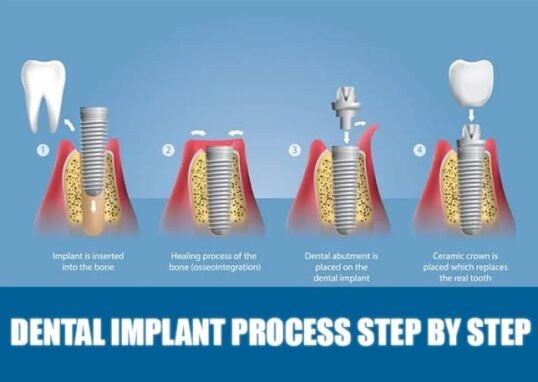
4 Steps Involved In The Implant Dentistry Process
- 0
- 1,123 word
Losing a tooth changes more than your smile. You start chewing on one side, hiding your teeth in photos, and wondering how...
Read out all
Top Considerations When Choosing a Podiatrist for Seniors
- 0
- 993 words
Foot pain, thickened toenails, or difficulty walking can make everyday activities harder for older adults. Choosing a podiatrist means finding someone who...
Read out all
Best Diet Plans and High Protein Recipes: A Practical Guide to Healthy Eating and Sustainable Fitness
- 0
- 1,755 word
In recent years, healthy eating has been a dominant topic of discussion in the wellness sphere. However, many people have a difficult...
Read out all
How a Family’s Journey Inspired a Passion for Organic Baby Products
- 0
- 2,107 words
Becoming a parent often changes the way people think about food, nutrition, and everyday products. Suddenly, ingredient labels become more important, product...
Read out all
Were You Fired Unfairly? Here’s What to Do Next
- 0
- 1,159 word
Losing a job is stressful enough without wondering whether your employer broke the law to get rid of you. Every year, thousands...
Read out all
The Enduring Legacy of Automotive Masterpieces on Your Walls
- 0
- 813 words
There is something genuinely captivating about the presence of a legendary supercar. For decades, automotive enthusiasts have found themselves drawn to the...
Read out all