
- 0
- 700 words
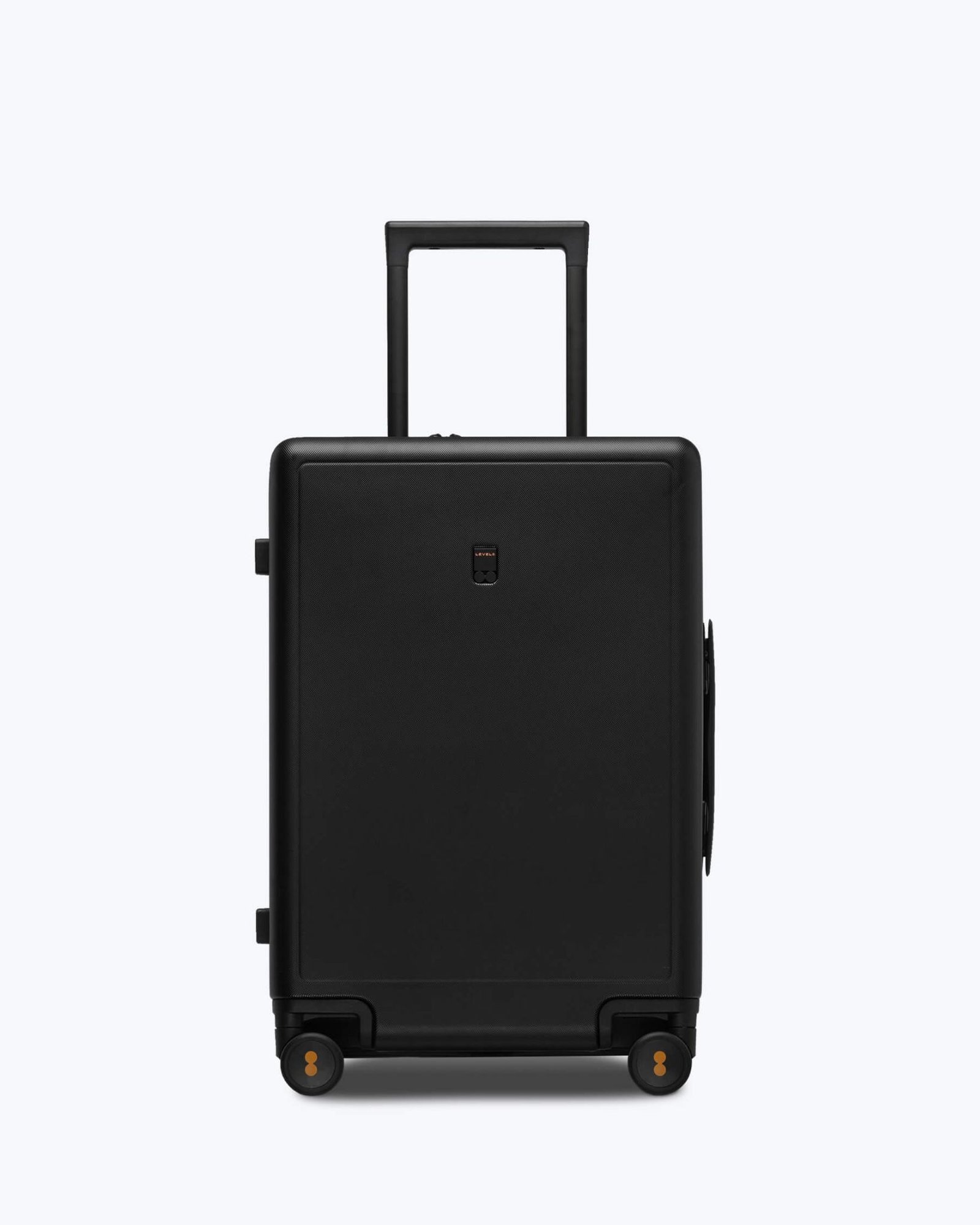
The best suitcase is not simply the one that holds the most. It should fit the plane, move easily through the terminal, and support the way its owner travels. A consultant changing cities every two days has different needs from a family taking one annual vacation. Before comparing colors or brands, browse carry on luggage with seven practical features in mind: compliant dimensions, low empty weight, reliable wheels, a stable handle, durable construction, useful organization, and dependable warranty support.
1. Airline-Friendly Size and Low Empty Weight
Start with the exterior measurements, including wheels and handles. A common maximum on major U.S. airlines is 22 by 14 by 9 inches, but limits vary by carrier, aircraft, and route. International and budget airlines may use smaller dimensions or enforce a weight cap. Frequent flyers should choose a case that works for the strictest airline they regularly use, rather than one that fits only after being squeezed into a sizer.
Empty weight matters, too. A light case leaves more of the allowance for clothes, shoes, and work gear, and it is easier to lift into an overhead bin. That benefit is especially meaningful for older or petite travelers and anyone managing a shoulder or back limitation. The goal is efficient construction, not simply the lowest number on a product page.
2. Smooth Wheels and a Handle That Stays Stable
Airport floors are easy. Carpeted jet bridges, cracked sidewalks, train platforms, and hotel thresholds reveal whether a suitcase really rolls well. Four spinner wheels suit business travelers and parents because the case can move beside the body through narrow aisles without straining the wrist. Larger, well-mounted wheels matter more than decorative wheel caps, while a two-wheel design may suit travelers who regularly cross cobblestones or uneven pavement.
The telescoping handle should lock securely at more than one height and show little twisting when the packed case changes direction. Tall travelers need enough extension to roll without hunching. Also check the top and side grab handles: balanced placement makes the bag easier to pull from a trunk, carry upstairs, or lift above shoulder level.
3. Durable Construction That Matches the Trip
There is no universally superior shell. Polycarbonate can provide impact protection without the weight of aluminum, making it practical for frequent flights and electronics. Aluminum offers a rigid frame but usually weighs more and may show dents. A quality softside case can be lighter, flexible, and convenient for travelers who want an exterior pocket.
The best luggage also has reinforced stress points: protected corners, securely mounted wheels, a firm handle assembly, and a closure that stays aligned when the case is full. Zippers offer flexibility and expansion; latch closures remove the zipper as a vulnerable point. Travelers carrying cameras, samples, or fragile gifts should prioritize structure, while occasional vacationers may value lower weight and flexibility.
4. Organization That Supports the Way You Pack
An interior should reduce friction, not create a puzzle. A wide clamshell layout works for vacationers who unpack at a hotel, while a top-opening design can be easier in small rooms where two open halves consume the floor. Compression panels hold clothing flat and create room without aggressive overpacking. Dividers separate clean items from shoes or laundry, and zippered pockets contain chargers and small accessories.
More pockets are not automatically better. Packing-cube users often need open volume, while business travelers may want space for shirts and documents. Expansion is useful for souvenirs, but measure the expanded case; added depth may push an otherwise compliant bag beyond an airline’s limit.
5. Warranty Support That Reflects Real Travel
A suitcase earns its value over repeated trips, so read the warranty before comparing prices. Look for clear coverage of functional failures involving wheels, handles, locks, shells, and frames, plus an understandable repair process. Cosmetic scuffs and airline damage are often excluded, and “lifetime” may describe the product’s expected life rather than the traveler’s.
Frequent flyers benefit from accessible replacement parts and repair service because downtime can matter as much as price. Infrequent travelers should still test the case at home. Pack it, roll it over carpet, lift it while loaded, try every handle position, and confirm that its packed dimensions fit the rules of the airlines you use.
Author

linguaezone.com@gmail.com
Related Posts

Essential Tips for Planning an Alaska Cruise
- 0
- 1,747 word
Alaska has a way of making ordinary travel expectations feel a little inadequate. One morning, you might be standing on a ship’s...
Read out all
How to Choose Reliable Movers in Abu Dhabi Without Regretting It Later
- 0
- 822 words
Moving day in Abu Dhabi has a way of exposing every gap in your planning. The service lift nobody booked, the parking...
Read out all
How Online Travel Declarations Make International Trips Easier
- 0
- 1,089 word
International travel has become more accessible thanks to modern technology, improved transportation, and online services. Travelers can now book flights, reserve hotels,...
Read out all
Experience Caribbean Comfort at South Bay Beach Club in Grand Cayman
- 0
- 2,709 words
Grand Cayman is a popular destination for travelers seeking beautiful beaches, turquoise waters, tropical scenery, and a relaxing Caribbean atmosphere. Whether you...
Read out all
10 Best Tree Trimming Companies In Lafayette, LA
- 0
- 1,883 word
Finding dependable tree trimming in Lafayette, LA, means looking beyond those who can cut branches. Mature live oaks, pines, pecans, magnolias, wet...
Read out all