
- 0
- 1,747 word
Alaska has a way of making ordinary travel expectations feel a little inadequate. One morning, you might be standing on a ship’s deck watching mist drift between forested mountains. By afternoon, you’re passing enormous glaciers or searching the shoreline for bears. Even the quiet moments can be memorable, particularly when the scenery changes around every bend.
Cruising offers a convenient way to explore Alaska’s coastal landscapes without repeatedly packing luggage or arranging transportation between destinations. Still, the experience requires some preparation. Weather conditions can change quickly, excursions vary considerably in physical demands, and the right clothing can make the difference between enjoying an afternoon outdoors and retreating inside because you’re uncomfortable. A little planning helps travelers spend less time worrying about logistics and more time appreciating the journey.
Choosing the Best Time to Visit Alaska
Alaska’s main cruise season generally runs from late spring through early fall, with most sailings taking place between May and September. Each part of the season offers a somewhat different experience, so choosing travel dates involves more than looking for the warmest weather.
May and early June often appeal to travelers interested in spring scenery and potentially quieter ports. Snow may still cover mountain peaks, creating dramatic contrasts against green forests and dark coastal waters. July and August are popular because of their relatively mild temperatures and long daylight hours, although rain remains possible. September can bring beautiful autumn colors in some areas, but shorter days and unsettled weather become more common.
Wildlife viewing also varies throughout the season. Whale sightings are possible during much of the cruising period, while salmon runs and bear activity depend on the location and time of year. Travelers hoping to see particular animals should research seasonal patterns rather than assuming every excursion offers the same opportunities.
Understanding Alaska’s Cruise Routes
Most Alaska cruises follow itineraries through the Inside Passage, the protected coastal waterways stretching along southeastern Alaska and parts of British Columbia. These routes feature forested islands, mountain scenery, fishing communities, and opportunities to visit historic port towns.
Round-trip sailings from Seattle or Vancouver can be convenient for travelers who prefer returning to their original departure city. One-way itineraries, sometimes called Gulf of Alaska cruises, generally travel between Vancouver and ports such as Whittier or Seward. These voyages may offer opportunities to extend the trip into Alaska’s interior.
Popular stops include Juneau, Ketchikan, and Skagway, but the experience differs significantly between them. Juneau provides access to glaciers and whale-watching excursions, Ketchikan is known for its coastal setting and cultural attractions, and Skagway offers a glimpse into the Klondike Gold Rush era.
Before booking, examine how long the ship remains in each port. A destination listed on the itinerary doesn’t necessarily mean you’ll have enough time for every activity that interests you.
Packing for Changing Weather Conditions
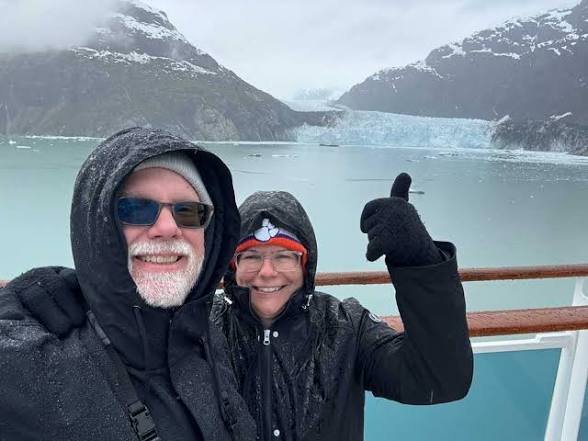
One of the biggest surprises for first-time Alaska cruisers is how much the weather can change throughout a single day. Sunshine might give way to cold wind or steady rain, particularly when the ship approaches a glacier or enters an exposed stretch of water.
Creating an Alaska cruise packing list before departure helps travelers prepare for these variations without filling their suitcases with unnecessary clothing. The most useful approach is layering. Start with comfortable shirts or moisture-wicking base layers, add a fleece or insulated jacket, and carry a waterproof outer layer that protects against rain and wind.
Water-resistant walking shoes with good traction are particularly valuable during shore excursions. Comfortable socks, a warm hat, and lightweight gloves can also make outdoor viewing more enjoyable.
Don’t forget clothing for the ship itself. Indoor spaces are generally climate-controlled, and evening dress expectations vary by cruise line. Checking the operator’s dress guidelines can prevent unnecessary packing.
Choosing a Cabin That Fits Your Travel Style
Cabin selection can influence both comfort and cost. Interior cabins are generally more affordable, while oceanview rooms provide natural light and exterior scenery. Balcony cabins offer private outdoor space, which many travelers appreciate when sailing through scenic waterways.
However, a balcony isn’t essential for enjoying Alaska. Ships typically have public observation decks, lounges, and outdoor viewing areas where passengers can watch the landscape.
Consider how much time you expect to spend in your room. Travelers planning full days of excursions and onboard activities may be perfectly comfortable with an interior cabin. Those who enjoy quiet mornings with coffee and mountain views might place greater value on a balcony.
Location matters, too. Cabins near elevators or busy public areas can experience more foot traffic, while rooms at certain points on the ship may feel more movement in rough conditions.
Planning Glacier Viewing Opportunities
Glaciers are among Alaska’s most impressive natural attractions, but not every itinerary visits the same areas. Some cruises include scenic sailing near Glacier Bay, Hubbard Glacier, or other glacier-filled waterways.
These experiences can be highlights of the trip. Massive walls of ice rise above the water, and passengers may hear distant cracking sounds as sections shift or break away.
However, glacier viewing depends on weather, ice conditions, navigational restrictions, and the ship’s route. Captains may adjust plans when necessary for safety.
Bring binoculars and keep a warm jacket nearby, even if the day begins pleasantly. The air can feel considerably colder near large ice formations.
It’s also worth exploring different observation areas around the ship. A sheltered lounge may offer excellent views when conditions become uncomfortable outside.
Making the Most of Shore Excursions
Alaska’s ports offer activities ranging from gentle sightseeing tours to demanding outdoor adventures. Popular options include whale watching, glacier hikes, kayaking, scenic railway journeys, and guided wildlife excursions.
The right excursion depends on your interests, physical abilities, and comfort level.
For example, a whale-watching trip may appeal to travelers interested in marine wildlife, while a guided walking tour could be better for someone who wants to learn about local history. More adventurous passengers may prefer kayaking or hiking in coastal wilderness areas.
Review excursion descriptions carefully, including walking distances, accessibility requirements, and weather-related restrictions.
Some activities sell out, particularly during peak season. Booking important experiences in advance can provide peace of mind, although independent excursions should allow sufficient time to return to the ship before departure.
Watching Wildlife Responsibly
Alaska’s wildlife is a major attraction, but sightings should never be treated as guaranteed. Whales, sea otters, bald eagles, bears, and other animals move according to natural patterns that don’t follow cruise schedules.
Binoculars can make wildlife viewing much more rewarding. They allow passengers to observe animals from a respectful distance without disturbing them.
During excursions, follow the guidance of local operators and wildlife professionals. Avoid approaching animals, feeding them, or leaving designated viewing areas.
Photographers should also be realistic about equipment. A smartphone can capture beautiful landscapes, but distant wildlife often requires a camera with a suitable zoom lens.
Sometimes the best experience is simply watching an animal through binoculars rather than trying to capture the perfect photograph.
Preparing for Long Days and Busy Ports
Alaska’s extended summer daylight can make it surprisingly easy to lose track of time. You may finish dinner and discover that the sky still looks bright enough for an afternoon walk.
This extra daylight creates wonderful opportunities for sightseeing, but travelers should maintain reasonable sleep schedules.
Port days can also become exhausting when several excursions are booked back-to-back. Consider balancing active outings with quieter experiences.
A morning whale-watching excursion followed by an afternoon exploring local shops may be more enjoyable than trying to squeeze three demanding activities into one day.
Remember that weather can influence energy levels, particularly when you’re spending hours outdoors in cool, damp conditions.
Allowing time to rest makes the trip more enjoyable.
Understanding What’s Included in Your Fare
Cruise fares often cover accommodations, meals in designated dining venues, entertainment, and transportation between scheduled ports. However, additional expenses can accumulate.
Specialty restaurants, alcoholic beverages, internet access, gratuities, and certain onboard activities may cost extra depending on the cruise line and fare package.
Shore excursions can represent a particularly significant expense in Alaska, especially activities involving helicopters, small aircraft, or specialized guides.
Review the fare details before booking and create a realistic budget for optional experiences.
Some packages include drinks, internet access, or other benefits, but their value depends on how much you’ll actually use them.
Comparing the total trip cost is more useful than focusing only on the advertised cabin price.
Taking Care of Travel Documents and Logistics
Travel documentation requirements depend on citizenship, itinerary, departure port, and the countries visited. Some Alaska cruises include Canadian ports, while others begin or end in different countries.
Passengers should verify passport, identification, and entry requirements directly with the cruise line and relevant government authorities.
Arriving in the departure city at least a day early is often sensible, particularly when flights involve connections. A delayed flight on embarkation day can create serious complications.
Travel insurance may also be worth considering, especially when the trip includes expensive excursions or nonrefundable transportation.
Read policy terms carefully because coverage varies.
A few practical preparations can prevent minor travel disruptions from becoming major problems.
Making Time to Enjoy the Ship
With so much attention on Alaska’s scenery, it’s easy to forget that the ship itself is part of the vacation.
Many vessels offer educational presentations, observation lounges, live entertainment, fitness facilities, and restaurants with views of the surrounding landscape.
Some cruises feature naturalists or guest speakers who explain local wildlife, geology, and regional history.
These presentations can add context to what passengers see outside.
On scenic sailing days, resist the temptation to fill every hour with scheduled activities. Find a comfortable viewing area, bring a warm drink, and watch the coastline pass.
The quieter moments often become some of the most memorable parts of an Alaska cruise.
Enjoying Alaska With Confidence
An Alaska cruise combines remarkable scenery, coastal communities, wildlife opportunities, and the convenience of traveling between destinations without constantly changing accommodations.
Preparation makes the experience easier. Choosing the right itinerary, packing versatile clothing, budgeting for excursions, and understanding travel requirements all contribute to a smoother journey.
Yet flexibility is just as important as planning. Weather may change, wildlife may appear unexpectedly, and the most memorable view might arrive when you least expect it.
Give yourself enough time to enjoy those moments. Alaska is a destination where the journey itself deserves as much attention as the places you visit.
Author

hyderghumro3@gmail.com
Related Posts

Best Carry-On Luggage for Travel: 5 Features That Matter
- 0
- 700 words
The best suitcase is not simply the one that holds the most. It should fit the plane, move easily through the terminal,...
Read out all
How to Choose Reliable Movers in Abu Dhabi Without Regretting It Later
- 0
- 822 words
Moving day in Abu Dhabi has a way of exposing every gap in your planning. The service lift nobody booked, the parking...
Read out all
How Online Travel Declarations Make International Trips Easier
- 0
- 1,089 word
International travel has become more accessible thanks to modern technology, improved transportation, and online services. Travelers can now book flights, reserve hotels,...
Read out all
Experience Caribbean Comfort at South Bay Beach Club in Grand Cayman
- 0
- 2,709 words
Grand Cayman is a popular destination for travelers seeking beautiful beaches, turquoise waters, tropical scenery, and a relaxing Caribbean atmosphere. Whether you...
Read out all
10 Best Tree Trimming Companies In Lafayette, LA
- 0
- 1,883 word
Finding dependable tree trimming in Lafayette, LA, means looking beyond those who can cut branches. Mature live oaks, pines, pecans, magnolias, wet...
Read out all