
- 0
- 1,054 word
Cold weather has a way of revealing vehicle problems that went unnoticed during warmer months. A battery that worked perfectly in summer may struggle to start the engine, while worn tires can become a serious concern on slippery roads. These issues deserve particular attention when purchasing from dealers who focus on used vehicles instead of new, since a vehicle’s previous maintenance can affect how well it handles seasonal changes. Whether you’ve recently purchased a used car or have driven the same one for years, preparing it for winter can prevent unexpected breakdowns and expensive repairs.
Don’t Wait for a Dead Battery to Take Action
Few things are more frustrating than turning the key on a freezing morning and hearing nothing but a clicking sound. Cold temperatures slow the chemical reactions inside a car battery, reducing its ability to deliver the power needed to start the engine.
Older batteries are particularly vulnerable, especially when they have already experienced several years of use. Before winter arrives, have the battery tested to determine whether it can hold a sufficient charge.
Inspect the terminals for corrosion and make sure the connections are secure. If the engine cranks slowly or the headlights appear unusually dim, investigate the problem before temperatures drop further.
Your Tires and Brakes Deserve Extra Attention
Tires are the only parts of your vehicle that maintain direct contact with the road, making their condition especially important during winter.
As temperatures fall, tire pressure decreases naturally. Underinflated tires can affect handling, increase wear, and reduce fuel efficiency. Check the pressure when the tires are cold and follow the manufacturer’s recommendations rather than the maximum pressure printed on the tire itself.
Tread depth matters just as much. Worn tires struggle to maintain traction on wet, icy, or snow-covered surfaces. Drivers who regularly encounter freezing conditions should consider whether dedicated winter tires would provide better grip.
Brakes also need attention. Squealing noises, unusual vibrations, or longer stopping distances may indicate worn components. Addressing these warning signs before winter helps reduce the risk of losing control when road conditions become unpredictable.
Check the Fluids That Keep Everything Running
Your vehicle depends on several fluids to operate properly, and cold temperatures can affect their performance.
Engine oil is particularly important because it becomes thicker as temperatures decrease. Using the viscosity recommended in your owner’s manual helps maintain lubrication during cold starts. An oil change may also be necessary if the vehicle is approaching its regular service interval.
Coolant deserves equal attention. Despite its name, coolant protects the engine against both overheating and freezing. Check its level and have its condition and antifreeze concentration tested when necessary.
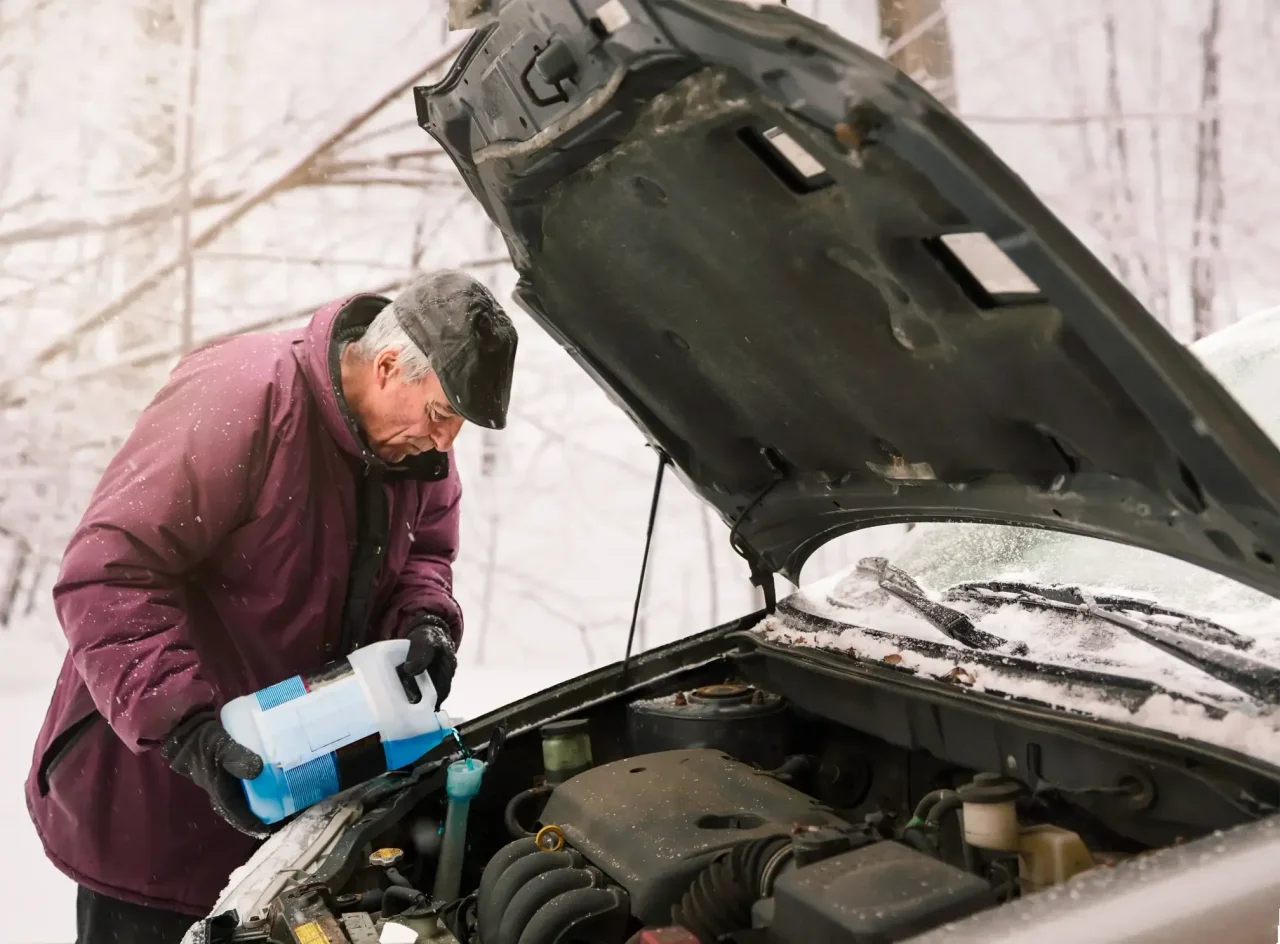
Windshield washer fluid should also be suitable for freezing temperatures. Ordinary water or summer washer fluid can freeze inside the reservoir or lines, leaving you unable to clean the windshield when visibility is already poor.
Clear Windows Are Just as Important as Working Headlights
Winter driving often means dealing with fog, rain, frost, and shorter daylight hours. Even a mechanically reliable vehicle becomes unsafe when the driver cannot see clearly.
Inspect your windshield wipers for cracks, stiffness, or streaking. Replace them if they no longer clear the glass effectively. Test the heater and defroster to confirm they can remove condensation and frost.
Headlights, brake lights, and turn signals should all function correctly. Clean cloudy light covers and replace faulty bulbs promptly.
A dirty cabin air filter can also restrict airflow through the heating and ventilation system. Replacing a clogged filter may help the defroster work more effectively.
Look Beneath the Hood for Hidden Wear
Used vehicles may have aging components that become more vulnerable as temperatures change. Rubber hoses, belts, and seals can deteriorate over time, particularly when regular maintenance has been neglected.
Inspect visible hoses for cracks, swelling, or leaks. Drive belts should be checked for fraying, unusual wear, or squealing noises.
Pay attention to any fluid spots beneath the parked vehicle. Small leaks may indicate problems that should be repaired before they develop into larger mechanical failures.
A professional inspection is especially worthwhile for older vehicles or cars with incomplete maintenance records. Identifying worn components early often costs less than dealing with a breakdown later.
Buying a Used Car Before Winter? Inspect More Than Its Appearance
A clean interior and shiny exterior can make a used vehicle appealing, but neither tells the complete story about its mechanical condition.
Before purchasing, review available maintenance records and ask when the battery, tires, brakes, and major fluids were last serviced. A vehicle history report can provide useful background, although it does not replace a mechanical inspection.
A test drive should include checking how the engine starts, how the brakes respond, and whether the heating system works correctly. Listen for unfamiliar noises and watch for dashboard warning lights.
Whenever possible, arrange an independent inspection before committing to the purchase. A qualified mechanic may identify problems that are difficult to notice during a brief drive.
Keep a Few Essentials Ready for Unexpected Trouble
Even a well-maintained vehicle can experience difficulties during severe winter weather. Preparing for emergencies makes unexpected delays easier to manage.
Keep a flashlight, warm blanket, phone charger, and basic first-aid kit inside the vehicle. In areas where snow and ice are common, an ice scraper, small shovel, and appropriate traction aids can also prove useful.
Check the spare tire, if equipped, and confirm that the necessary tire-changing equipment is available. Drivers should also know whether their vehicle has a spare tire or a tire repair kit.
Before longer journeys, check weather forecasts and road conditions. Keeping the fuel tank adequately filled, or maintaining a sufficient battery charge in an electric vehicle, provides an additional margin of safety if travel takes longer than expected.
A Little Preparation Makes Winter Driving Easier
Winter maintenance doesn’t have to involve expensive repairs or complicated procedures. Many of the most important precautions begin with simple inspections and addressing small problems before they become serious.
For used car owners, understanding the vehicle’s condition and staying consistent with maintenance are especially valuable. A reliable battery, healthy tires, effective brakes, and properly maintained fluids can make the difference between a stressful winter commute and a comfortable, dependable drive.
Taking care of these essentials before temperatures fall helps protect both the vehicle and everyone traveling inside it.
Author

Abdulbasit5809@gmail.com
Related Posts
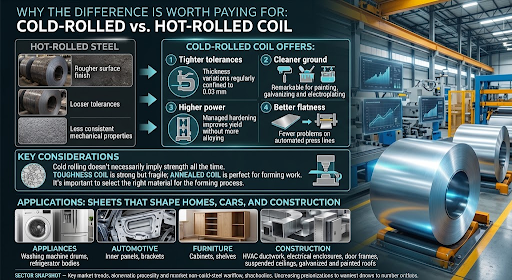
Cold Rolled Steel Coils: Grades, Thickness, Applications and Supplier Selection
- 0
- 1,370 word
Go into any kitchen, any automotive display room, any area of work, and you’ll find yourself amidst bloodless rolled metal and now...
Read out all
Why Your Roof Still Leaks After a Repair
- 0
- 743 words
The first heavy rain after a roof repair should not bring another wet patch on the ceiling. When it does, the immediate...
Read out all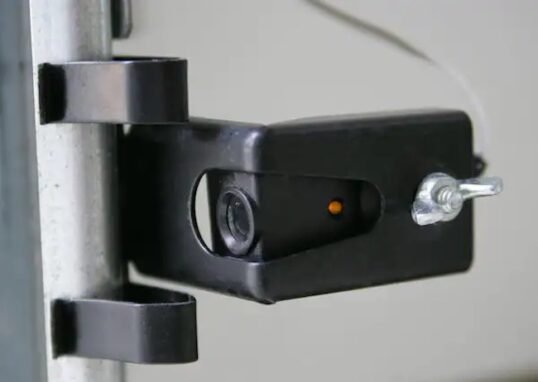
Garage Door Safety Sensors: Small Checks That Prevent Big Problems
- 0
- 879 words
A garage door that refuses to close can turn an ordinary morning into a frustrating delay. Sometimes the cause is a leaf...
Read out all
Still Working, Still Unpaid: When Your Paycheck Is a Month Late
- 0
- 719 words
Rent is due, the grocery bill keeps growing, and another payday passes without a deposit. Meanwhile, you are still arriving on time...
Read out all
How to Prepare Your Home Before Professional Cleaners Arrive
- 0
- 705 words
Scrubbing the sink the evening before a cleaning appointment defeats the purpose of booking one. Leave the sink alone. The cleaning team...
Read out all
What Happens to Your Business After Everyone Goes Home
- 0
- 683 words
At 6:15 p.m., the last employee sets the alarm and heads home. Behind the building, a delivery gate remains open. A box...
Read out all