
- 0
- 1,326 word
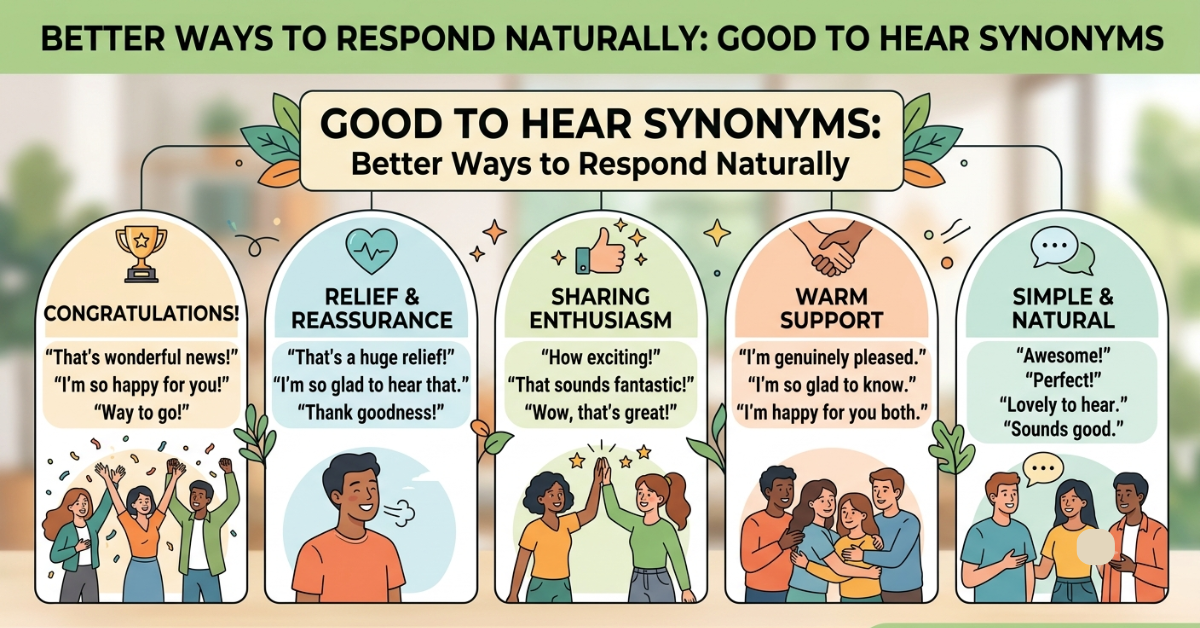
Have you ever replied with “good to hear” so many times that it started to feel a little flat? In everyday conversation, small phrases matter more than we realize. That is why learning good to hear synonyms can make your replies sound warmer, more natural, and more thoughtful.
In this guide, you will learn different ways to say “good to hear,” when to use each variation, and how to match your tone to the situation. Whether you are chatting with a friend, replying to a colleague, or writing a message, the right phrase can make your response feel more genuine.
What Does “Good to Hear” Mean?
“Good to hear” is a polite, friendly phrase used to show that you are pleased by what someone has said. It often works as a brief reaction to positive news.
For example:
- “I finally finished my project.”
- “Good to hear!”
It is simple, supportive, and easy to use. But because it is so common, people often look for fresh alternatives that sound more personal or expressive. That is where good to hear synonyms become useful.
Best Good to Hear Synonyms for Everyday Use
Not every situation calls for the same reply. Some moments need a warm reaction, while others need a more professional tone. Here are some of the most useful alternatives.
1. That’s great to hear
This is one of the closest and most natural replacements. It feels friendly without sounding too formal.
Example:
“That’s great to hear. I’m glad things worked out.”
2. I’m glad to hear that
This phrase is slightly warmer and more personal. It works well in both casual and professional settings.
Example:
“I’m glad to hear that your interview went well.”
3. Wonderful news
This is a cheerful option that works best when someone shares truly positive information.
Example:
“You got the promotion? Wonderful news!”
4. That’s reassuring
Use this when the news eases a worry or concern rather than just being exciting.
Example:
“That’s reassuring to hear. Thanks for updating me.”
5. I’m happy to hear that
This is a pleasant, supportive response that feels sincere and kind.
Example:
“I’m happy to hear that you’re feeling better.”
6. Excellent
Shorter replies can still sound natural, especially in fast conversations.
Example:
“The client approved the design.”
“Excellent.”
7. Amazing to hear
This option adds a little more enthusiasm and works well for exciting news.
Example:
“You’re moving into your new place next week? Amazing to hear.”
8. That’s lovely to hear
This phrase has a soft, warm tone and is especially nice in personal conversations.
Example:
“That’s lovely to hear. I’m really happy for you.”
Choosing the Right Alternative for the Situation
The best good to hear synonyms depend on context. A phrase that works beautifully in a chat with a friend may sound too casual in a business email.
For casual conversations
Use friendly and natural phrases like:
- That’s great to hear
- I’m happy to hear that
- Amazing to hear
- That’s lovely to hear
These sound warm and relaxed.
For professional communication
Use polished options like:
- I’m glad to hear that
- That’s reassuring
- Excellent
- That’s great to hear
These are safe choices for workplace messages, client replies, and formal conversations.
For emotionally supportive responses
When someone shares personal or sensitive news, choose a response that feels sincere, not overly excited.
Good options include:
- I’m glad to hear that
- That’s reassuring
- I’m happy to hear that
Good to Hear Synonyms by Tone
Tone changes everything. The same message can feel supportive, energetic, polite, or formal depending on the wording.
Warm and friendly
- I’m happy to hear that
- That’s lovely to hear
- That’s great to hear
Professional and polite
- I’m glad to hear that
- That’s reassuring
- Excellent
Enthusiastic and positive
- Amazing to hear
- Wonderful news
- That’s fantastic
Calm and thoughtful
- That’s reassuring
- I’m glad to hear that
- Good news
Examples in Real Conversations
Here are a few natural examples showing how these alternatives work in real life.
Friend to friend
A: “I passed my driving test.”
B: “That’s amazing to hear!”
Coworker to coworker
A: “The presentation was approved by the manager.”
B: “I’m glad to hear that.”
Family conversation
A: “Grandma’s feeling much better today.”
B: “That’s wonderful to hear.”
Client or business message
A: “The revisions are complete and on schedule.”
B: “That’s reassuring. Thank you for the update.”
These examples show that good to hear synonyms are not just about variety. They help you sound more accurate, more human, and more emotionally aware.
Common Mistakes to Avoid
Using alternative phrases is easy, but tone still matters. Here are a few mistakes to watch for.
1. Overusing the same phrase
If every reply is “good to hear,” your communication may start to sound repetitive.
2. Using overly enthusiastic language for serious news
Saying “Amazing!” when someone shares a small relief or personal concern can feel off.
3. Sounding too cold
A one-word reply like “Okay” or “Fine” may come across as uninterested in some situations.
4. Choosing a phrase that does not match the setting
A casual phrase might feel awkward in a formal email, while a formal phrase may seem stiff in a friendly chat.
Practical Tips for Sounding More Natural
If you want your responses to feel authentic, keep these simple tips in mind:
- Match the phrase to the situation.
- Keep your reply short and sincere.
- Add a follow-up question when appropriate.
- Use emotional awareness, not just vocabulary.
- Vary your language depending on the person you are speaking to.
For example, instead of only saying “Good to hear,” you might say:
- “I’m glad to hear that. How are you feeling now?”
- “That’s great to hear. What’s next for you?”
- “Wonderful news. You must be relieved.”
Small additions like these make your reply feel much more human.
Key Takeaways
- “Good to hear” is a polite phrase used to respond positively to news.
- The best alternatives depend on tone, context, and relationship.
- Warm phrases work well in personal conversations, while polished ones suit professional settings.
- A thoughtful reply often sounds better than a generic one.
- Using varied expressions helps your communication feel natural and engaging.
FAQs About Good to Hear Synonyms
What is another way to say good to hear?
Common alternatives include “I’m glad to hear that,” “That’s great to hear,” and “I’m happy to hear that.” The best choice depends on whether the situation is casual, professional, or emotional.
Is “glad to hear that” formal or informal?
It can work in both settings. It is polite enough for professional use but still natural in everyday conversation.
What is a more professional way to say good to hear?
In professional communication, “I’m glad to hear that,” “That’s reassuring,” and “Excellent” are strong options. They sound polished without being too stiff.
Can I say “great to hear” in a text message?
Yes, it works well in texting and casual chats. It sounds friendly, simple, and natural.
What is a warm response instead of good to hear?
“That’s lovely to hear,” “I’m happy to hear that,” and “Wonderful news” are warmer alternatives. They feel more personal and emotionally supportive.
How do I avoid sounding repetitive when responding to news?
Use a mix of phrases based on tone and context. Rotating between good to hear synonyms helps your replies sound more genuine and less automatic.
Conclusion
“Good to hear” is useful, but it is far from your only option. With the right alternatives, you can sound more natural, more expressive, and more thoughtful in everyday conversation.
The best good to hear synonyms are the ones that fit the moment, whether you are being casual, professional, or supportive. Try a few of the phrases above in your messages and conversations, and you will quickly notice how much more polished your responses feel.
Author

linguaezone.com@gmail.com
Related Posts

I’m Patient: Understanding the Meaning, Mindset, and Power of Patience
- 0
- 1,816 word
I’m Patient: What Does It Really Mean? Have you ever found yourself waiting for something important and realized that getting frustrated will...
Read out all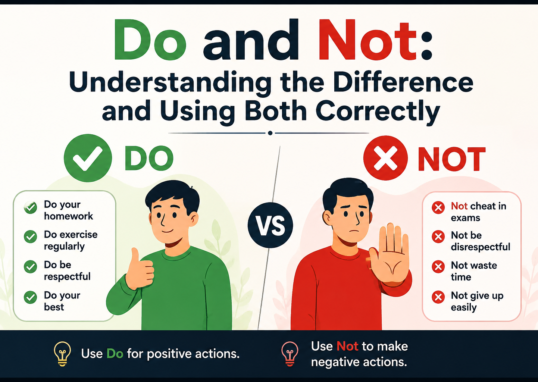
Do and Not: Understanding the Difference and Using Both Correctly
- 0
- 2,303 words
Introduction: Why “Do and Not” Matters in Everyday Communication Have you ever written a sentence and wondered whether you should use “do,”...
Read out all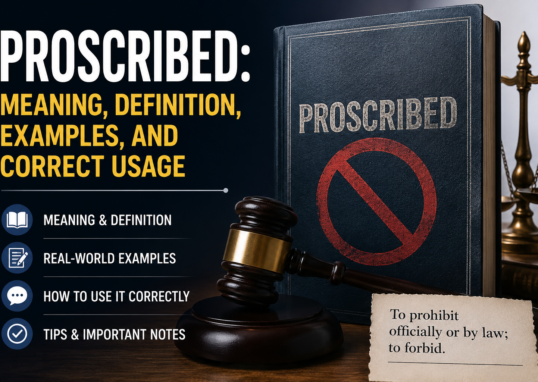
Proscribed: Meaning, Definition, Examples, and Correct Usage
- 0
- 2,338 words
Introduction: What Does “Proscribed” Mean? Have you ever come across the word proscribed and wondered what it actually means? It is one...
Read out all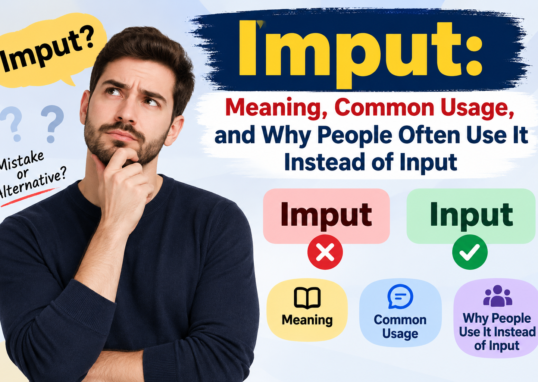
Imput: Meaning, Common Usage, and Why People Often Use It Instead of Input
- 0
- 1,592 word
What Does Imput Mean? Have you ever typed “imput” instead of “input” and wondered whether you made a mistake? You are certainly...
Read out all
Emaculate vs Demasculate: Understanding the Difference and Correct Usage
- 0
- 2,156 words
Introduction: Emaculate vs Demasculate Have you ever come across the words emasculate and demasculate and wondered whether they mean the same thing?...
Read out all
What Does LYK Mean in Text? Simple Guide
- 0
- 1,029 word
Ever received a message that says “LYK” and paused for a second? You are not alone. If you have been wondering what...
Read out all