
- 0
- 3,011 words
Creating a comfortable and attractive home involves more than choosing suitable furniture, decorating walls, and maintaining beautiful outdoor spaces. Windows also play an important role in determining how a home looks, feels, and performs throughout the year. Although natural sunlight can make interior spaces feel brighter and more welcoming, excessive sunlight can introduce unwanted heat, glare, fading, and privacy concerns. Large windows may allow considerable sunlight into living rooms, bedrooms, kitchens, and other areas, sometimes making these spaces uncomfortable during warmer periods. Homeowners looking for practical ways to improve their indoor environment often consider modern window films as an effective solution. Residential window tinting offers several advantages, including improved privacy, reduced glare, better temperature management, and protection against certain forms of ultraviolet radiation.
Window films are available in different shades, finishes, and performance levels, allowing homeowners to choose options that suit their property and personal preferences. Some films are designed primarily to reduce solar heat, while others focus on privacy, glare reduction, or decorative appearance. Advanced products can also help reduce ultraviolet exposure without significantly changing the appearance of the windows. Choosing the right solution requires an understanding of the property’s orientation, window type, existing glass condition, and individual household requirements. When professionally selected and installed, window tinting can become a valuable addition to a home’s overall comfort and maintenance strategy.
Understanding the Purpose of Residential Window Films
Window films are thin materials designed to be applied to suitable glass surfaces to modify certain properties of the window. Depending on their construction and technology, they can help manage sunlight, reduce glare, improve privacy, and limit the amount of solar heat entering a room. These films are available in several styles, including tinted, reflective, neutral, ceramic, and decorative varieties. Each option offers different performance characteristics, making it important to understand the intended purpose before selecting a product.
Traditional window coverings, such as curtains and blinds, can provide privacy and control incoming sunlight, but they may also block natural daylight when closed. Window films offer another approach by modifying the sunlight passing through the glass without requiring homeowners to cover their windows completely. This allows rooms to retain natural brightness while reducing certain unwanted effects of direct sunlight. The level of light transmission depends on the specific film selected, so homeowners should review product specifications before making a decision.
Another advantage is that window films can be applied to existing windows in many situations, meaning that homeowners may not need to replace their glass to achieve certain improvements. However, not every film is suitable for every window. Glass thickness, glazing type, existing coatings, window orientation, and thermal stress considerations can influence product compatibility. A professional assessment helps determine which films are appropriate for the property and reduces the possibility of installation-related problems.
Improving Indoor Comfort Throughout the Year
Indoor comfort is one of the main reasons homeowners consider window film installation. Sunlight entering through untreated glass can increase indoor temperatures, especially in rooms with large windows or strong afternoon exposure. This can make certain areas uncomfortable during warmer months and create uneven temperatures between different parts of the home. Solar-control films can help reduce the amount of solar energy passing through suitable windows, making interior spaces more comfortable.
The effectiveness of a window film depends on its solar performance, the type of glass, and the amount of sunlight reaching the window. Some advanced films are designed to reject a significant proportion of solar heat while maintaining relatively high levels of visible light transmission. This can be particularly useful in living rooms, bedrooms, home offices, and other areas where homeowners want natural daylight without excessive solar heating. Choosing a suitable product can help create a more balanced indoor environment.
Temperature consistency is another important consideration. Rooms with extensive glazing may experience noticeable differences in temperature compared with areas that receive less direct sunlight. Applying suitable solar-control films can help manage some of these differences by reducing solar heat gain through treated windows. Although window films cannot replace proper insulation or an efficient heating and cooling system, they can complement other energy-efficiency improvements and contribute to a more comfortable home.
Reducing Glare Without Losing Natural Light
Excessive glare can make everyday household activities more difficult. Bright sunlight reflecting from computer screens, televisions, mirrors, and polished surfaces may cause discomfort and reduce visibility. This problem is particularly noticeable in rooms with large windows or direct exposure to low-angle sunlight during certain parts of the day. Glare can affect people who work remotely, students who study at home, and families who spend considerable time using electronic devices.
Window films designed for glare reduction can help manage the intensity of incoming visible light. Depending on the product, they may reduce harsh brightness while allowing a useful amount of natural daylight to enter the room. This can improve visual comfort without requiring curtains or blinds to remain closed throughout the day. Different film shades provide different levels of light reduction, so homeowners should consider how much daylight they want to preserve.
Home offices are among the spaces where glare control can be particularly valuable. Employees working on laptops or desktop monitors may experience eye discomfort when sunlight falls directly onto screens. A suitable window film can help create a more consistent visual environment and make it easier to work near windows. Similar benefits may be appreciated in living rooms, dining areas, and entertainment spaces where glare can interfere with television viewing and other daily activities.
Enhancing Privacy in Residential Spaces
Privacy is an important concern for homeowners, particularly when windows face nearby properties, busy streets, shared pathways, or public areas. Curtains and blinds provide effective privacy when closed, but they can also reduce daylight and limit outdoor views. Certain window films offer an alternative by changing how glass appears from different viewing angles or by obscuring visibility through the window.
Reflective films are often selected because they can provide a more mirrored appearance under particular lighting conditions. However, their privacy performance depends heavily on the difference between indoor and outdoor brightness. During daylight, a brighter exterior may make it harder for people outside to see into a darker interior. At night, when interior lights are switched on and the outside environment is darker, the effect can reverse. For this reason, reflective films should not be considered a complete replacement for curtains, blinds, or other privacy solutions when nighttime privacy is essential.
Frosted and decorative films can provide a different approach to privacy. They are often suitable for bathroom windows, entrance doors, internal glass partitions, and other areas where maintaining privacy is more important than preserving a completely clear view. These films can allow diffused light to enter while reducing direct visibility. Homeowners can choose from various patterns, textures, and opacity levels to complement their interior design.
Protecting Furniture and Interior Finishes From UV Exposure
Sunlight can gradually affect the appearance and condition of interior furnishings. Carpets, wooden floors, curtains, upholstery, artwork, photographs, and decorative materials may experience fading or discoloration after prolonged exposure to sunlight. Ultraviolet radiation is one factor involved in this process, although visible light and heat can also contribute. Rooms with large windows or strong direct sunlight may be particularly vulnerable to gradual deterioration of exposed materials.
Many modern window films are designed to block a substantial proportion of ultraviolet radiation. This can help reduce one source of fading and provide additional protection for valuable household belongings. Homeowners with expensive furniture, decorative collections, artwork, or delicate fabrics may find this feature especially useful. Reducing UV transmission can also help create a more comfortable indoor environment for people who spend considerable time near windows.
It is important to understand that UV protection does not guarantee that furniture and other materials will never fade. Visible light, heat, material quality, and the duration of exposure can also influence fading. Nevertheless, selecting a suitable UV-reducing film can form part of a broader strategy for preserving interior finishes. Combining window films with appropriate window coverings and thoughtful furniture placement may provide additional protection over time.
Choosing the Right Type of Window Tint
Selecting the appropriate window film requires careful consideration because different products are designed to solve different problems. Dyed films are commonly used to change the appearance of glass and provide varying levels of light reduction. They may be suitable for homeowners who want a darker window appearance, although their heat-control performance depends on the product’s construction and specifications.
Metalized and reflective films use specialized layers that can reflect portions of incoming solar energy. These products may provide useful heat and glare control, but their appearance and compatibility should be evaluated carefully. Some metalized films can affect wireless signals or other electronic communication in particular circumstances, depending on their construction and the building’s setup. Homeowners should discuss these considerations with an experienced installer before selecting a product.
Ceramic window films are another option for residential applications. They use advanced ceramic materials and are often selected for their ability to provide solar-control performance without relying on highly reflective metallic finishes. Depending on the specific product, ceramic films may offer a balance between heat management, glare reduction, and natural light transmission. They are available in different performance levels, so comparing technical specifications is important.
Decorative and frosted films are primarily selected for appearance and privacy. They can introduce attractive patterns, create a softer visual effect, or obscure visibility in selected areas. These options are commonly used in bathrooms, glass doors, home offices, and internal partitions. The best product depends on whether the homeowner prioritizes privacy, appearance, solar control, or a combination of these benefits.
Supporting Energy Efficiency and Managing Utility Costs
Energy efficiency is an important consideration for households that want to maintain comfortable indoor temperatures without placing unnecessary demands on heating and cooling equipment. Windows can contribute to heat gain during warm weather and heat loss during colder periods, depending on their design and performance. Solar-control films may help reduce heat entering through exposed windows, which can support cooling efficiency under suitable conditions.
When sunlight heats interior spaces, air conditioning systems may need to operate for longer periods to maintain the desired temperature. Reducing solar heat gain can help moderate this additional load, particularly in rooms with extensive glazing. The potential savings depend on several factors, including climate, window orientation, existing glass performance, insulation quality, household energy usage, and the selected film’s specifications. Window films should therefore be considered one component of a wider energy-efficiency plan rather than a guaranteed method of reducing utility bills.
Homeowners may also benefit from evaluating the performance of their existing windows before selecting a film. Older single-pane windows, modern double-glazed units, and specialized coated glass can respond differently to solar-control products. An appropriate assessment can help identify the most suitable film and establish realistic expectations about its performance. Combining suitable window films with insulation improvements, weather sealing, and efficient heating and cooling equipment can provide a more comprehensive approach to household energy management.
Professional Installation and Its Importance
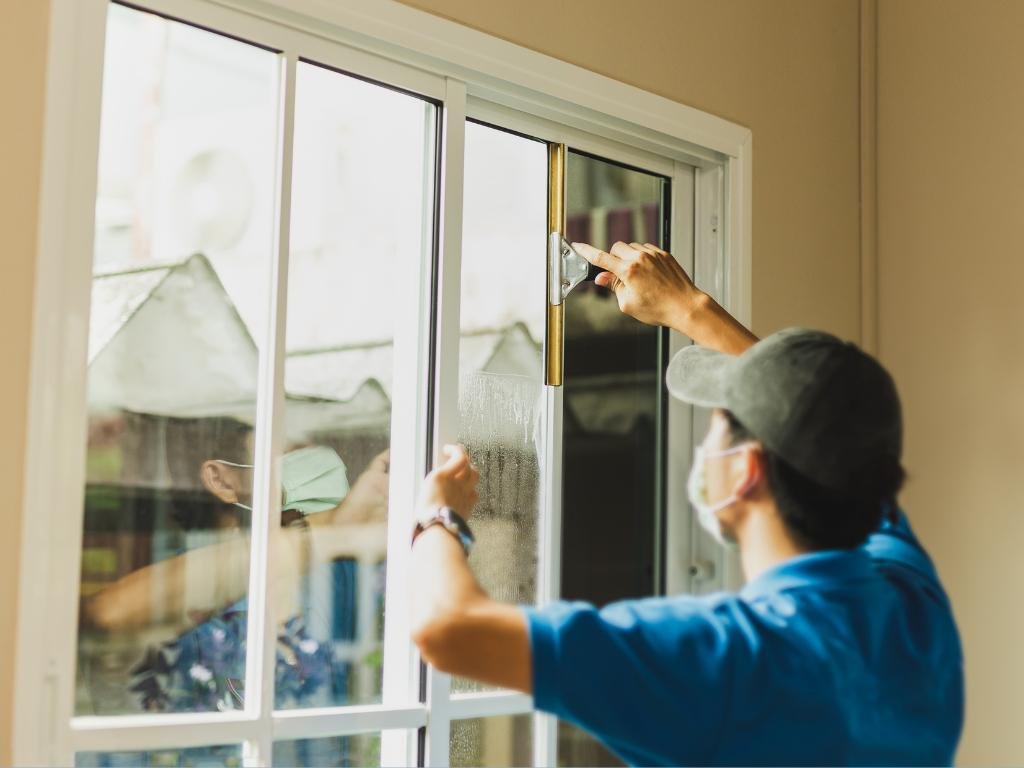
Although some window films are marketed for do-it-yourself installation, professional application can provide several advantages. Applying film evenly requires careful preparation, accurate measurements, appropriate tools, and attention to environmental conditions. Dust, dirt, fingerprints, and small particles trapped beneath the film can create visible imperfections. Poor alignment, trapped air, or incorrect cutting can also affect the appearance and performance of the finished installation.
Professional installers begin by examining the windows and checking whether the selected film is suitable for the glass. They may consider glazing type, existing coatings, window condition, exposure to sunlight, and manufacturer compatibility requirements. Once the appropriate product has been selected, the glass is cleaned thoroughly and the film is applied using suitable installation techniques. Correct positioning and finishing help create a smooth appearance while reducing the possibility of avoidable defects.
Professional installation is particularly important for large windows, difficult-to-access glass, and specialized glazing systems. Installers should also explain the expected drying or curing period, as some films may appear slightly cloudy or develop small moisture patterns during the initial curing process. Homeowners should follow the provided instructions and avoid disturbing the film before it has properly settled. Choosing an experienced installer can help improve the quality and durability of the finished result.
Maintaining Window Films for Long-Term Performance
Proper maintenance can help preserve the appearance and performance of residential window films. Although many modern products are designed for long-term use, their surfaces still require suitable cleaning practices. Using abrasive materials, harsh chemicals, or sharp tools may scratch or damage the film. Homeowners should follow the manufacturer’s recommendations regarding cleaning products and maintenance procedures.
A soft microfiber cloth and a suitable non-abrasive cleaning solution are often appropriate for routine maintenance, depending on the film manufacturer’s instructions. Excessive pressure should be avoided, especially around window edges and corners. Scrubbing with rough pads or using sharp objects to remove stubborn marks can damage the surface. Regular gentle cleaning is generally preferable to waiting until dirt and residue become difficult to remove.
It is also important to understand the warranty conditions associated with the selected film. Different manufacturers offer different coverage periods and requirements, and warranties may depend on correct product selection and professional installation. Homeowners should keep purchase documents, installation details, and warranty information in a safe place. If bubbling, peeling, discoloration, or unusual changes appear, contacting the installer or manufacturer can help determine whether the issue is related to installation, product performance, or another factor.
Understanding the Cost of Residential Window Tinting
The overall cost of a window film project depends on several factors, including the total glass area, film type, window accessibility, installation complexity, and condition of the existing windows. Basic decorative films may have different pricing from advanced ceramic or specialized solar-control products. Large windows, unusual shapes, high ceilings, and difficult access can also increase installation time and labor requirements.
The quality and performance of the selected film should be considered alongside its initial price. Lower-cost products may provide basic shading or privacy, while more advanced options may offer improved heat rejection, UV protection, or longer-term performance. Homeowners should compare technical specifications rather than relying exclusively on product names or appearance. Important details may include visible light transmission, total solar energy rejected, UV rejection, reflectivity, and manufacturer warranty information.
Requesting a detailed quotation can help homeowners understand the expected investment. A professional estimate should explain the film type, approximate coverage area, preparation requirements, installation charges, and any additional services. It is also useful to ask whether the quotation includes removal of old film or treatment of difficult window surfaces. Comparing complete proposals allows homeowners to evaluate overall value and choose a solution that meets their requirements and budget.
Residential Window Tinting for Different Areas of the Home
Different rooms have different lighting, privacy, and comfort requirements, so the most suitable film may vary throughout a property. Living rooms often contain large windows that provide attractive outdoor views but may also allow substantial sunlight into the space. A suitable solar-control film can help reduce glare and heat while maintaining natural brightness. Homeowners should consider the room’s orientation and the amount of direct sunlight it receives when choosing a product.
Bedrooms may require a stronger focus on privacy and comfortable sleeping conditions. Depending on the window’s location, homeowners may prefer films that reduce outside visibility or limit early morning sunlight. However, reflective films may not provide nighttime privacy when interior lighting is brighter than the outdoor environment. Combining appropriate window film with curtains or blinds can offer more flexible control.
Bathrooms and other private areas may benefit from frosted or decorative films. These products can obscure direct visibility while allowing natural light to enter. Kitchens and dining spaces may benefit from glare reduction and solar control, particularly when windows face strong sunlight. Home offices can also benefit from suitable films that reduce screen glare and create a more comfortable working environment. Selecting products according to each room’s requirements can provide a more balanced result throughout the property.
Common Mistakes to Avoid When Choosing Window Films
One common mistake is choosing a film based only on its darkness or appearance. A darker film does not automatically provide better heat rejection, and two products with similar appearances may have very different performance characteristics. Homeowners should review technical specifications and consider the actual purpose of the installation before making a purchase. Selecting a product based on performance rather than appearance alone can lead to more satisfactory results.
Another mistake is overlooking the compatibility of the film with existing glass. Certain films may not be appropriate for particular insulated, laminated, tempered, or specially coated windows. An unsuitable combination can increase thermal stress or create other glazing concerns. A professional installer should assess the window construction and confirm product compatibility before installation.
Some homeowners also expect window films to provide complete privacy under every lighting condition or eliminate all indoor heat. These expectations are unrealistic because film performance depends on several environmental and technical factors. Reflective privacy effects can change at night, and solar-control films cannot prevent heat entering through every part of a building. Understanding the limitations of each product helps homeowners make practical decisions and avoid disappointment.
Conclusion
Residential window tinting films provide homeowners with several opportunities to improve comfort, privacy, and the overall performance of their living spaces. From reducing excessive glare and managing solar heat to limiting ultraviolet exposure and protecting interior furnishings, suitable films can offer practical benefits without requiring complete window replacement in many situations. Different products are available to meet different needs, making it important to understand their performance characteristics before choosing an option.
Successful results depend on selecting a compatible film, using professional installation where appropriate, and following suitable maintenance procedures. Homeowners should consider window construction, room orientation, privacy requirements, energy efficiency goals, and long-term product performance when planning an installation. A carefully selected residential window tinting solution can complement existing curtains, blinds, insulation, and other home improvements. Ultimately, investing in suitable window films can help create a brighter, more comfortable, and more functional home while supporting the long-term care of interior spaces.
Author

thedailygurdian@gmail.com
Related Posts

Choosing the Right Forklift Solutions for Efficient Material Handling
- 0
- 2,402 words
Modern warehouses, distribution centers, manufacturing facilities, and industrial operations depend on reliable equipment to move products safely and efficiently. From unloading heavy...
Read out all
Maintaining a Healthy Plumbing System with Professional Sewer Solutions
- 0
- 2,751 words
A properly functioning sewer system is one of the most important parts of maintaining a safe, clean, and comfortable residential or commercial...
Read out all
Roof Tarping: Immediate Protection Against Roofing Damage and Water Intrusion
- 0
- 2,055 words
A damaged roofing system can expose an entire property to serious problems, especially when heavy rainfall, strong winds, or severe storms create...
Read out all
Improving Heating Performance and Indoor Comfort Through Professional Furnace Cleaning
- 0
- 2,645 words
Understanding Why Furnace Cleaning Is Essential A furnace is one of the most important components of a property’s heating system because it...
Read out all
Protecting Your Property Through Professional Leak Detection
- 0
- 2,317 words
Understanding the Importance of Leak Prevention Plumbing systems play an essential role in everyday comfort, providing a dependable supply of water for...
Read out all
Beyond the Foundation: Creating Exceptional Outdoor Spaces with Concrete Design
- 0
- 3,103 words
Concrete has become an essential material in modern residential landscaping because it combines structural strength, design flexibility, and long-term practicality. Homeowners looking...
Read out all