
- 0
- 951 words
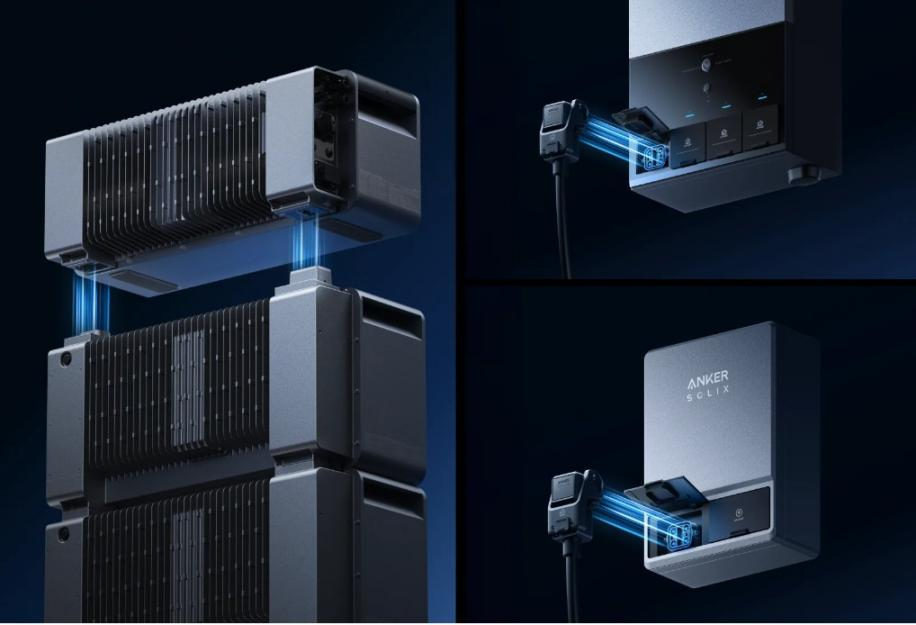
Installing a home battery system safely starts well before the equipment arrives. Homeowners should assess the installation site, verify electrical capacity, confirm equipment compatibility, and understand applicable safety requirements before work begins. Careful preparation helps prevent avoidable installation problems and ensures the system fits the property’s electrical setup and backup needs. Reviewing these details with a qualified installer also clarifies responsibilities, emergency procedures, and local compliance requirements. A thorough pre-installation checklist creates a safer foundation for reliable home energy storage.
Check Your Home and Installation Site
Choose a Suitable Battery Location
Select a battery location that meets the manufacturer’s installation requirements and allows safe access for inspection and servicing. Consider whether the system belongs indoors or outdoors, based on its enclosure rating and approved installation conditions. Keep it away from living areas or escape routes when local codes or manufacturer guidance restrict placement. Avoid locations exposed to vehicle impacts, excessive moisture, or combustible materials. Before finalizing the position, confirm that the surface can support the equipment’s weight and that installers can safely reach the site.
Confirm Temperature, Ventilation, and Clearance Requirements
Before choosing an installation site for a battery backup for home, check the battery’s specified operating temperature range, ventilation needs, and minimum clearance distances. Heat buildup, restricted airflow, or exposure to temperatures outside approved limits can affect safe operation and battery life. Maintain the required space around the equipment, electrical connections, and service access points. Do not assume every battery needs the same ventilation or enclosure conditions; follow the exact product documentation. Ask the installer to explain how the proposed location meets these requirements and accommodates any required cooling or environmental protection.
Assess Flood, Fire, and Physical Damage Risks
Inspect the proposed location for potential flooding, water intrusion, fire exposure, falling objects, and accidental impacts. Avoid areas where standing water or drainage problems could threaten electrical equipment, and follow the manufacturer’s restrictions for outdoor exposure. Keep the battery clear of flammable materials and sources of excessive heat. Where vehicles, tools, or household activities could cause impacts, consider suitable protection approved for the installation. Discuss site-specific hazards with your installer and determine whether another location would reduce risks before equipment placement and wiring begin.
Verify Electrical and System Requirements
Check Electrical Panel Capacity and Wiring
Have a qualified electrician assess the electrical panel, available capacity, wiring condition, grounding, and overcurrent protection before installation. A home battery may require dedicated circuits, additional protective devices, or panel modifications to support its intended operation. The electrician should also determine whether the existing service can accommodate the proposed configuration and whether a backup-load panel is needed. Never assume unused breaker spaces guarantee sufficient electrical capacity. Confirm that all wiring and connections will meet applicable electrical codes and the battery manufacturer’s installation instructions.
Confirm Battery Compatibility With Solar and Backup Equipment
Verify that the battery works with the planned solar inverter, backup equipment, transfer equipment, and monitoring controls. Compatibility involves more than matching product names; voltage ranges, power ratings, communication protocols, and supported system configurations must also meet requirements. If the system will provide backup power, confirm which circuits it can supply and whether solar generation can recharge the battery during an outage. Ask the installer to document the approved configuration and explain any limitations. This review helps ensure the system operates as intended without unsupported connections or unexpected functionality gaps.
Review Permits, Local Codes, and Utility Requirements
Before installation, determine which permits, inspections, and utility approvals the project requires. Local building and electrical codes may specify equipment placement, clearances, labeling, disconnects, and other safety measures. Connecting a battery to a grid-tied solar system may also require utility notification or approval, particularly when the configuration changes how electricity flows to or from the grid. Requirements differ by jurisdiction and system design, so confirm them with the local permitting authority and utility provider. Make sure the installer identifies the responsible party for submitting documents and arranging required inspections.
Prepare Your Installer and Safety Plan
Verify Installer Qualifications and Installation Scope
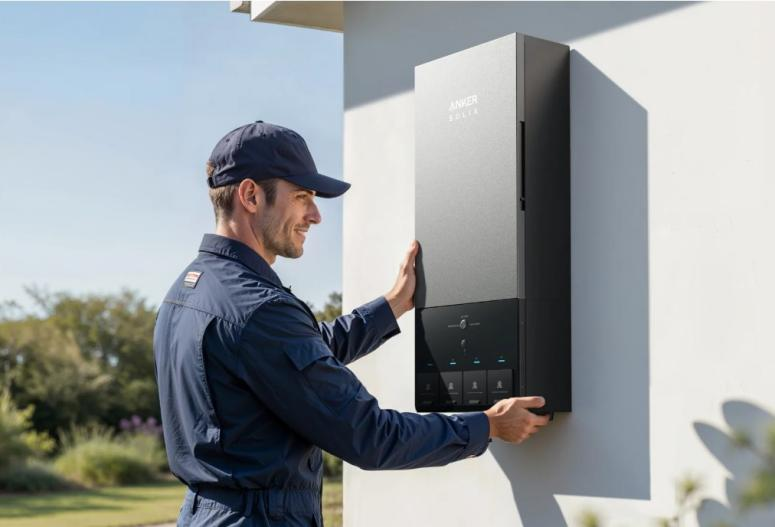
Choose an installer with the appropriate electrical qualifications, licensing, insurance, and experience for your battery system. Before signing an agreement, request a clear scope of work covering equipment placement, electrical connections, permits, inspections, commissioning, and system handover. Clarify who will handle each task and whether subcontractors will be involved. If you’re considering the Anker SOLIX E10 Whole-Home Backup, review the Pro Installation Service details to understand the qualifications and insurance coverage of the electricians carrying out the work. Before installation begins, confirm that the agreed services meet local requirements and clearly define the responsibilities of both parties.
Confirm Emergency Shutdown and Fire Safety Procedures
Before installation, ask how to shut down the battery safely during an emergency and where the relevant disconnects are located. Your installer should explain system shutdown instructions, warning indicators, emergency contacts, and any manufacturer-specific response procedures. Confirm that required labels remain visible and that access to disconnects is unobstructed. Discuss fire safety with the installer and follow guidance from local fire authorities and the equipment manufacturer. Never attempt to open a damaged battery or handle smoke, unusual heat, or other signs of failure yourself; move away and contact emergency services when necessary.
Conclusion
A safe home battery installation begins with a suitable location, verified electrical capacity, compatible equipment, and compliance with local requirements. Before approving the work, confirm your installer’s qualifications, understand the installation scope, and review emergency shutdown procedures. Ask for documentation covering permits, inspections, commissioning, and ongoing maintenance so you know how to operate the system safely after handover. Taking these steps before installation helps identify hazards early, reduces avoidable delays, and prepares your household to use home energy storage with greater confidence.
Author

khizarnisar367@gmail.com
Related Posts
HVAC Repair: A Complete Guide to Maintaining Efficient Heating and Cooling Systems
- 0
- 3,085 words
A comfortable indoor environment depends heavily on a properly functioning heating, ventilation, and air conditioning system. Whether it is maintaining cool temperatures...
Read out all
Fence Installation: Improving Property Security, Privacy, and Outdoor Appeal
- 0
- 3,492 words
A well-designed fence is an important addition to any residential or commercial property because it provides security, privacy, and a clearly defined...
Read out all
Everything You Need to Know About Ground Preparation, Soil Management, and Construction Projects
- 0
- 2,592 words
Preparing land for construction requires careful planning, specialized equipment, and a clear understanding of soil conditions. Whether a property owner is planning...
Read out all
Building Stronger Emergency Communication Infrastructure Through Smart Wireless Network Planning
- 0
- 2,615 words
Introduction Reliable communication infrastructure is an essential part of modern building safety, emergency preparedness, and effective incident management. Hospitals, educational institutions, commercial...
Read out all
Sewer Camera Inspection: A Complete Guide to Detecting and Preventing Drainage Problems
- 0
- 2,643 words
Introduction to Sewer System Maintenance Maintaining a properly functioning sewer system is essential for keeping residential and commercial properties clean, safe, and...
Read out all
Smart Strategies for Managing Electrical Demands and Improving Property Safety
- 0
- 2,545 words
Introduction Electricity plays an essential role in modern homes and commercial properties, powering everything from lighting and kitchen appliances to heating systems,...
Read out all